
Research Seminar at Shan State Buddhist University
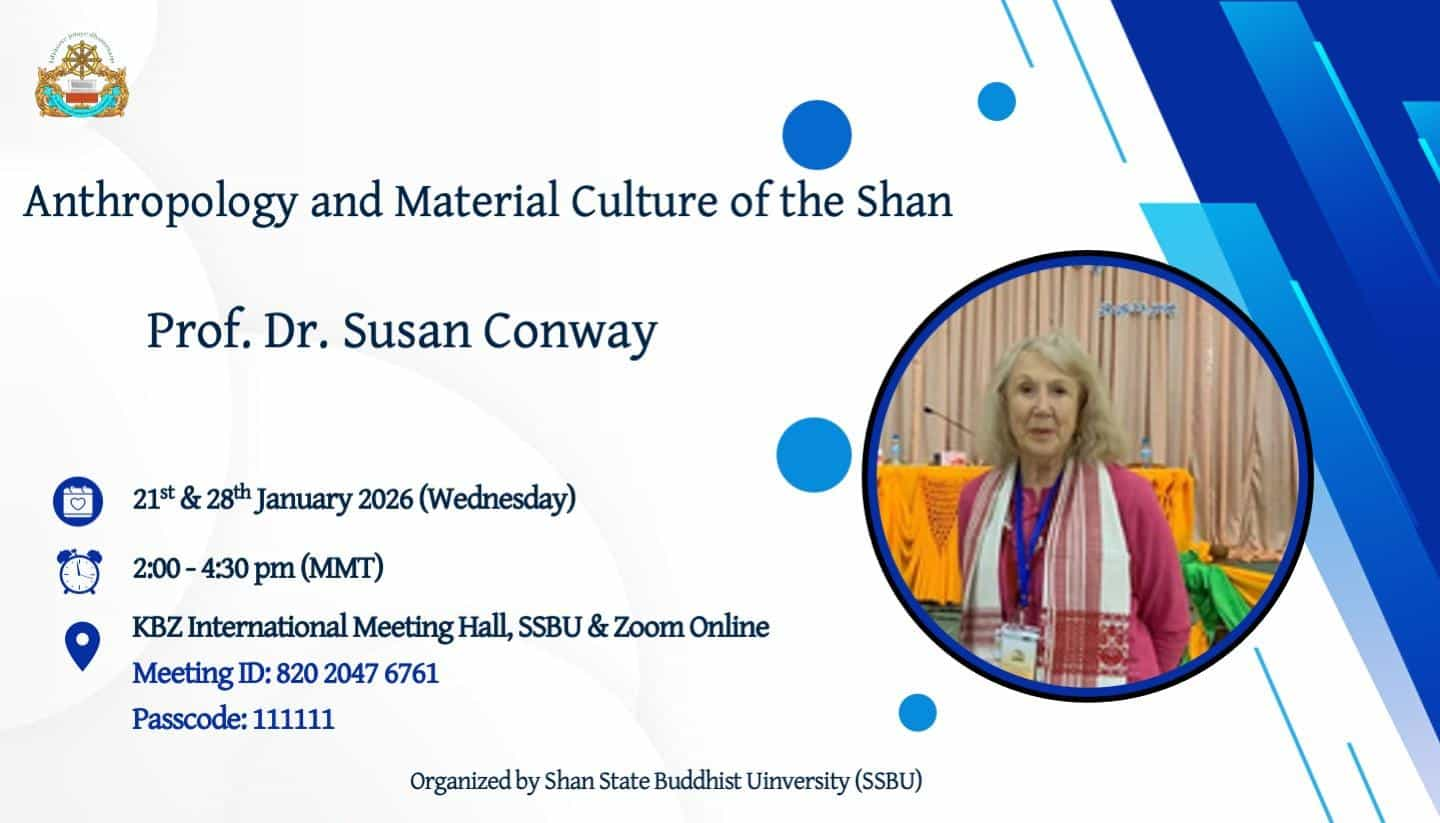
Anthropology and Material Culture of the Shan
21 January 2026
KBZ International Conference Hall
Shan State Buddhist University
Shan State Buddhist University (SSBU) is pleased to introduce a research seminar delivered by Professor Dr. Susan Conway, held as part of the university’s ongoing Research Seminar series. This academic event contributes to SSBU’s commitment to interdisciplinary scholarship that brings Buddhist studies into dialogue with anthropology, history, and material culture, with particular attention to Shan State and the wider Tai world.
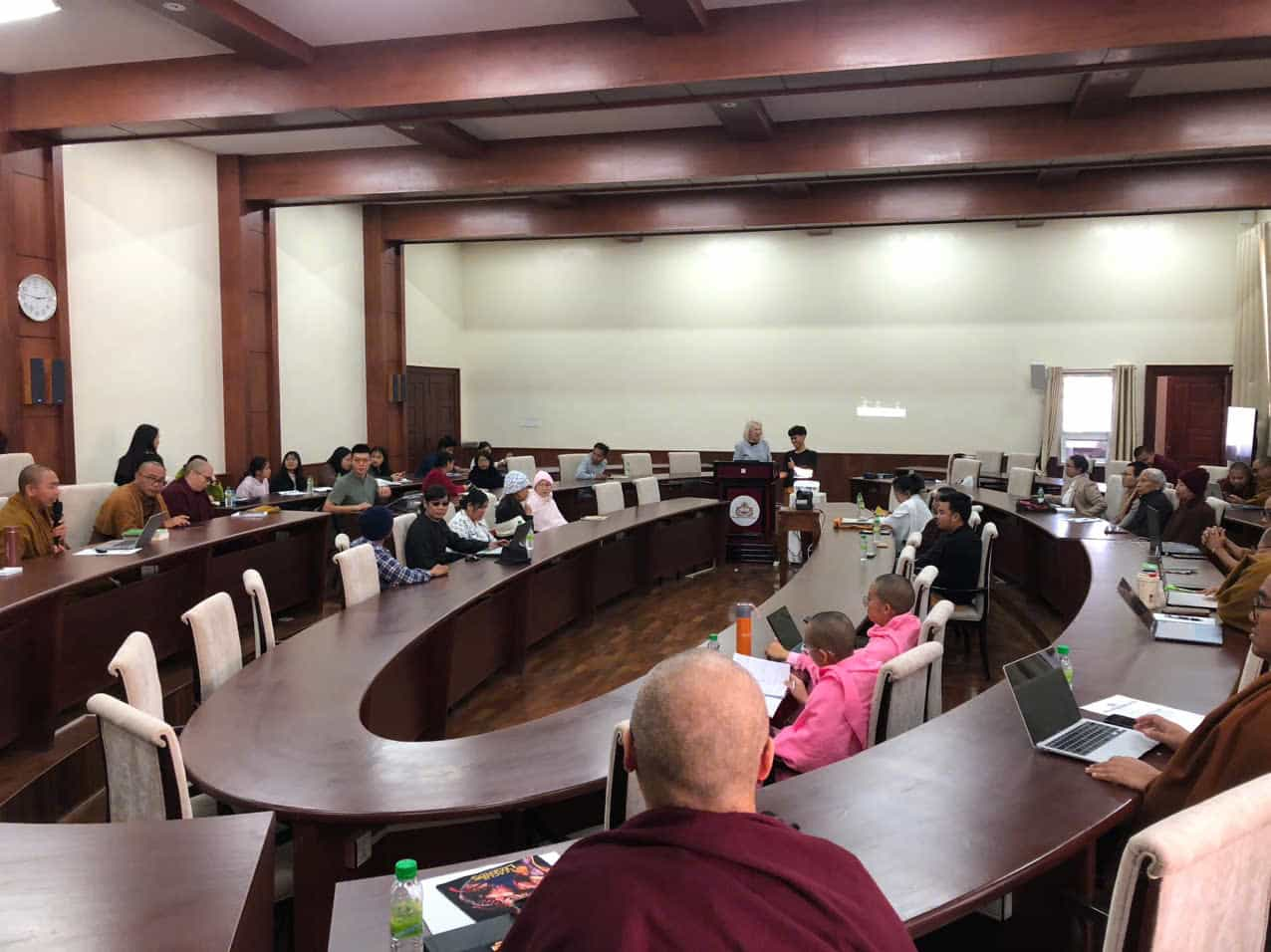
The seminar, entitled “Anthropology and Material Culture of the Shan,” examines how anthropological approaches can deepen understanding of social relations, belief systems, and material practices among Tai-speaking communities in Shan State. The lecture session is 21 January 2026 at 2:00 PM (Asia/Yangon) and take place at the KBZ International Conference Hall, Shan State Buddhist University.
Professor Dr. Susan Conway is currently a Research Associate at the Institute of Development Studies, University of Sussex, and a Visiting Professor at Shan State Buddhist University. She has previously taught at the School of Oriental and African Studies (SOAS), University of London, and in Southeast Asian Studies at The New School, New York.
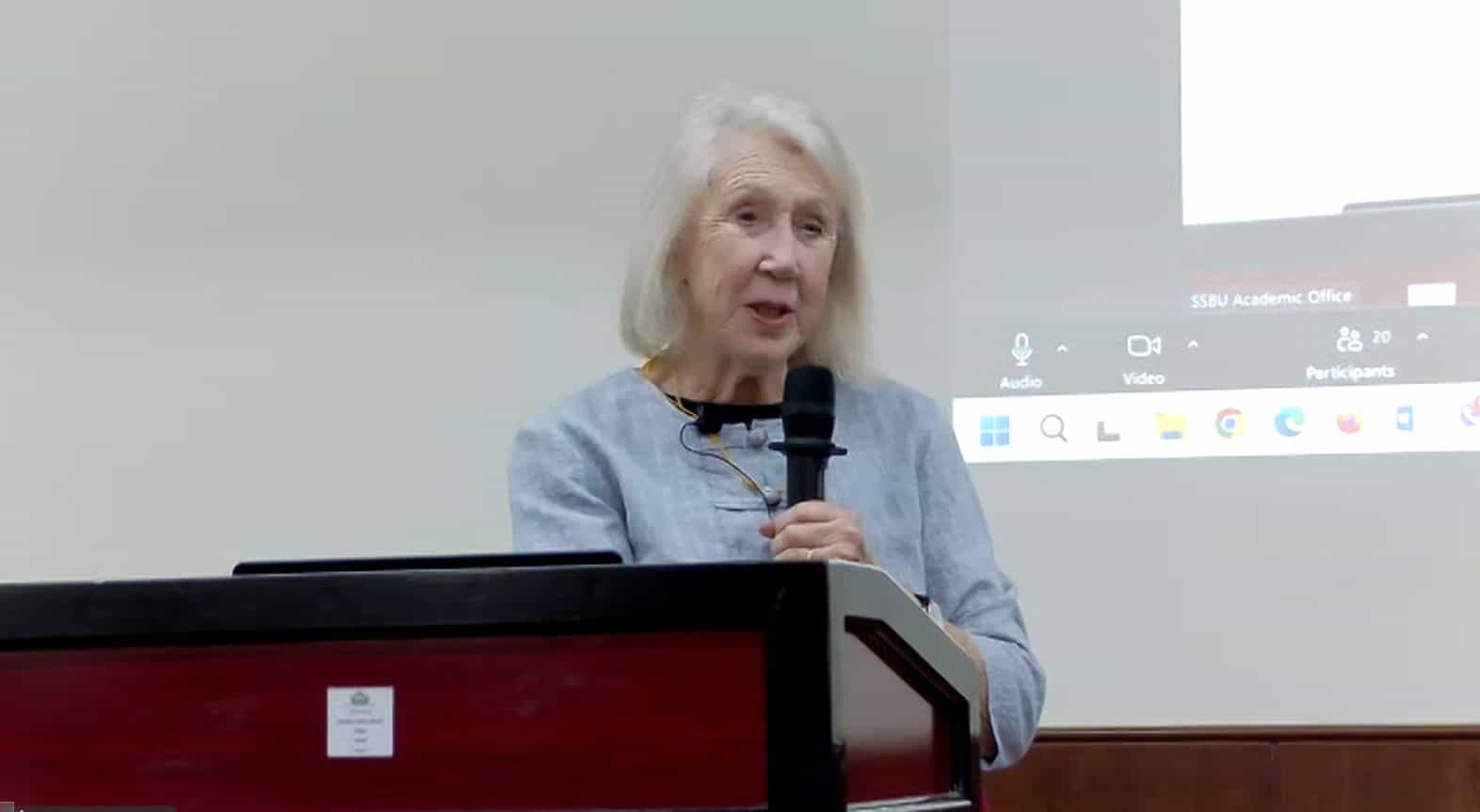
With more than thirty years of fieldwork experience across inland Southeast Asia, her scholarship focuses on the culture, arts, crafts, and religious life of Thailand and the Shan States of Myanmar.
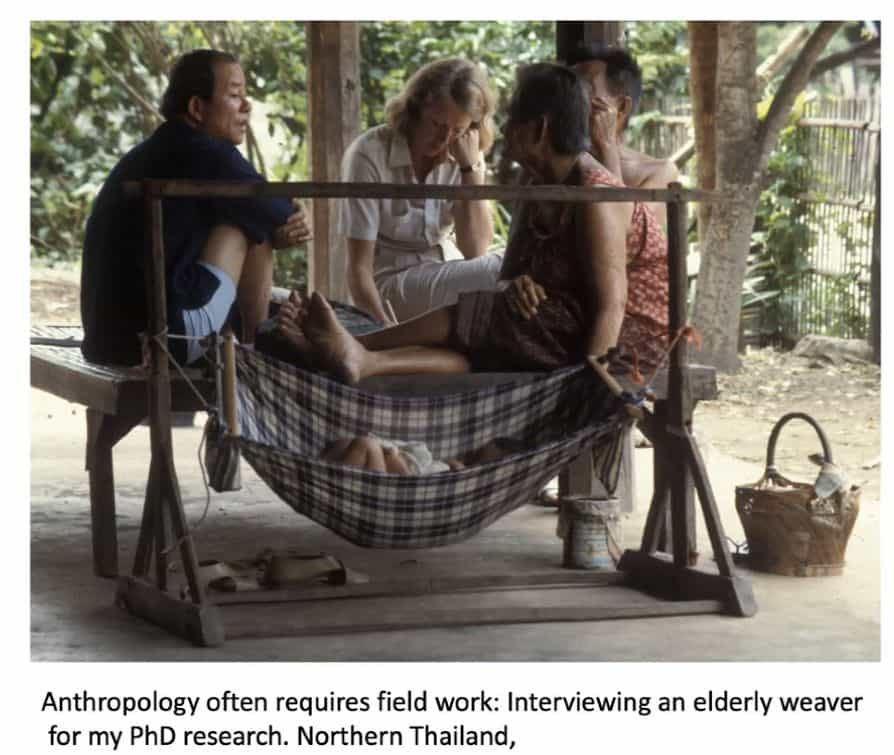
Her research combines anthropology, art history, and material culture, and she is also an accomplished artist whose work draws inspiration from Buddhist mural paintings and Southeast Asian landscapes.
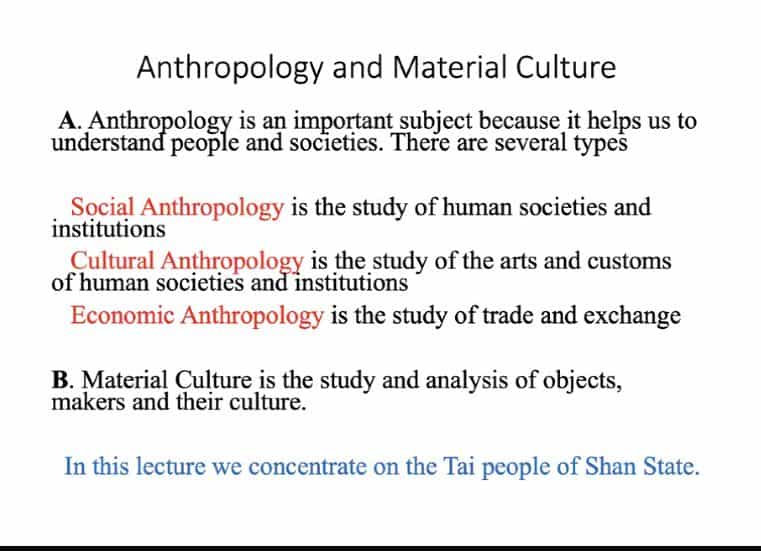
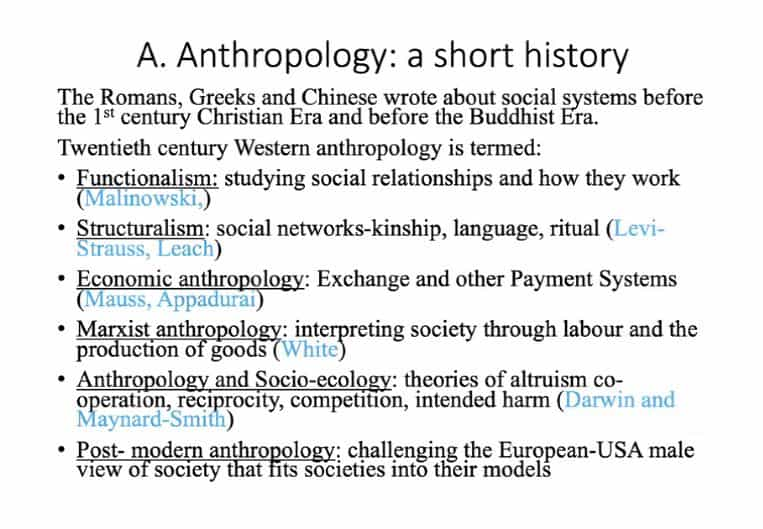
The seminar begins with an introduction to anthropology as a discipline, outlining major subfields such as social, cultural, and economic anthropology, and situating material culture as the study of objects, their makers, and the social worlds in which they circulate. Drawing on classical and modern anthropological theory, Professor Conway reviews key intellectual traditions including functionalism, structuralism, economic and Marxist anthropology, socio-ecological theory, and post-modern critiques that challenge earlier Euro-American and male-centred perspectives.
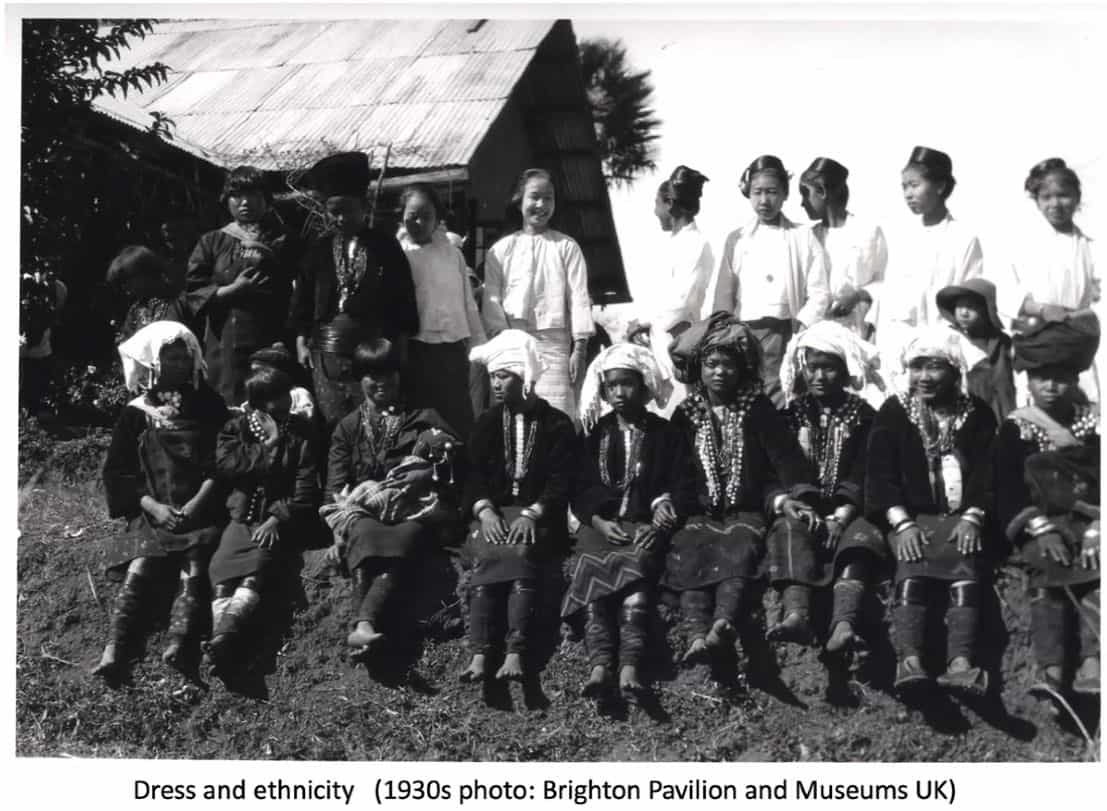
A central focus of the lecture is the Shan State context, particularly relationships between valley-based Tai groups and neighbouring hill communities. Through discussion of identity, ritual, dress, language, and belief, the seminar revisits the influential work of Edmund Leach and his challenge to fixed notions of ethnicity.
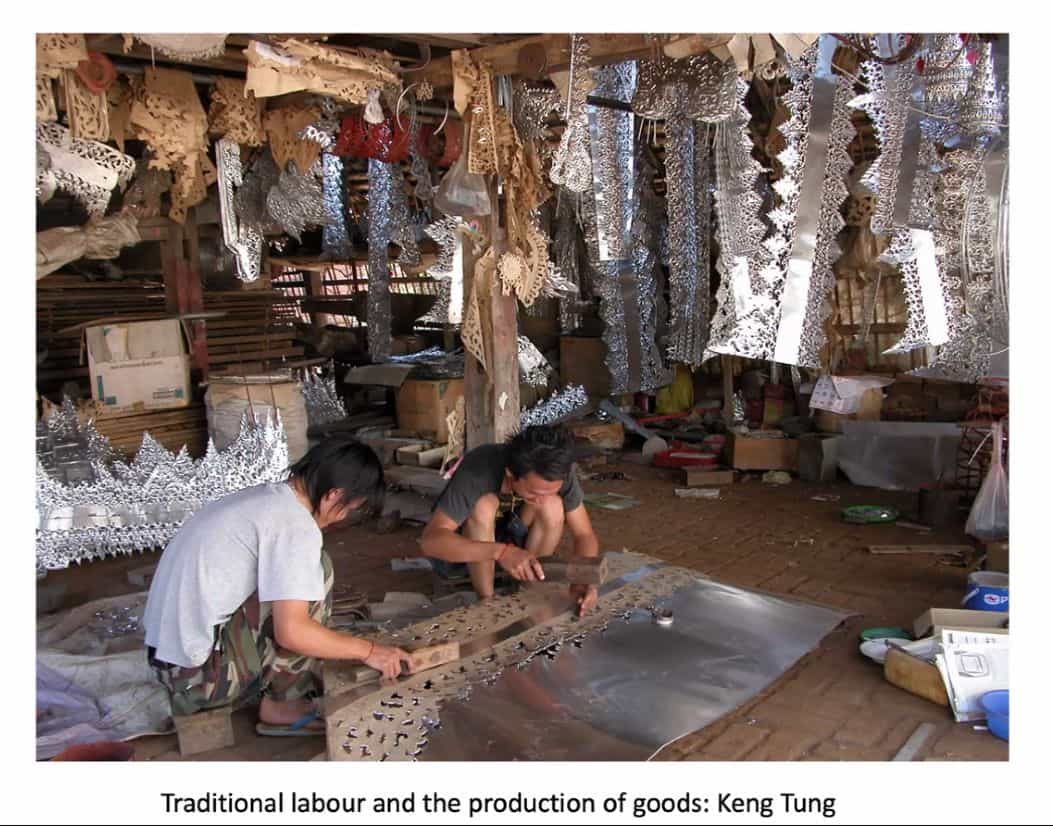
The lecture also considers labour, production, and exchange in both traditional village economies and contemporary global systems, linking these themes to Buddhist ethical teachings on altruism, cooperation, and social responsibility.
The second part of the seminar focuses on (Shan) Material Culture, defined as the study of objects and the ways in which they embody, transmit, and preserve the lived experiences of individuals and communities.
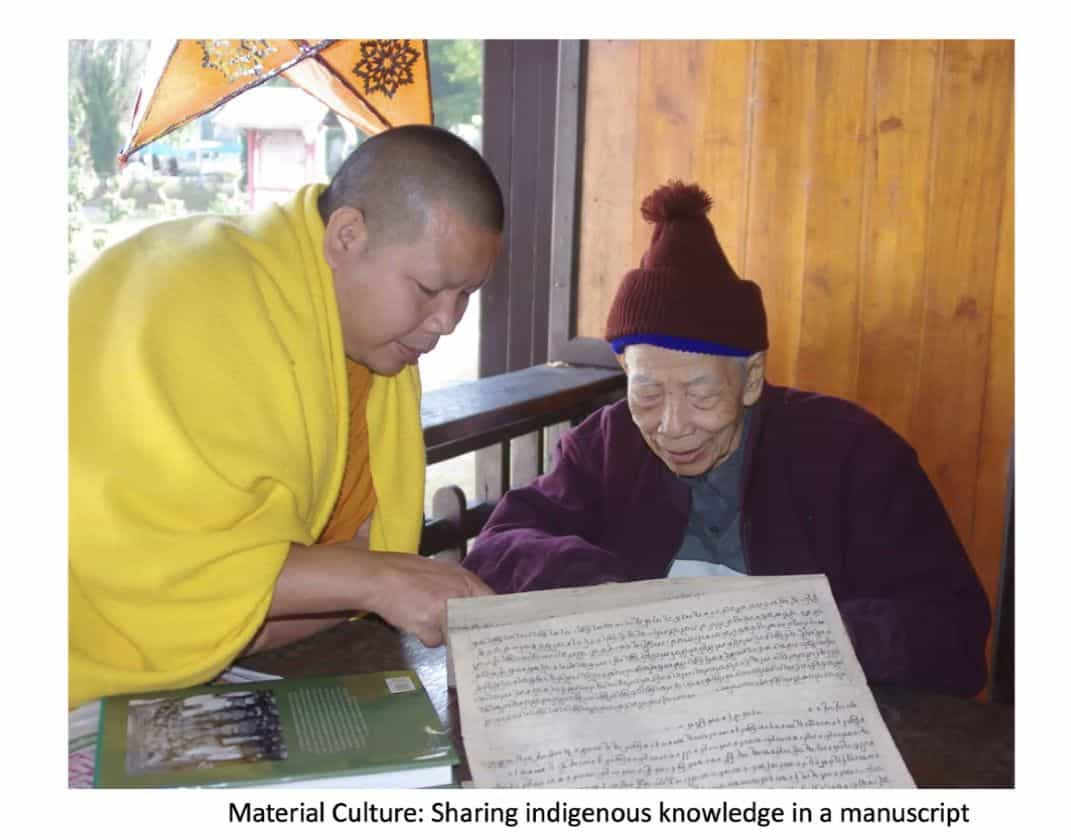
Within anthropological inquiry, material culture provides a concrete entry point into understanding social relations, religious beliefs, economic practices, and historical continuity. Objects are not viewed merely as utilitarian items, but as carriers of meaning shaped by cultural values, ritual contexts, and social memory.
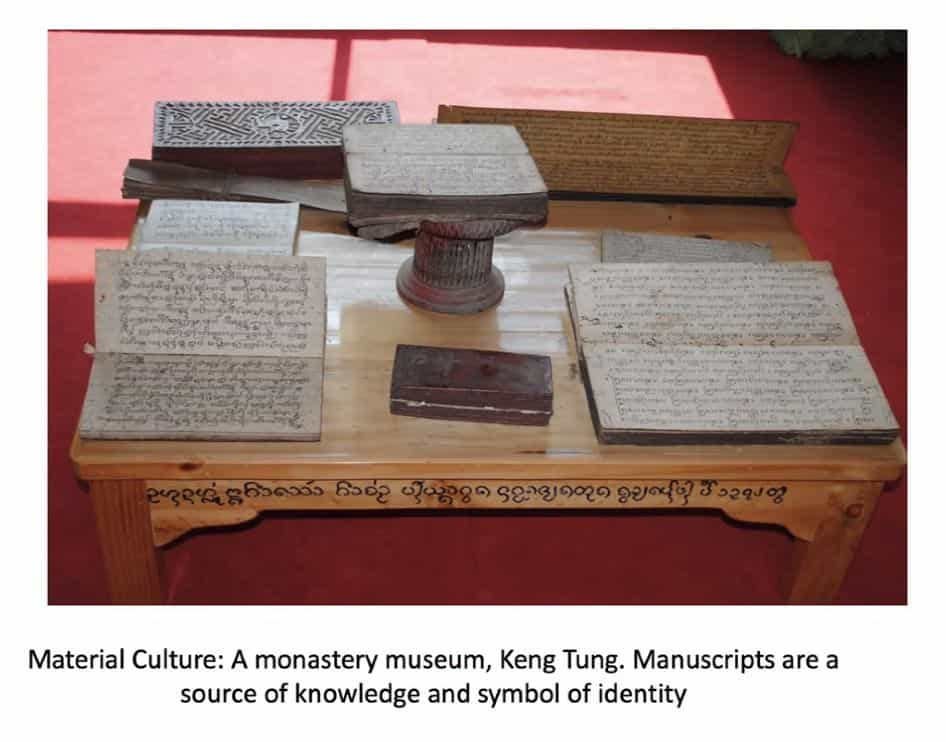
This section of the lecture explores several key areas of research in material culture. Attention is given to the purpose and function of objects, whether ritual, domestic, or economic, as well as to the identities of both makers and users. Objects are examined in terms of their religious significance and their role in systems of exchange, including barter, gift-giving, and merit-making. Equally important are the techniques of production, the historical development of forms and styles, and the social settings in which objects are created and used, such as households, monasteries, and village communities.
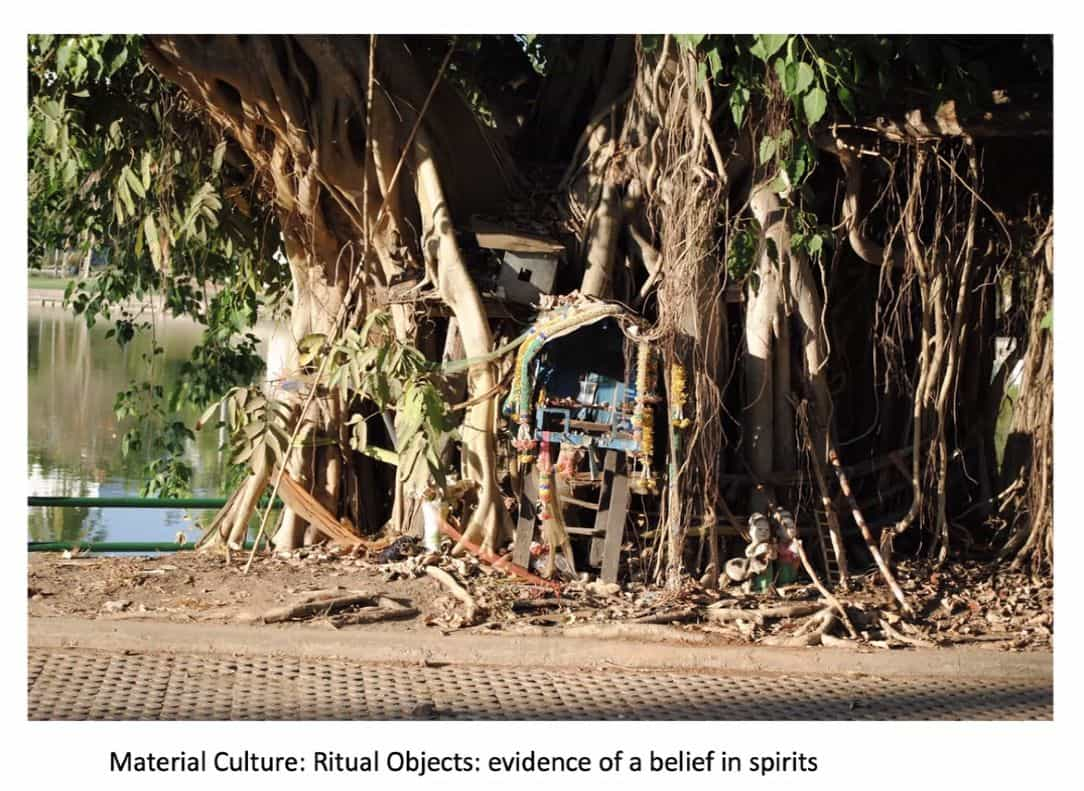
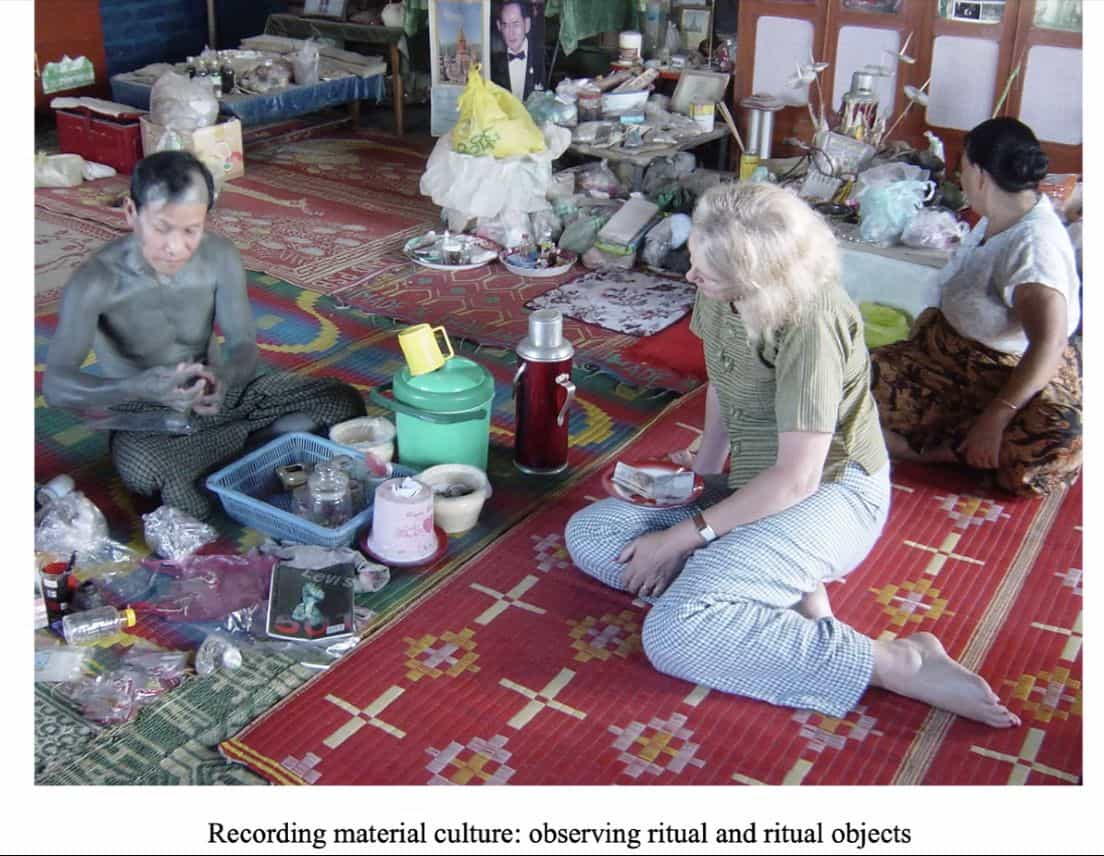
Through selected case studies from Shan State, Professor Conway demonstrates how anthropologists ask critical questions about everyday and ritual practices. Examples include food offerings, such as rice placed in baskets or on trees, prompting inquiry into their symbolic recipients and ritual meanings.
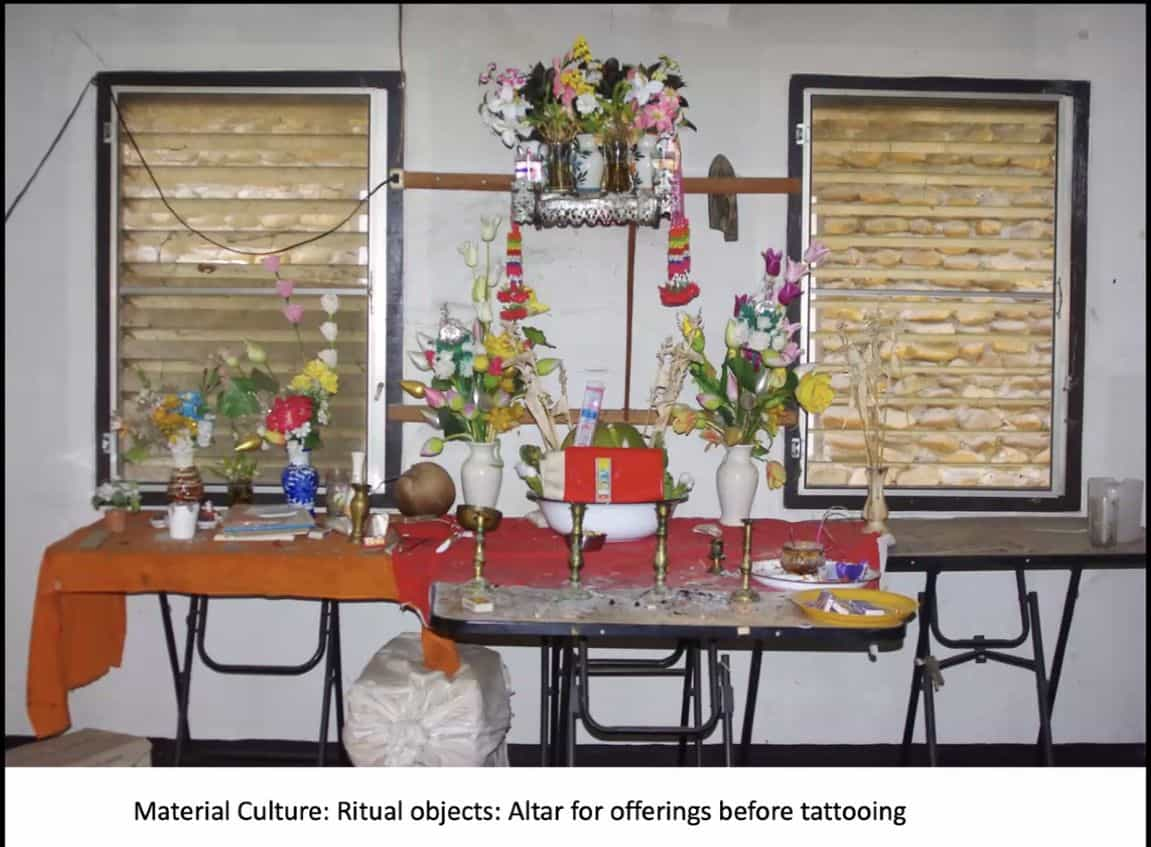
Tattooing practices are examined through the presence of altars, the invocation of protective spirits, and the social role of the tattoo master. A further case study addresses the significance of Tiger temples, raising questions about animal symbolism, historical extinction, ritual practice, and contemporary concerns over environmental and forest loss.
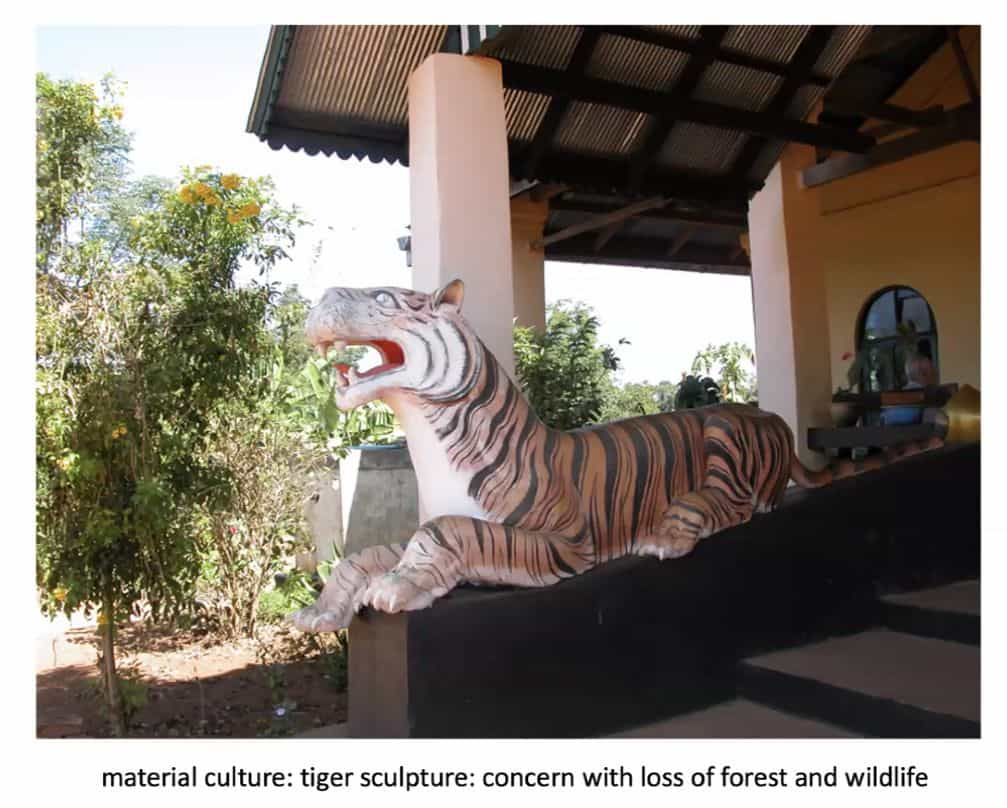
These examples illustrate how material culture analysis draws upon multiple theoretical approaches. Functionalism helps explain social relationships sustained through objects, structuralism illuminates ritual patterns, economic anthropology addresses funding and exchange, and socio-ecological perspectives consider broader social and environmental benefits. Together, these approaches reveal material culture as a vital lens for understanding Shan society in both historical and contemporary contexts.
By integrating anthropological theory with long-term field research, this seminar offers valuable insights for scholars, students, and practitioners interested in Buddhism, Shan studies, and Southeast Asian societies. It exemplifies SSBU’s role as a centre for rigorous academic inquiry grounded in regional knowledge and global scholarship.