

Special Lectures
Buddhism in Spanish-Speaking World
Bhikkhu Nandisena & Mr. Winston Velazco
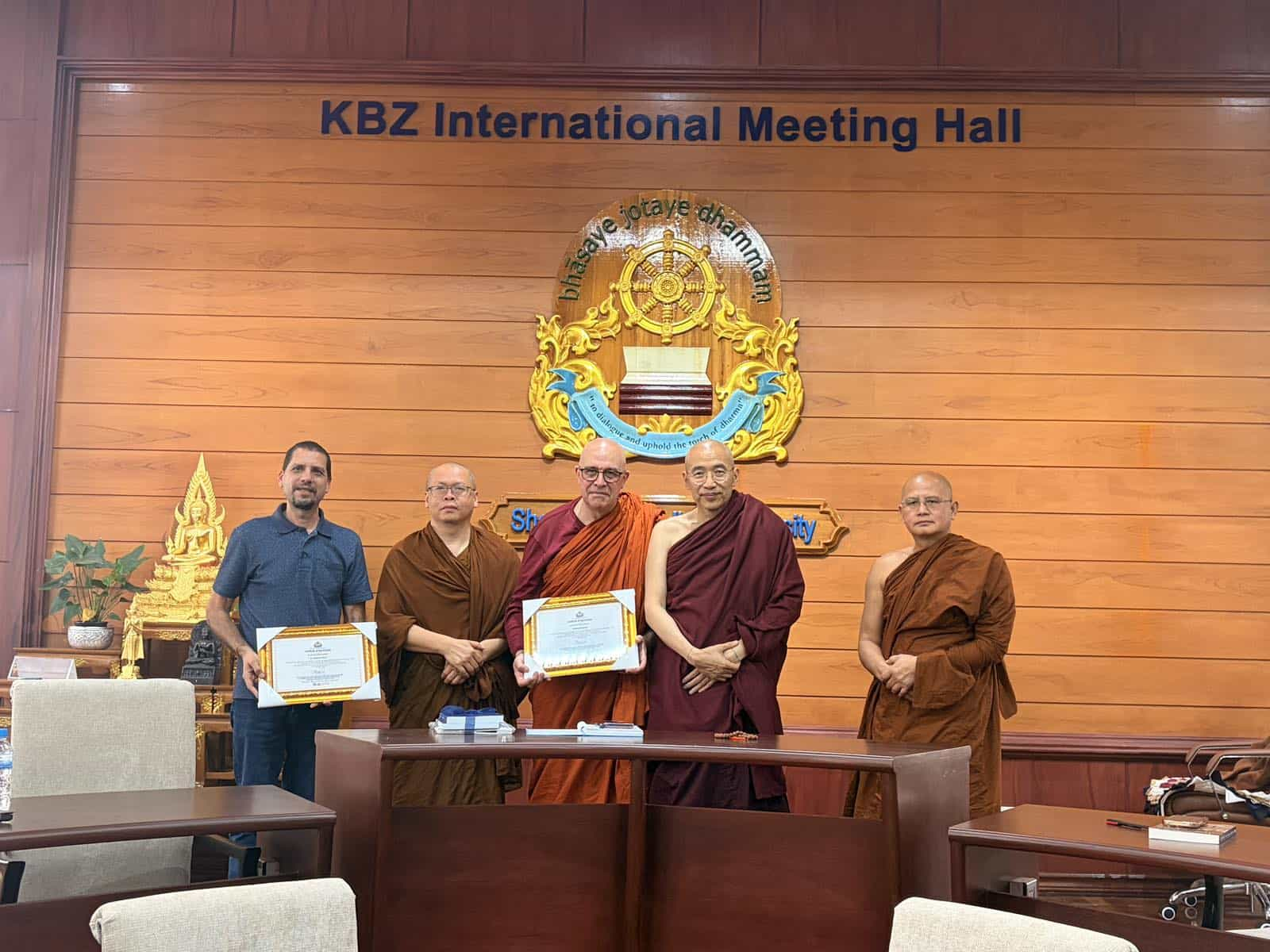
On 5 May 2026, Shan State Buddhist University (SSBU) hosted special lectures delivered by Bhikkhu Nandisena & Mr. Winston Velazco. The first presentation was done by Venerable Bhikkhu Nandisena. The presentation, entitled “Buddhism in the Spanish-Speaking World,” examined the historical transmission of the Buddha’s teachings alongside contemporary efforts to establish and sustain Theravāda Buddhism in Spanish-speaking contexts.
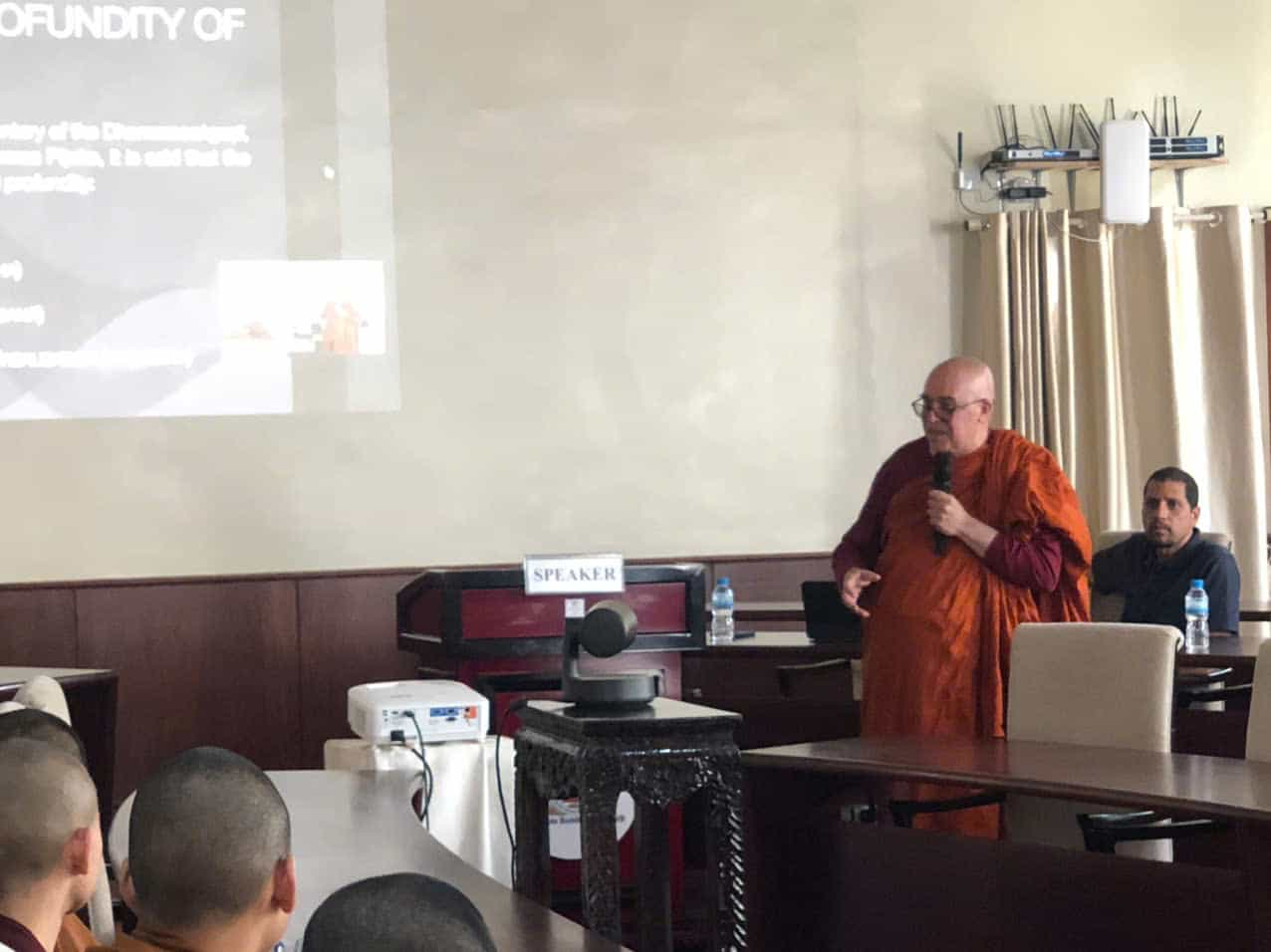
Venerable Bhikkhu Nandisena, a founder of the Dhamma Vihāra in Mexico, was ordained in 1991 at Taungpulu Kaba Aye Monastery in California under the guidance of Venerable Hlaing Tet Sayadaw and Venerable U Silananda. He undertook formal study in Pāli, Abhidhamma, and meditation, and later contributed significantly to Buddhist scholarship through Spanish translations of key texts, including the Abhidhammattha Saṅgaha and the Dhammapada. His academic and institutional roles included membership in the Presidium of the International Buddhist Confederation and representation of Mexico in the World Buddhist Council.
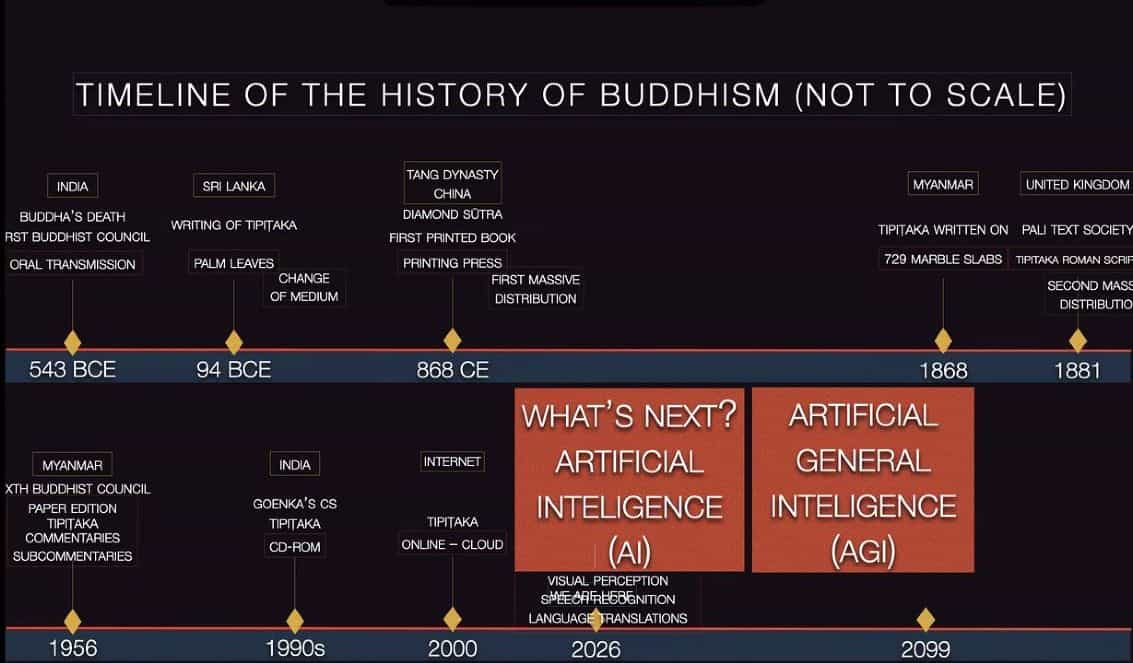
The presentation opened with an overview of the historical transmission of Buddhism. A chronological framework traced key developments from the oral preservation of the teachings following the Buddha’s passing, through the writing of the Tipiṭaka in Sri Lanka, the emergence of printed texts in East Asia, and later efforts at standardization and dissemination in Myanmar and Europe. Modern developments, including digital editions and online platforms, were noted as part of an ongoing process of preservation and accessibility, culminating in reflections on future technological possibilities such as artificial intelligence and language translation.
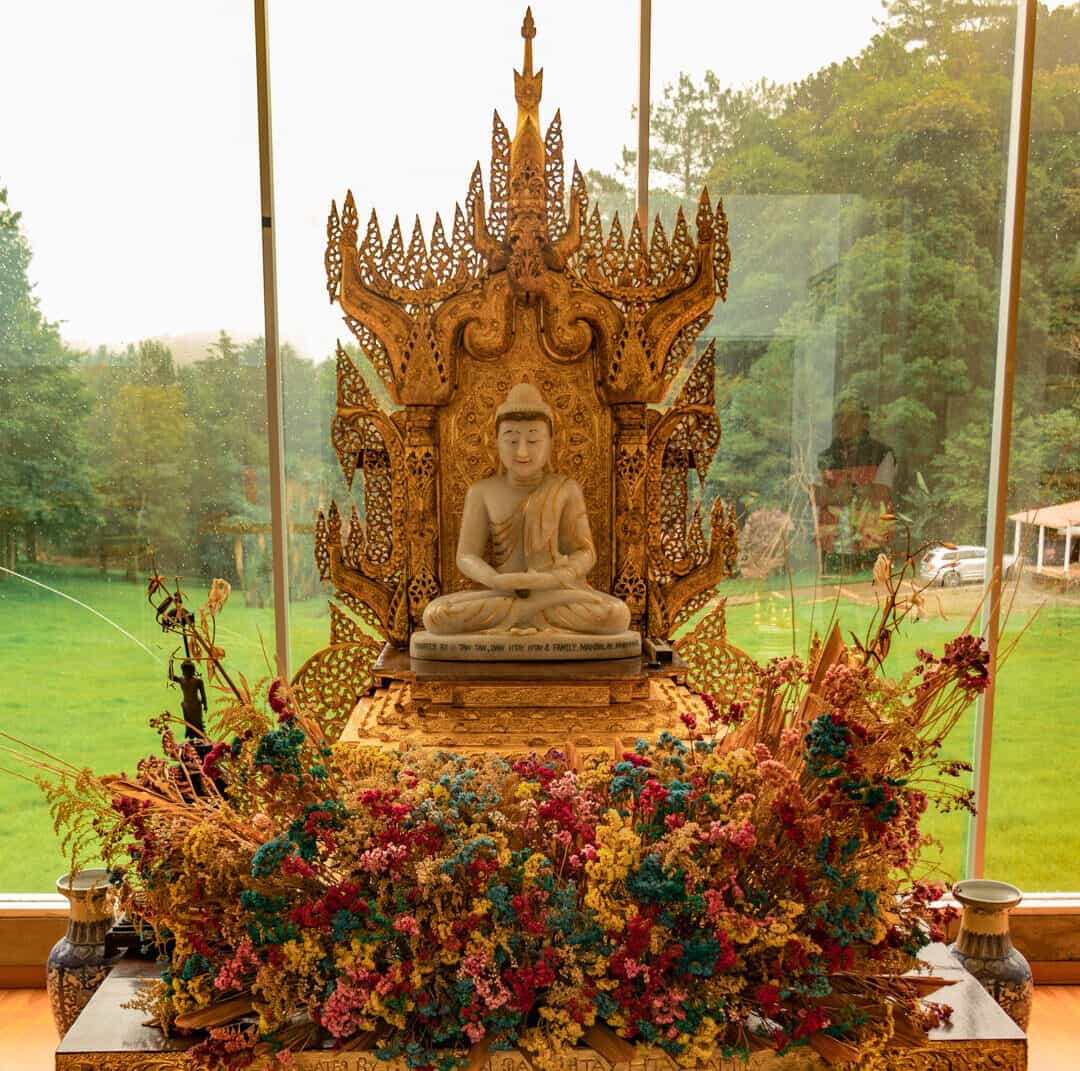
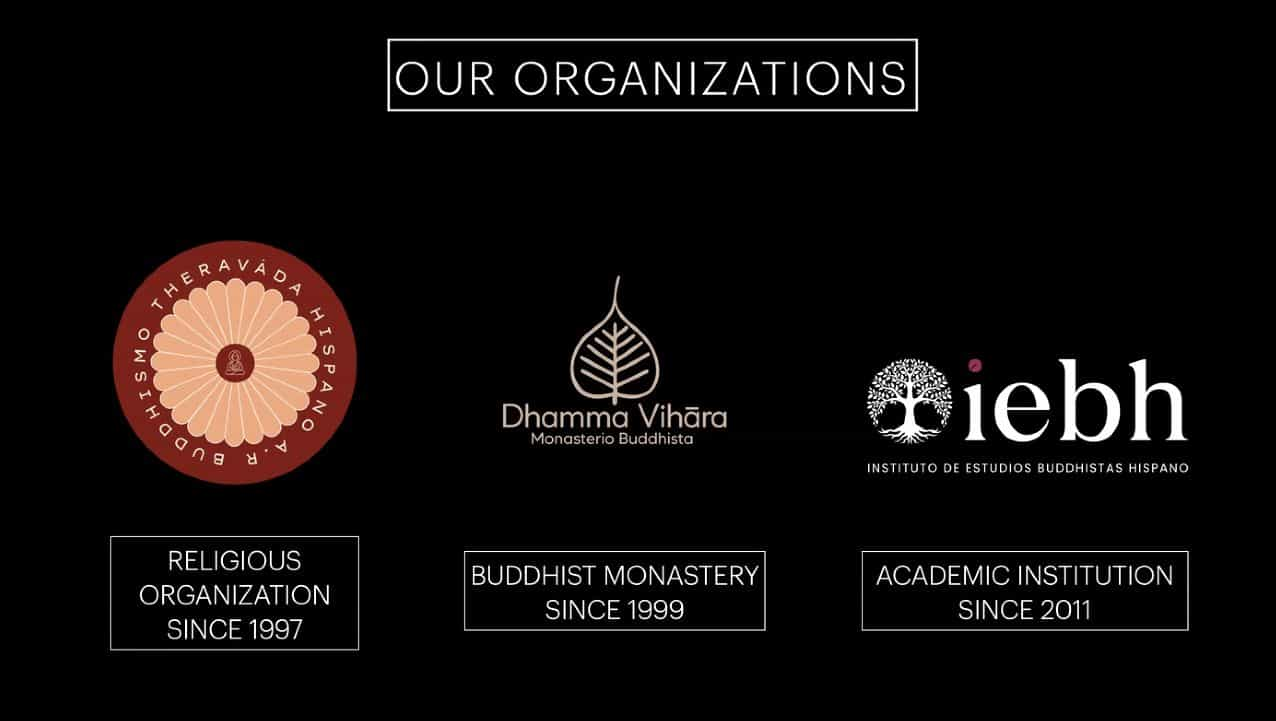
The presentation then turned to the institutional development of Buddhism in the Spanish-speaking world. The Dhamma Vihāra in Veracruz, founded in 1999 under the guidance of Venerable U Silananda, was described as a monastic and educational center situated in a rural environment conducive to meditation and study. Alongside it, the Theravāda Hispano A.R., established in 1997, and the Instituto de Estudios Buddhistas Hispano, founded in 2011, formed a network of religious and academic institutions dedicated to the preservation and dissemination of the Dhamma. Although based in Mexico, these organizations extended their reach across Spanish-speaking countries through online teaching, publications, and digital communication.
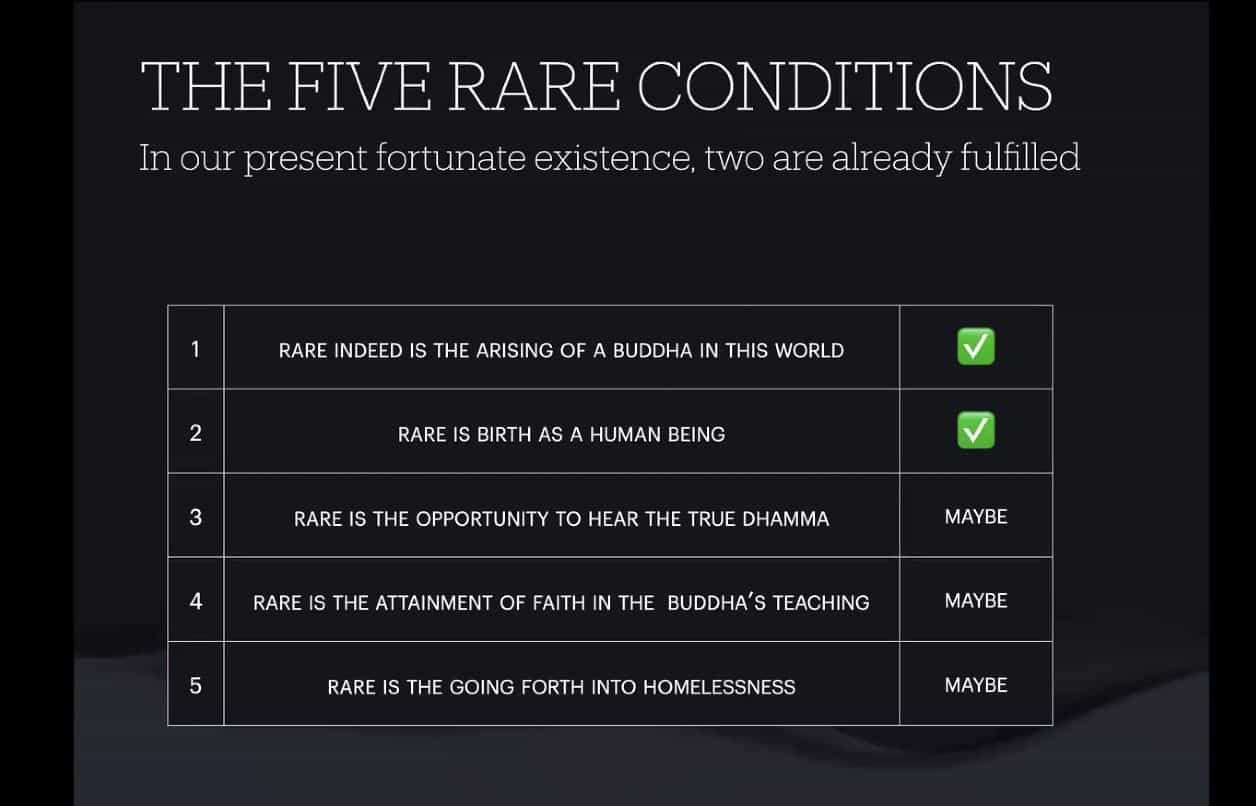
Doctrinal reflection formed an important part of the presentation. A passage from the Pāli tradition emphasized the rarity of key existential conditions, including the arising of a Buddha, human birth, access to the true Dhamma, the development of faith, and the opportunity for monastic ordination. These conditions were presented as a framework guiding the mission of the organizations, particularly in creating opportunities for hearing the Dhamma and cultivating confidence in the teaching.
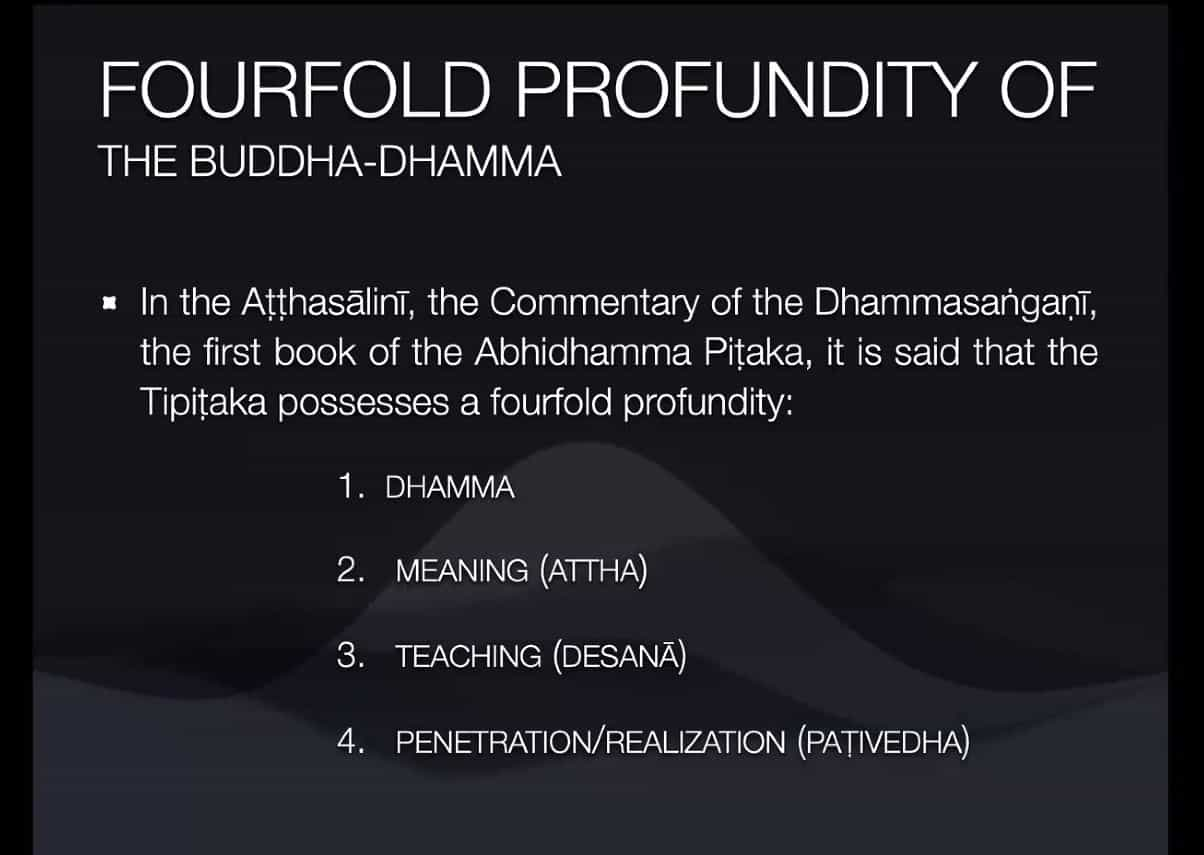
The presentation further addressed the interpretative depth of the Tipiṭaka, drawing on the Abhidhamma commentary tradition. The fourfold profundity of the Buddha-Dhamma (Dhamma, meaning, teaching, and realization), was explained as a progressive structure of understanding. Movement from textual knowledge to deeper comprehension required reliance on established tools of the tradition, including Pāli grammatical treatises, commentarial literature, Abhidhamma analysis, and systematic education.
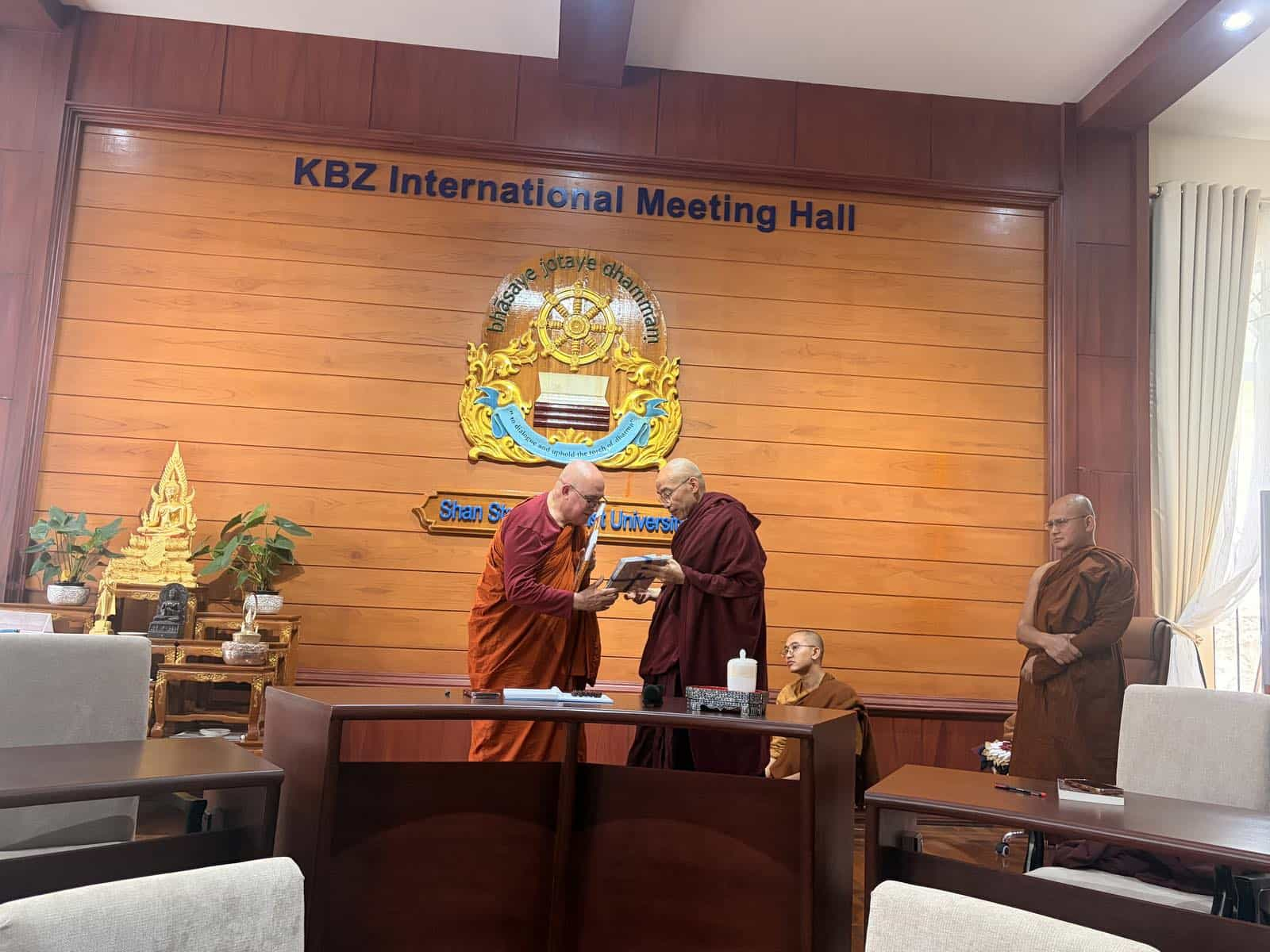
Overall, the presentation provided a comprehensive account of the historical, institutional, and doctrinal dimensions of Buddhism in the Spanish-speaking world. It highlighted the continuity of the Theravāda tradition while demonstrating its adaptation to new linguistic and cultural settings, supported by both scholarly work and contemporary methods of dissemination.
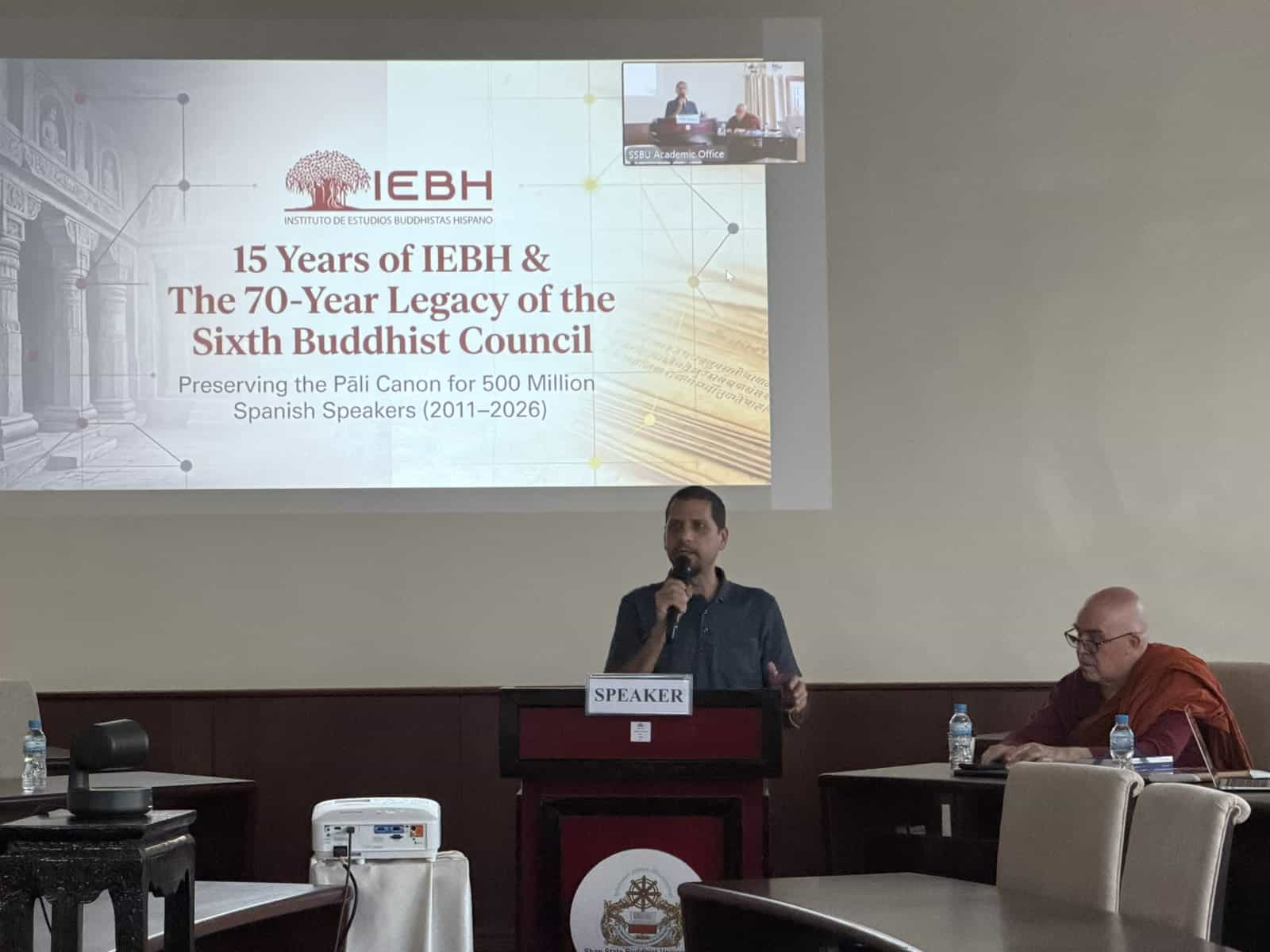
The second presentation was delivered by Mr. Winston J. Velazco, whose lecture was entitled “15 Years of IEBH & The 70-Year Legacy of the Sixth Buddhist Council: Preserving the Pāli Canon for 500 Million Spanish Speakers (2011–2026).”
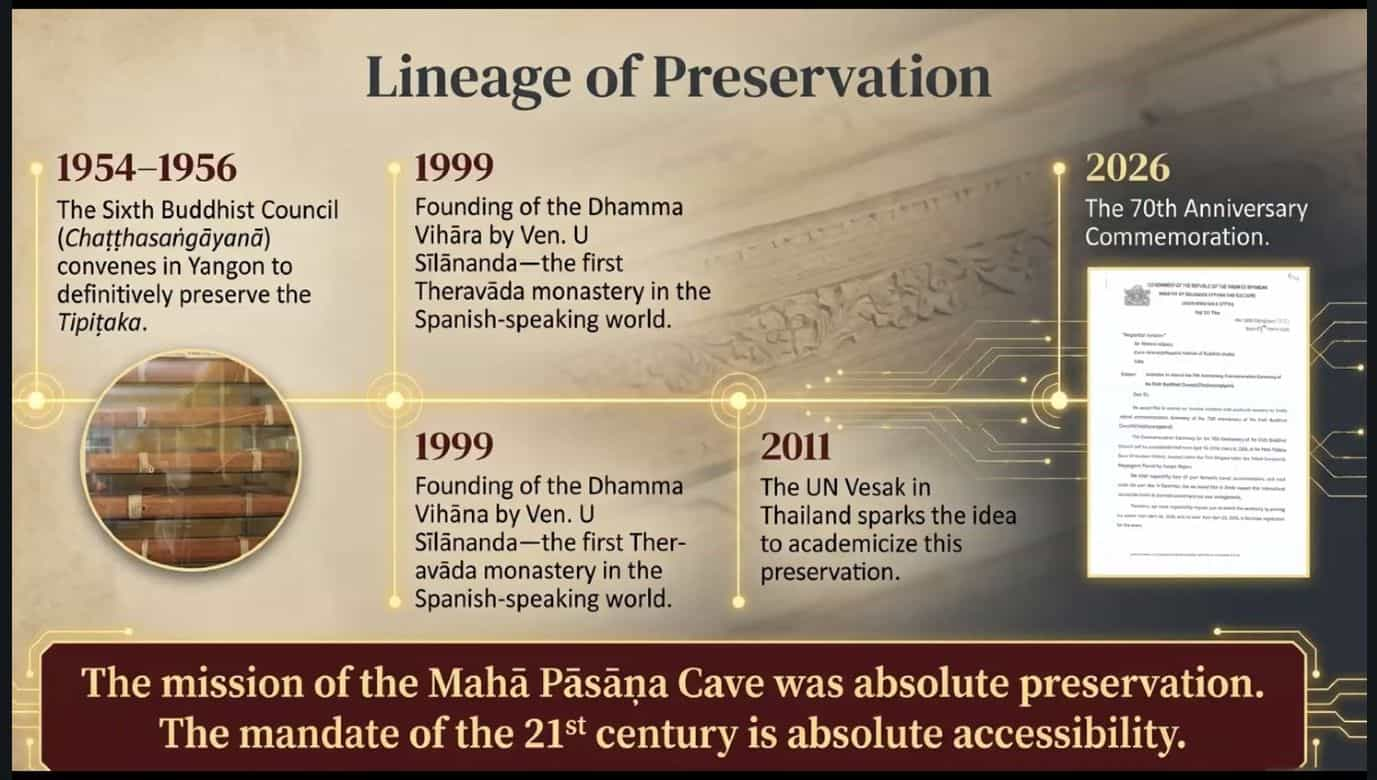
Mr. Velazco’s presentation examined the transmission and preservation of the Pāli Canon within the context of the Spanish-speaking world, situating this effort within a broader historical lineage. He began by referring to the Sixth Buddhist Council (Chaṭṭhasaṅgāyana), convened in Yangon between 1954 and 1956, which sought to preserve and standardize the Tipiṭaka. This historical foundation was connected to more recent developments, including the establishment of the Dhamma Vihāra by Venerable U Sīlānanda in 1999, recognized as the first Theravāda monastery in the Spanish-speaking world. The presentation also noted the role of the United Nations Vesak celebrations in 2011 as a catalyst for the formation of a more structured and academic approach to Buddhist dissemination.
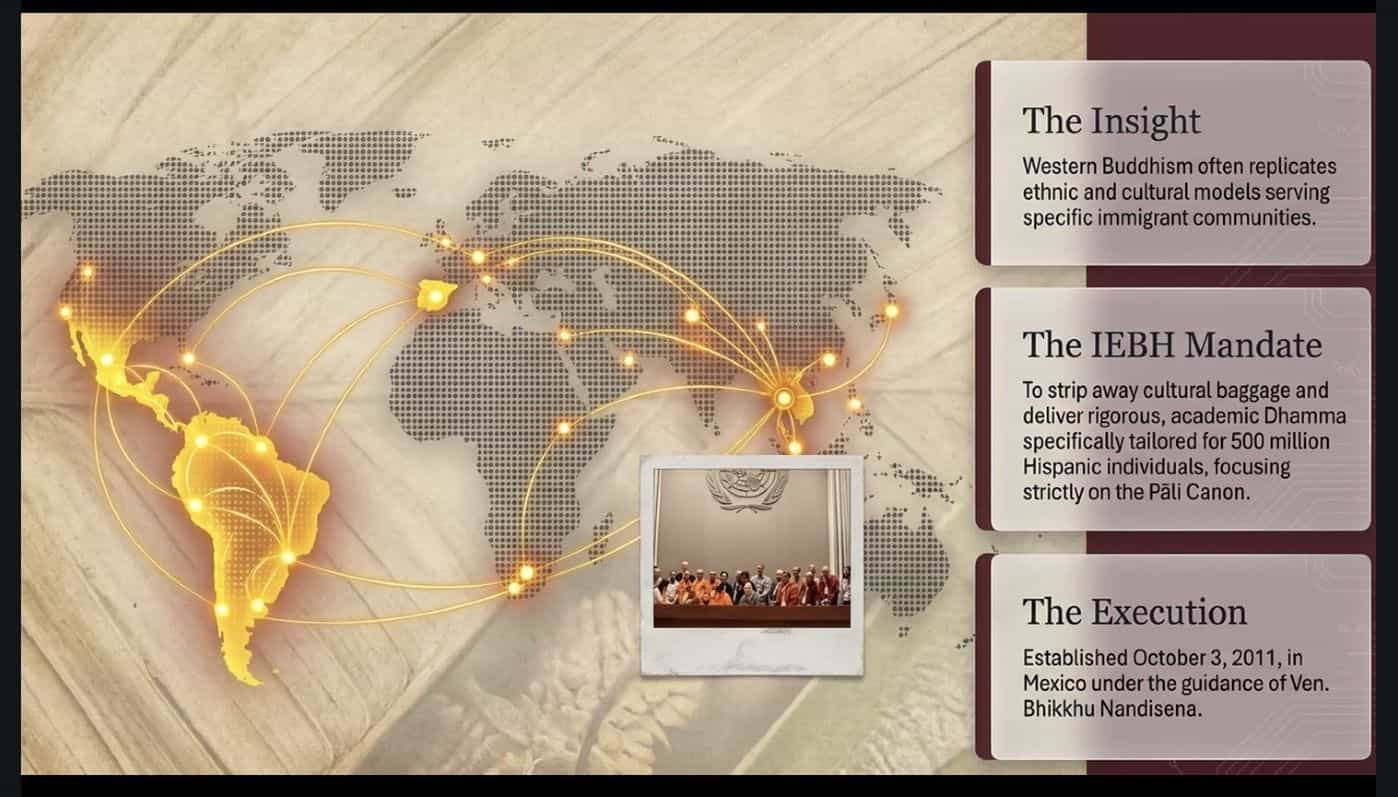
A central focus of the lecture was the founding and development of the Instituto de Estudios Buddhistas Hispano (IEBH), established in 2011 in Mexico under the guidance of Venerable Bhikkhu Nandisena. Mr. Velazco outlined the institutional mandate of the IEBH, which sought to present the Buddha’s teachings in a form accessible to Spanish-speaking audiences while maintaining fidelity to the Pāli Canon. He emphasized the importance of distinguishing doctrinal content from cultural forms, with the aim of developing a rigorous academic framework for the study of Theravāda Buddhism.
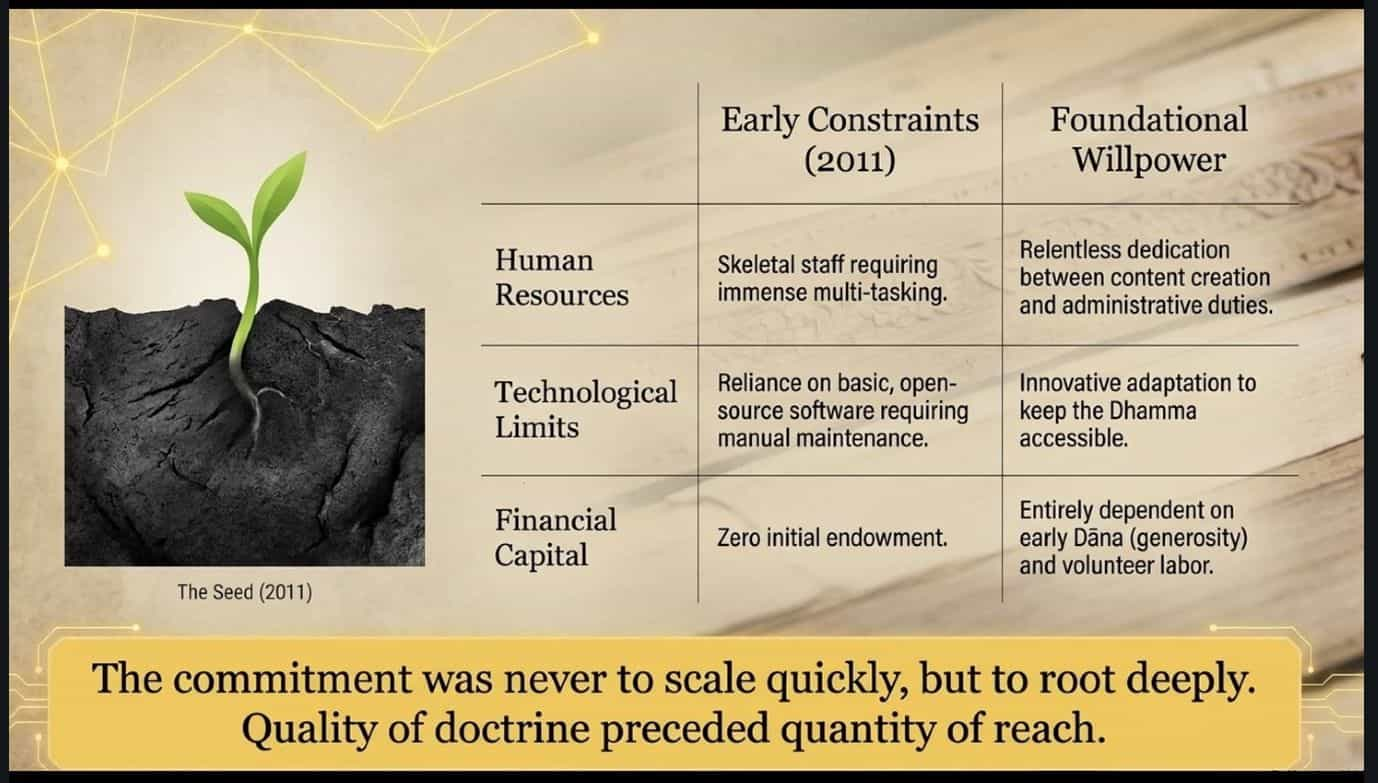
The presentation also addressed the challenges encountered during the early stages of the IEBH, including limitations in human resources, technological infrastructure, and financial support. Despite these constraints, the institution developed a model centered on textual study, linguistic analysis of Pāli, and systematic translation into Spanish. Over time, this model evolved through several technological stages, from open-source platforms to more advanced digital systems, culminating in the development of a dedicated online infrastructure to support global access.
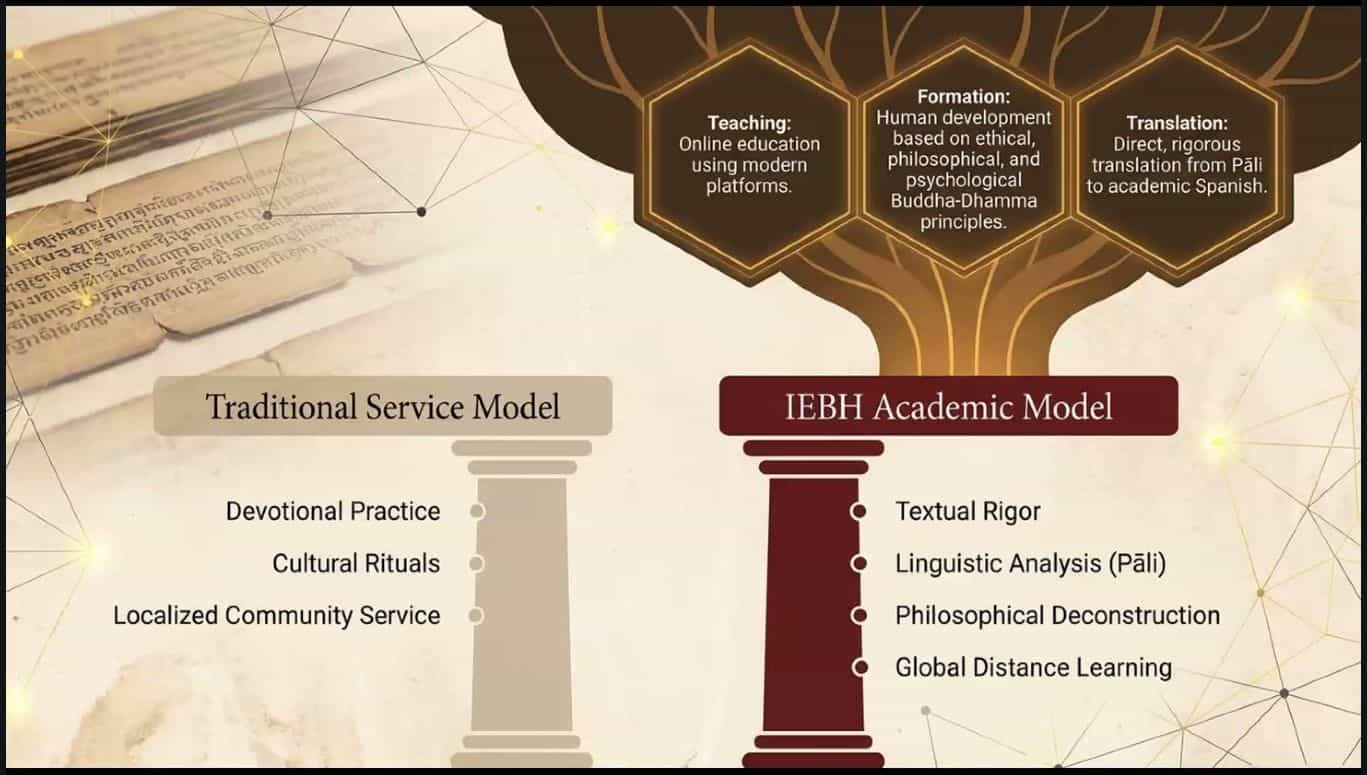
Mr. Velazco further discussed the academic and pedagogical structure of the IEBH, highlighting its emphasis on teaching, formation, and translation. Courses covered key areas such as Abhidhamma, Sutta studies, and Pāli language, with particular attention given to foundational texts and their interpretative traditions. The role of Abhidhamma as a framework for understanding mind, matter, and mental factors was presented as central to both philosophical inquiry and meditative practice.

In conclusion, the presentation offered a synthesis of historical preservation and contemporary dissemination. It suggested that the legacy of the Sixth Buddhist Council had extended beyond the physical preservation of texts to include their digital transmission and accessibility. Within this framework, the work of the IEBH was presented as an ongoing effort to support the study and understanding of the Pāli Canon among Spanish-speaking communities worldwide.