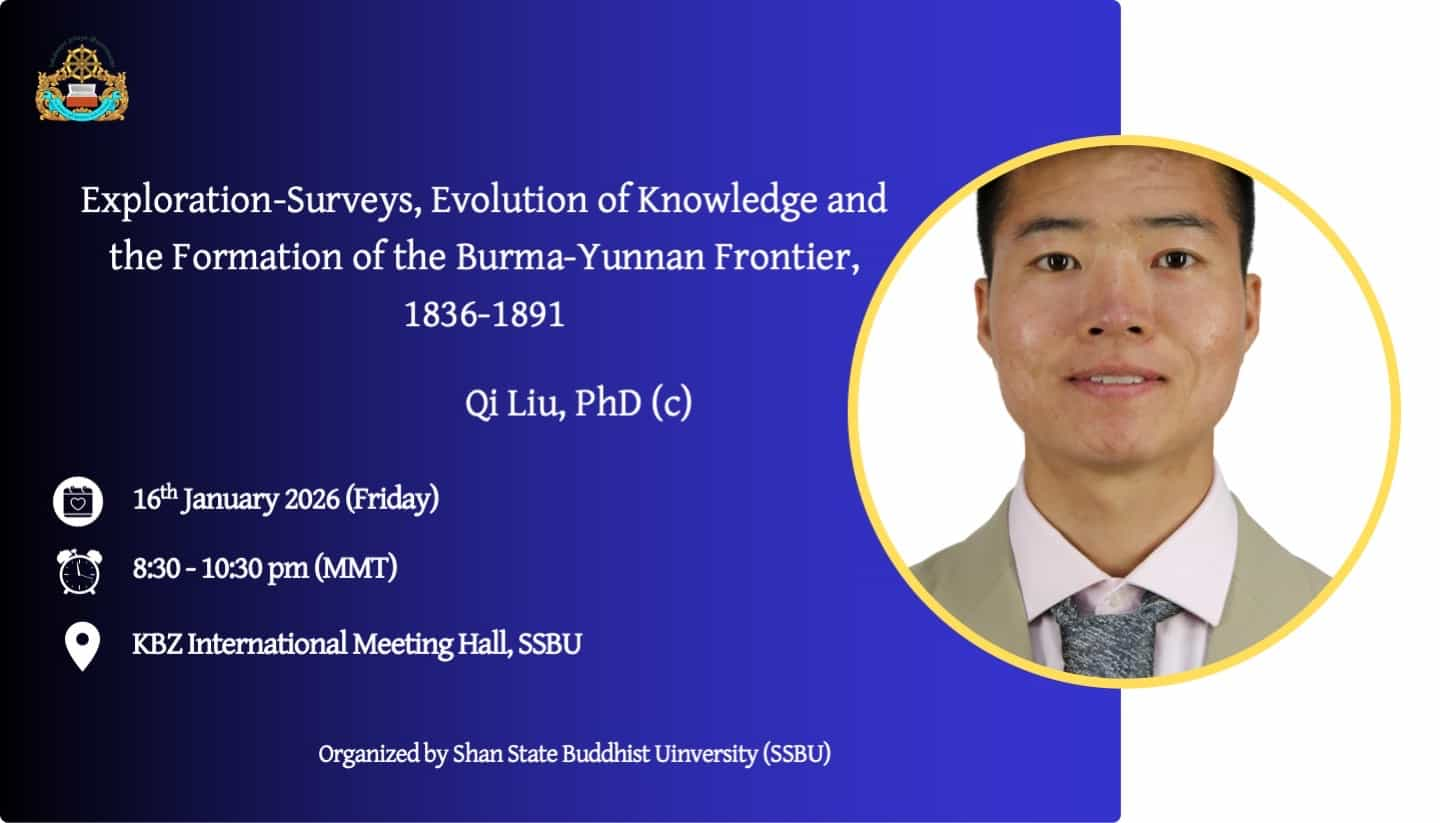
Shan State Buddhist University (SSBU) is proud to host a research seminar dedicated to historical inquiry and frontier formation in mainland Southeast Asia, featuring a lecture by Qi Liu (刘琪), PhD (c) of the Department of History, Xiamen University. The seminar forms part of SSBU’s continuing academic programme that promotes interdisciplinary research relevant to the historical, cultural, and political contexts of the region.
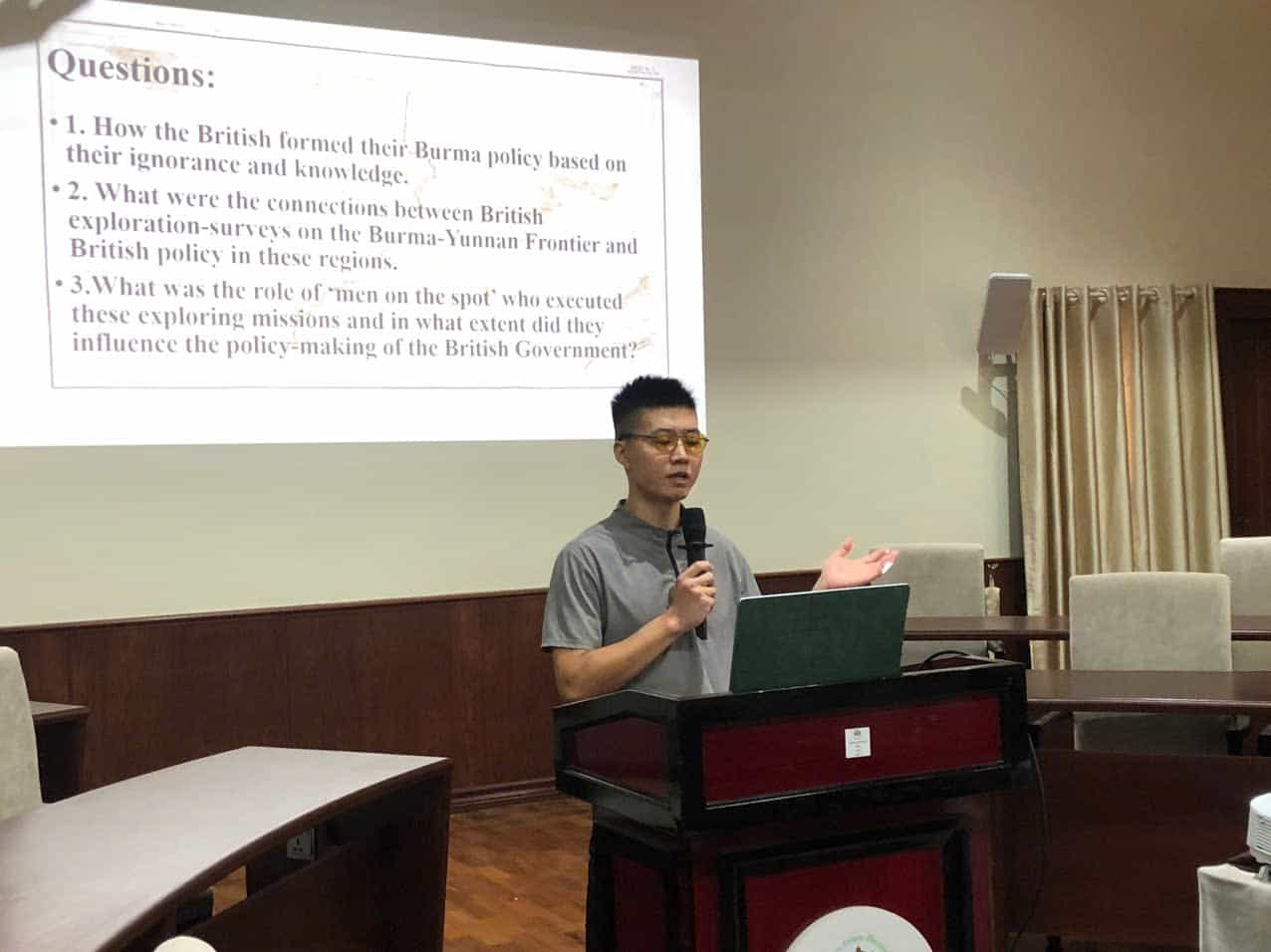
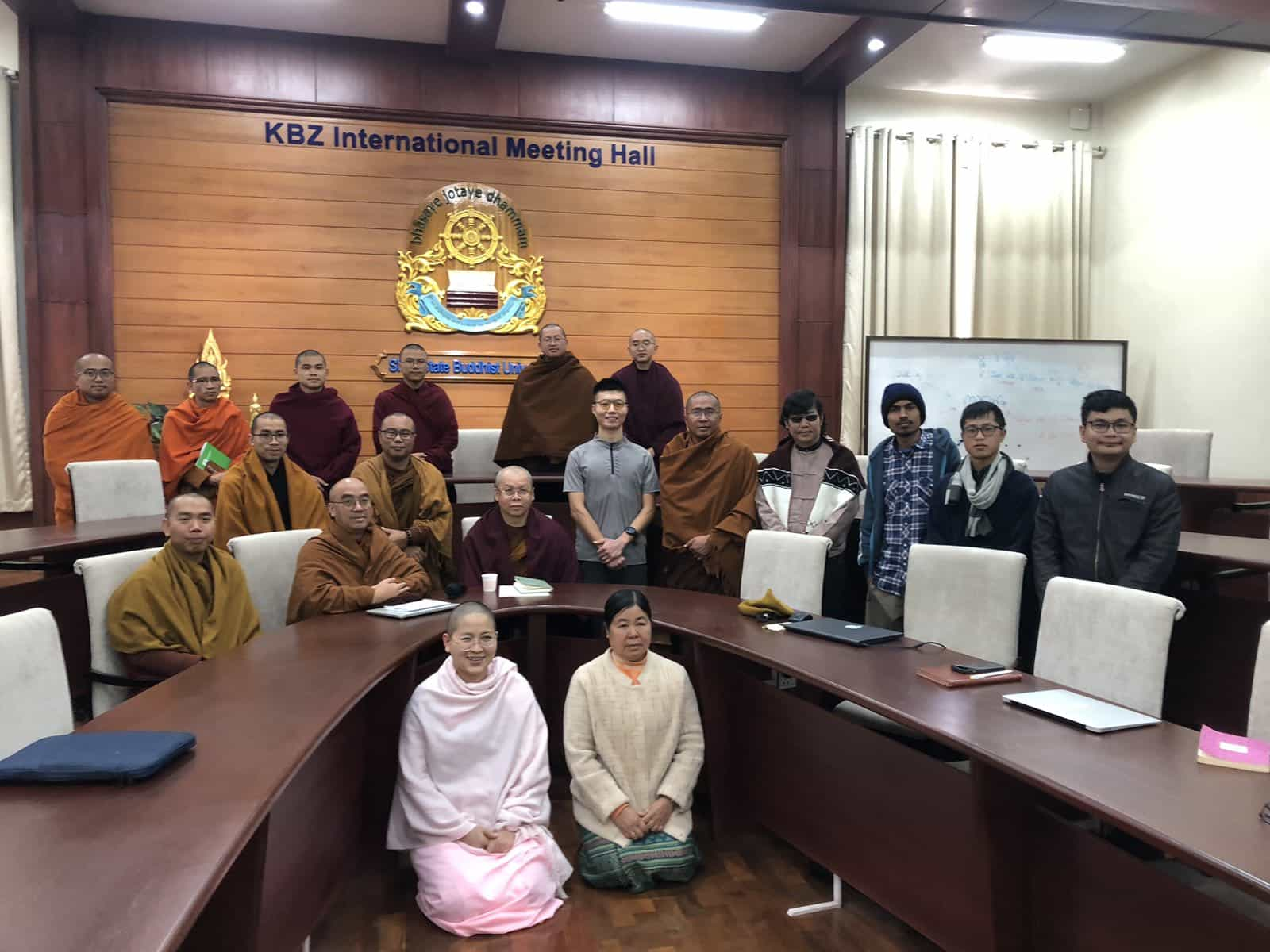
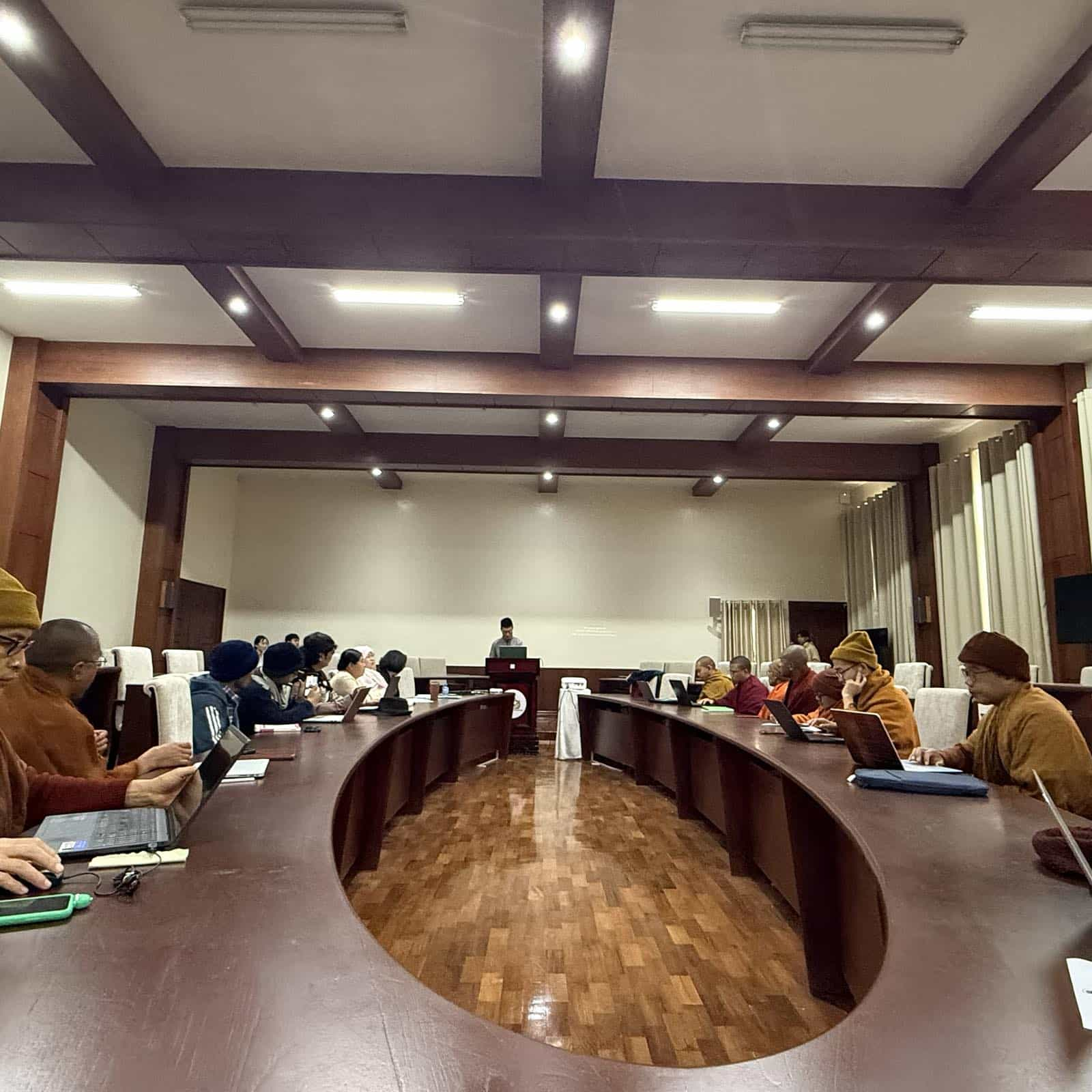
The research seminar was held from 8:30 to 10:30 a.m. on 16 January 2026 at the KBZ International Conference Hall, Shan State Buddhist University. Scholars, students, and interested participants were welcome to attend this academic exchange, which offers valuable insights into regional history and the historical foundations of contemporary borders.
The lecture, entitled “Exploration-Surveys, Evolution of Knowledge and the Formation of the Burma–Yunnan Frontier, 1836–1891,” examined the production of imperial knowledge and its role in shaping modern territorial boundaries. Drawing on archival sources and historical analysis, the presentation explores how information-gathering practices, particularly surveys and exploratory missions, became instrumental to colonial governance in the late nineteenth century.
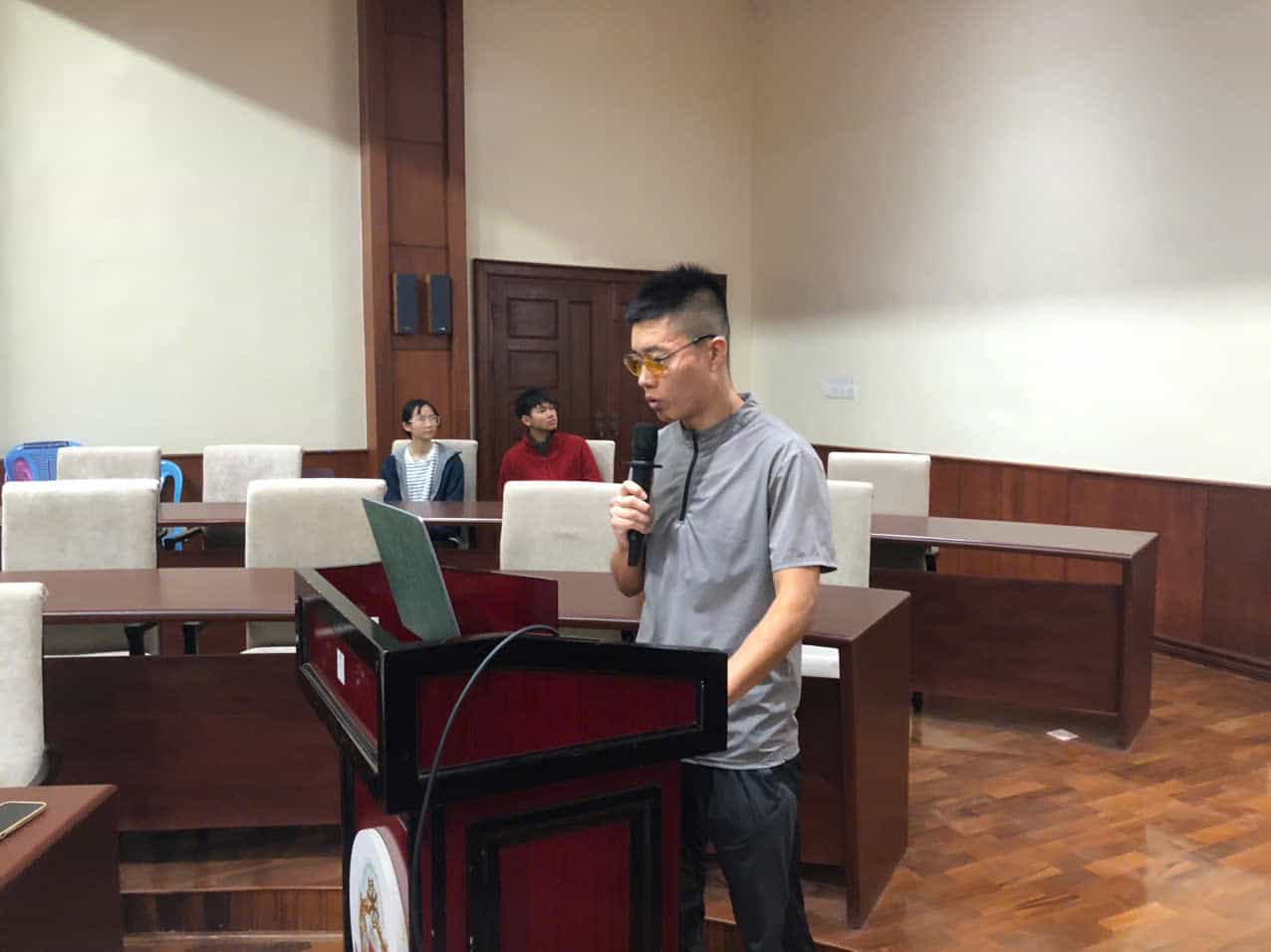
Qi Liu’s doctoral research focuses on China’s engagement with Britain, France, and Siam in mainland Southeast Asia during the late nineteenth and early twentieth centuries, with particular attention to the emergence of the modern Burma–Yunnan frontier. His work situates frontier, making within broader processes of imperial competition, diplomacy, and local administration, offering a nuanced perspective on how borders were imagined, negotiated, and imposed.
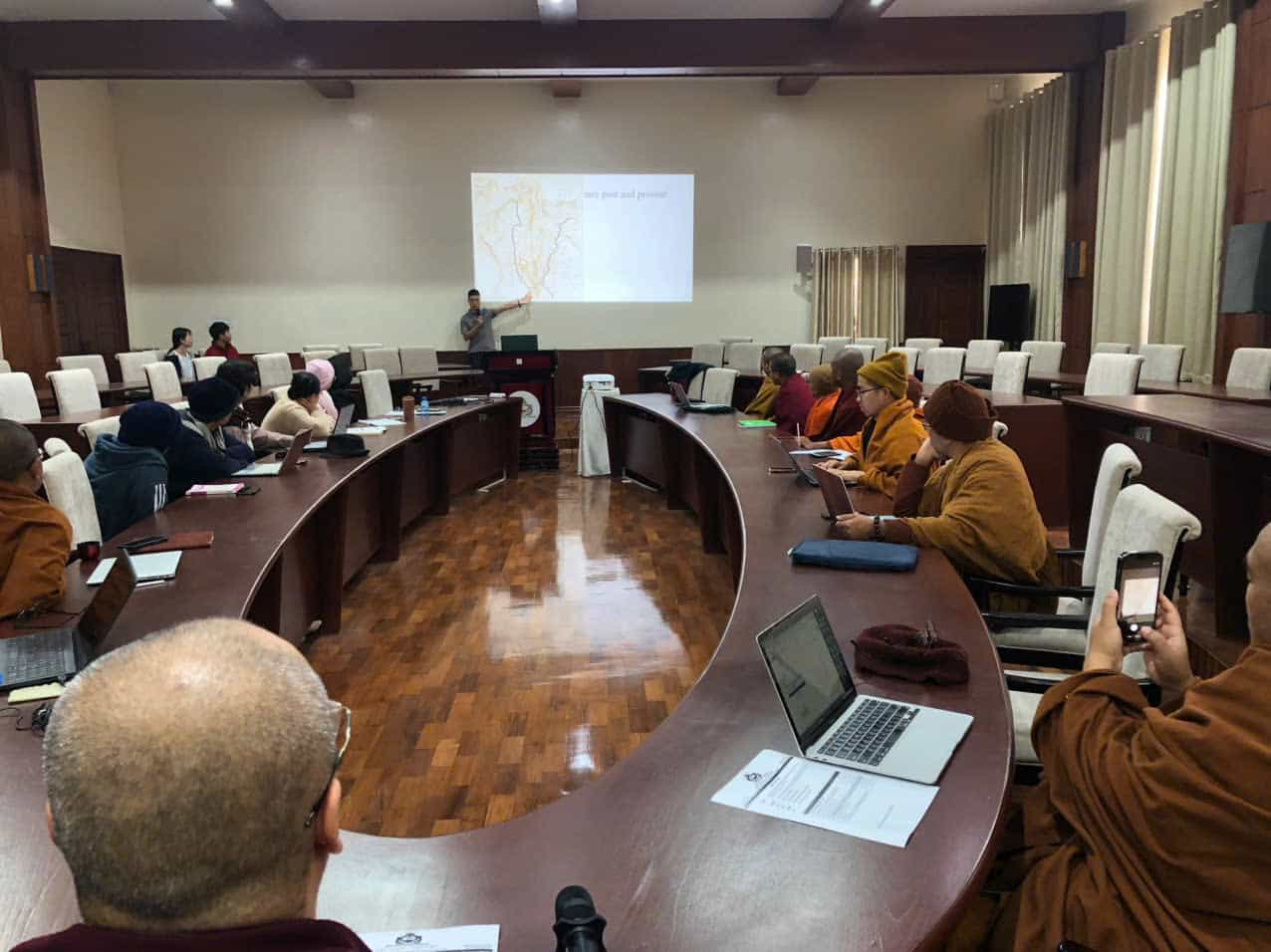
The lecture centered on the period following the British annexation of Upper Burma, when the colonial administration faced significant challenges in defining its eastern boundary with China. Owing to the lack of reliable geographical and ethnographic information, the Government of India dispatched two exploration and survey missions in late 1890.
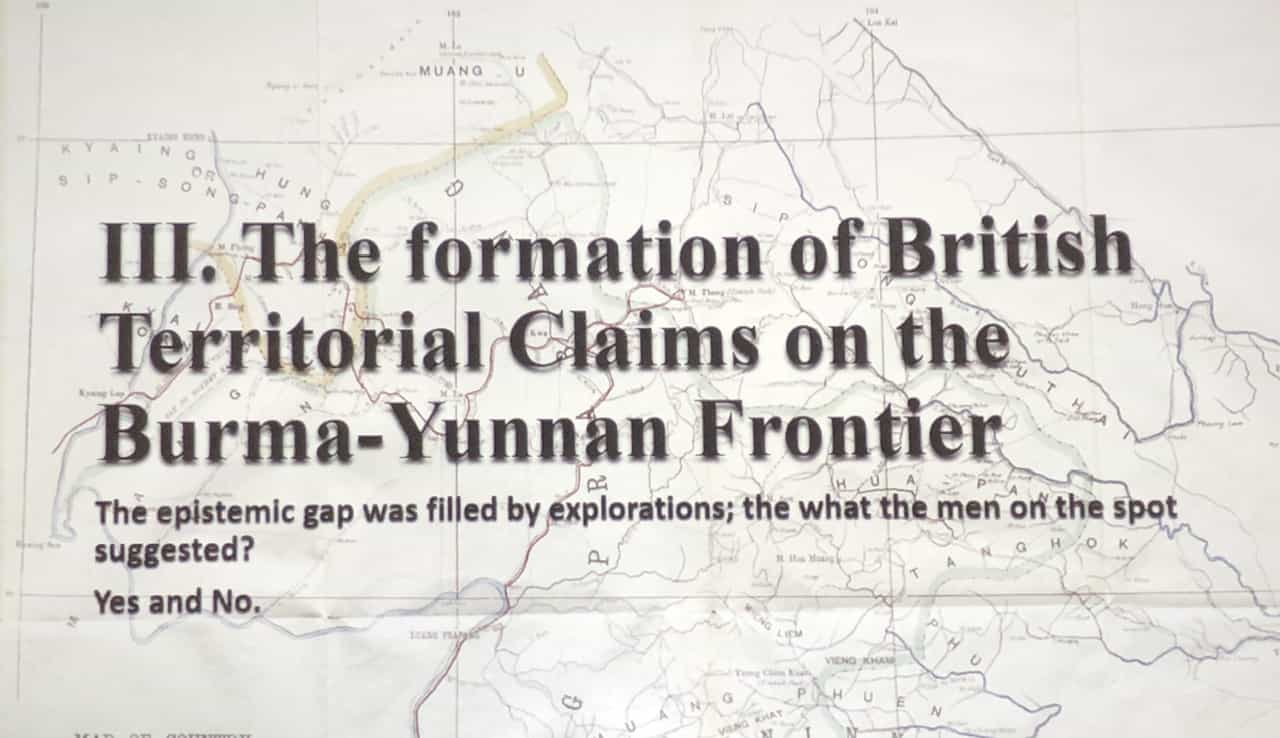
One party, led by Lieutenant L. E. Eliott, explored the Kachin Hills, while another, headed by Lieutenant Hugh Daly with William Warry, surveyed the Shan States bordering China. The knowledge produced by these expeditions informed competing proposals for frontier demarcation and future policy.
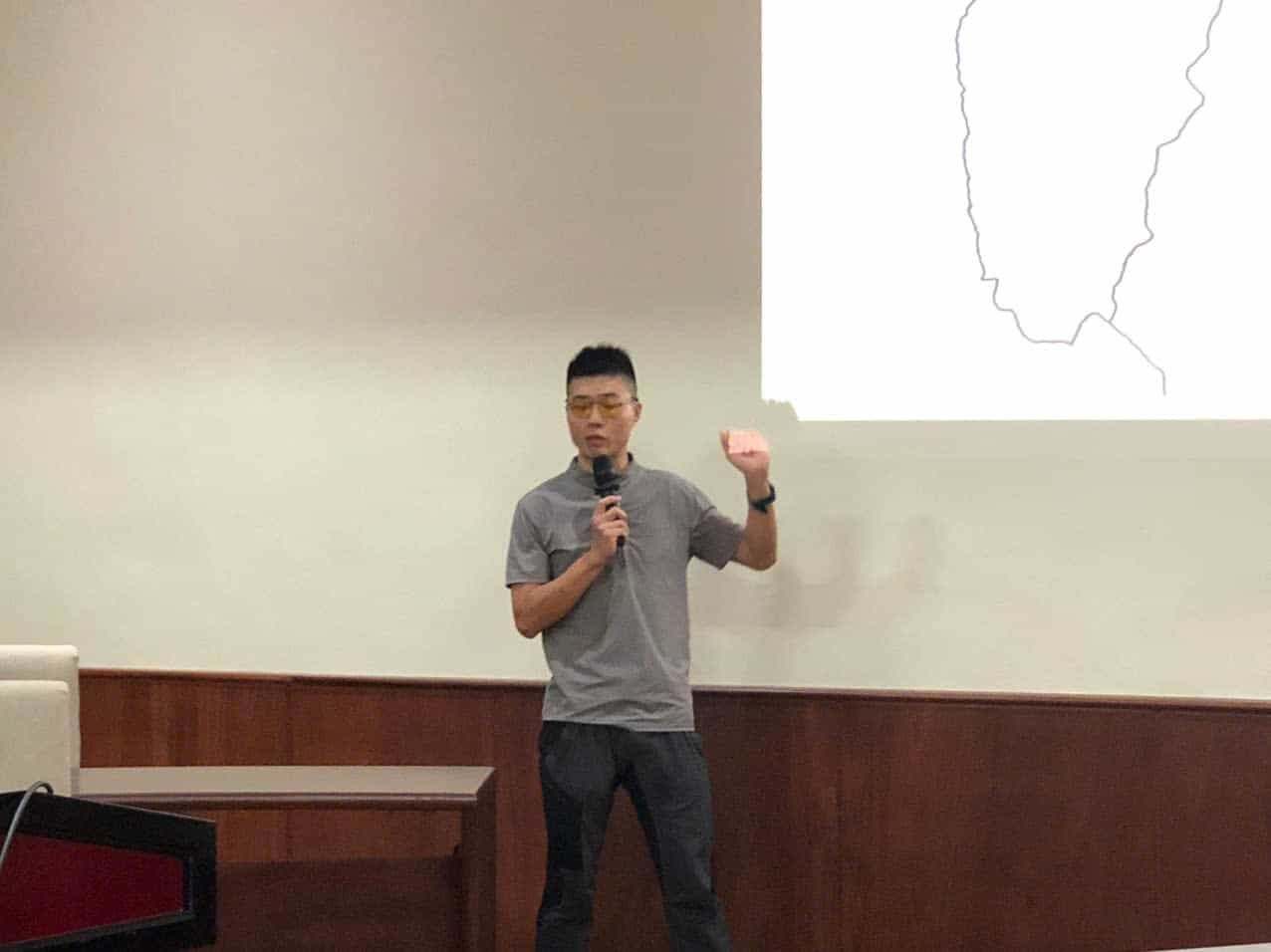
The seminar highlighted the contrasting responses of British authorities to the recommendations submitted by these explorers.
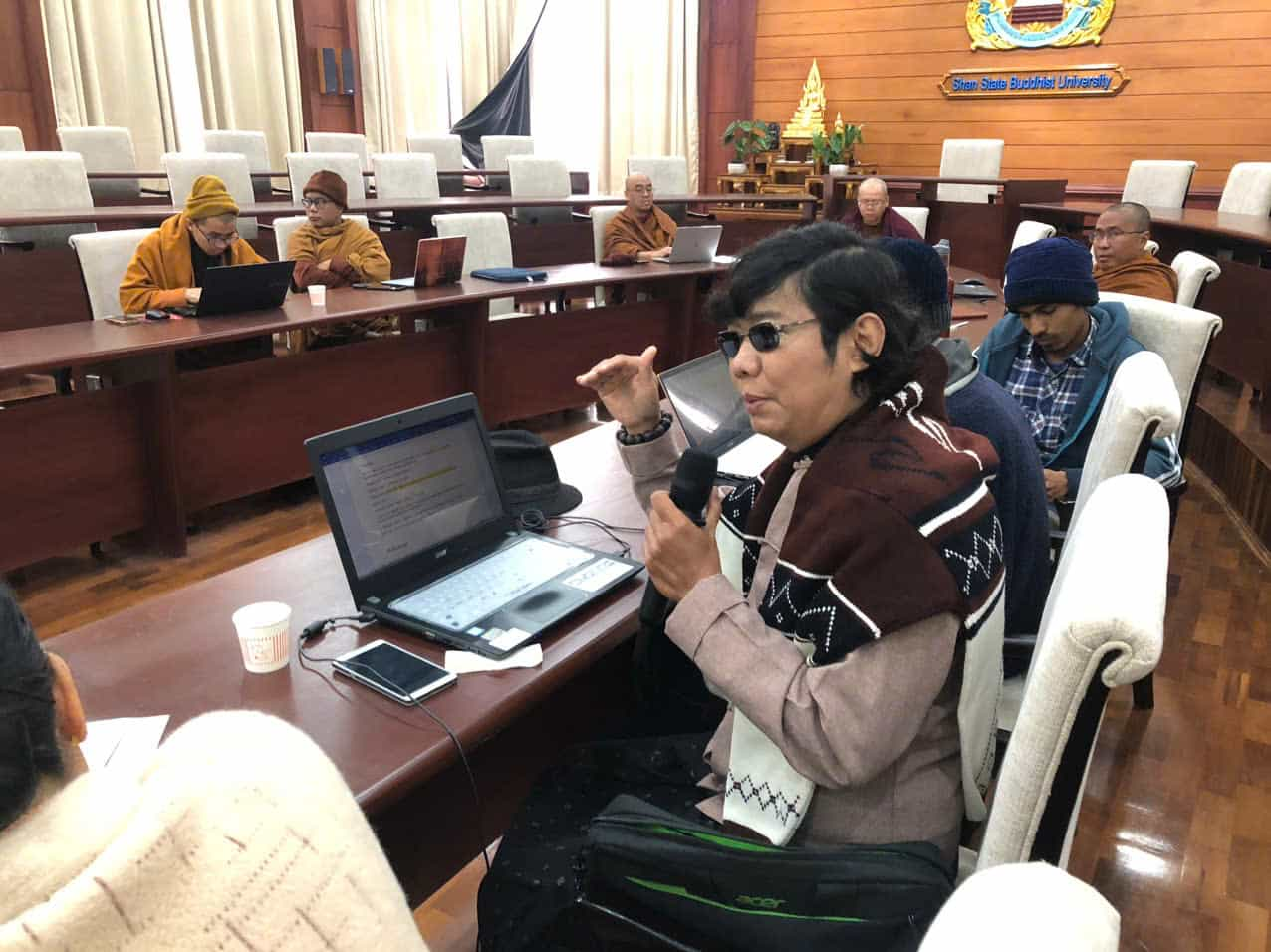
While the proposals emerging from the Kachin Hills were largely adopted, facilitating an expansion of British influence and intensifying rivalry with China, the advice offered regarding the Shan States, particularly the suggestion of the Mekong River as a boundary, was ultimately rejected. This divergence illustrated the limits of local expertise and the extent to which imperial decision-making was shaped by wider strategic concerns, including relations with French colonial interests.
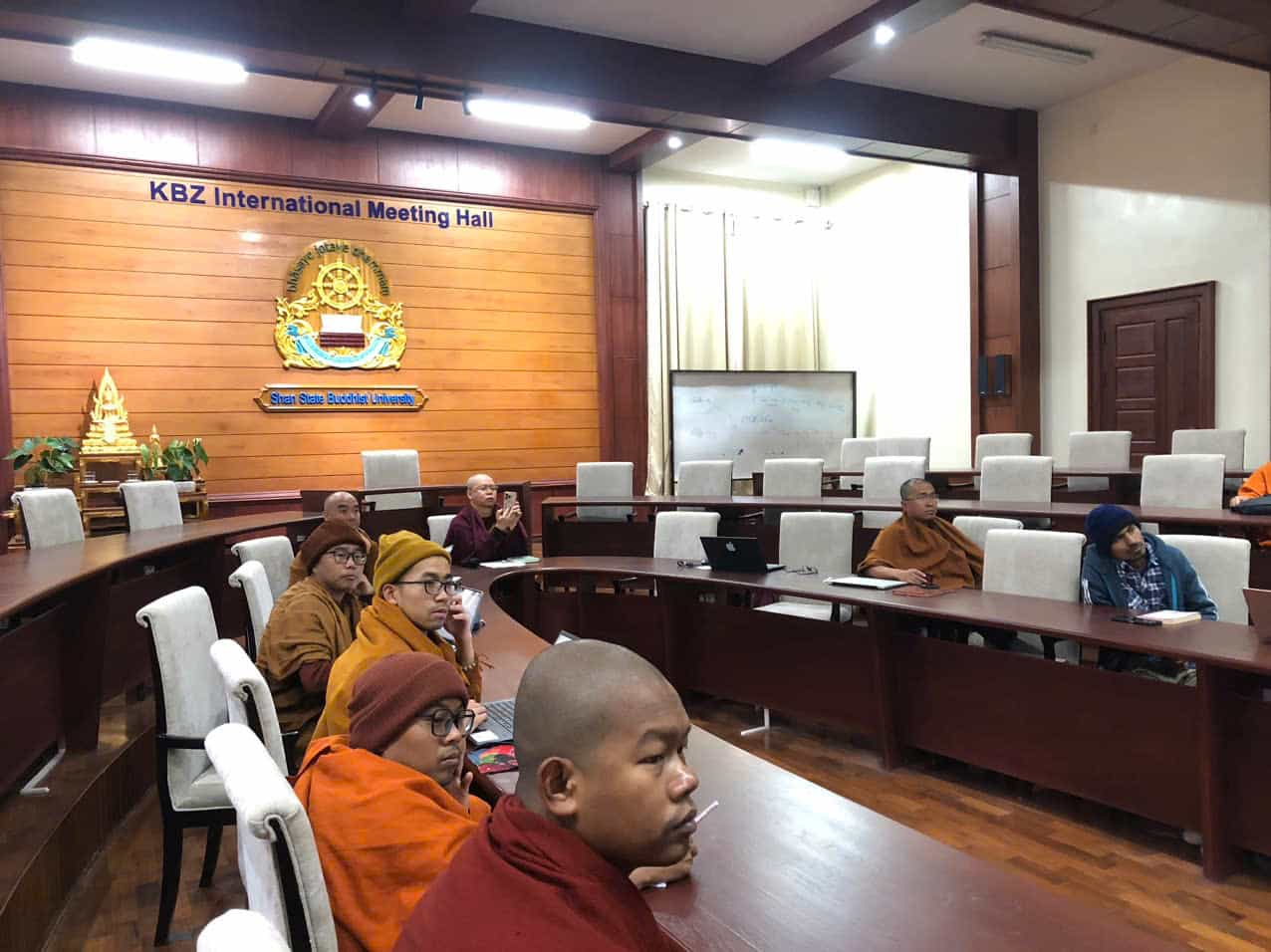
By examining these cases comparatively, the lecture shed light on the differentiated nature of British frontier policy along the Burma–Yunnan border. It also contributed to broader discussions on empire, knowledge production, and the authority of “men on the spot” within colonial administrations.