

Research Seminar at Shan State Buddhist University
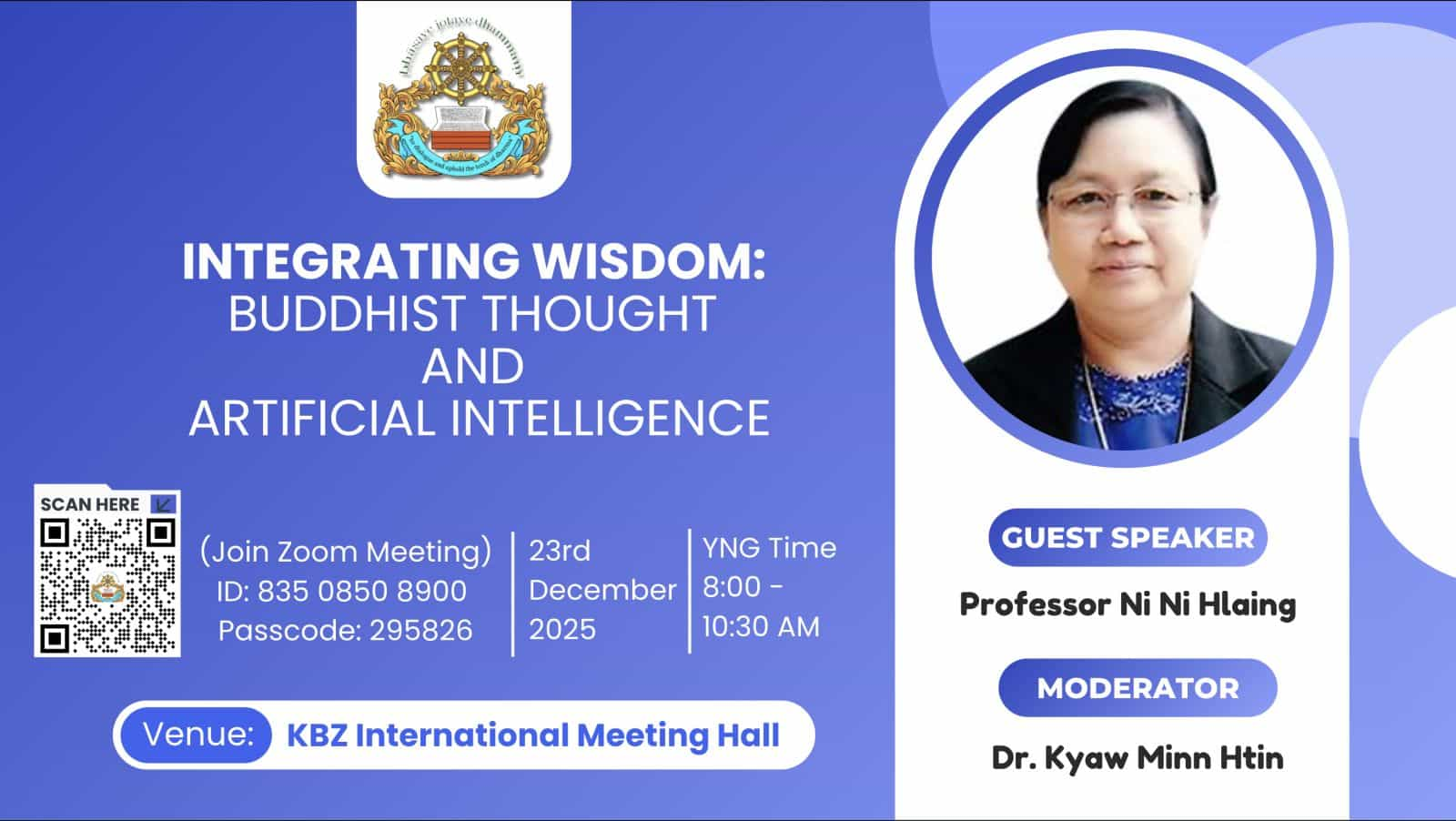
Integrating Wisdom: Buddhist Thought and Artificial Intelligence
23 December 2025
KBZ International Meeting Hall
8:00 - 10:00 am
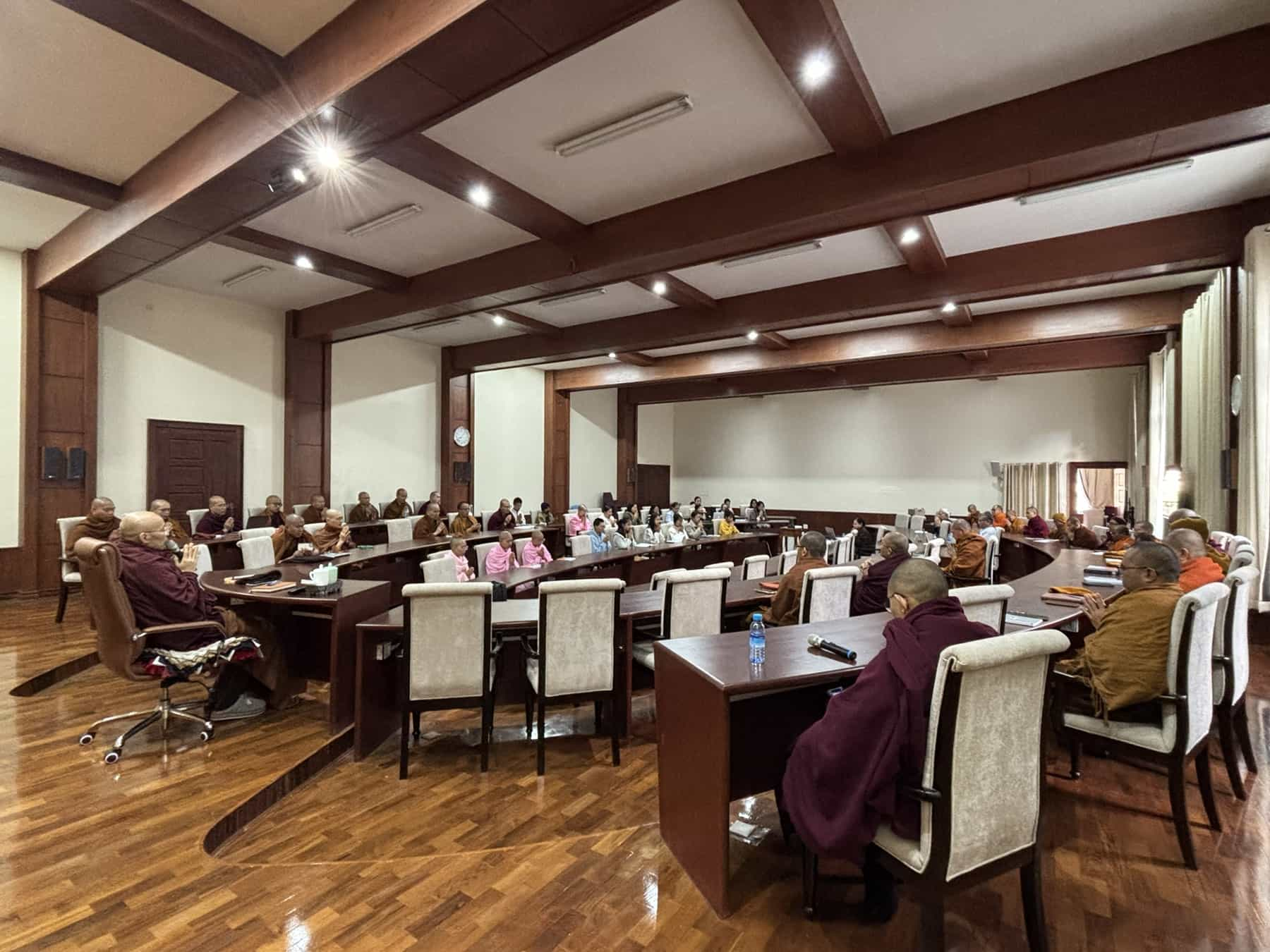
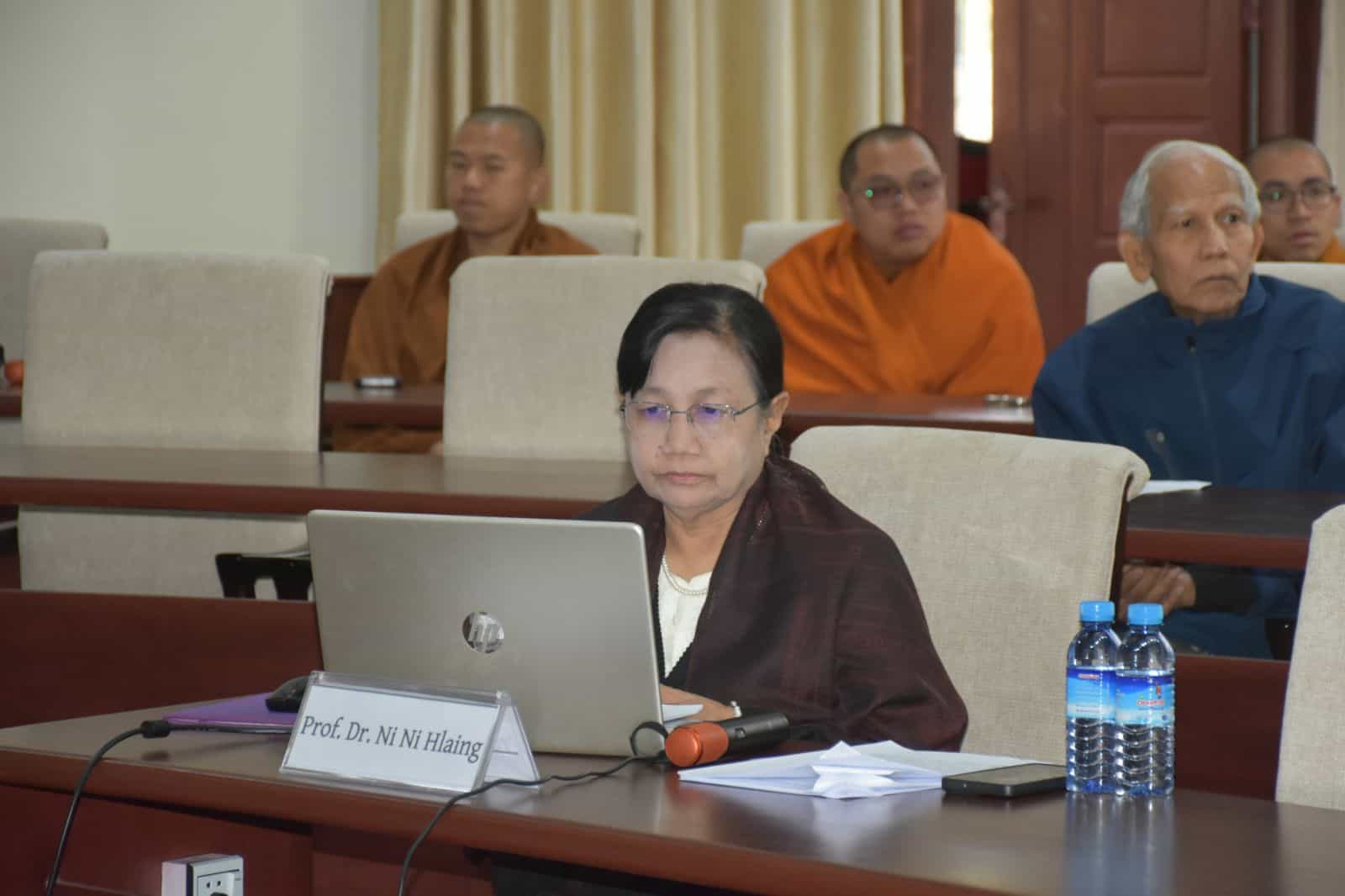
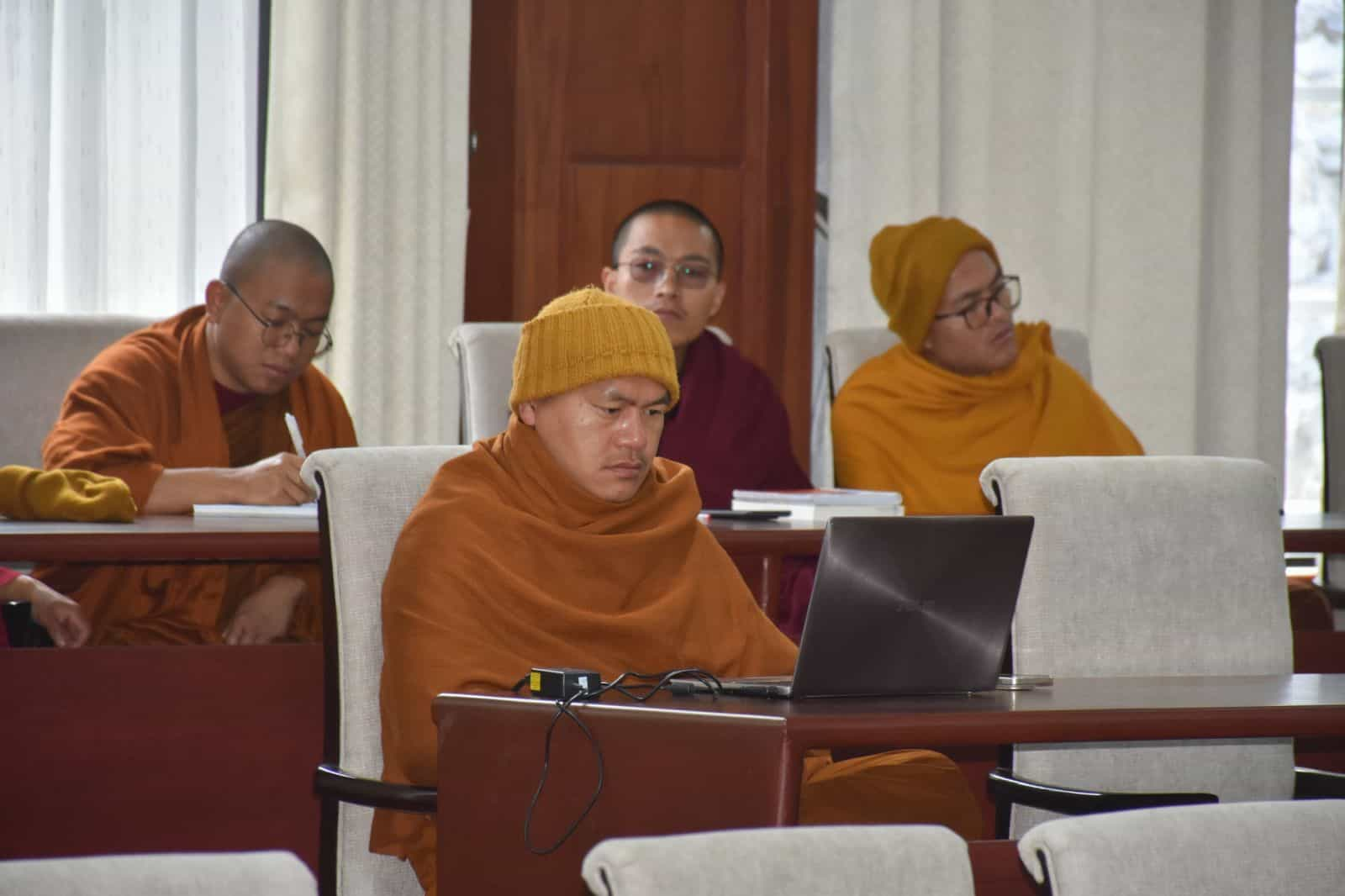
Shan State Buddhist University (SSBU) hosted a Research Seminar by Professor Ni Ni Hlaing on Tuesday, 23 December 2025, addressing the theme “Integrating Wisdom: Buddhist Thought and Artificial Intelligence.” The seminar brings into dialogue classical Buddhist perspectives on wisdom, ethics, and liberation with contemporary developments in artificial intelligence (AI), offering a reflective and interdisciplinary examination of technology in relation to human values and social responsibility.
The seminar is structured into five interrelated parts.
Part One, Artificial Intelligence and Sustainable Transformation, introduces AI as a transformative force shaping contemporary societies and considers how Buddhist principles of moderation, interdependence (paṭiccasamuppāda), and right intention may inform sustainable technological development. This section lays the conceptual foundation for examining AI beyond efficiency and productivity, emphasizing ethical purpose and long-term well-being.
Part Two, AI for Environmental Sustainability, explores the application of AI in addressing ecological challenges, such as climate change and resource management. Drawing on Buddhist teachings on non-harming (ahiṃsā) and respect for all forms of life, the discussion highlights how technological innovation can be aligned with environmental responsibility and compassion for future generations.
Part Three, Social and Ethical Dimensions of AI, examines the moral implications of AI in areas such as decision-making, equity, and human dignity. This section engages Buddhist ethical frameworks, including sīla (moral conduct) and paññā (wisdom), to assess issues of accountability, bias, and the impact of automation on human relationships and social cohesion.
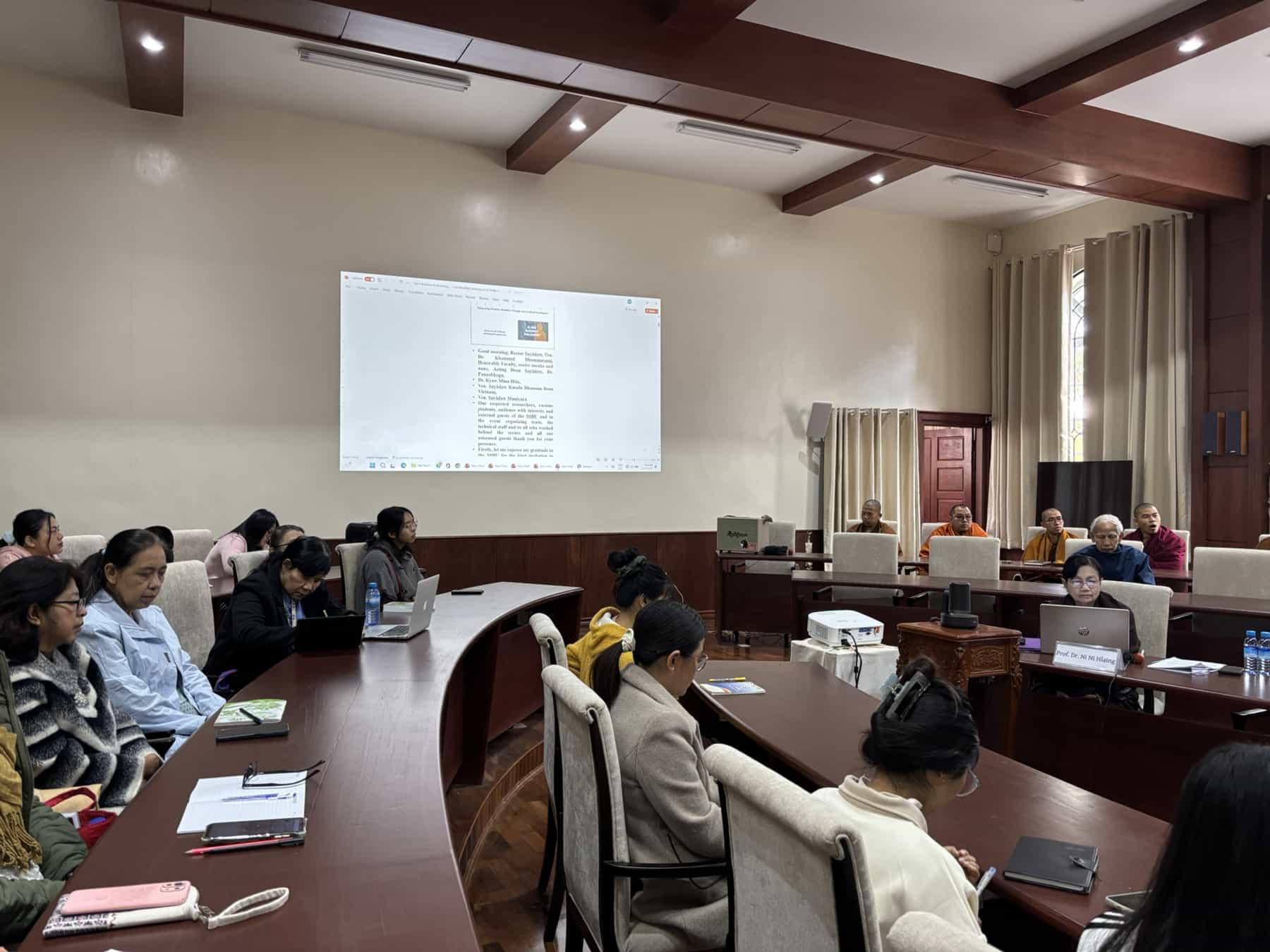
Part Four, AI in Economic Transformation, considers the role of AI in reshaping economies and labor systems. The analysis reflects on Buddhist views of right livelihood (sammā-ājīva) and economic sufficiency, questioning how technological advancement can support inclusive growth while avoiding exploitation and excessive materialism.
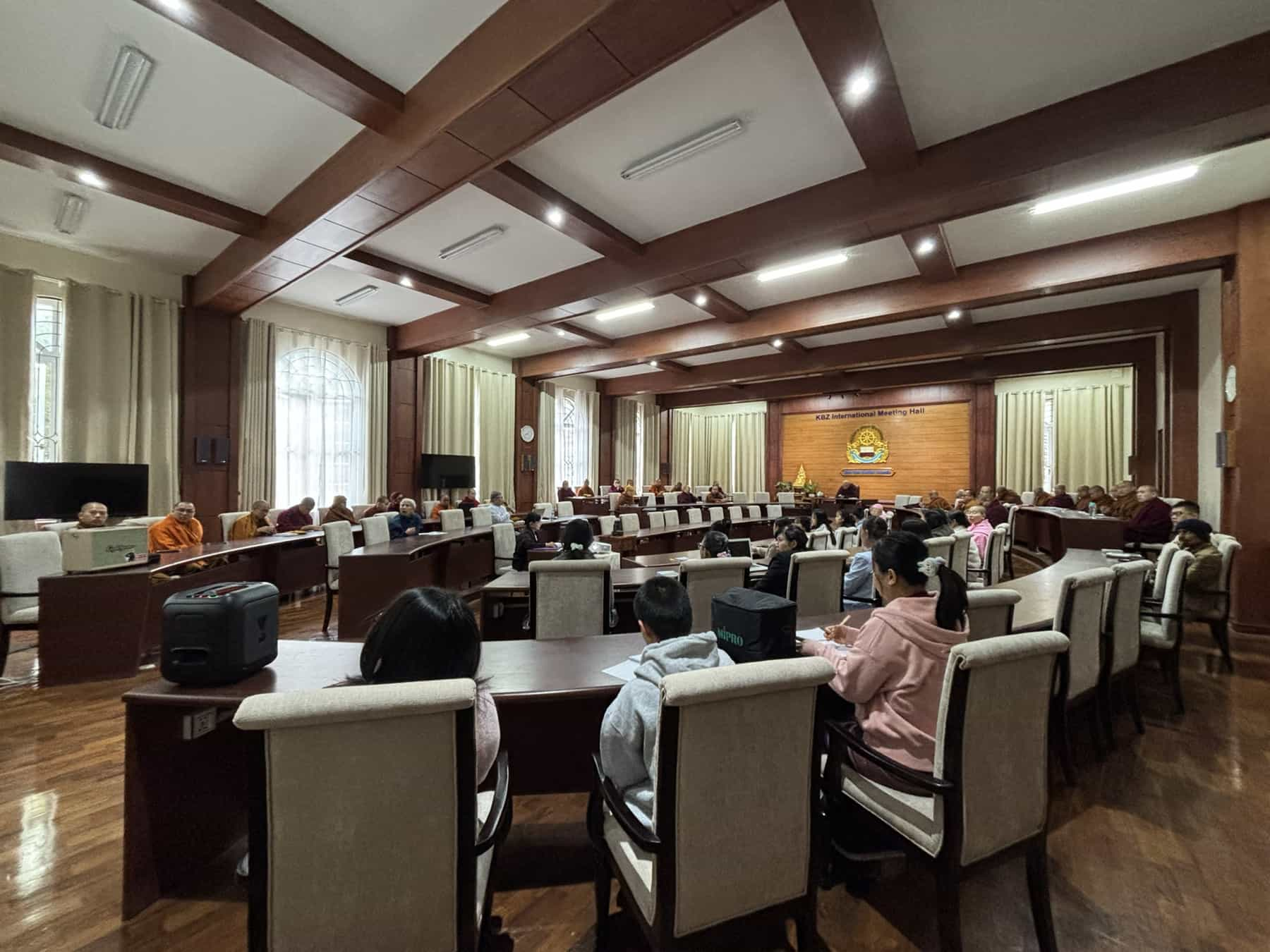
Part Five, AI and Enlightenment, offers a contemplative reflection on the limits of artificial intelligence in relation to human consciousness and liberation. While AI may replicate certain cognitive functions, this section emphasizes that enlightenment, as understood in Buddhism, arises from direct insight into reality through ethical living, mental cultivation, and wisdom, rather than from computational intelligence.
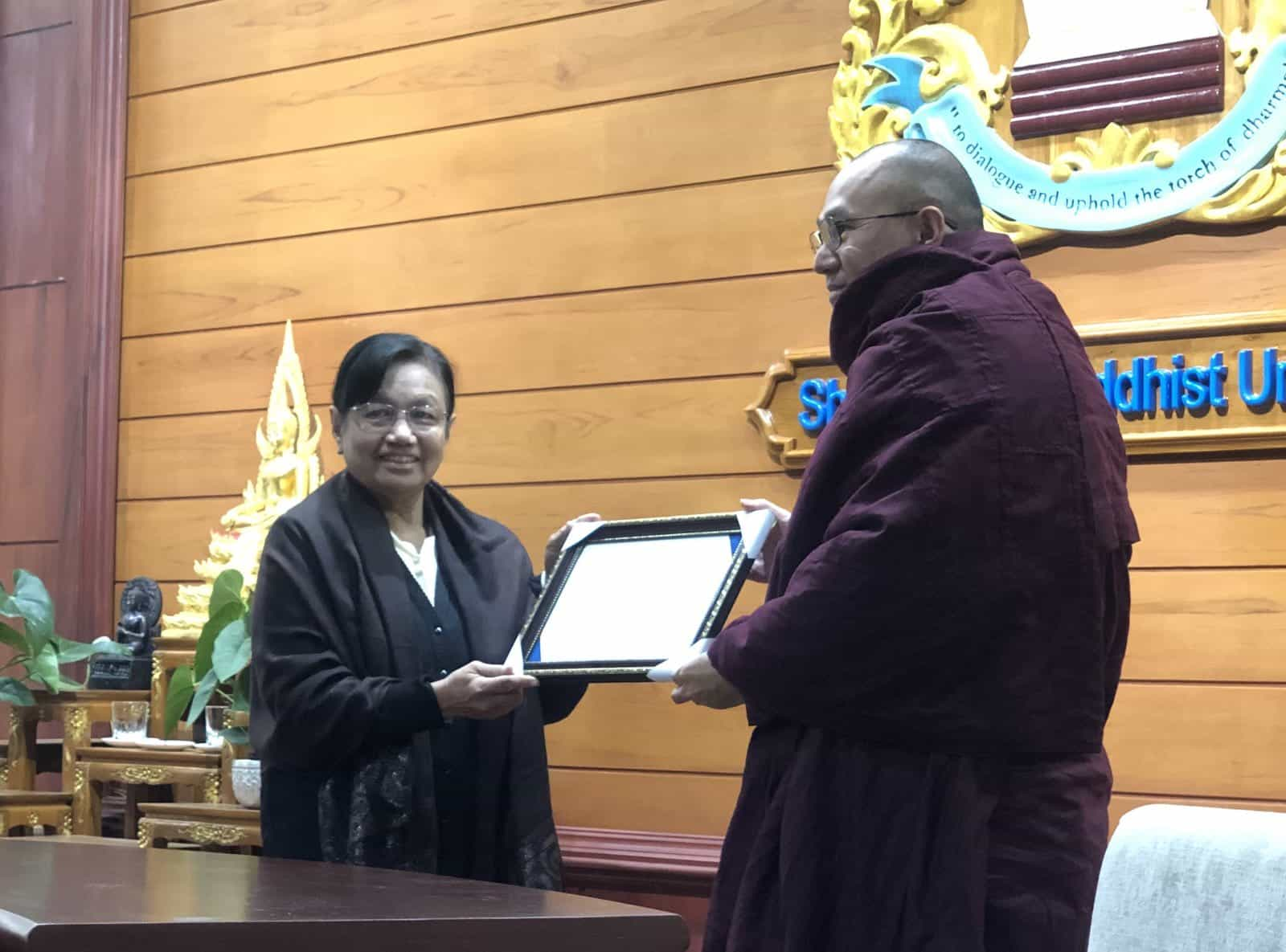
Professor Ni Ni Hlaing brings extensive academic and professional experience to this seminar. She began her teaching career in 1981 at the University of Economics, Yangon, and served in higher education until her retirement in 2019 from the Department of English at Mandalay University of Distance Education. Since then, she has continued her scholarly engagement through research, mentoring, and academic counseling. Her contributions include numerous national and international publications, conference presentations, and supervision of doctoral scholars. She has also served as an international resource speaker across Asia and Europe and is currently a Visiting Professor at Buriram Rajabhat University, Thailand.
This seminar contributes to SSBU’s ongoing commitment to interdisciplinary research that integrates Buddhist wisdom with contemporary global challenges, encouraging thoughtful engagement between tradition and modernity.
Seminar Moderator: Dr. Kyaw Minn Htin
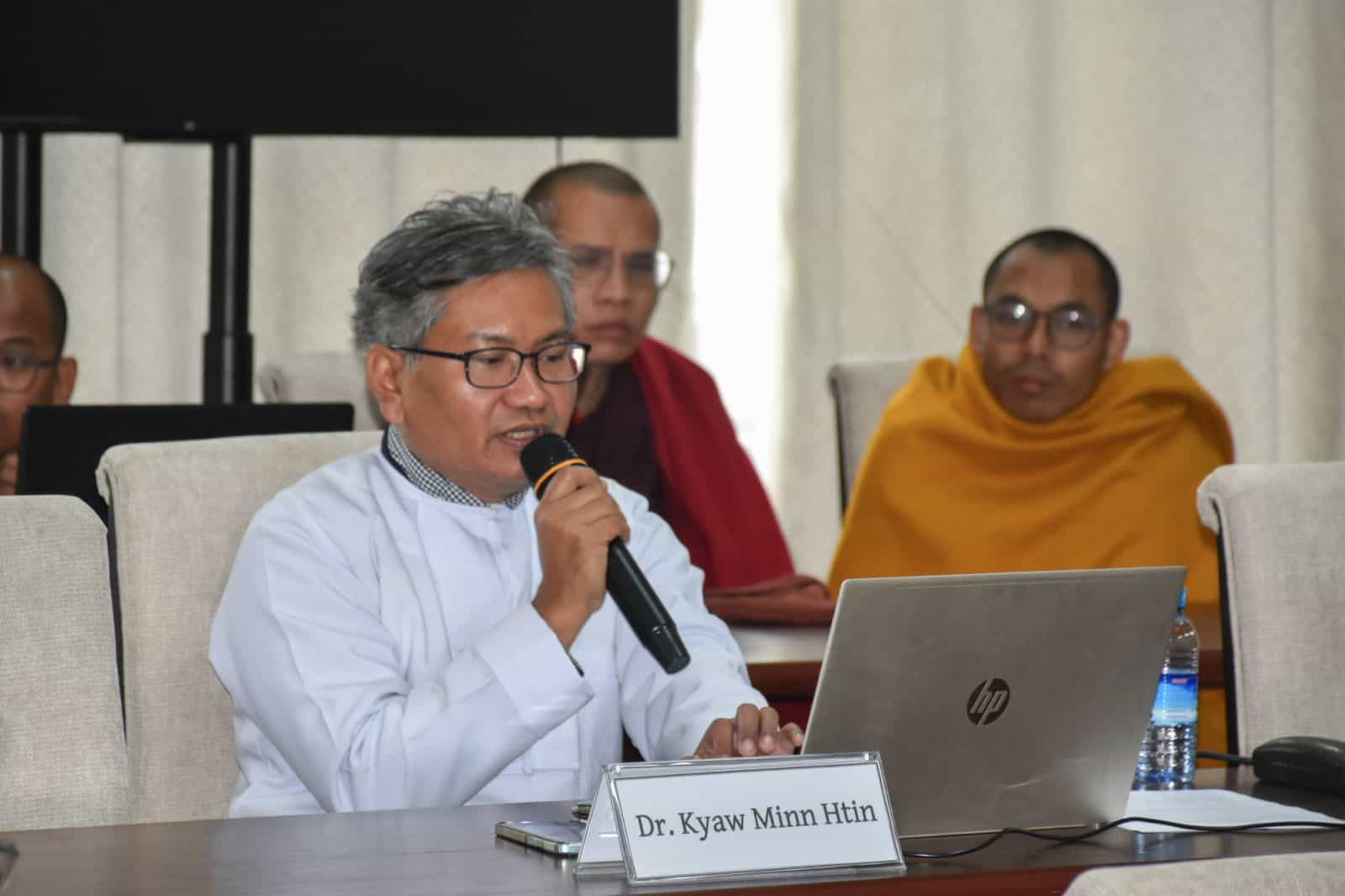
Dr. Kyaw Minn Htin (ၸၢႆး ၵျေႃႇမိၼ်းထိၼ်ႇ) is a faculty member in the Academic Division, Department of Buddhist Sociology and Anthropology, at Shan State Buddhist University (SSBU). He holds a PhD from the National University of Singapore, a Postgraduate Diploma (Master’s equivalent) from SOAS University of London, and MA, MRes degrees from Yangon University, in addition to a Bachelor of Engineering from Yangon Technological University.
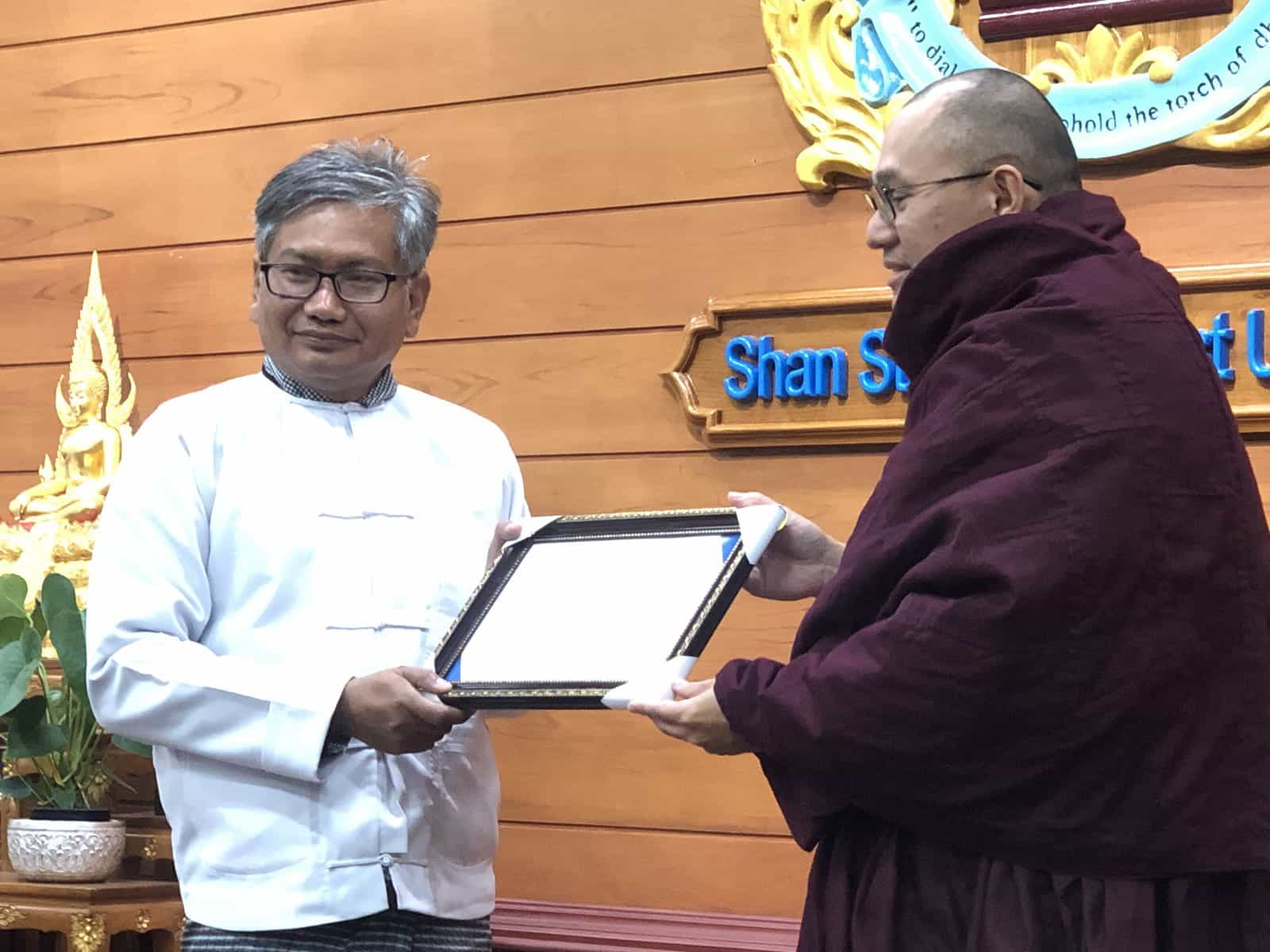
His earlier research focused on identity formation, competing nationalisms, and citizenship issues among minority communities in the transborder regions of western Myanmar and southeastern Bangladesh. Building on this foundation, his current scholarship explores Buddhist identity and its intersections with society and politics in Myanmar, with particular attention to ethnic and religious identity formation within complex sociopolitical contexts.
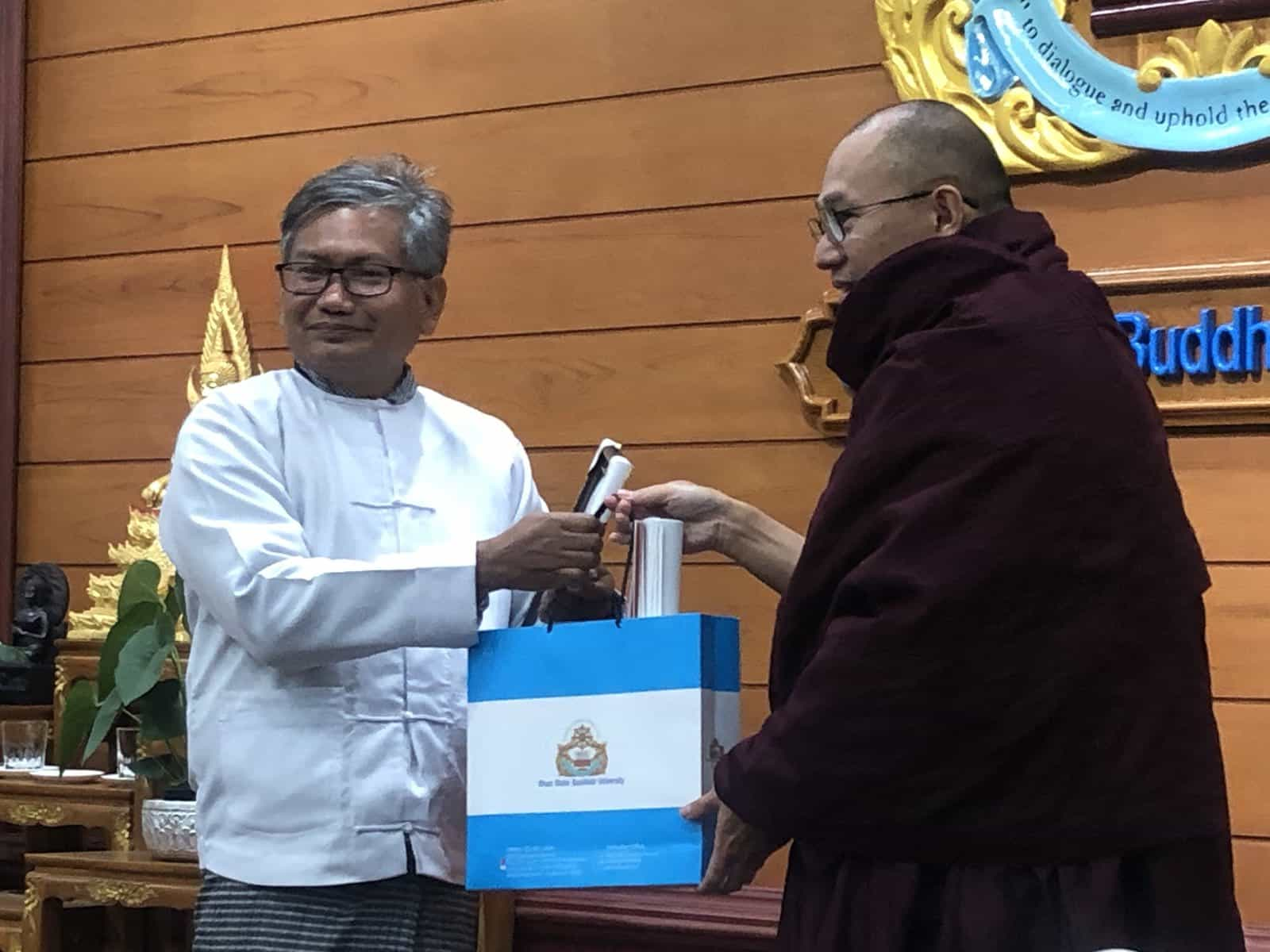
Dr. Kyaw Minn Htin also conducts research on Buddhist art, epigraphy, archaeology, and historical memory in Myanmar, incorporating comparative perspectives from South and Southeast Asia. His interdisciplinary approach contributes to a nuanced understanding of Buddhism as both a religious tradition and a lived social practice in the region.