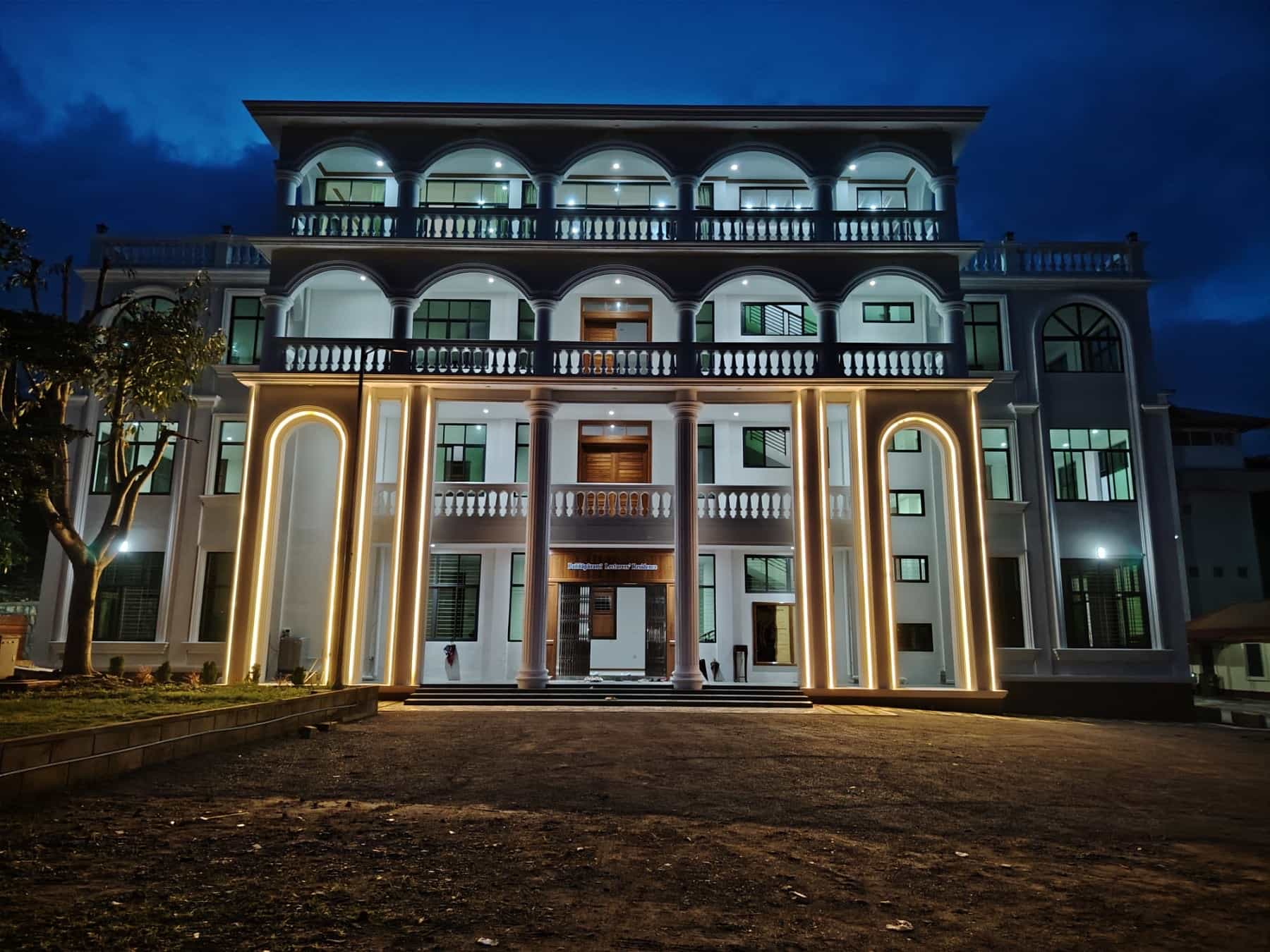
Water-Pouring Ceremony Marks the Donation of the Paññāpāramī Lecturer’s Residence and Mytel BTS Station
Shan State Buddhist University, Taunggyi
Date: 12 July 2026 (Sunday)
Traditional Date: 13th Waning of First Waso, 1388 M.E.
Venue: Paññāpāramī Lecturer’s Residence, Shan State Buddhist University, Taunggyi
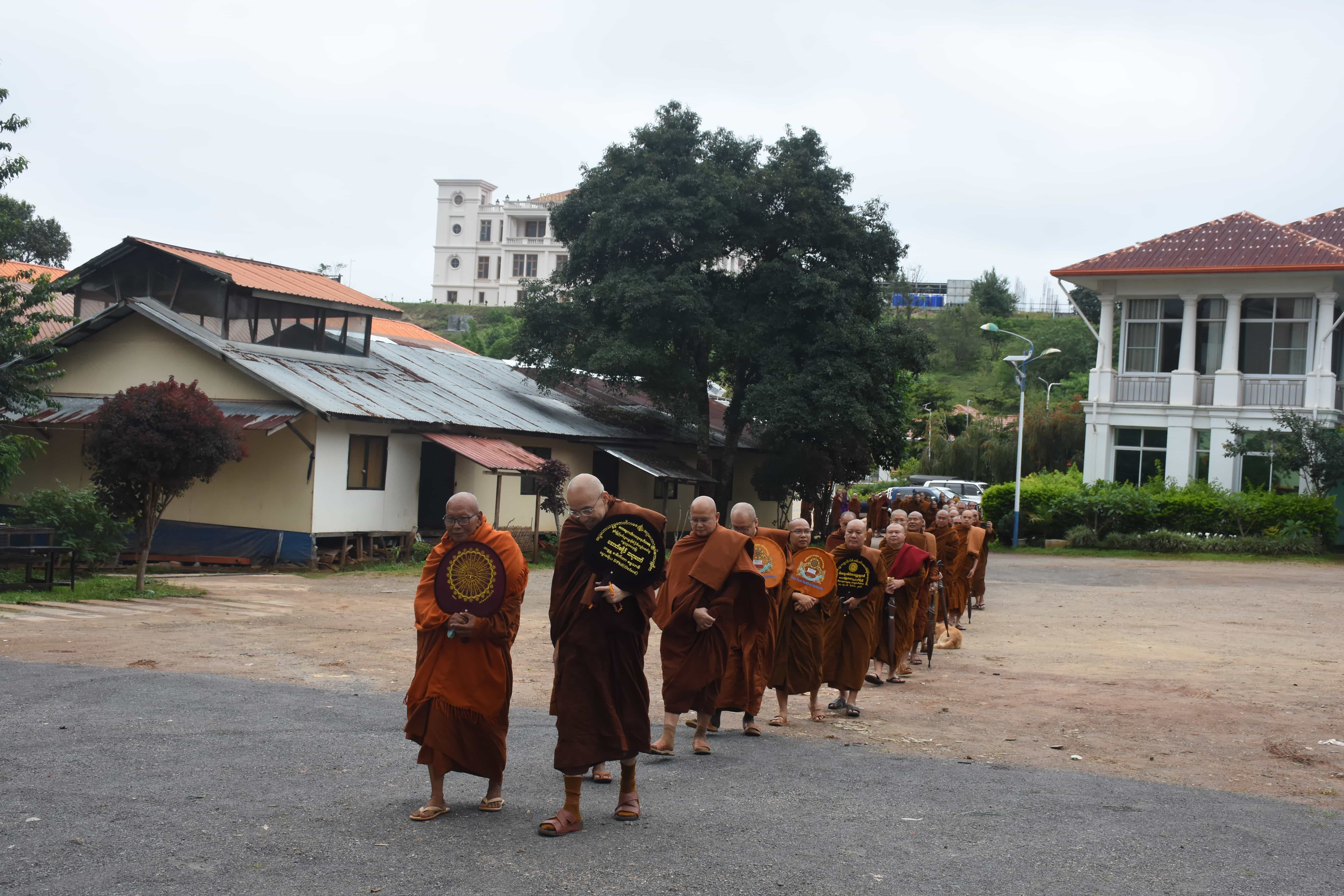
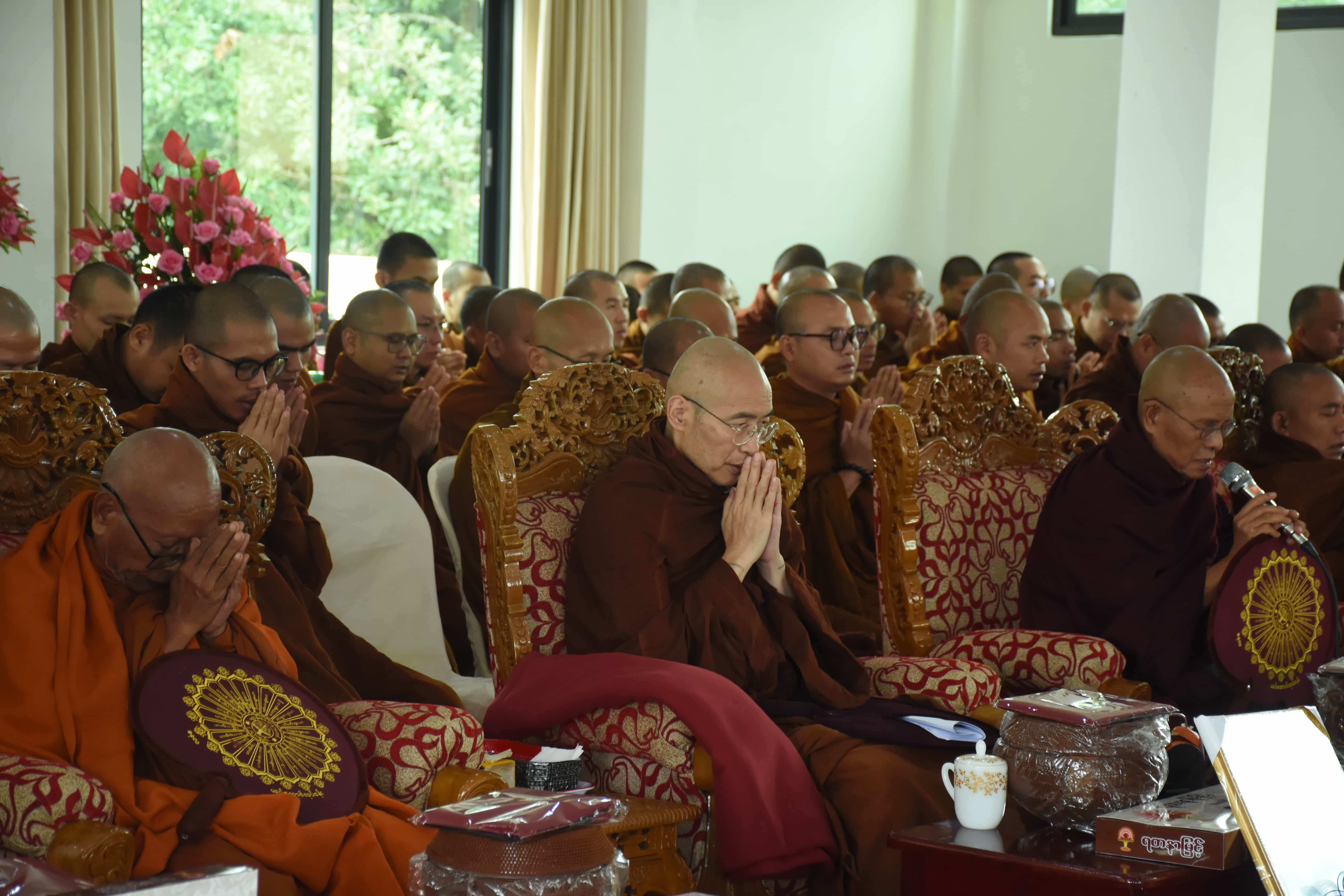
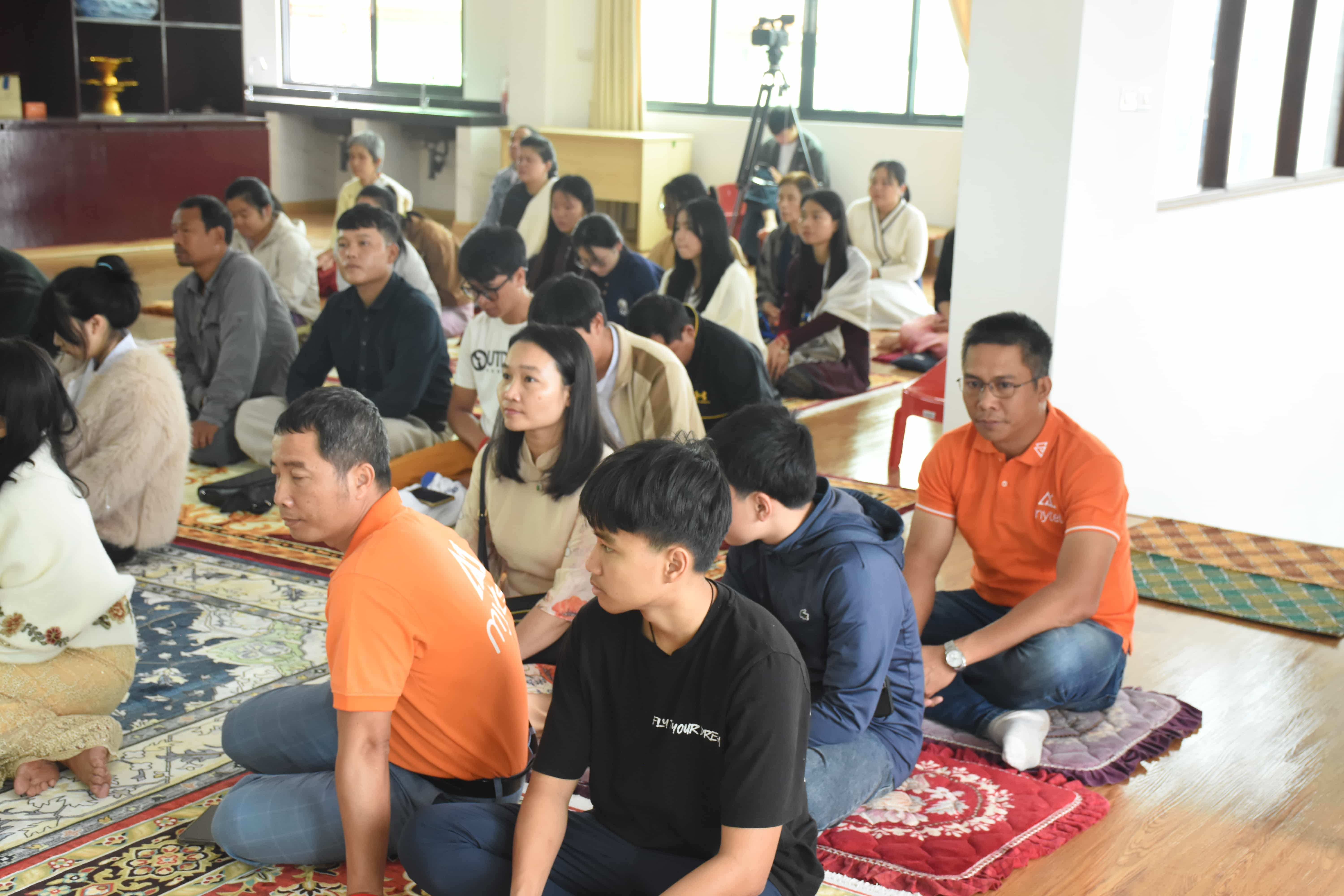
Shan State Buddhist University (SSBU) held a Water-Pouring Ceremony to commemorate the donation of the newly completed Paññāpāramī Lecturer’s Residence and the Mytel BTS Station on Sunday, 12 July 2026 (13th Waning of First Waso, 1388 M.E.). The ceremony was conducted under the guidance of the Most Venerable Professor Dr. Khammai Dhammasāmi (Oxford Sayadaw), Founder and Rector of Shan State Buddhist University, bringing together members of the Saṅgha, university leaders, benefactors, alumni, students, and lay devotees.
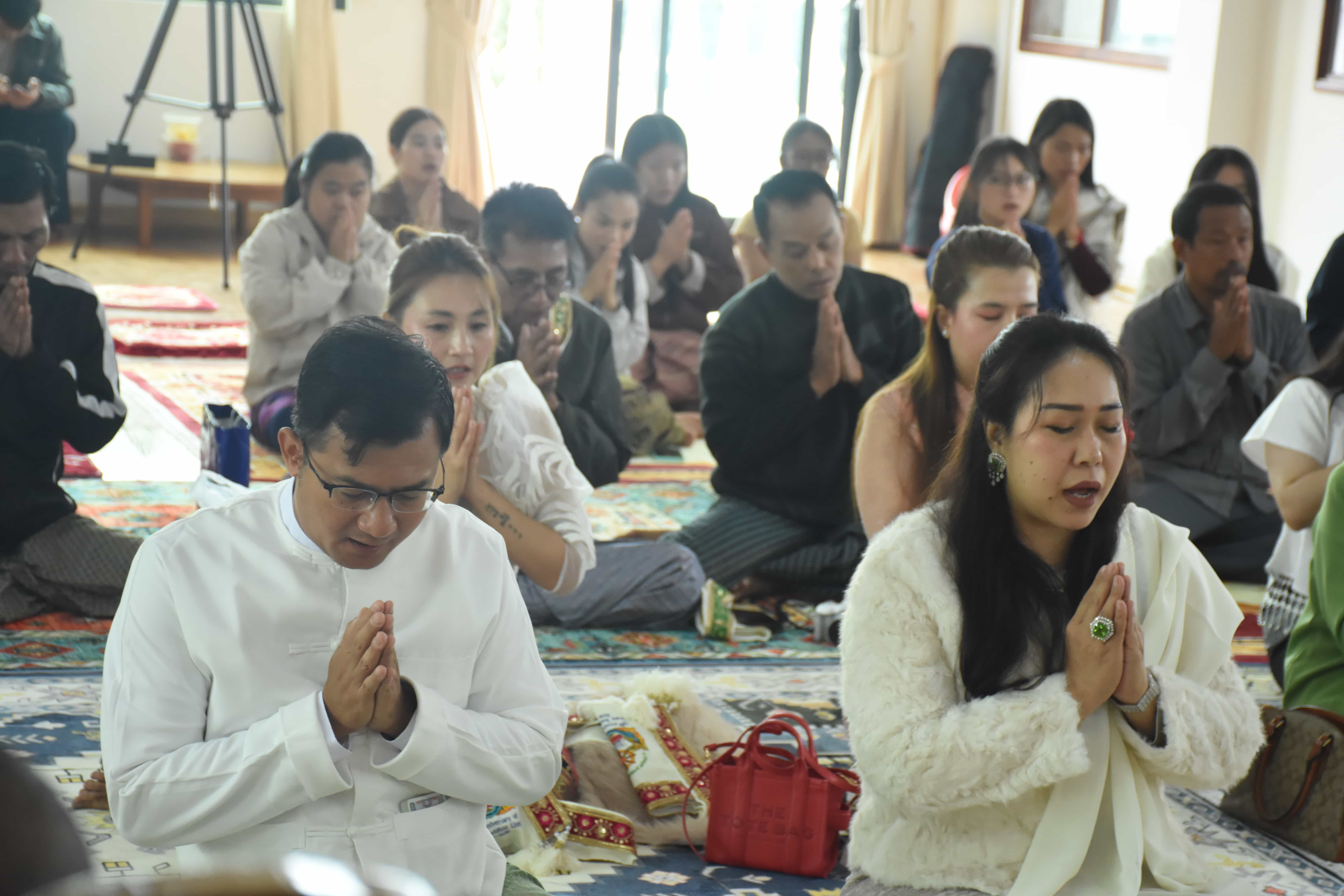
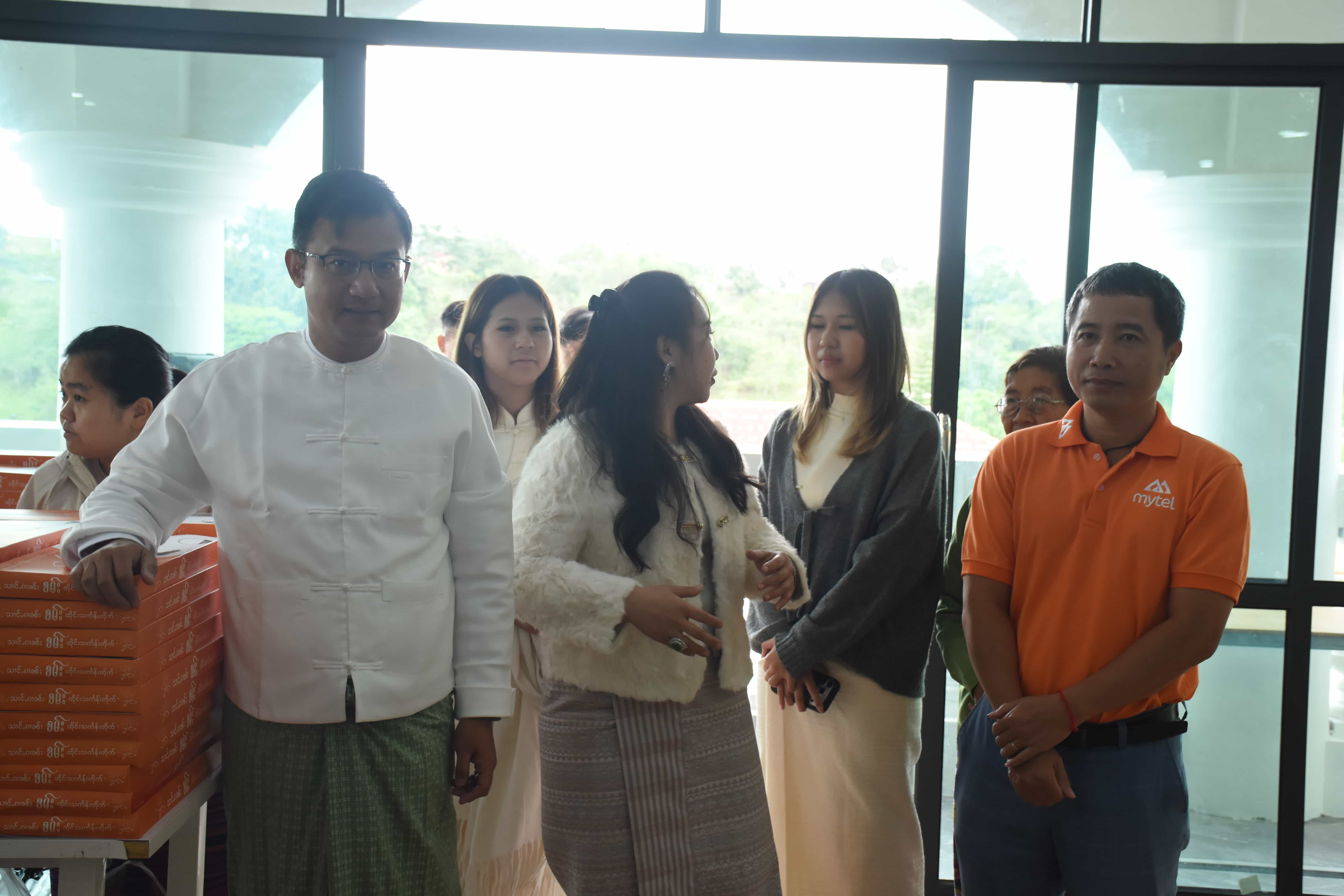
The event honoured the generosity of the principal donors, U Aung Myo Hein and Daw Nu Nu Tin Htun, together with their daughters, Ma Ein Mhu Chyam Myaing and Ma Thanthiri Htun, who donated the Paññāpāramī Lecturer’s Residence. Mr. Phan Dang Kien, Director of Mytel Southern Shan Branch, Mytel Telecom International Myanmar Co. Ltd., together with his family, donated the Mytel BTS Station. The donations were made in dedicated memory of the late U Thein Lwin and Daw Tin Yi, and the late U Tin Htun and Daw Khin Myint Oo, with the aspiration of supporting the Buddha Sāsana and cultivating the path leading to Nibbāna.
A Ceremony Rooted in the Theravāda Tradition
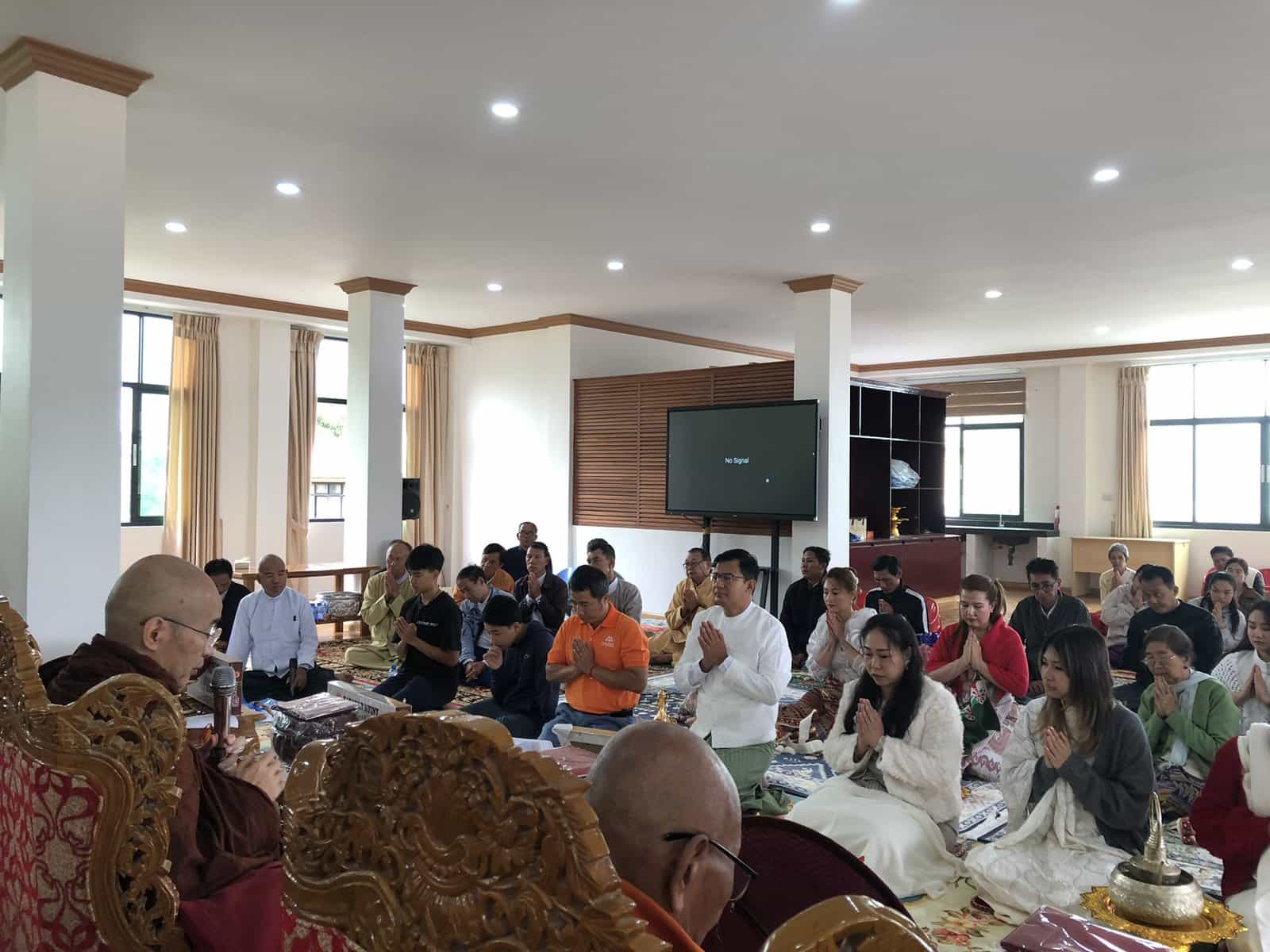
The programme reflected the Theravāda Buddhist tradition of combining generosity (dāna), ethical conduct (sīla), devotion, and the sharing of merits as integral aspects of communal religious life. Participants assembled on the fourth floor of the Paññāpāramī Lecturer’s Residence, where the ceremony began with the threefold recitation of Namo Tassa Bhagavato Arahato Sammāsambuddhassa, paying homage to the Buddha.
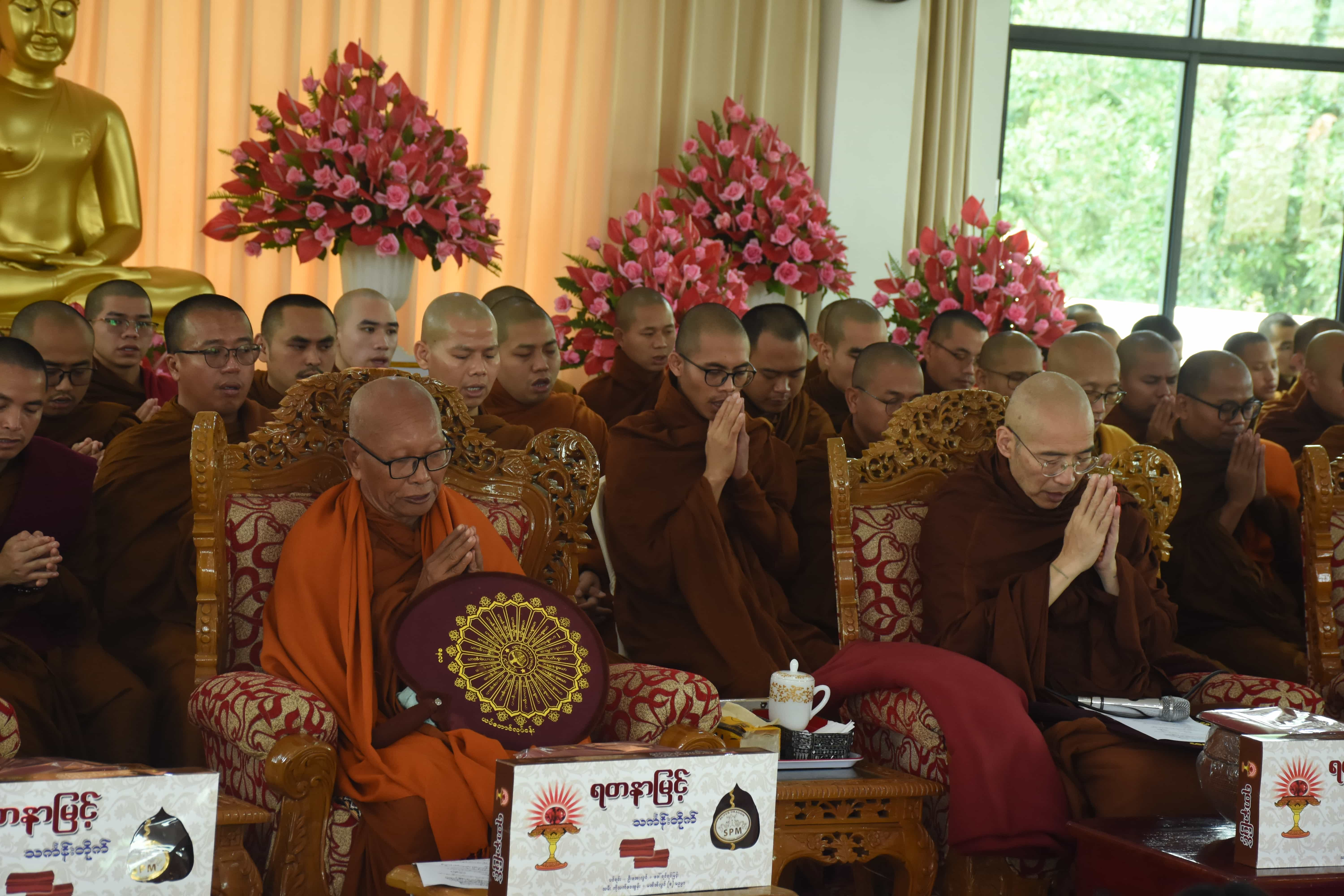
The congregation then undertook the Five Precepts, reaffirming the ethical principles that form the foundation of Buddhist practice. Members of the Saṅgha subsequently chanted Paritta, traditional protective discourses that express confidence in the Buddha, Dhamma, and Saṅgha while invoking blessings for all present.
Recognising Generosity and Service
A central part of the ceremony was the offering of donations to the Saṅgha, reflecting the long-standing relationship of mutual support between the monastic and lay communities. Such acts of generosity help sustain the daily life of the monastic community while supporting the preservation, study, and transmission of the Buddha's teachings.
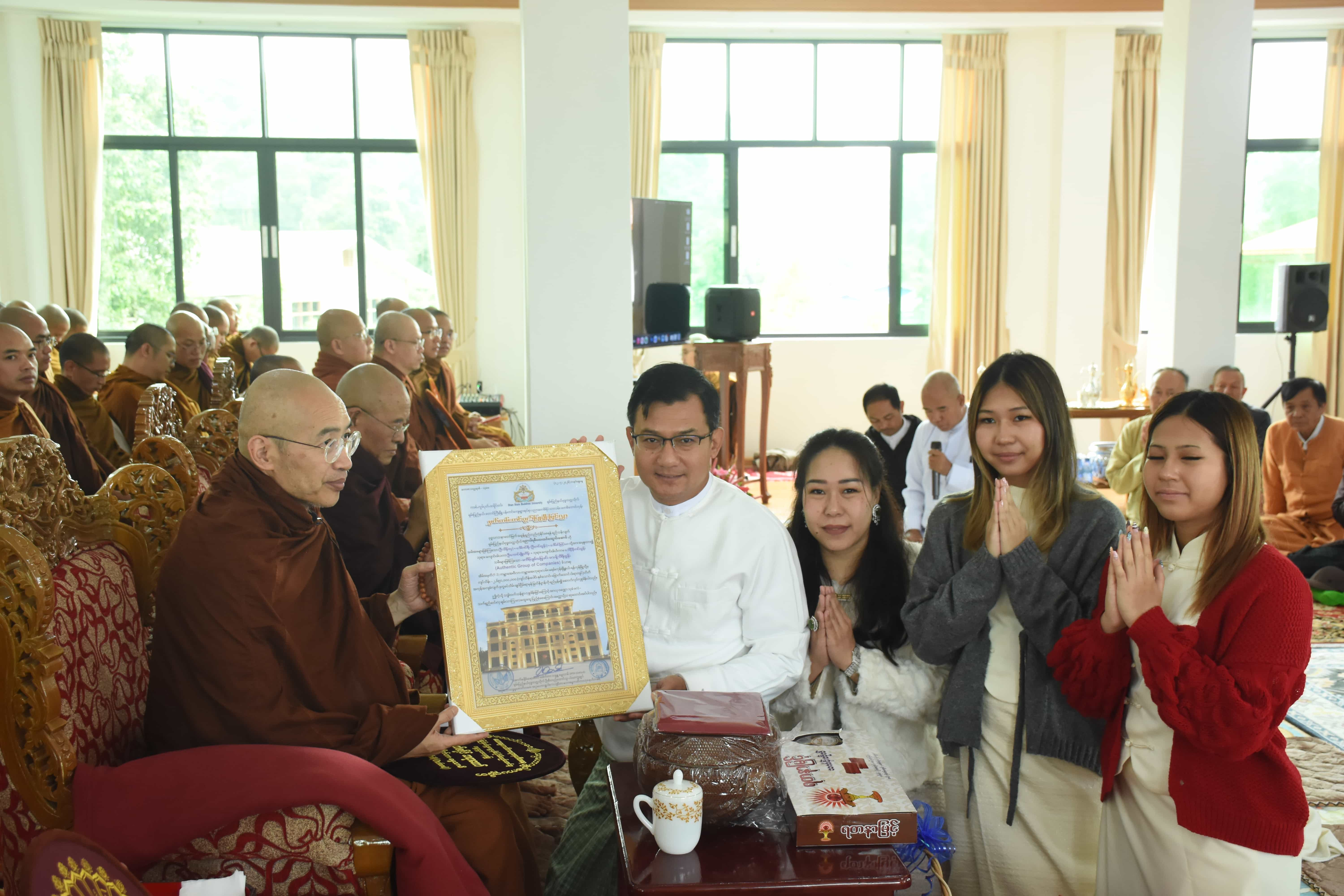
The University also recognised those whose generosity made the construction of the Paññāpāramī Lecturer’s Residence and the Mytel BTS Station possible. Certificates of honour and appreciation were presented by the Most Venerable Professor Dr. Khammai Dhammasāmi to the principal donors and to other benefactors whose contributions supported the successful completion of the facilities. These presentations acknowledged the important role of lay supporters in creating conditions that enable future generations of monks, nuns, scholars, and practitioners to pursue Buddhist education and practice.
Water-Pouring Ceremony and Sharing of Merits
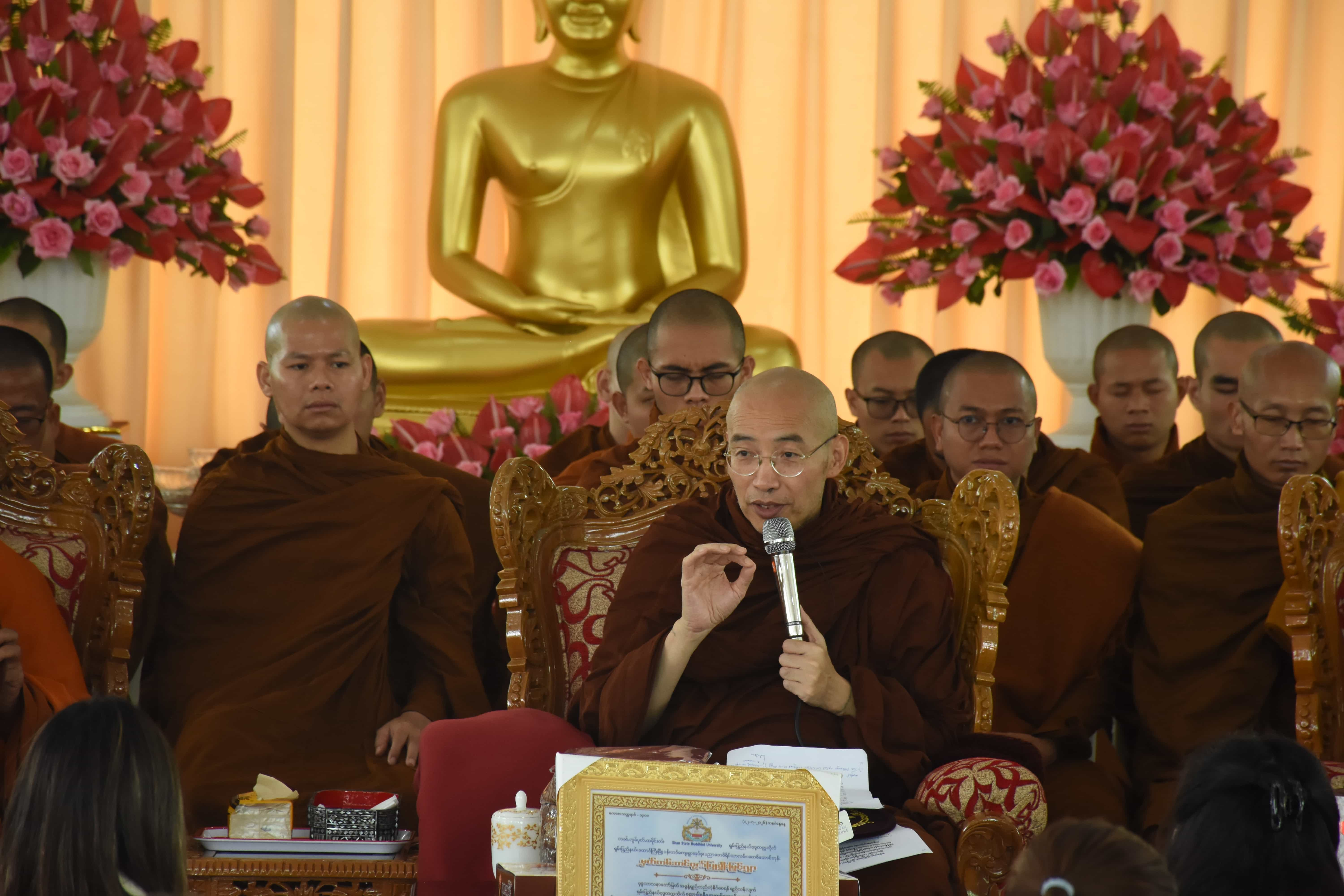
The principal religious observance of the day was the traditional water-pouring ceremony, a long-established practice in Theravāda Buddhism symbolising the dedication and sharing of merits gained through wholesome actions. Following the offering ceremony, the Most Venerable Professor Dr. Khammai Dhammasāmi delivered an Anumodanā Dhamma discourse and guided participants in a session of Muditā meditation, encouraging reflection on generosity, moral conduct, gratitude, and collective responsibility in supporting the Buddha Sāsana.
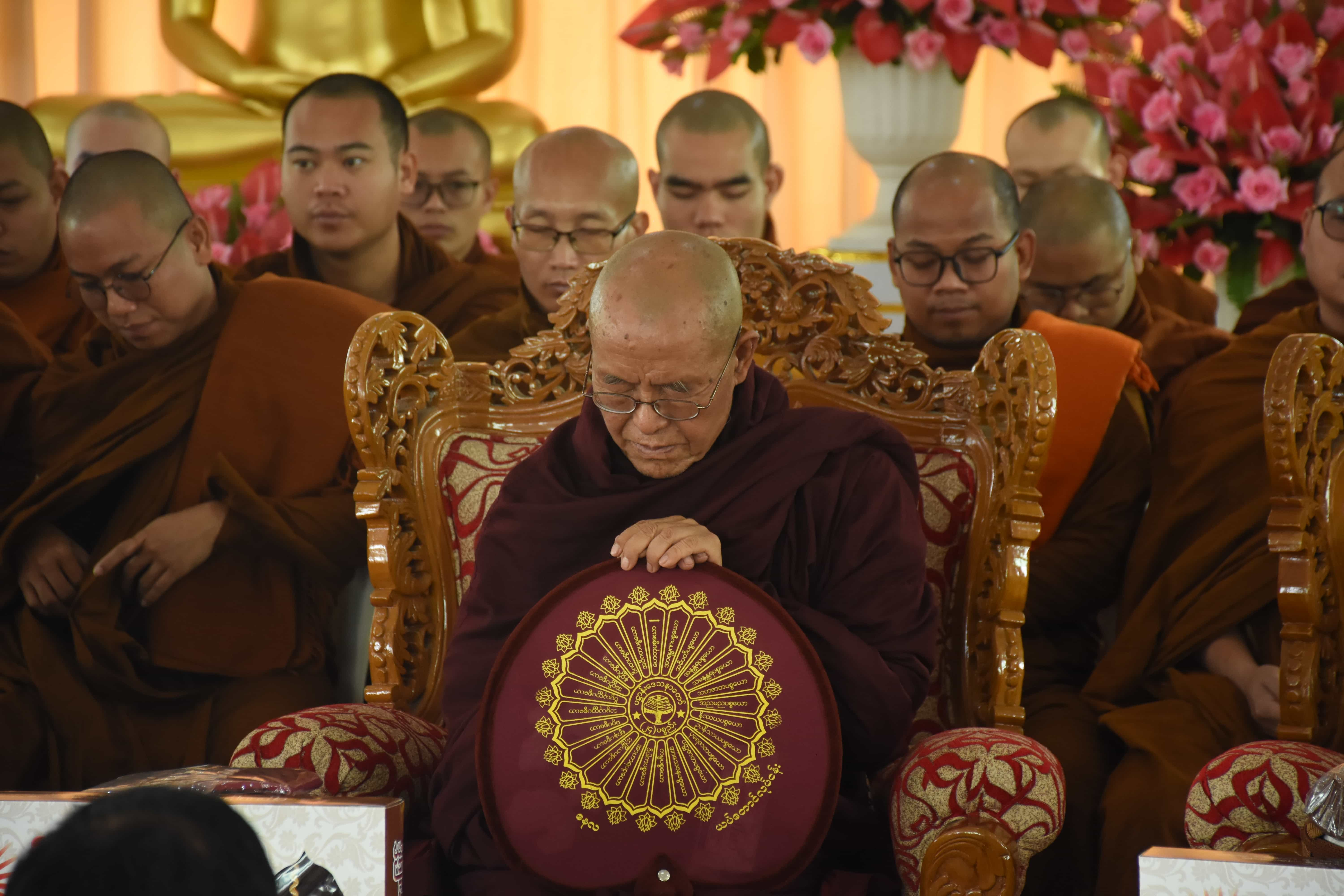
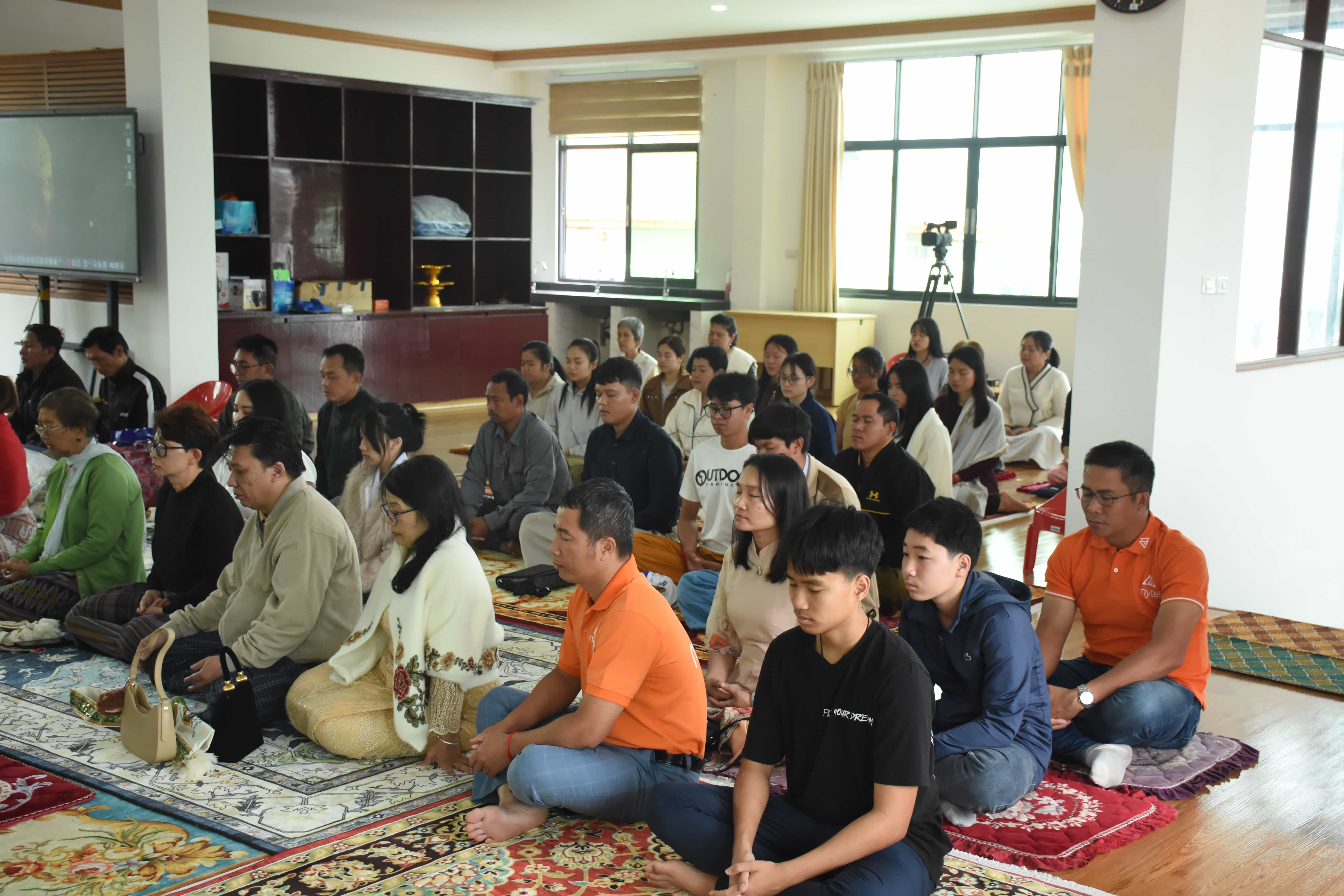
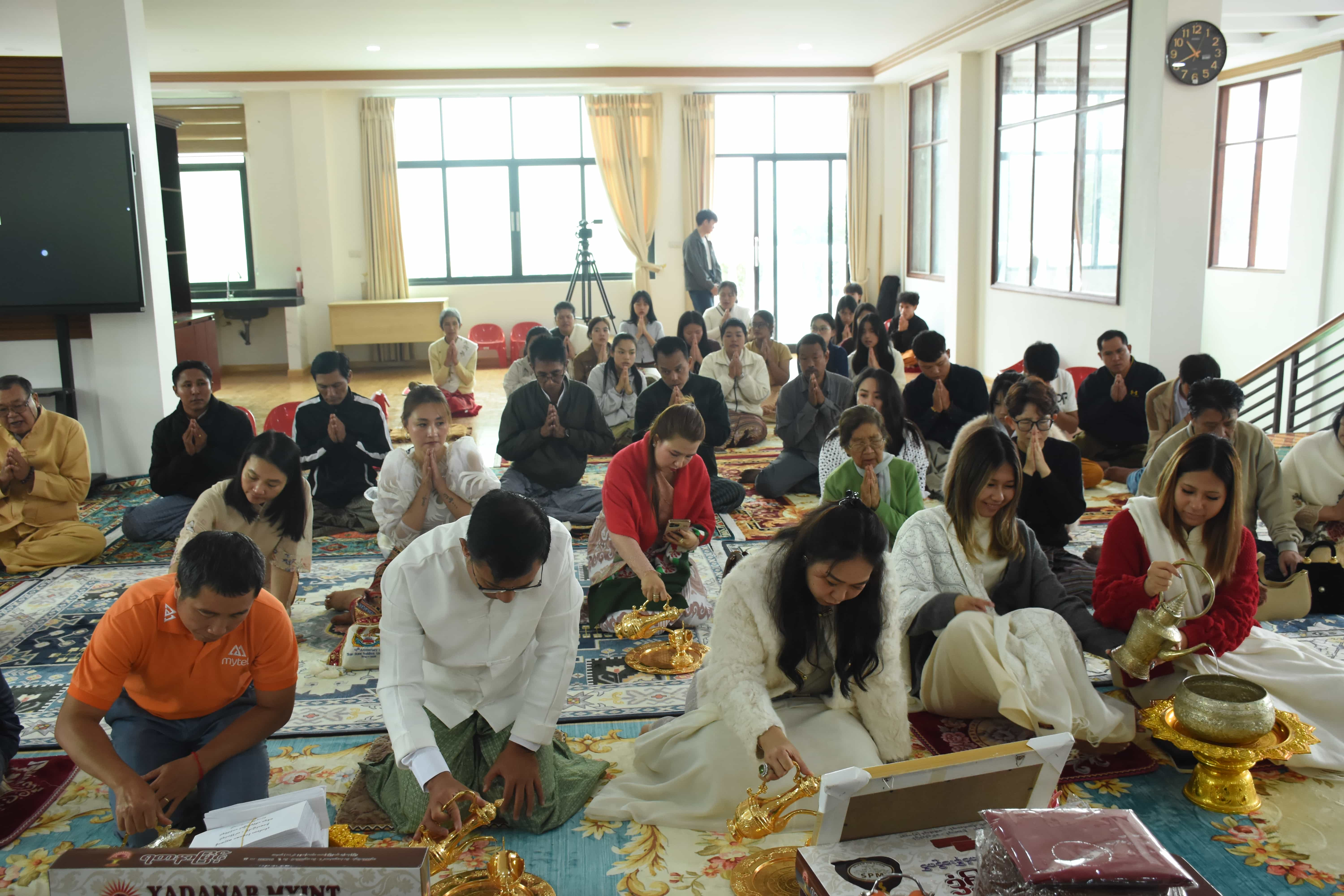
After the Dhamma talk and meditation, participants joined in the water-pouring ceremony as merits were formally dedicated to the donors, departed parents and relatives, teachers, participants, and all sentient beings. In the Theravāda tradition, the pouring of water is not regarded as the source of merit itself. Rather, it serves as a symbolic expression of the sincere wish that the wholesome fruits of one's actions be shared for the welfare and happiness of others. The ceremony embodies the values of gratitude, compassion, and interconnectedness that continue to shape Buddhist communal life across generations.
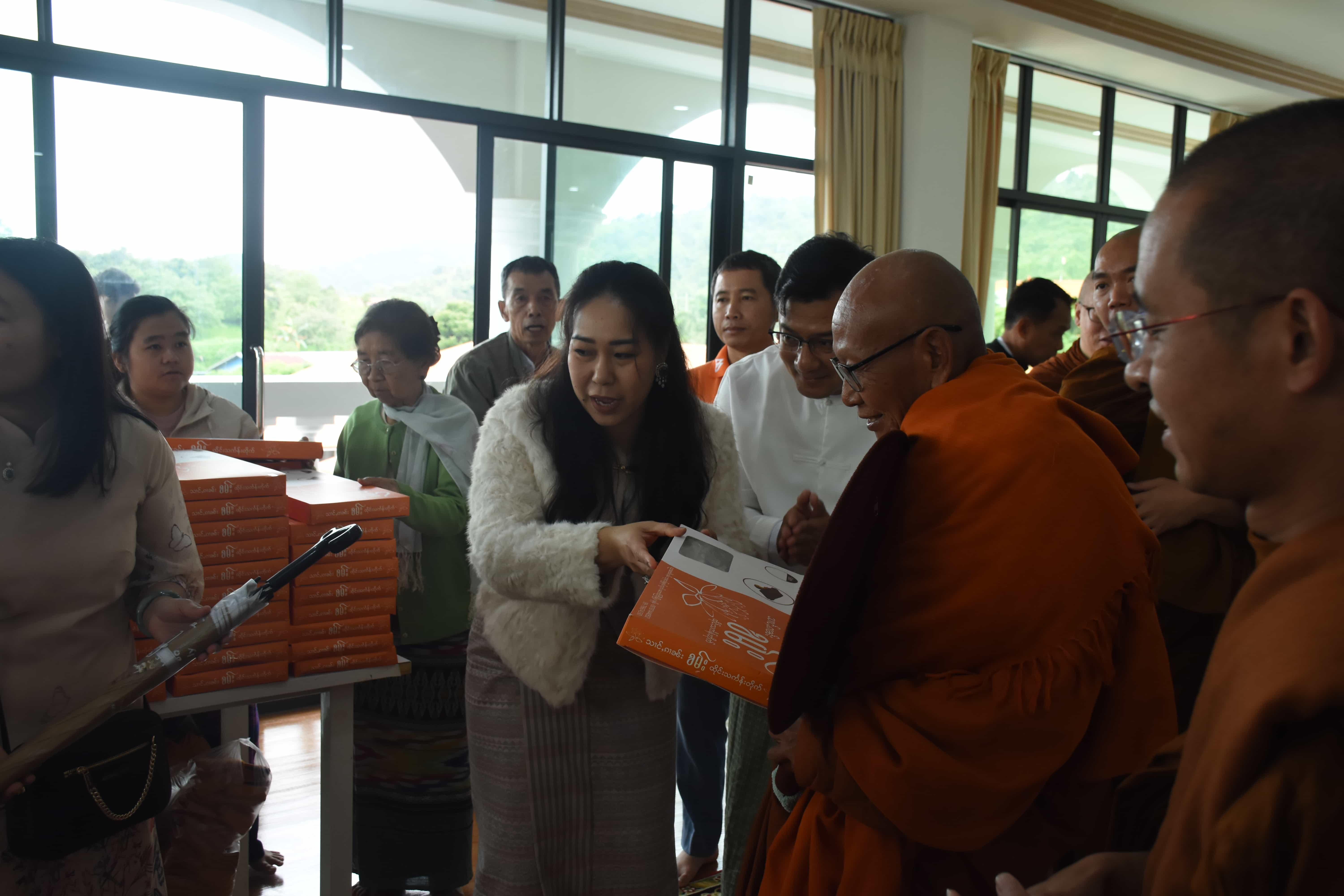
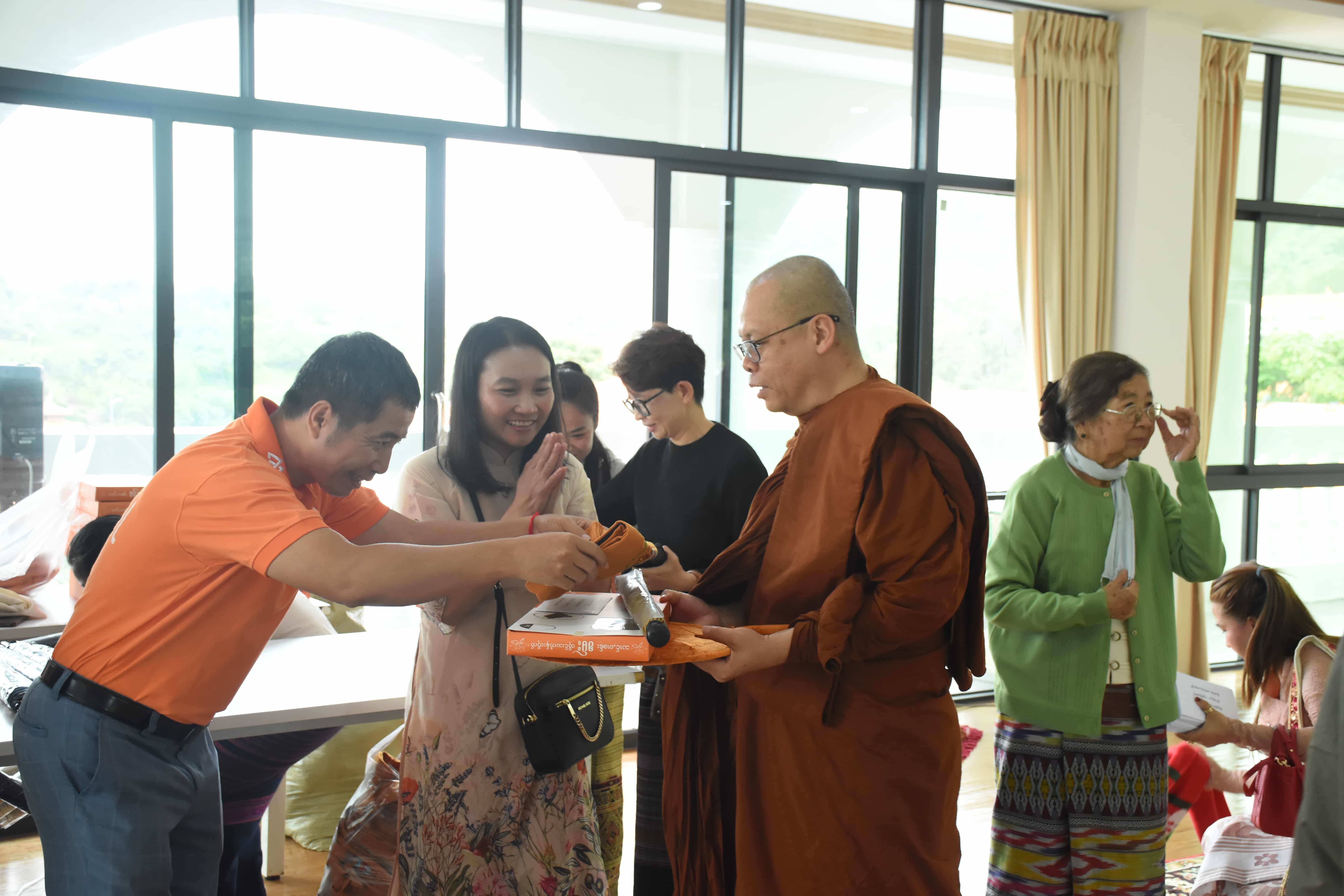
The religious observance concluded with the congregation chanting Buddha Sāsanaṁ Ciraṁ Tiṭṭhatu three times, expressing the shared aspiration that the Buddha's Dispensation may endure and continue to benefit the world for generations to come. To conclude the day's offerings, the donors presented the four requisites to the Saṅgha, including SSBU souvenir robes, bags, and umbrellas.
Concluding the University's Tenth Anniversary Celebrations
The Water-Pouring Ceremony marked the closing event of several days of activities celebrating the tenth anniversary of Shan State Buddhist University. Together with the First SSBU Alumni Conference, the alumni reunion, and the establishment of the SSBU Alumni Association, the ceremony reflected the University's commitment to integrating academic study with living Buddhist practice.
While the conference and alumni events highlighted the University's contribution to Buddhist scholarship, research, and international academic exchange, the completion of the Paññāpāramī Lecturer’s Residence and the Mytel BTS Station demonstrated its continuing commitment to supporting the monastic community and strengthening the practical foundations of Buddhist education. The ceremony served as a reminder that scholarship and religious practice are complementary aspects of the University's mission, united by the shared aim of preserving, studying, and transmitting the Buddha's teachings for the benefit of future generations.