Shan State Buddhist University (SSBU) and Manuscript Collections
KBZ International Conference Hall
Jan 28, 2026
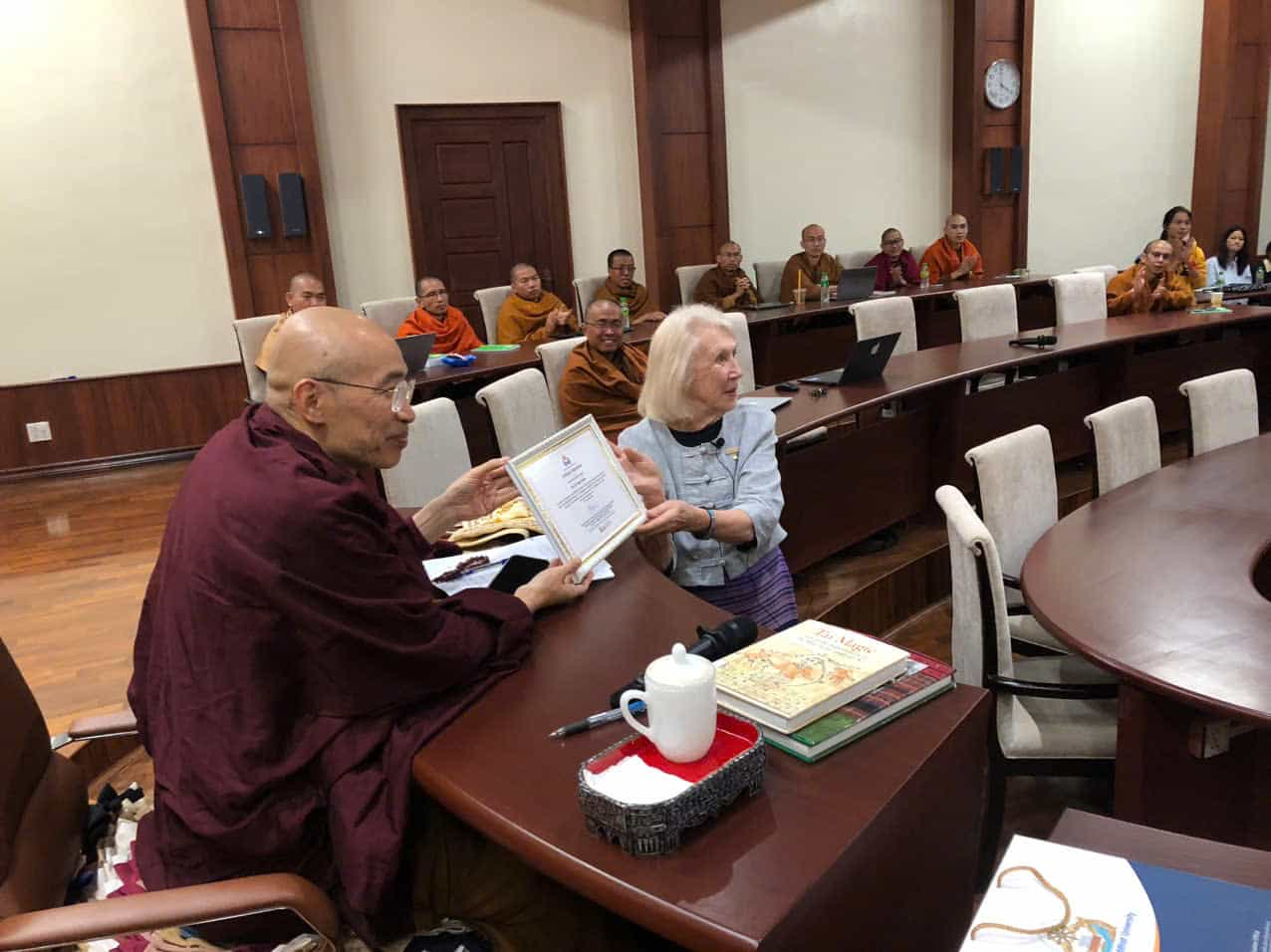
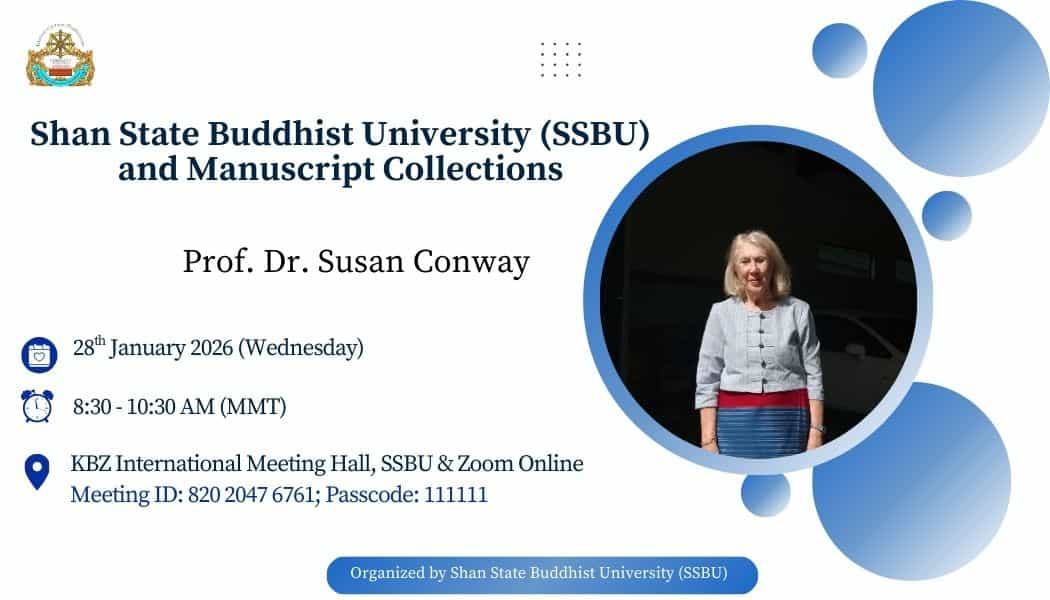
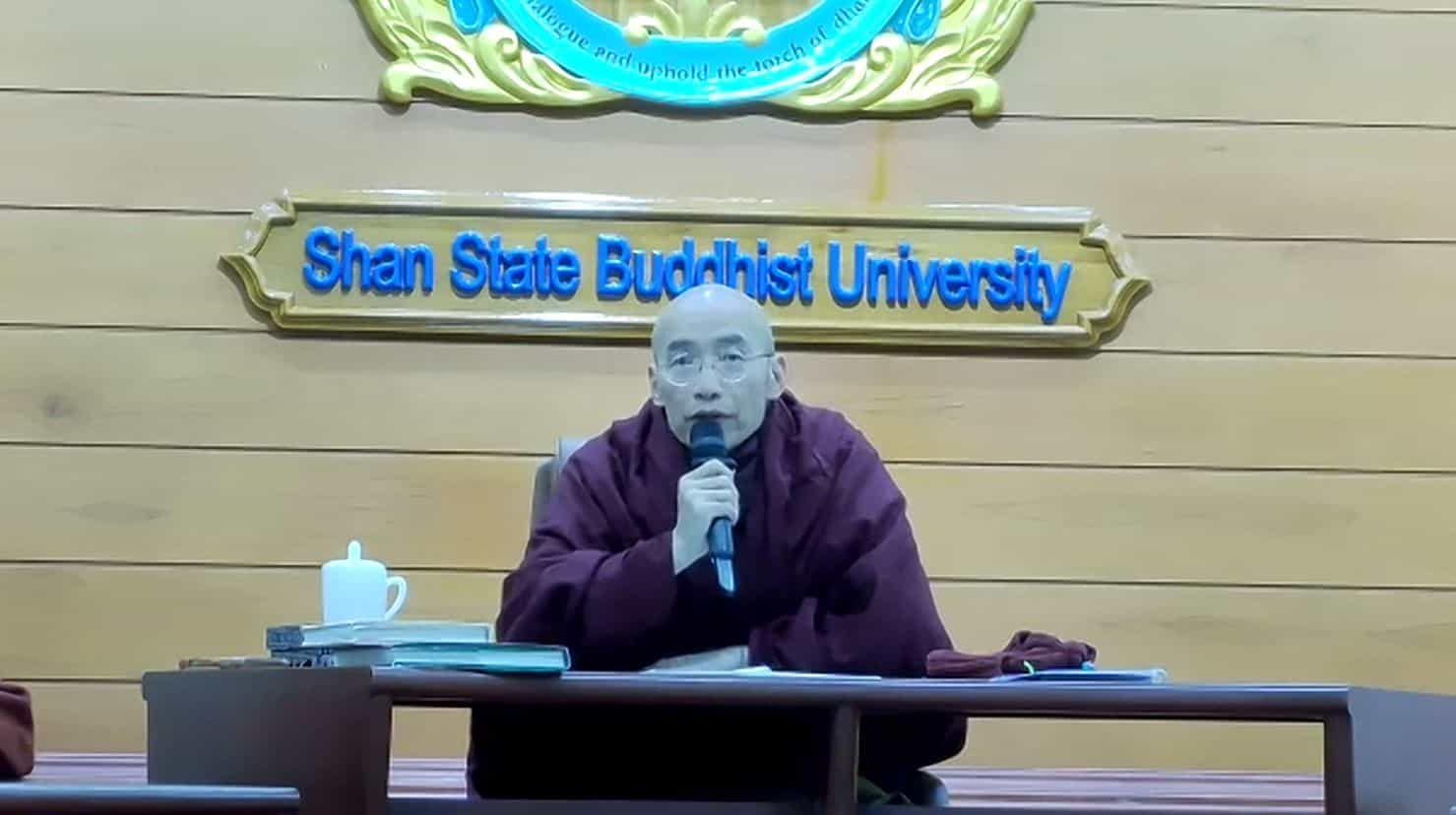
On 28 January 2026, Shan State Buddhist University (SSBU) is pleased to host a research seminar delivered by Professor Dr. Susan Conway at 2:00 PM (Asia/Yangon) at the KBZ International Conference Hall. This seminar, entitled “Shan State Buddhist University (SSBU) and Manuscript Collections,” constitutes the second research seminar presented by Professor Conway at SSBU, following her first seminar held on 21 January 2026. The event is structured in two parts and focuses on the historical, academic, and institutional development of Shan Studies, with particular attention to manuscript culture and preservation.
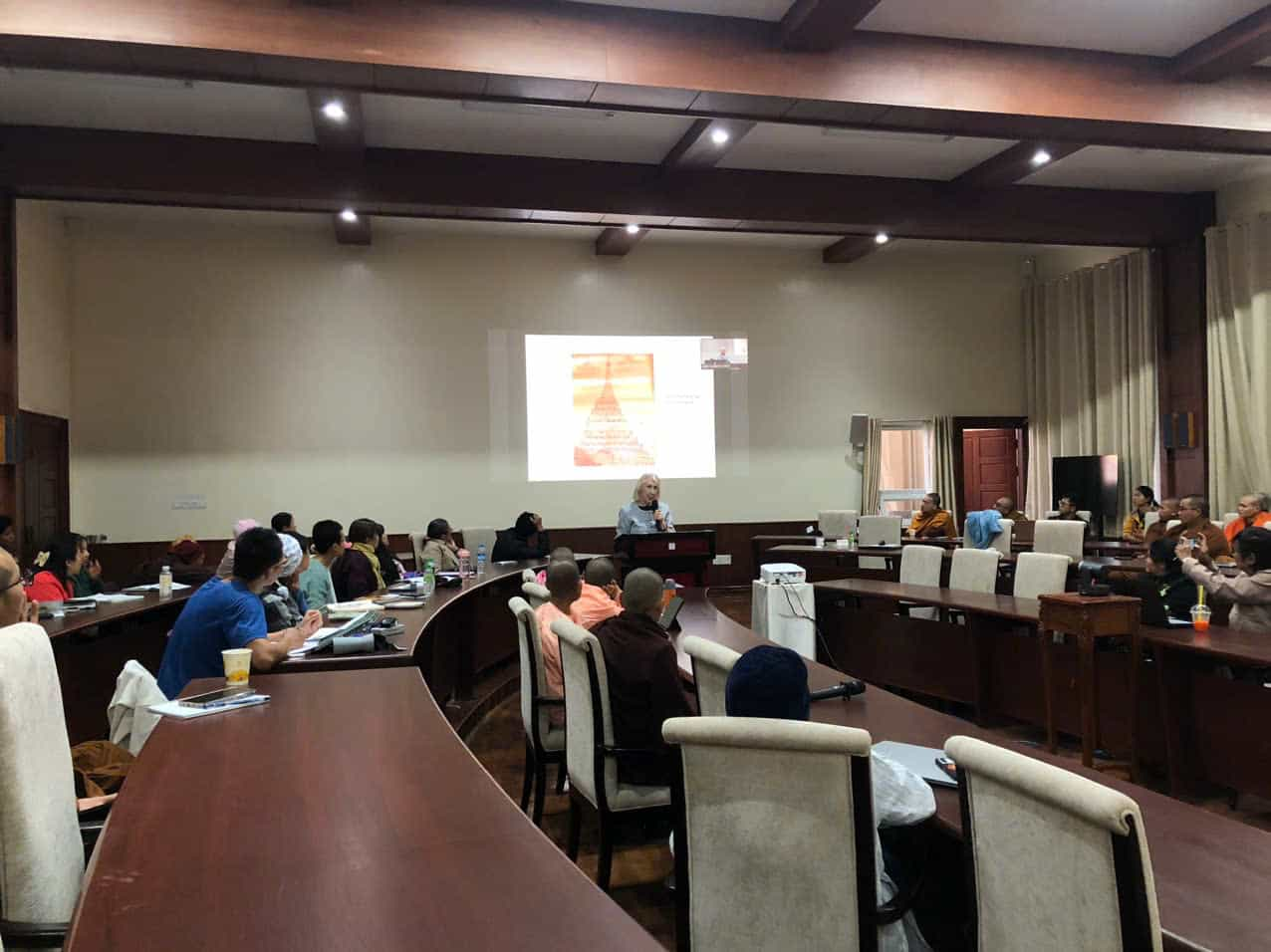
Venerable Dr. Khammai Dhammasami, DPhil (Oxford), Founder and Rector of Shan State Buddhist University, introduces Professor Conway’s long-standing engagement with Shan history, culture, and material heritage, which provides an important scholarly context for this seminar. Drawing on decades of academic research and institutional collaboration, she reflects on the emergence of Shan Studies as a recognized field of inquiry and its close relationship with the vision and development of Shan State Buddhist University.
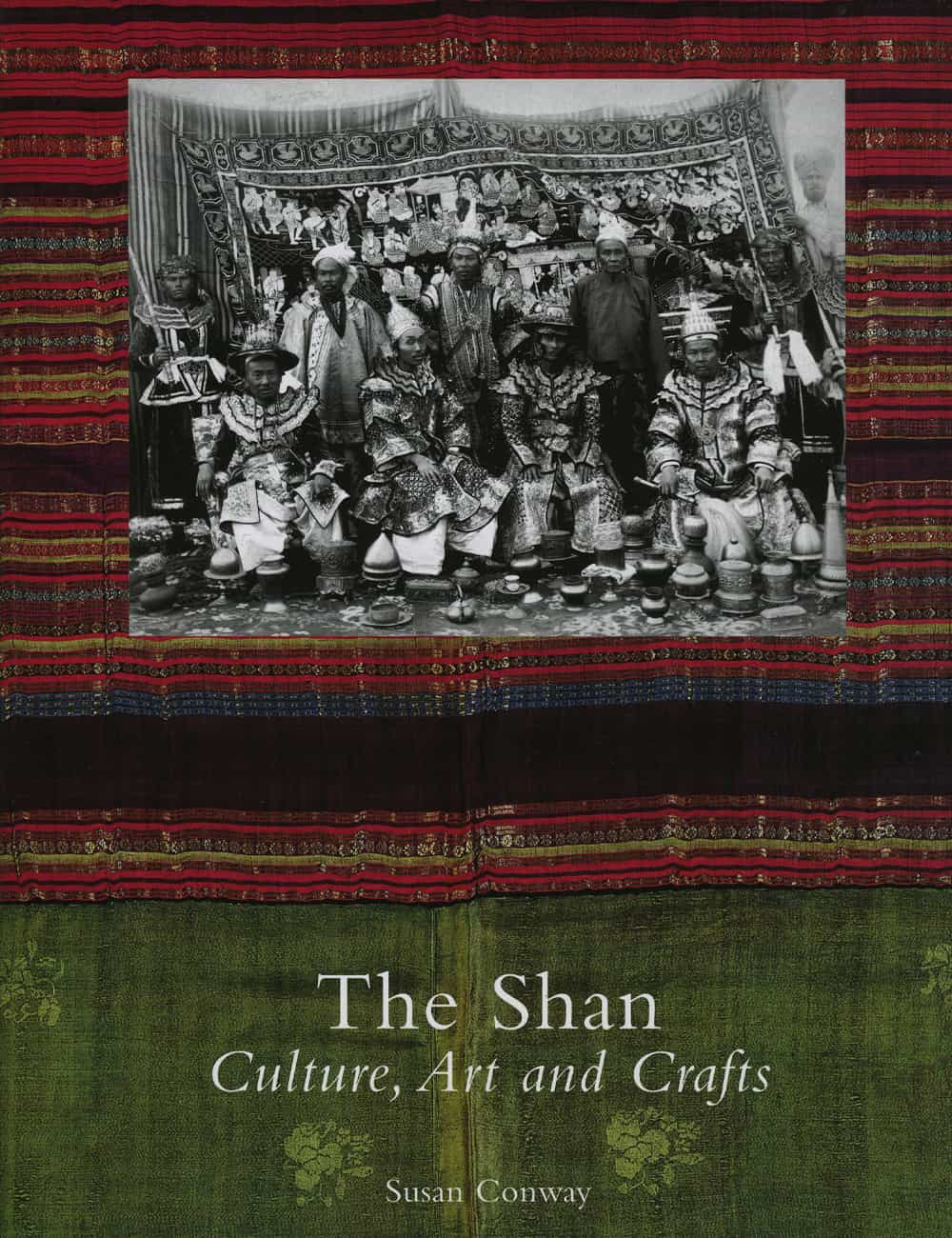
The first part of the seminar introduces the background to SSBU through the wider intellectual and cultural history of Shan Studies. Professor Conway recalls the publication of The Shan Book (The Shan: Culture, Art and Crafts), which was launched at the Royal Geographical Society in London. The event was attended by members of the Shan royal family residing in the United Kingdom, who wore traditional Shan dress and were warmly received by a large audience. The book was notable as the first English-language publication on Shan history, arts, and culture since the 1930s, and the demand at the launch exceeded expectations, with all copies sold.
The seminar then traces the formal development of Shan Studies within European academia. From 2005, Professor Conway taught Shan Studies at SOAS, University of London, with the support of Dr. Ian Brown, then Dean and a political historian. In the same year, she was elected to the boards of both the Association of South-East Asian Scholars in the UK (ASEASUK) and the European Association of Southeast Asian Scholars (EUROSEAS). She proposed the inclusion of Shan Studies as a distinct subject area within UK and European conferences, a proposal that was accepted. As a result, Shan scholars from the UK, the United States, Scandinavia, and Europe presented research papers, many of which were later published in the ASEASUK journal.
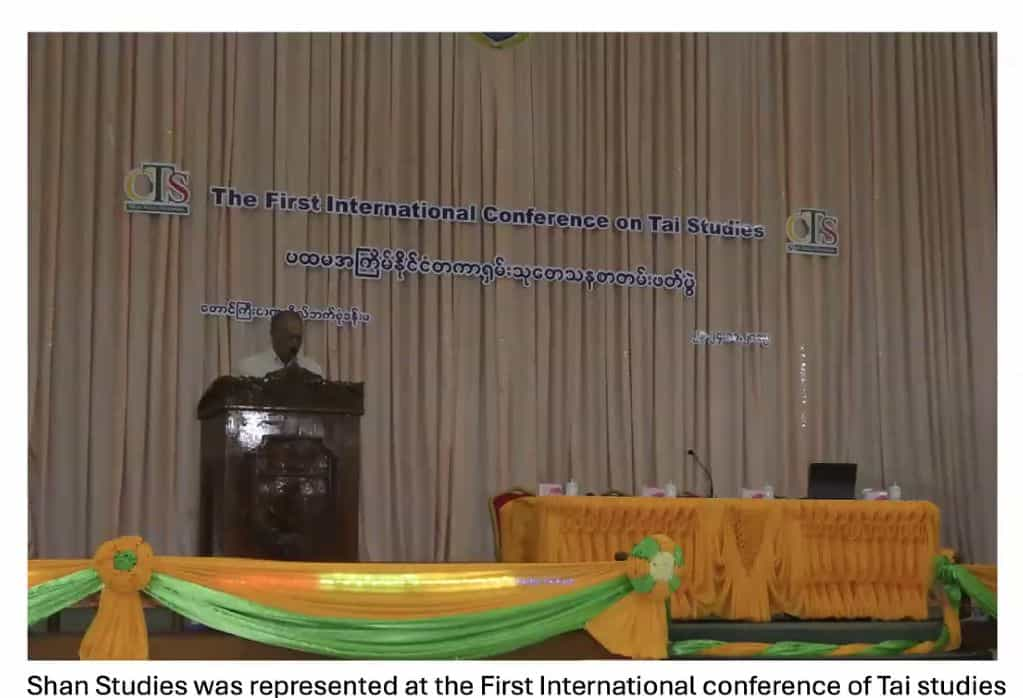
Shan Studies also gained visibility within broader Burma Studies forums, including conferences held at Northern Illinois University in the United States. Notably, Phra Dr. Khammai Dhammasami attended an ASEASUK conference in Wales at the invitation of Sir Emyr Jones-Parry, then UK Representative to the United Nations, marking an important intersection between Shan scholarship and international academic networks.
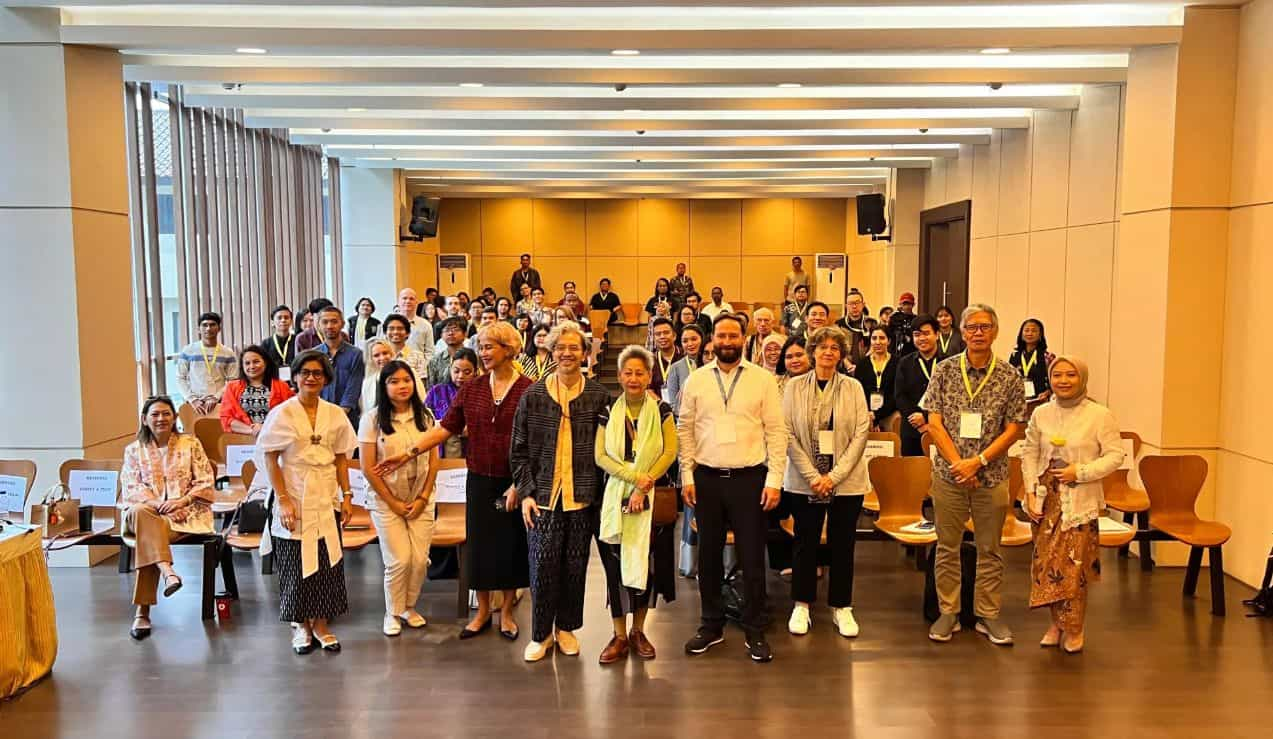
Professor Conway further discusses the role of the Shan Cultural Association (UK), which organized annual lecture programmes during Shan New Year celebrations in London, hosted at the main lecture hall of SOAS. These lectures provided opportunities for younger generations within the Shan diaspora to learn about their cultural heritage. The Association also arranged for a Shan dance troupe to perform at an ASEASUK conference in Cambridge, where scholars gathered to observe the performance, demonstrating the integration of cultural expression within academic settings.
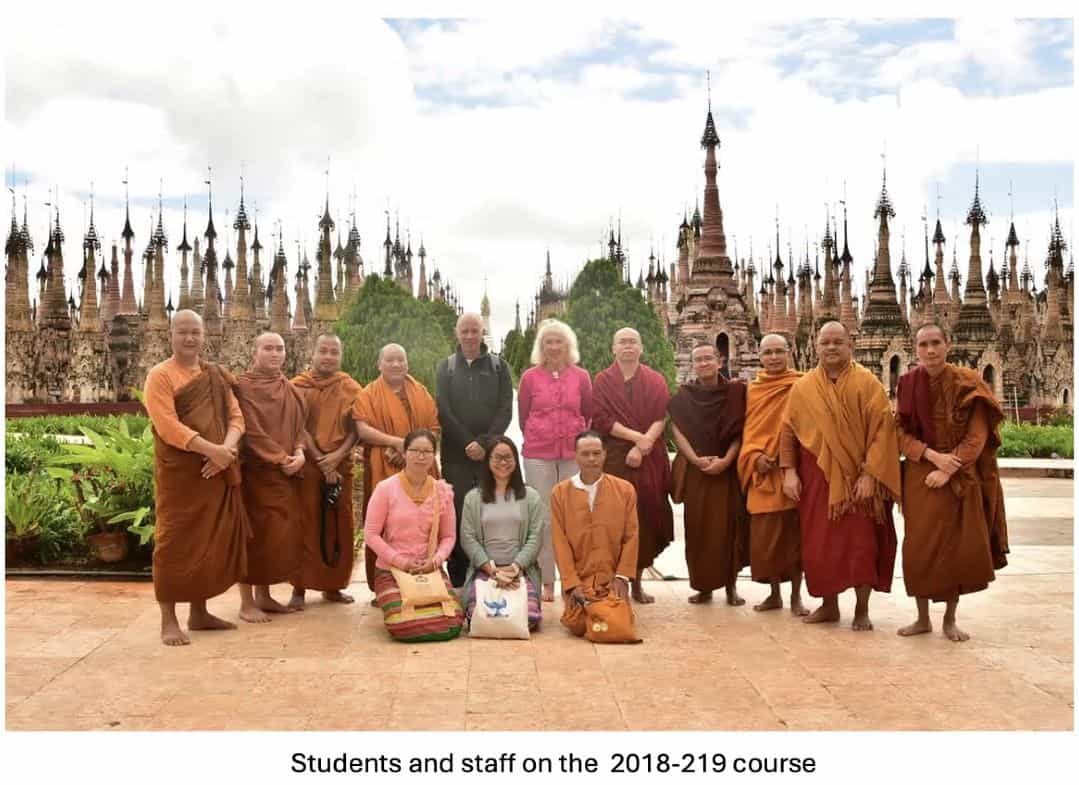
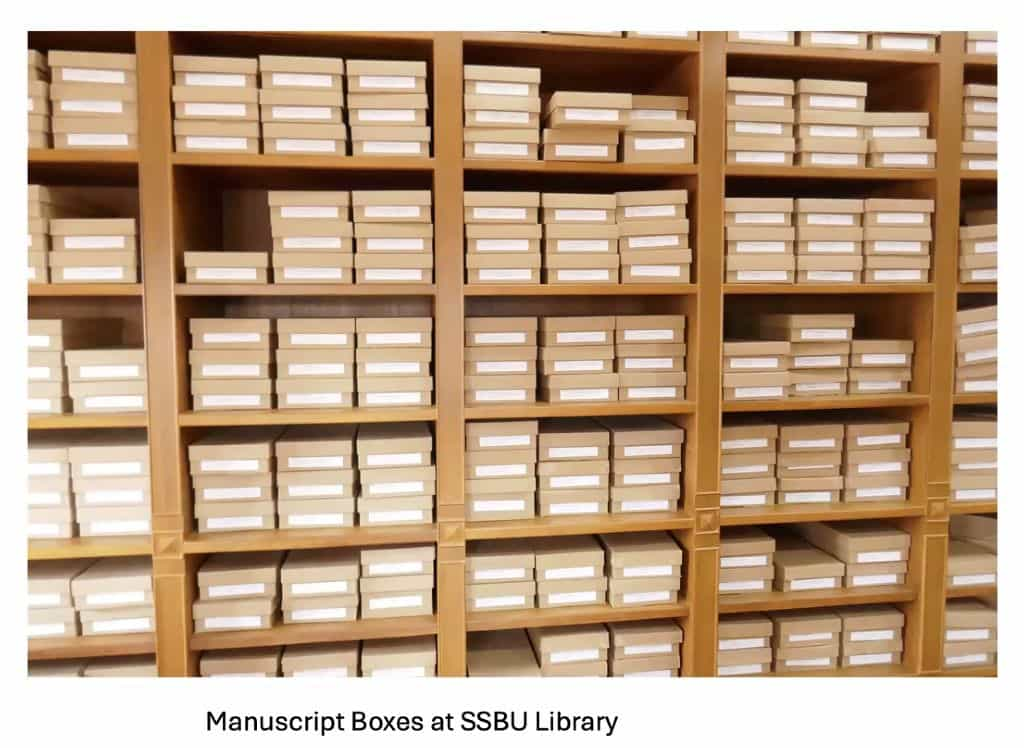
The seminar presents the conceptual foundation and establishment of Shan State Buddhist University. Professor Conway recounts how Phra Dr. Dhammasami envisioned the creation of a university near Taunggyi, dedicated to Buddhist learning and Shan cultural heritage. When SSBU opened in 2016, she applied to international foundations for grants to support the development of its library. In 2018, a grant from the Rockefeller Foundation enabled the establishment of a digital library, allowing global access to SSBU’s manuscript collections. The grant also supported her teaching at SSBU and provided funding for manuscript conservation boxes, following guidance from specialists at the British Library.
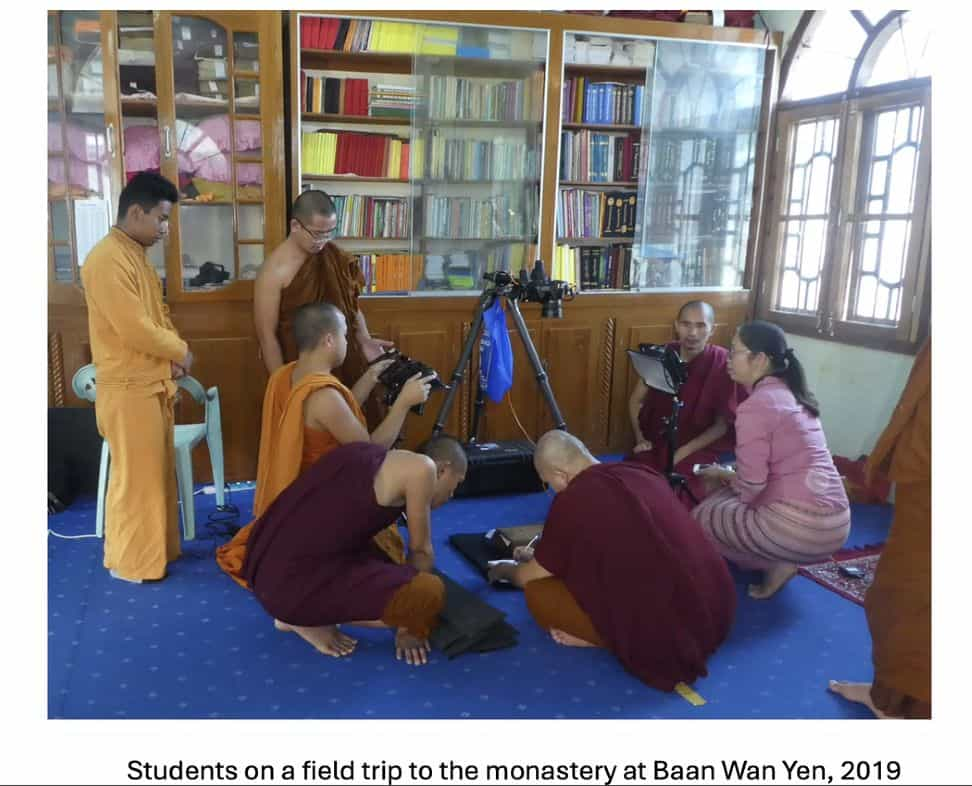
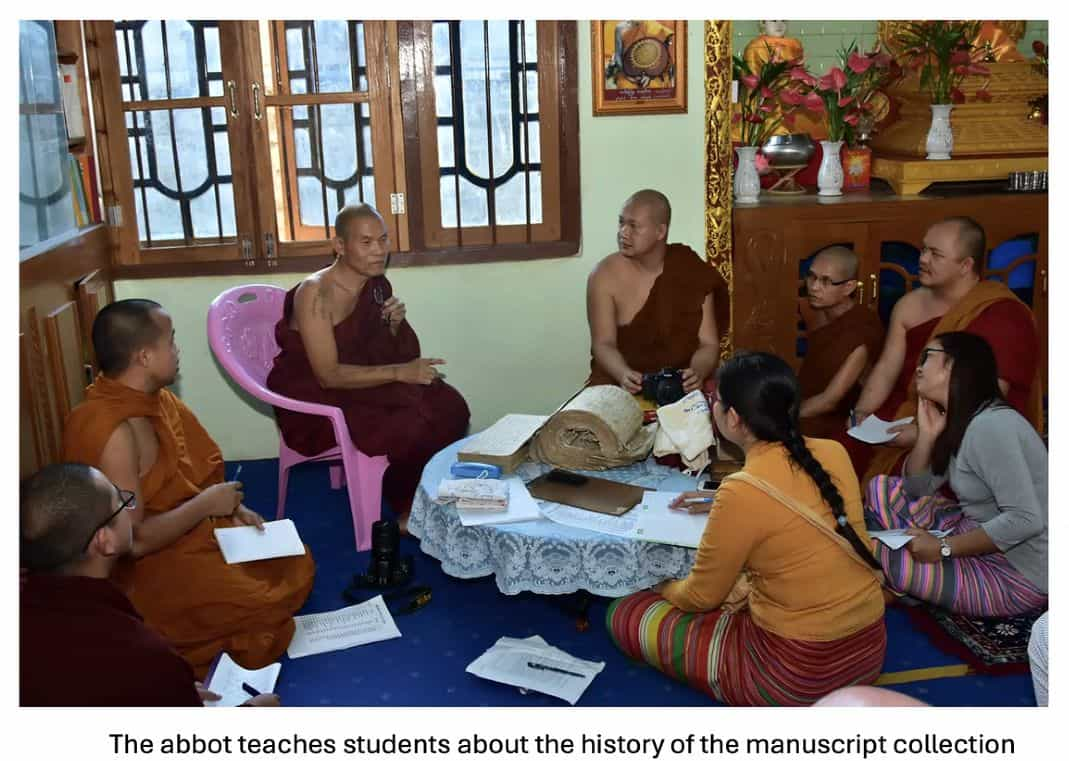
The seminar also focuses on education and manuscript preservation at SSBU. Professor Conway describes the courses she taught, which introduced students to anthropology and material culture, with particular emphasis on manuscripts. In 2019, these courses included fieldwork that examined how manuscripts are stored and maintained in monasteries, highlighting the importance of understanding manuscript preservation within the wider community context.
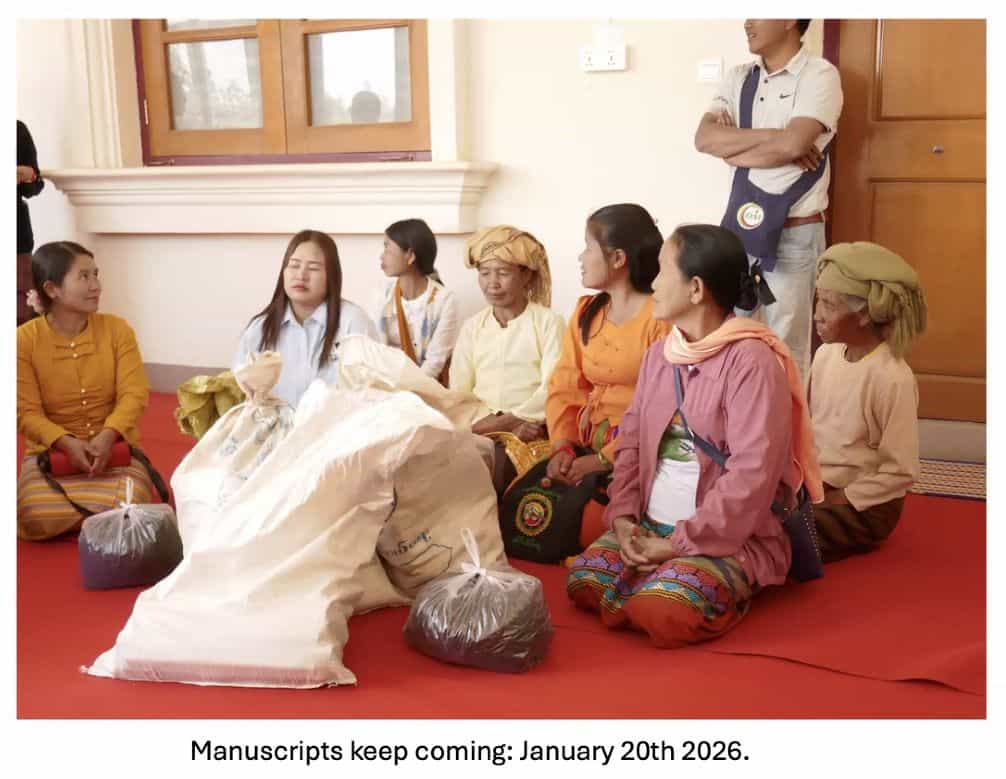
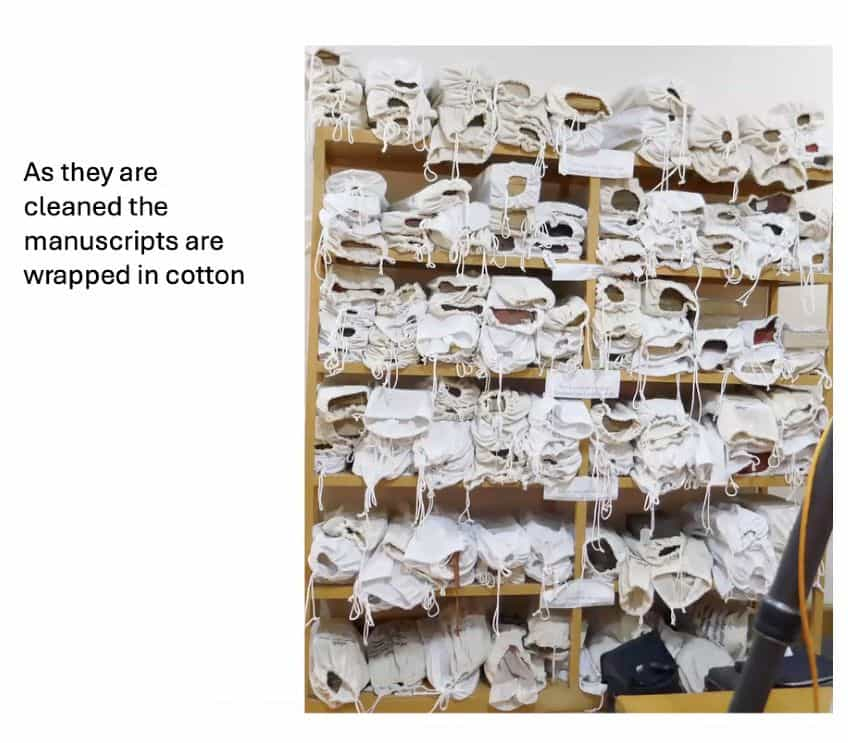
Today, the SSBU Library continues to receive manuscript donations from across Shan State, primarily from private individuals who regard the university as a secure and trustworthy institution for preservation. These manuscripts are conserved, catalogued, and increasingly form a foundation for academic research.
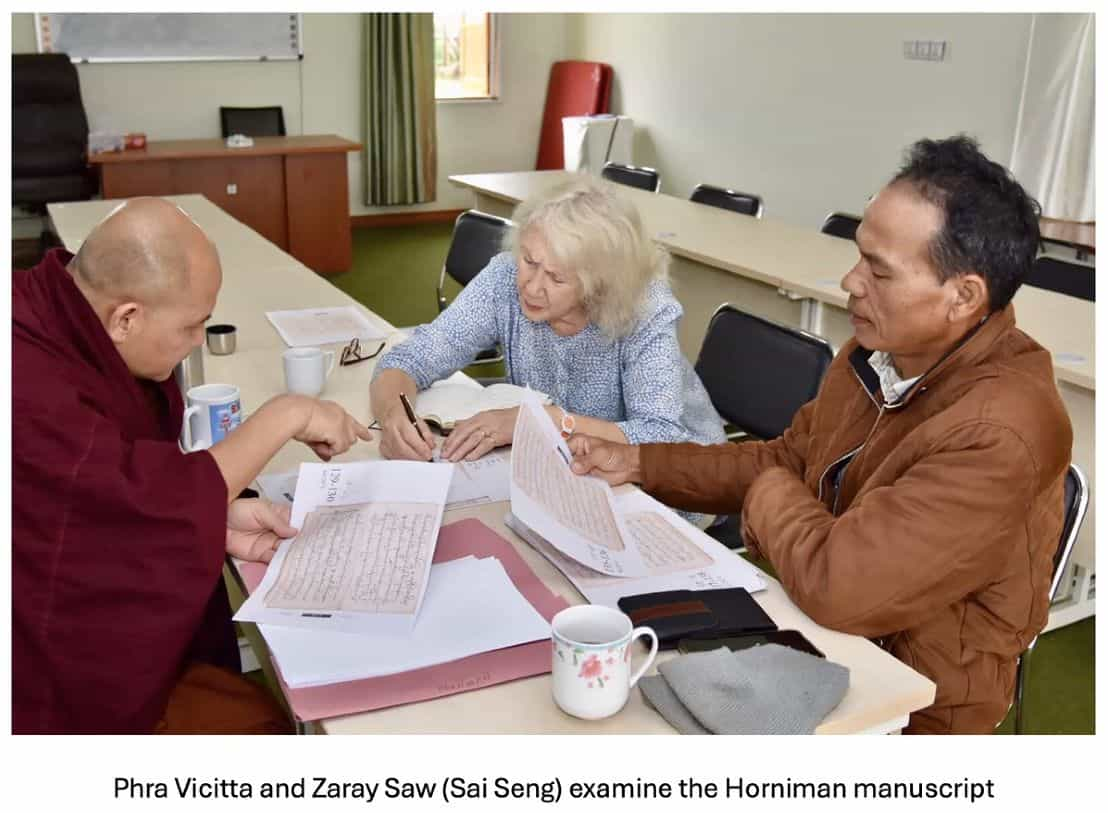
The seminar mentions a discussion of the Horniman Museum manuscript collaboration between SSBU and London-based collections. While teaching at SSBU, Professor Conway worked with Phra Dr. Vicitta and Zaray Saw (Sai Seng) on the translation of a Shan manuscript held at the Horniman Museum. The manuscript was circulated among knowledgeable monks and later translated into modern Shan. Although the English translation was delayed by the COVID-19 pandemic, collaboration resumed in 2021 with a Shan translator based in Chiang Mai.
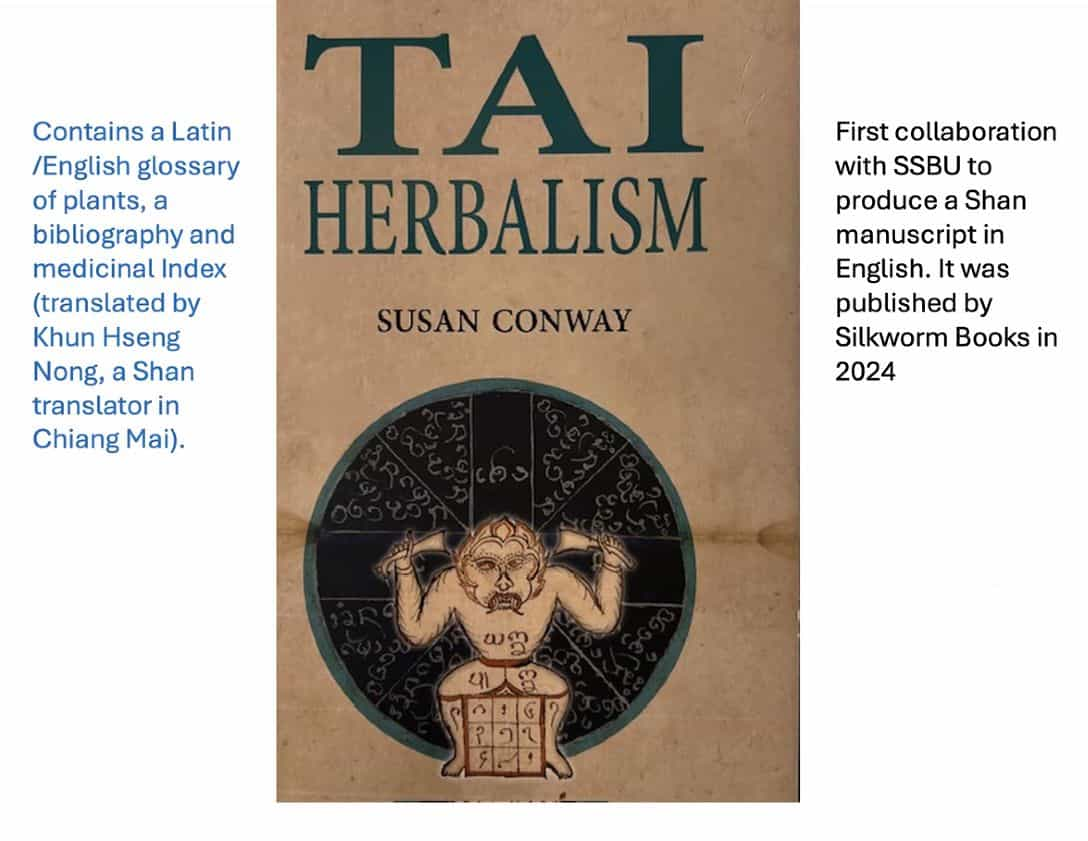
Earlier outcomes of such collaboration include the publication of Tai Herbalism in English in 2024, with further joint translations anticipated in the future.
This first part of research seminar aims to offer valuable insights into the academic, cultural, and institutional dimensions of Shan State Buddhist University and highlights the central role of manuscript collections in sustaining Buddhist and Shan intellectual traditions at Shan State Buddhist University library.
The second part of the seminar turns to the manuscripts preserved at Shan State Buddhist University, examining them as living expressions of religion, culture, and identity. Manuscripts are not merely textual records; they embody the intellectual, artistic, and spiritual heritage of the communities that produced and preserved them. At SSBU, these materials provide invaluable insight into the historical continuity of Theravāda Buddhism and the diverse cultural traditions of Shan State and its neighbouring regions.
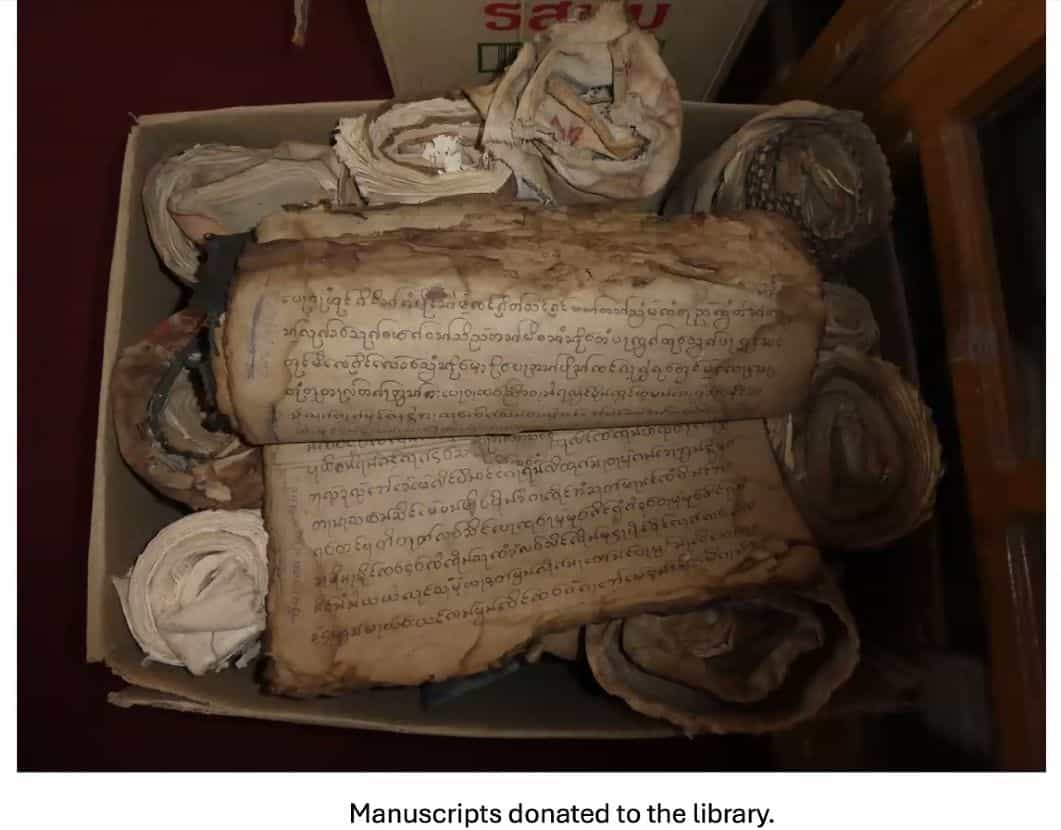
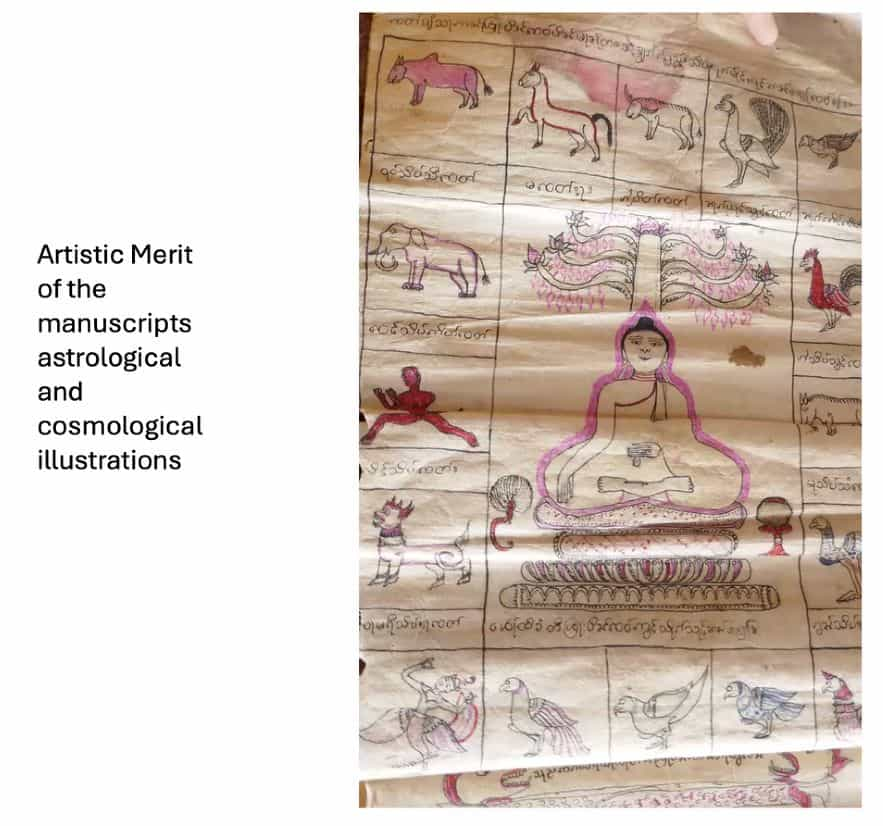
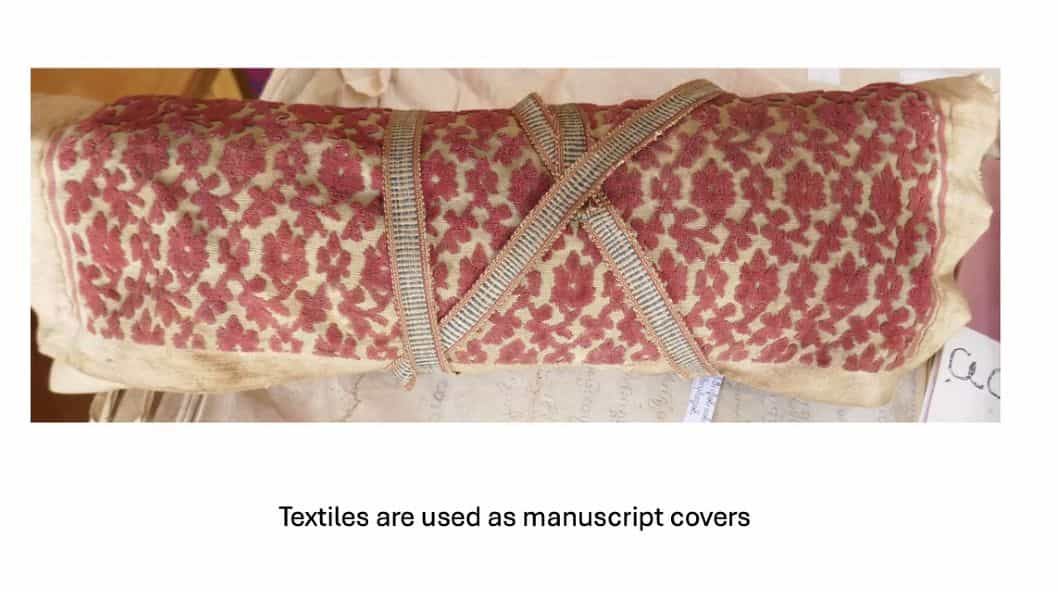
While many manuscripts in the SSBU collection are written in Tai Yai script, the collection also represents other ethnic communities, reflecting the plural cultural landscape of Shan State. These manuscripts possess significant artistic and illustrative value, often featuring decorative elements, diagrams, and symbolic imagery. Their physical form further distinguishes them, as indigenous raw materials are used in the production of handmade paper and natural pigments. Such materials, together with local craftsmanship, give each manuscript a distinctive quality that connects textual transmission with material culture.
In terms of content, the manuscripts articulate a belief system grounded in Theravāda Buddhism, encompassing both teaching and practice. The collection includes canonical and non-canonical texts, written in Pāli as well as in vernacular languages. Beyond religious doctrine, the manuscripts preserve historical chronicles, local myths and legends (tamnan), poetry and recitation traditions (lik long), and records of herbal medicine and healing rituals. Other texts address spirits and the supernatural, astrology, cosmology, and numerology, illustrating the integrated worldview in which Buddhist teachings coexist with local knowledge systems. Manuscripts also document aspects of local law, further underscoring their role as repositories of social and cultural memory.
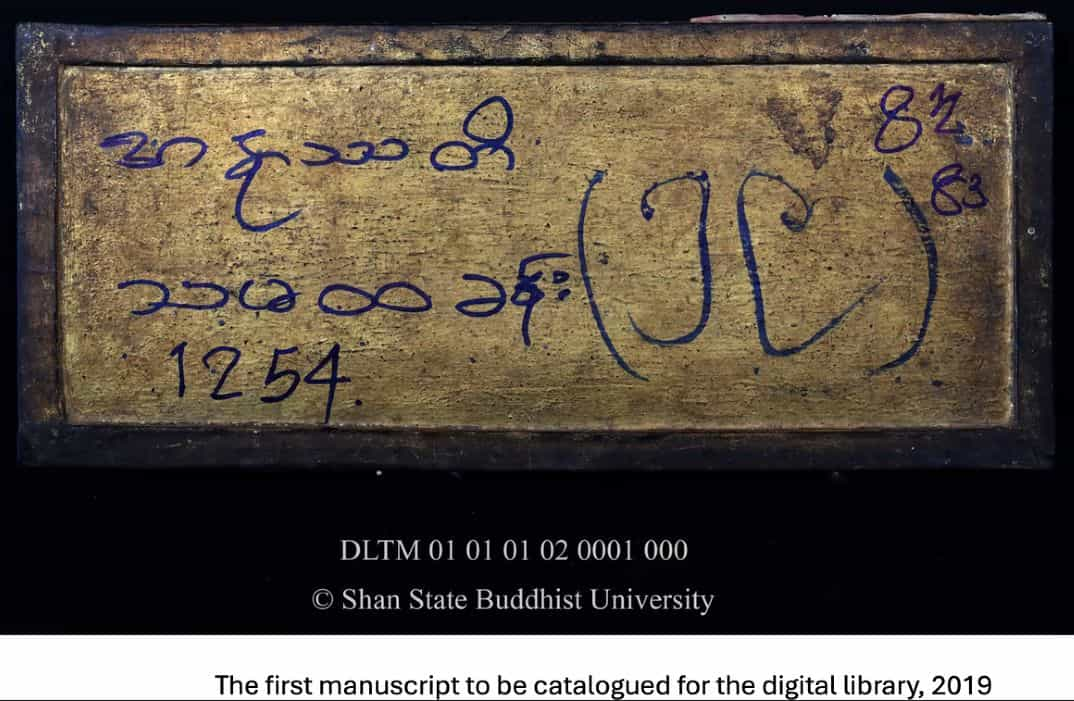
As material objects, manuscripts function as powerful symbols of identity. They preserve local scripts associated with multiple ethnic groups, demonstrating linguistic diversity and regional autonomy in textual production. Their artistic features, binding techniques, and use of indigenous materials reinforce their value as cultural artefacts, not solely as carriers of text.
SSBU today holds the largest collection of Shan State manuscripts in the world, surpassing smaller collections housed in institutions in Washington DC, London, Cambridge, and Germany. This positions the university as a central hub for manuscript-based research on Shan and related traditions.
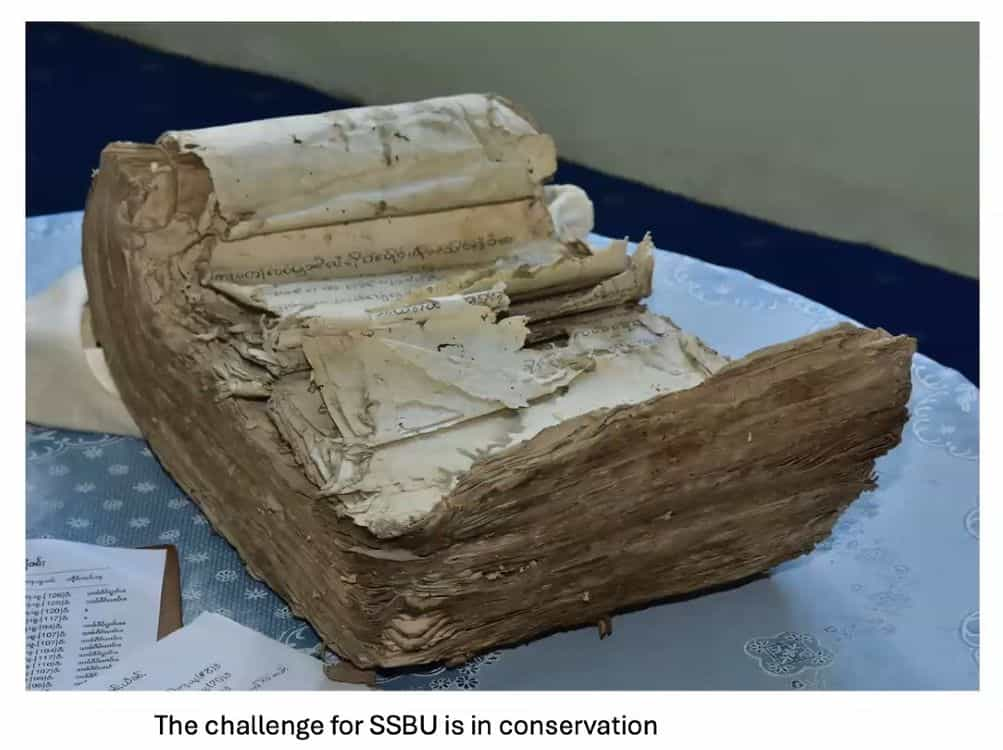
The seminar briefly situates these materials within a broader historical framework. Manuscripts preserve the Buddha’s teachings, first transcribed into writing in Sri Lanka between approximately 29 and 17 CE. The writing and standardisation of the Pāli Canon took several centuries, and throughout history, manuscripts were repeatedly copied due to their vulnerability to climate and insect damage, especially those made from palm leaf and saa (mulberry paper). Periods of intensive manuscript production, such as the nineteenth century, often coincided with strong lay patronage.
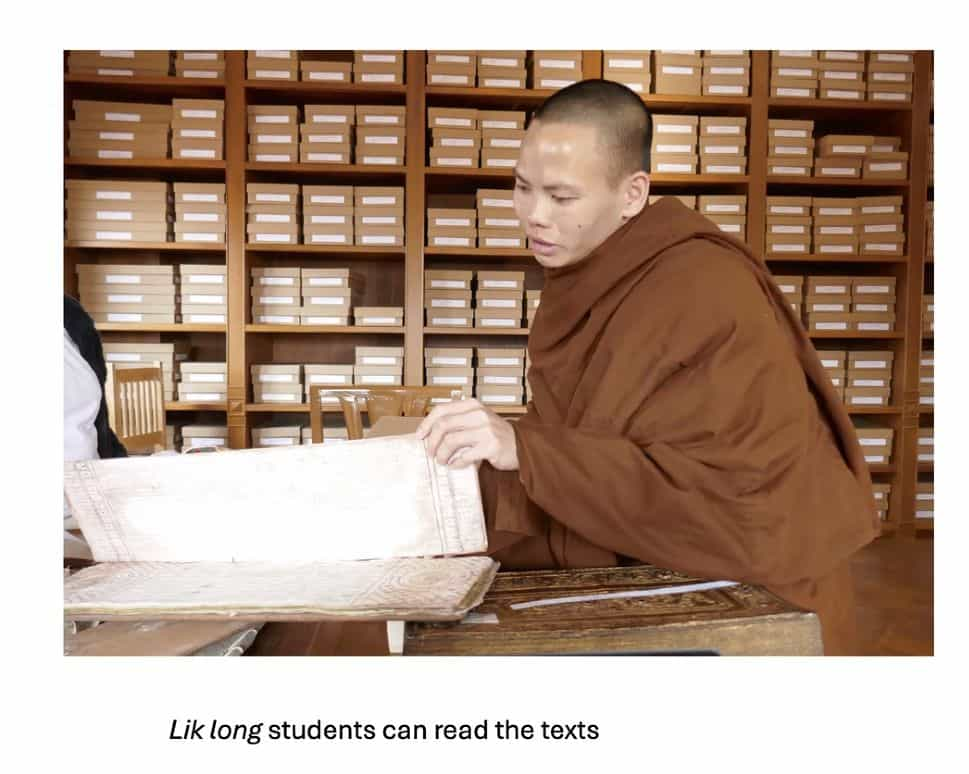
Attention is also given to reading and interpreting manuscript scripts. SSBU currently has students trained in lik long who can read Tai Yai script, with the aim that each student will translate at least one manuscript. Importantly, the inclusion of minority-language manuscripts remains a central research priority.
Finally, the seminar outlines future plans, including translation into modern Shan and minority scripts, student-led research into historical, astrological, and cosmological aspects of manuscripts, and applications for further grants to support conservation, research, and publication. Through these efforts, SSBU continues to safeguard and revitalise a rich manuscript tradition for future generations of scholars and practitioners.