Tai Tipiṭaka Offering Ceremony at Shan State Buddhist University
23 February 2026
Sima Hall
Shan State Buddhist University, Taunggyi, Myanmar
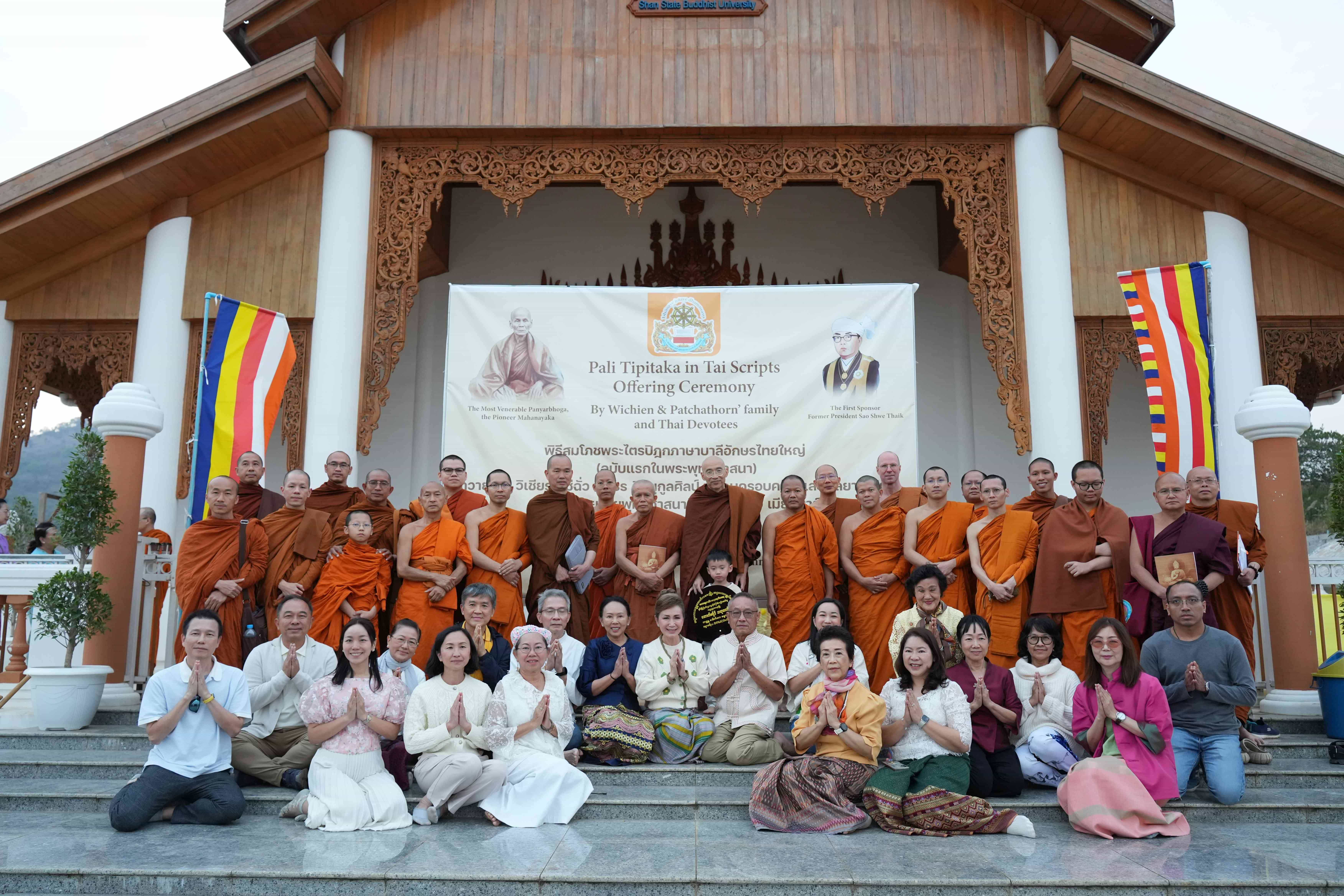
On the afternoon of 23 February 2026, Shan State Buddhist University (SSBU) held the Tai Tipiṭaka Offering Ceremony, an important religious observance conducted as part of the university’s 10th Founding Anniversary celebrations. The event took place at 4:00 PM in Sima Hall, SSBU, and brought together Thai devotees from Thailand, monastics of diverse lineages, and members of the SSBU community in a solemn act of devotion to the Buddha’s teachings (Dhamma).
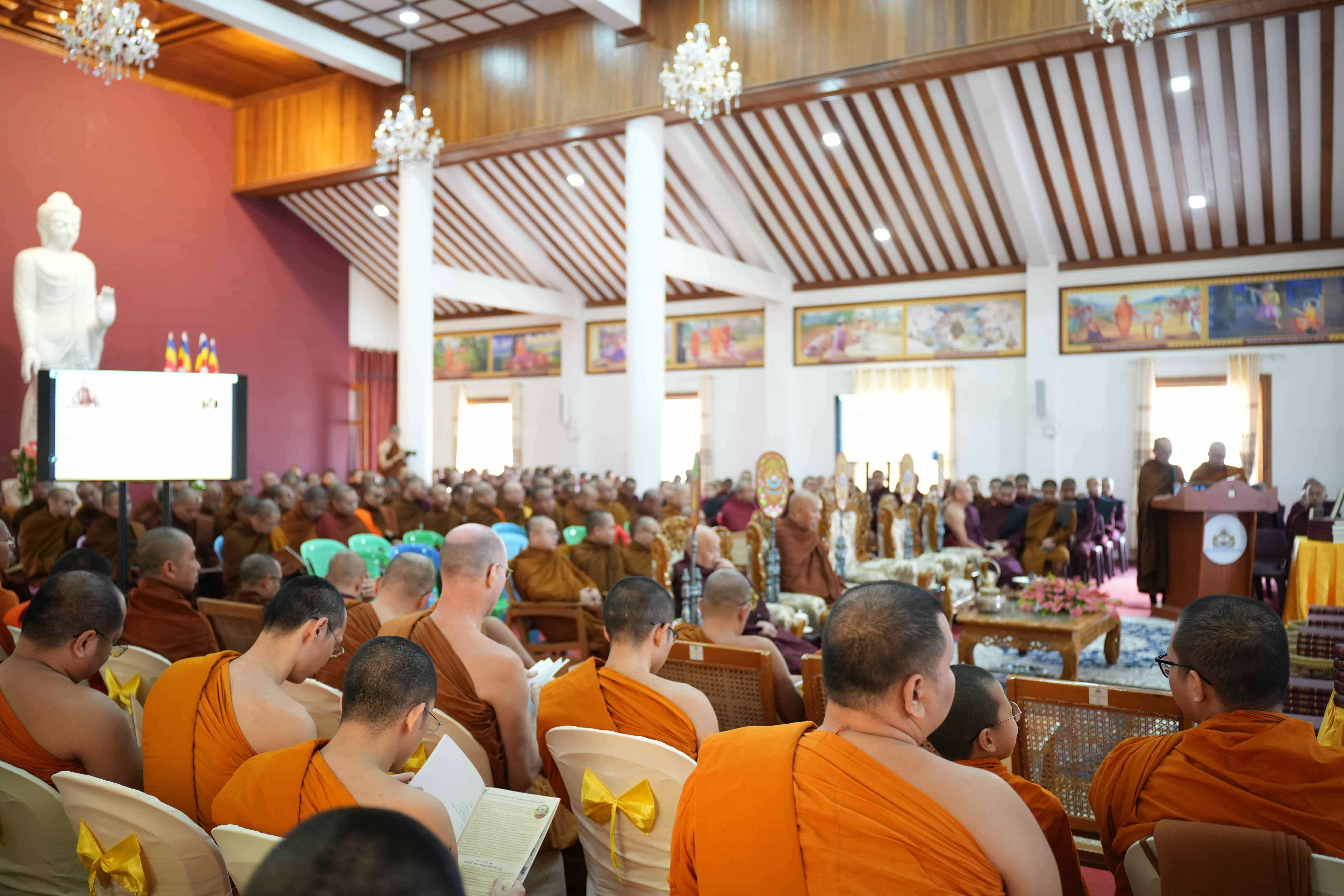
The proceedings were interpreted across multiple languages, with the assistance of Dr. Ven. Pannabhoga, Dean of SSBU, serving as translator in Tai, English, and Myanmar, and Pharamaha Sena, Lecturer and Assistant to the Abbot of Oxford Buddha Vihara (United Kingdom), functioning as Master of Ceremonies and Thai-language translator.
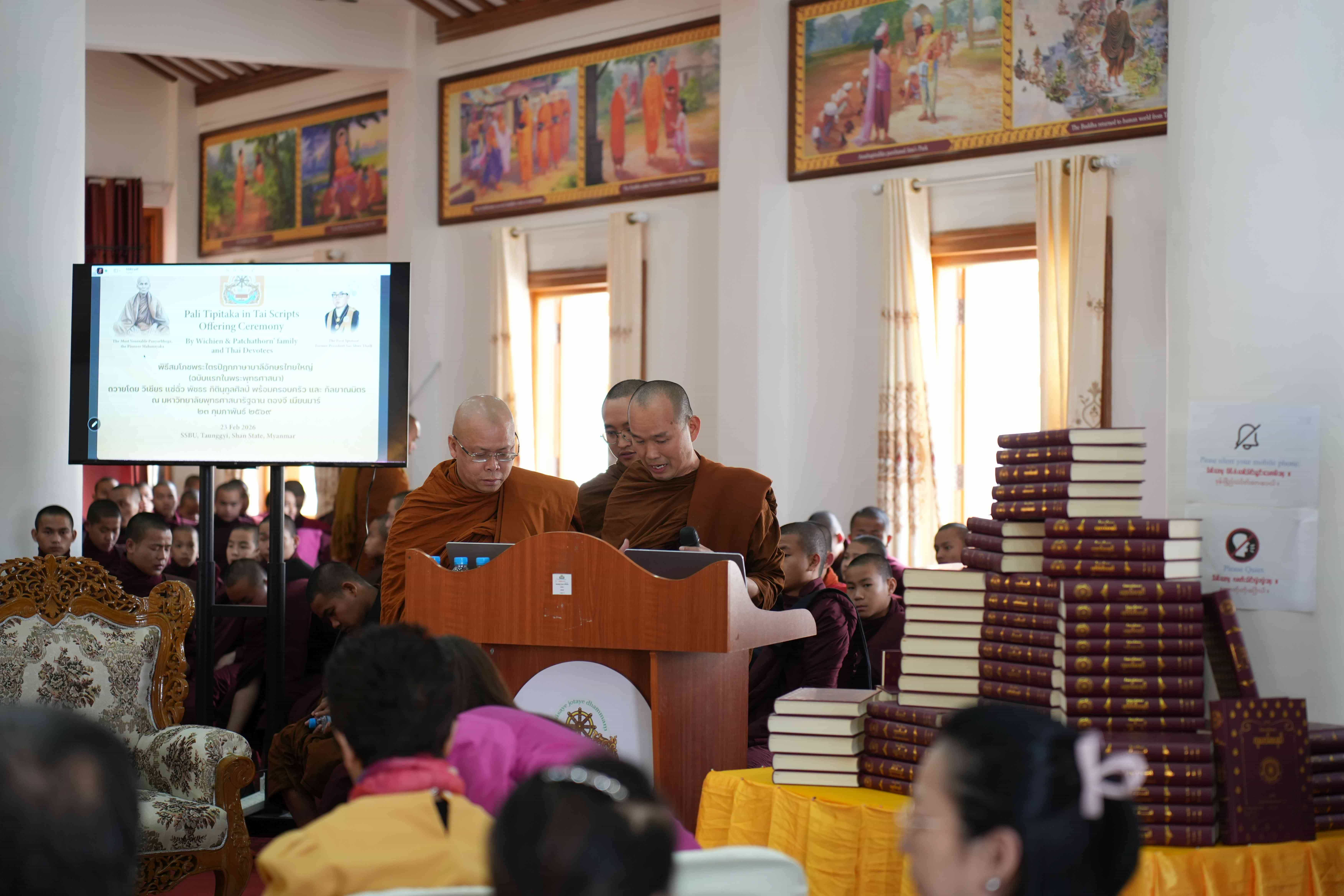
The ceremony opened in the early afternoon when participants assembled in Sima Hall, a consecrated ecclesiastical space defined according to Vinaya tradition for formal acts of monastic and lay participation in the Buddhist dispensation (sāsana). After all guests were seated, lay devotees were invited to observe the Five Precepts, the foundational ethical commitments of Buddhist practice, underscoring the moral context for engaging in the offering of sacred texts and support to the Sangha.
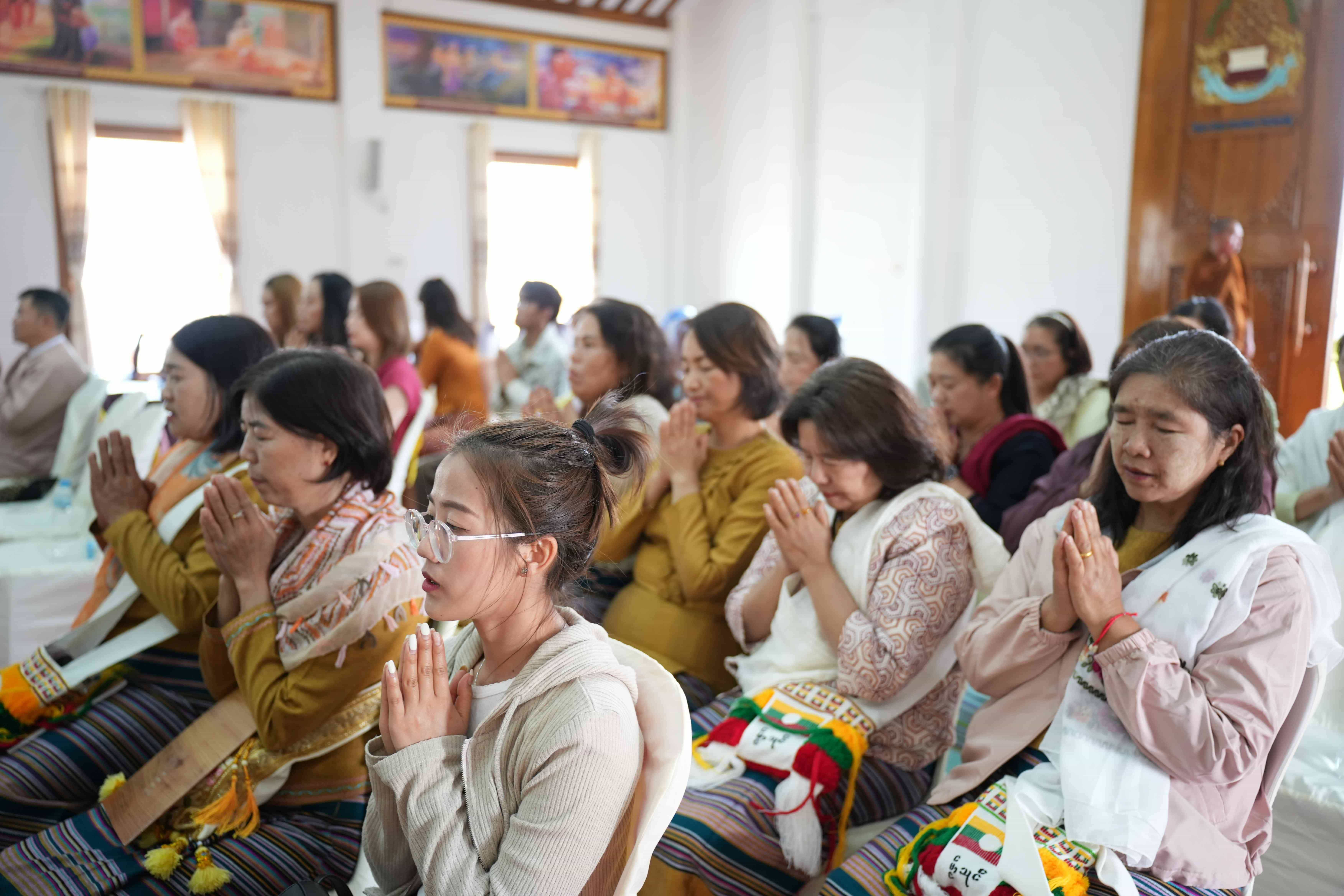
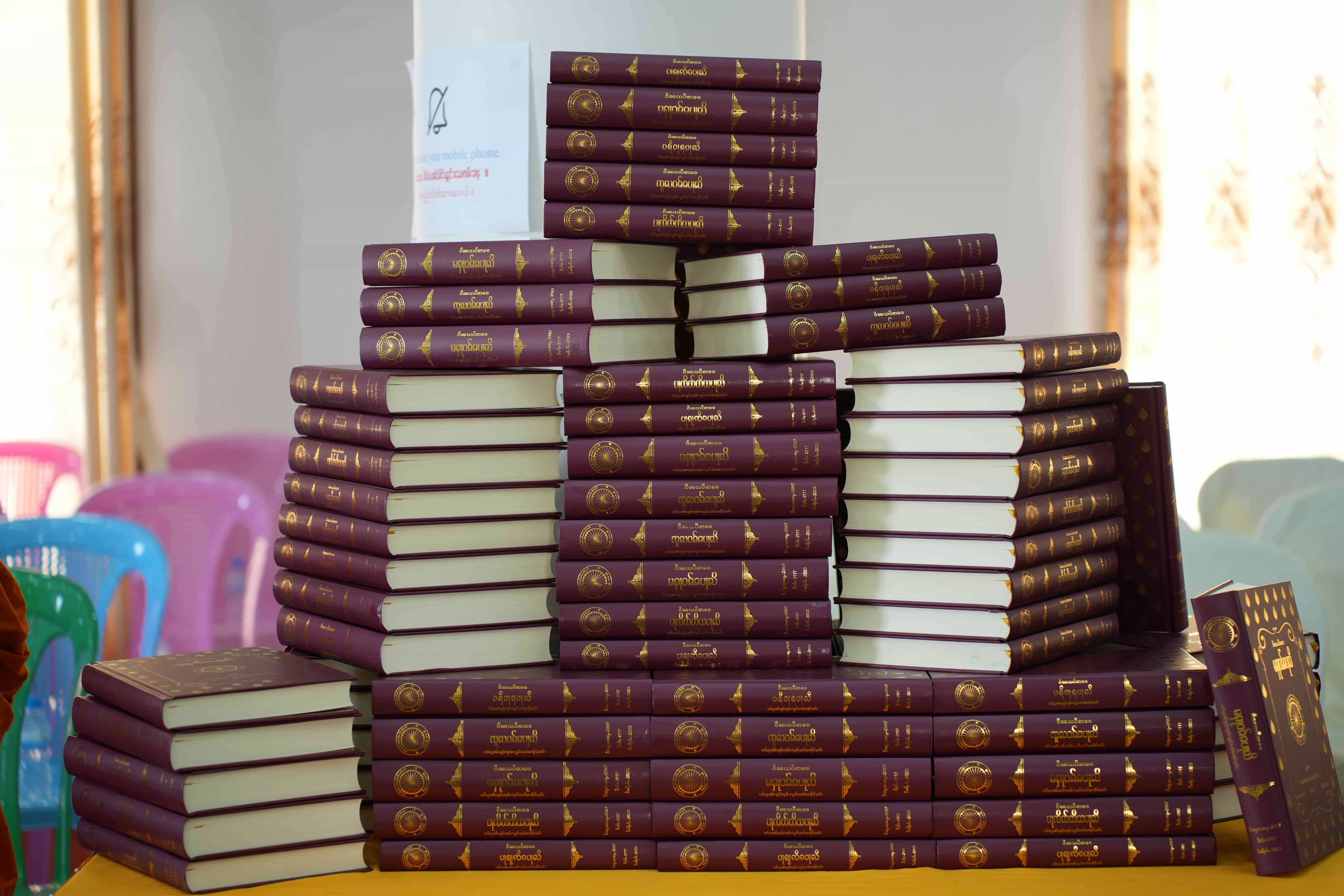
Following the administration of the precepts, members of the monastic Sangha chanted the Metta Sutta, a canonical discourse invoking universal loving-kindness and embodying the compassionate heart of the Buddha’s teaching. This chant preceded the central act of the ceremony: the formal donation of the Tipiṭaka and other offertories.
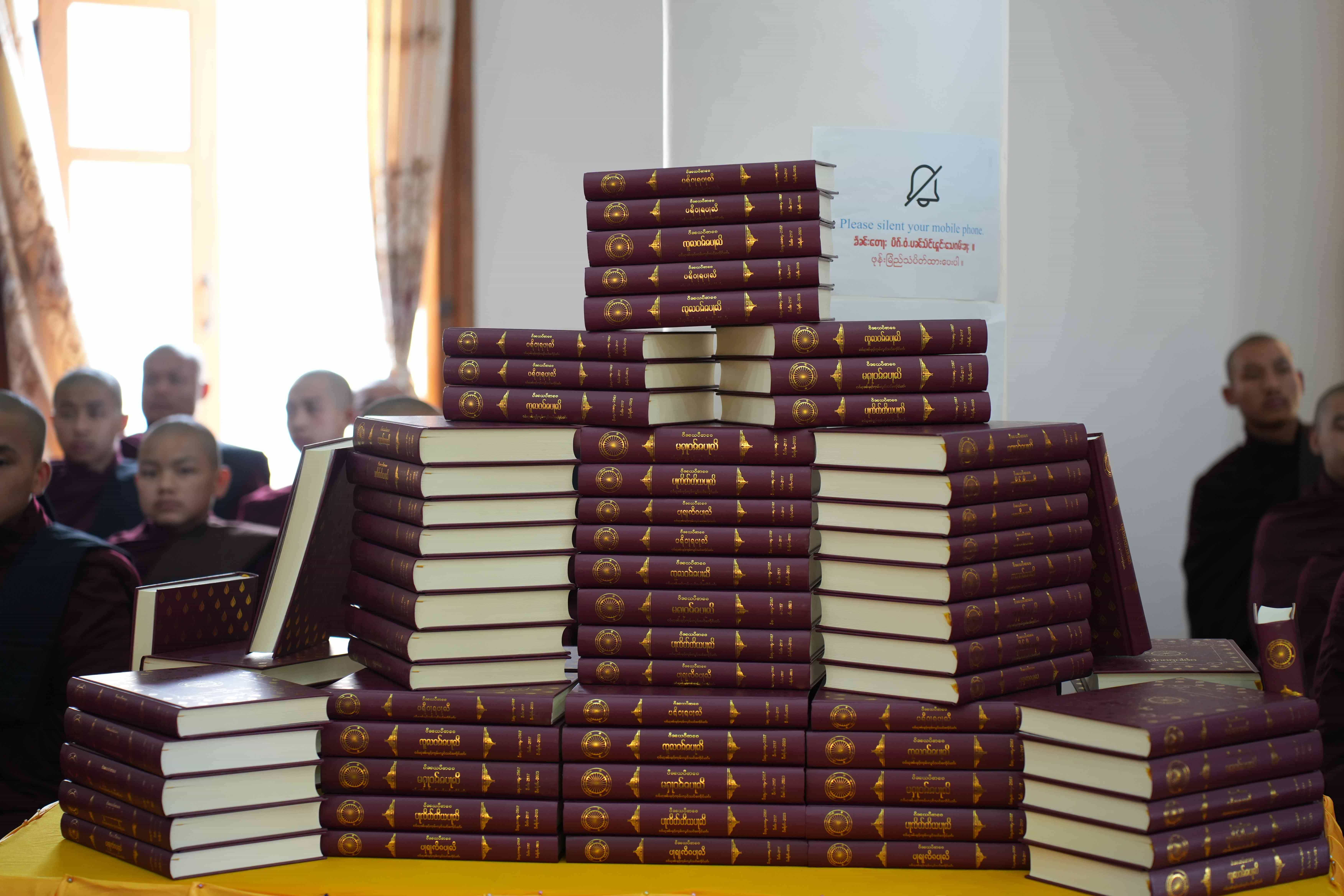
The Tipiṭaka, known as the “Three Baskets,” constitutes the canonical foundation of Theravāda Buddhism, encompassing the Vinaya Piṭaka (monastic discipline), Sutta Piṭaka (discourses of the Buddha), and Abhidhamma Piṭaka (philosophical analysis), and remains the primary scriptural corpus for monastic study and practice across Southeast Asia and beyond.
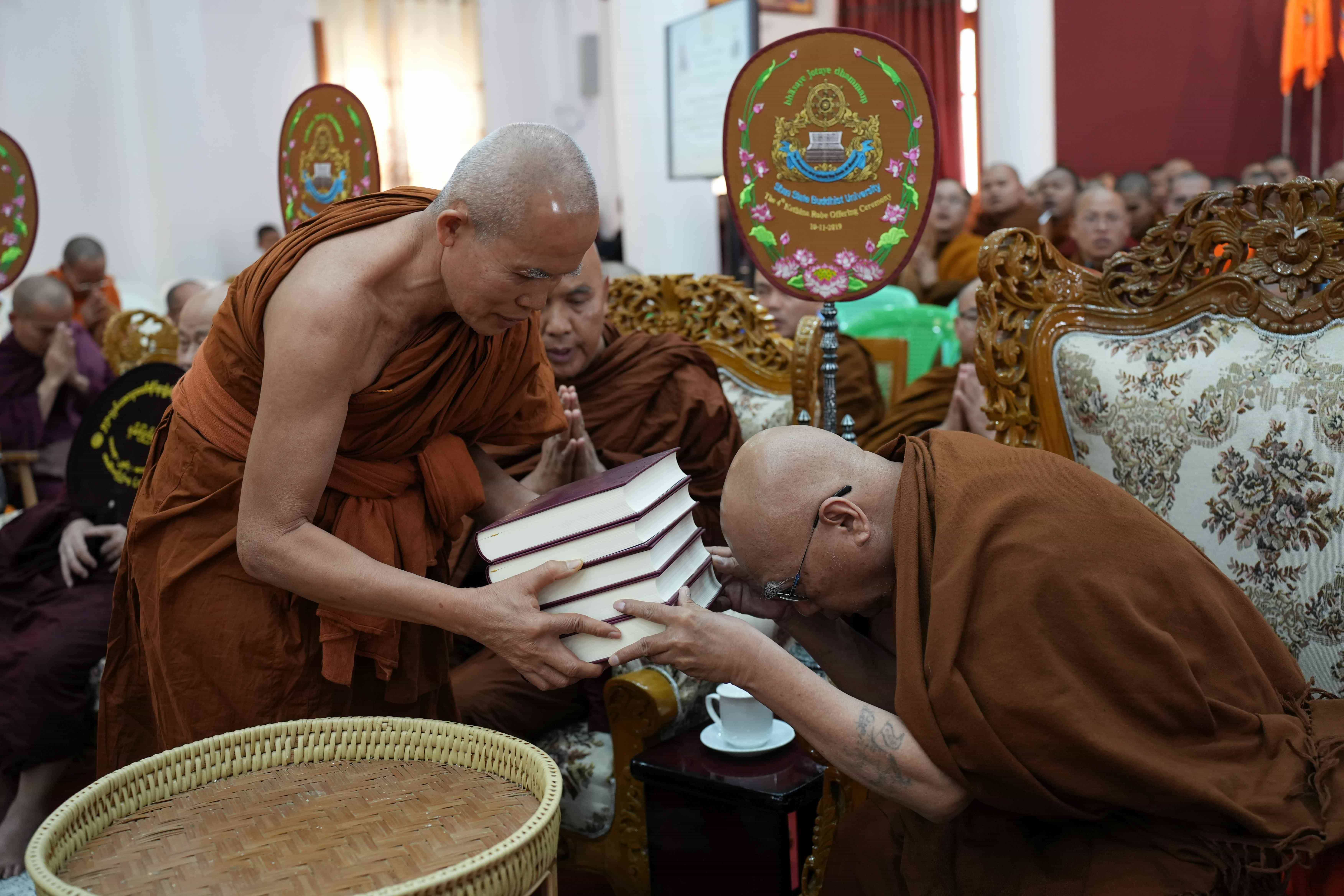
Generous donors included Luong Pho Phan, Novice Nabphum & Novice Nabphob, the Wiehien & Patehathorn family, the Thongehai & Piehawadees family, Wanna & Pim Sorn, and other lay supporters who brought offerings in a spirit of communal merit-making.
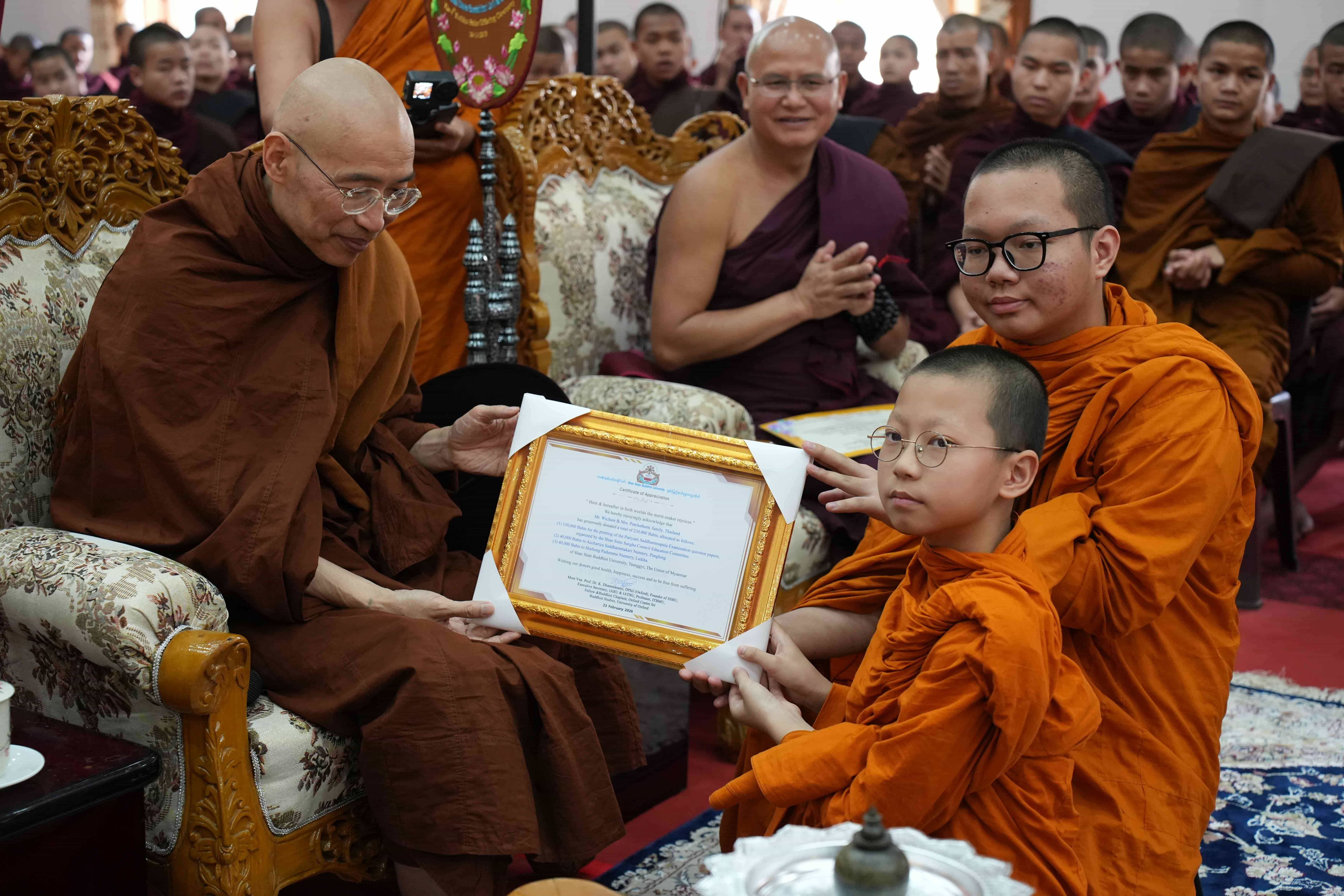
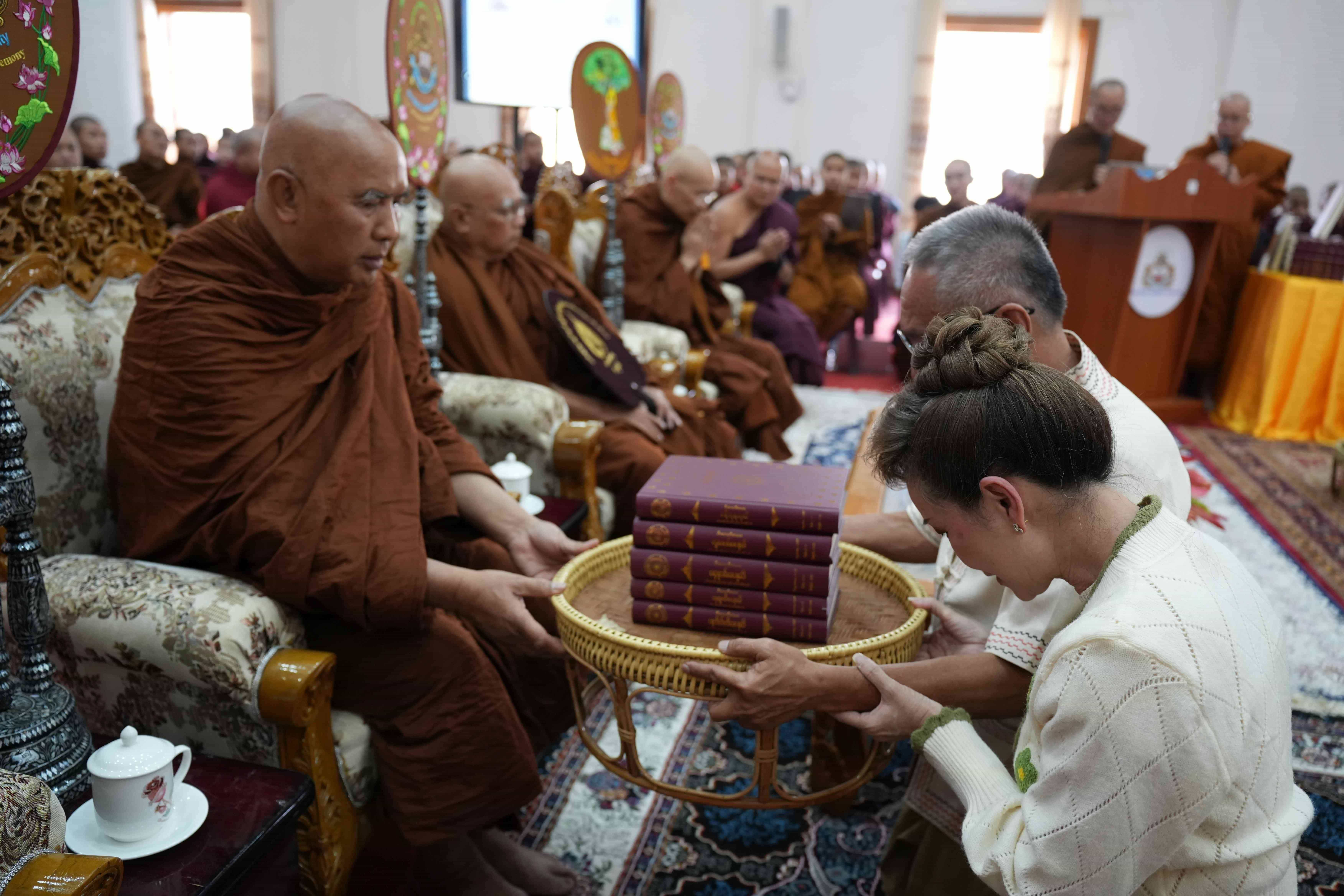
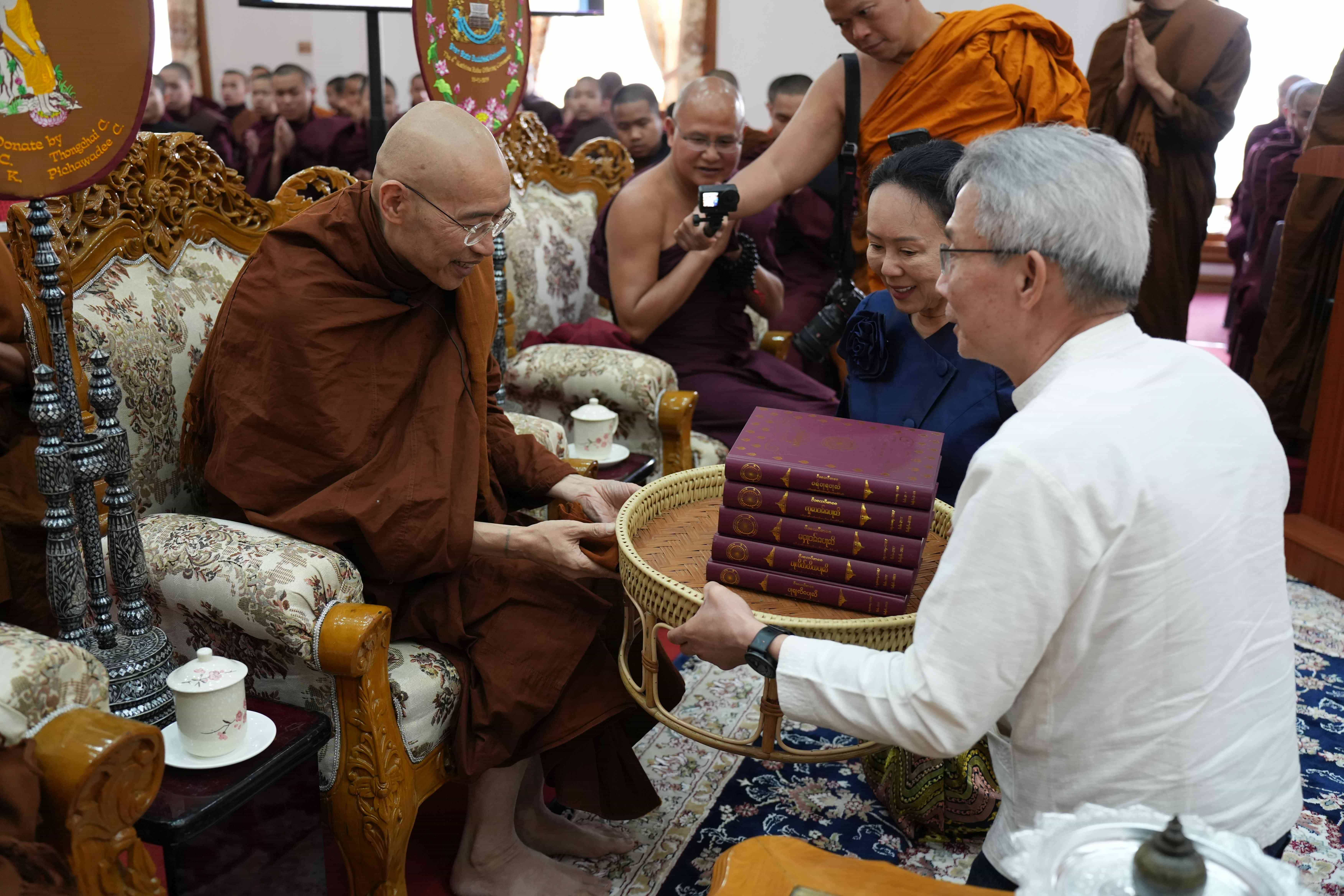
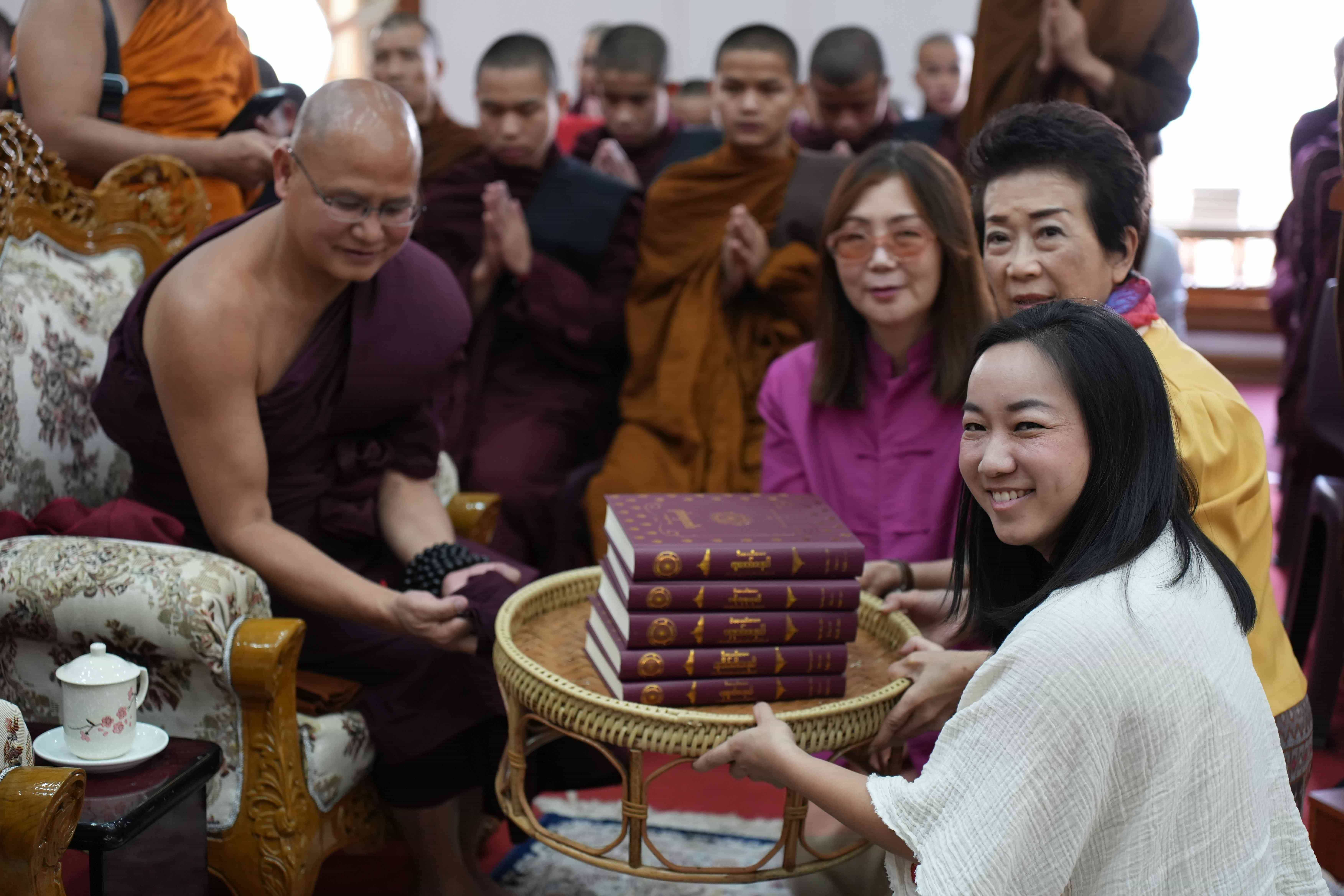
After the offerings were respectfully placed before the Sangha, the Most Ven. Nandavamsa, serving as the head of the Tai Tipiṭaka Translation Committee under the Pariyattisadhammapāla (Supporters of Scriptural Study) Committee, delivered the Anumodana Katha.
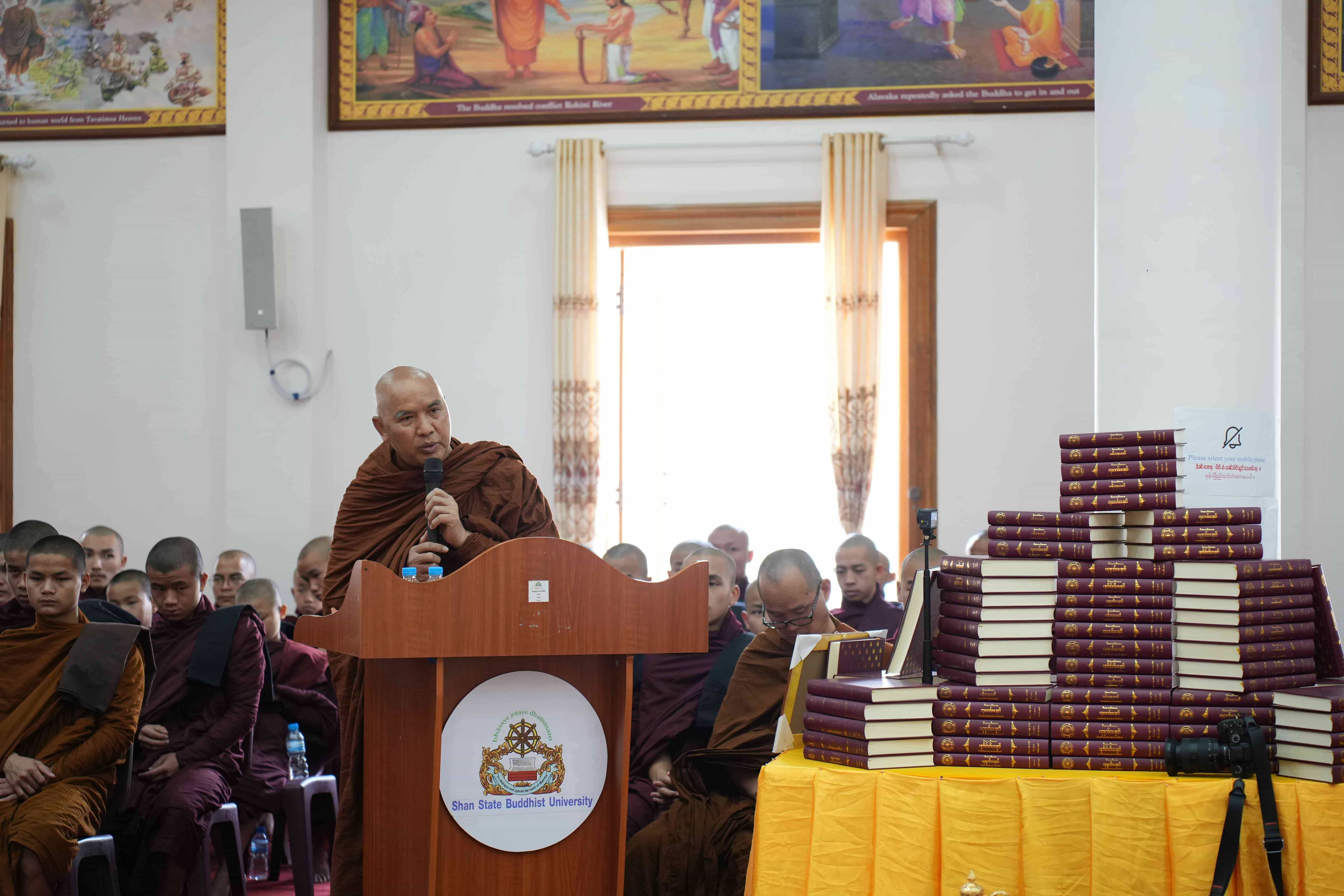
This traditional verse of rejoicing expresses deep appreciation for meritorious acts that uphold the Buddhist teachings, affirming the significance of the Tipiṭaka as a living source of insight for monastics and lay practitioners. A summary of the address was then presented in Thai by Pharamaha Sena to ensure comprehension among Thai guests.
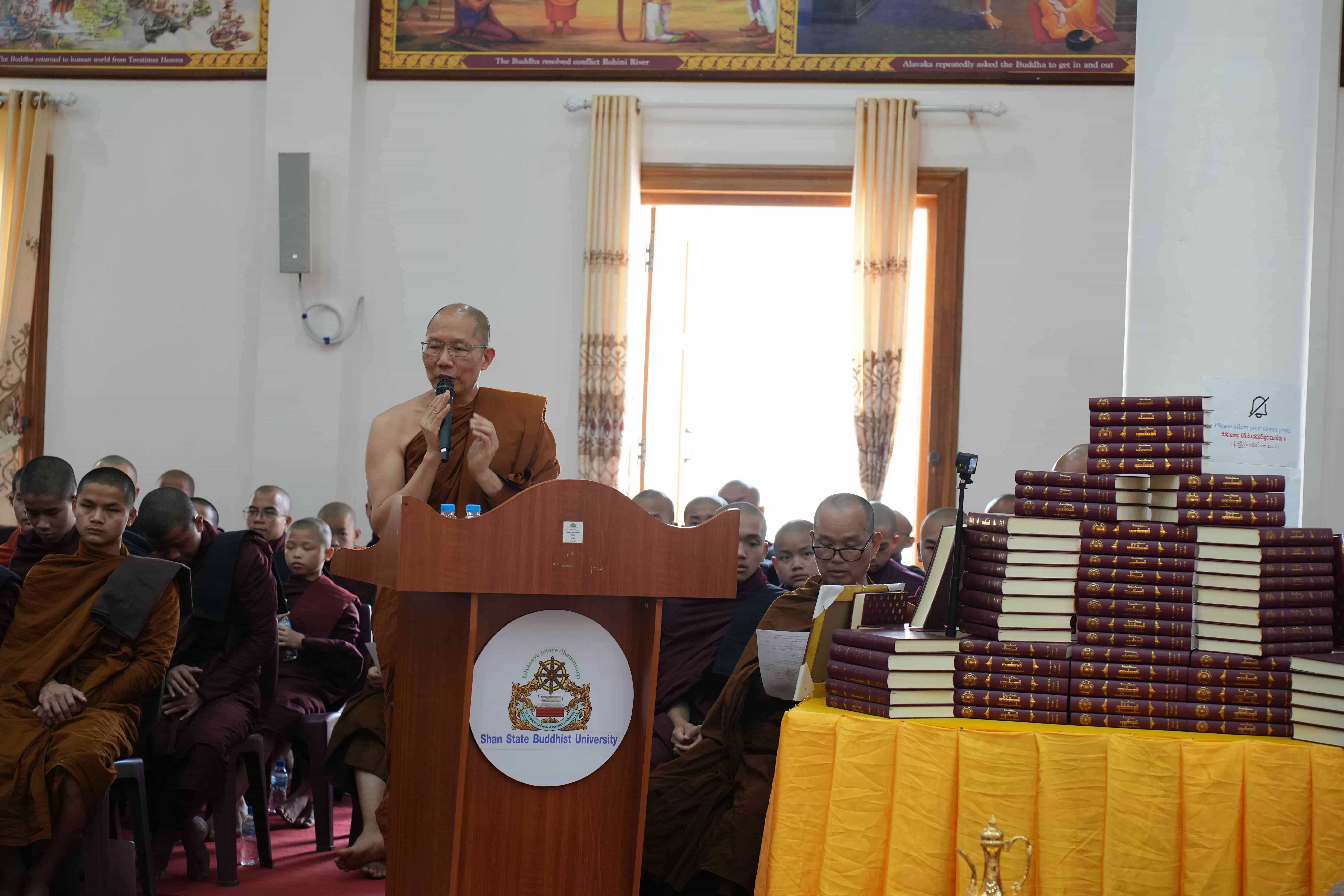
The next section of the programme afforded an opportunity for one of the visiting Thai devotees to express personal reflections on the ceremony, recounting the significance of the Tipiṭaka donation in their own cultural and spiritual context.
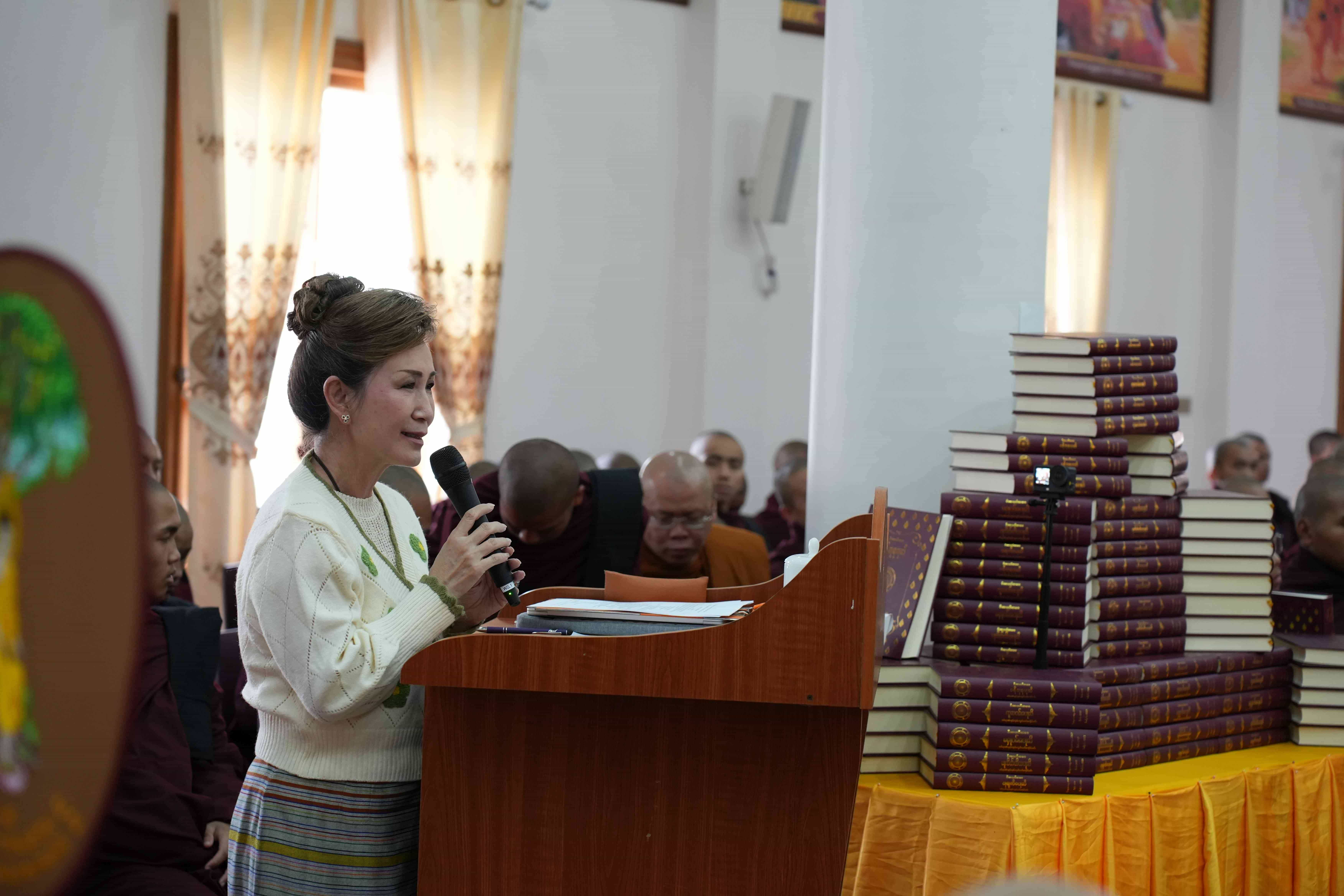
This exchange was followed by summaries translated into Shan and Myanmar by Dr. Pannabhoga, reflecting SSBU’s inclusive linguistic approach to religious communication.
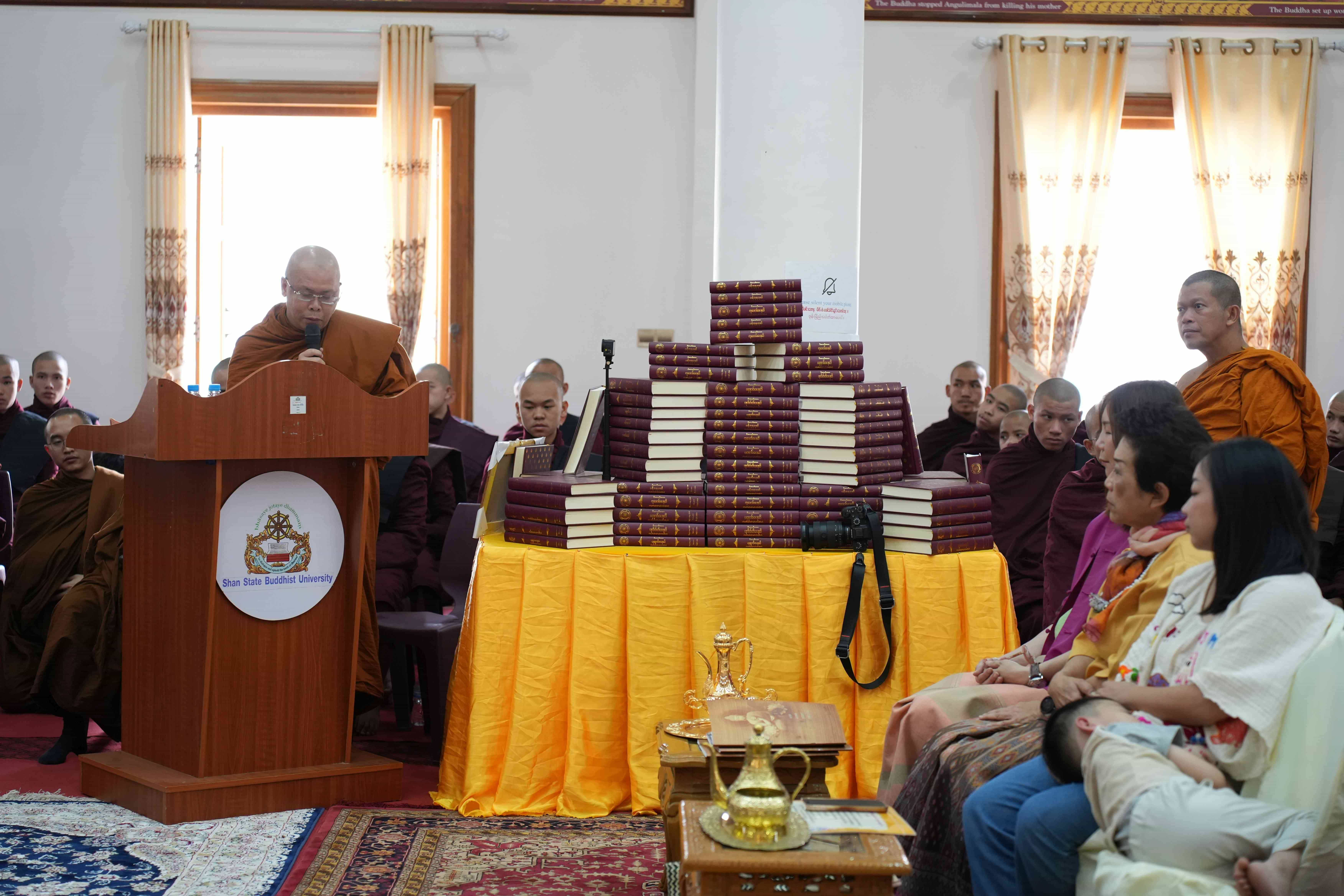
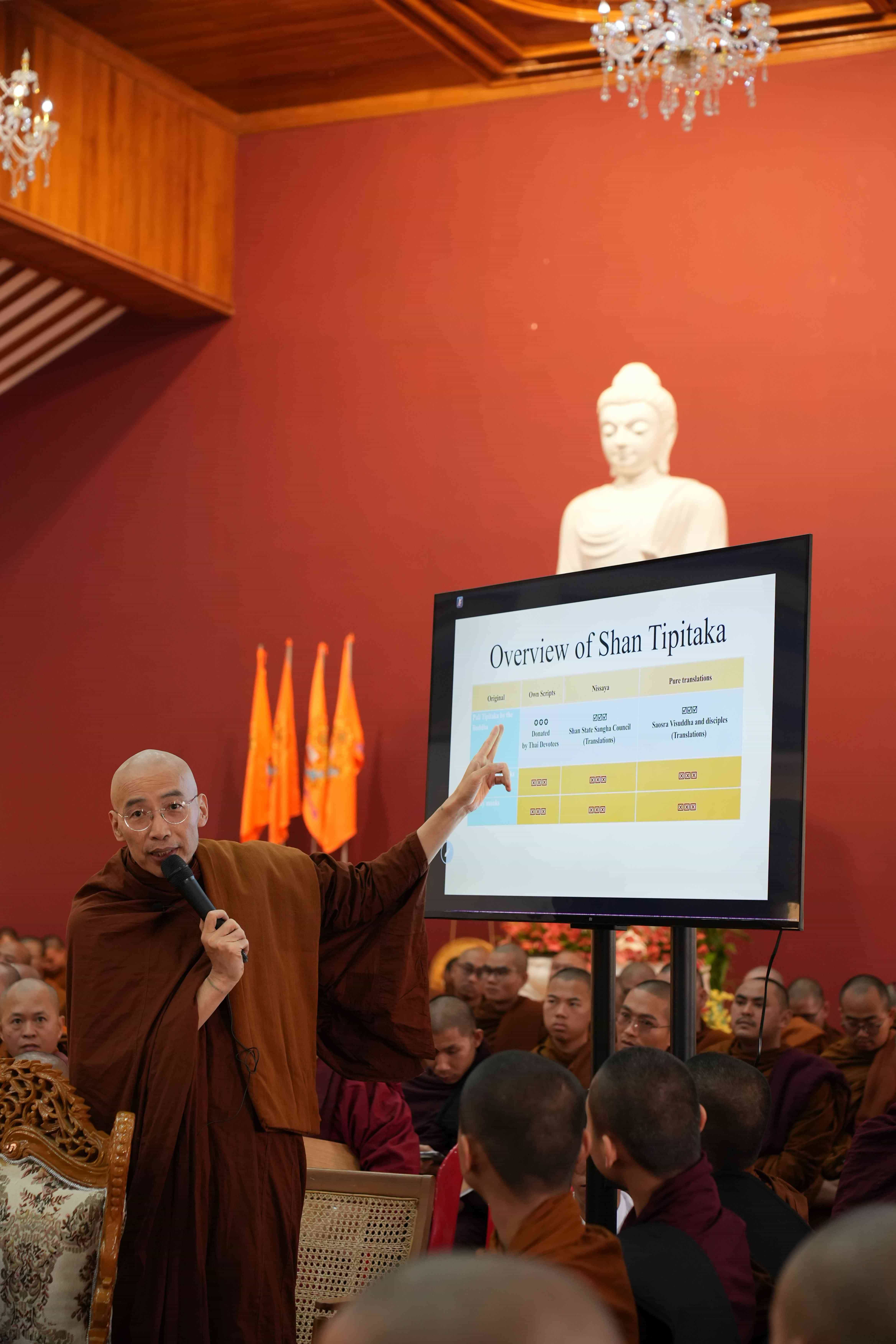
A pivotal address was then given by Prof. Dr. K. Dhammasami, Secretary of the Pariyatti Saddhammapāla Committee, who spoke in three languages. Prof. Dr. Dhammasami’s remarks reflected on the enduring role of scriptural offerings in sustaining the vitality of the Buddha’s dispensation. In Theravāda practice, offering the Tipiṭaka and supporting its transmission through study and recitation are recognized as profound acts of dhammadāna, donation of the Dhamma, whose merits benefit both individual practitioners and the wider community.
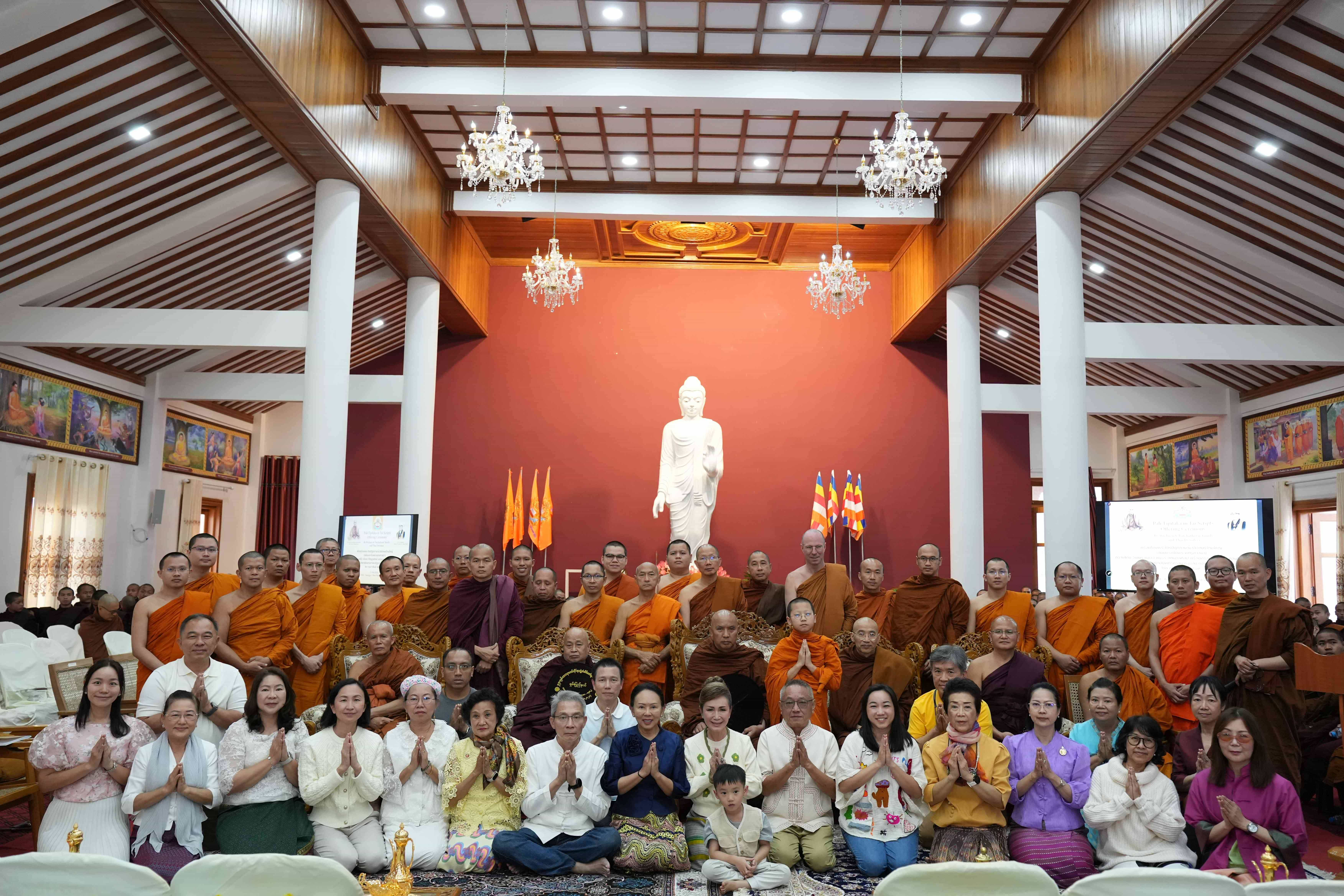
The formal part of the ceremony concluded with the sharing of merit, a collective act of goodwill whereby the merits accrued through the offering were dedicated universally, to all beings, to the flourishing of the Dhamma, and to the unity of the Buddhist sangha. Participants then assembled for group photographs with the Most Venerable Sayadaw, Prof. Dr. K. Dhammasami, symbolising the shared purpose of the gathering and the strengthening of inter-monastic and lay bonds.
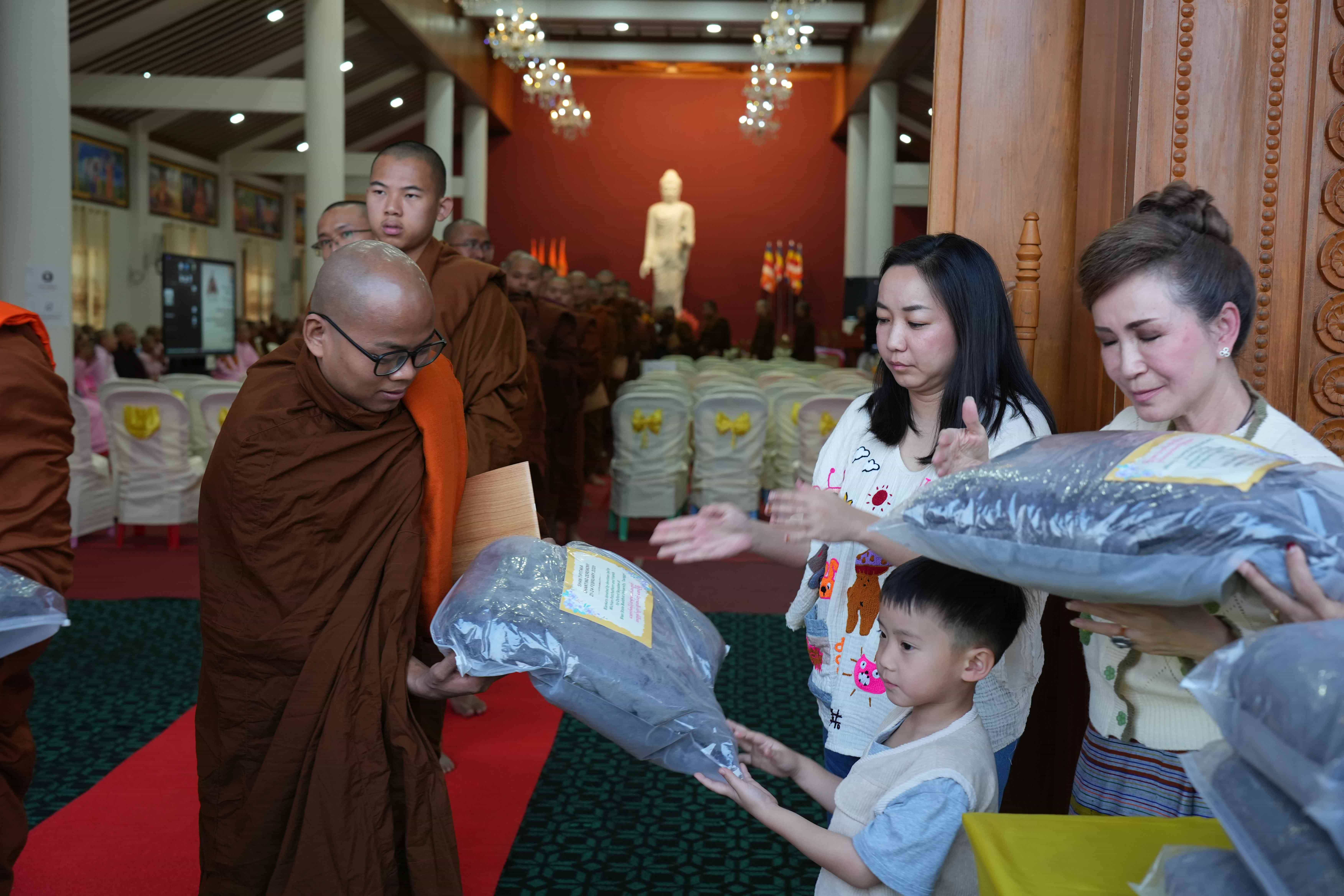
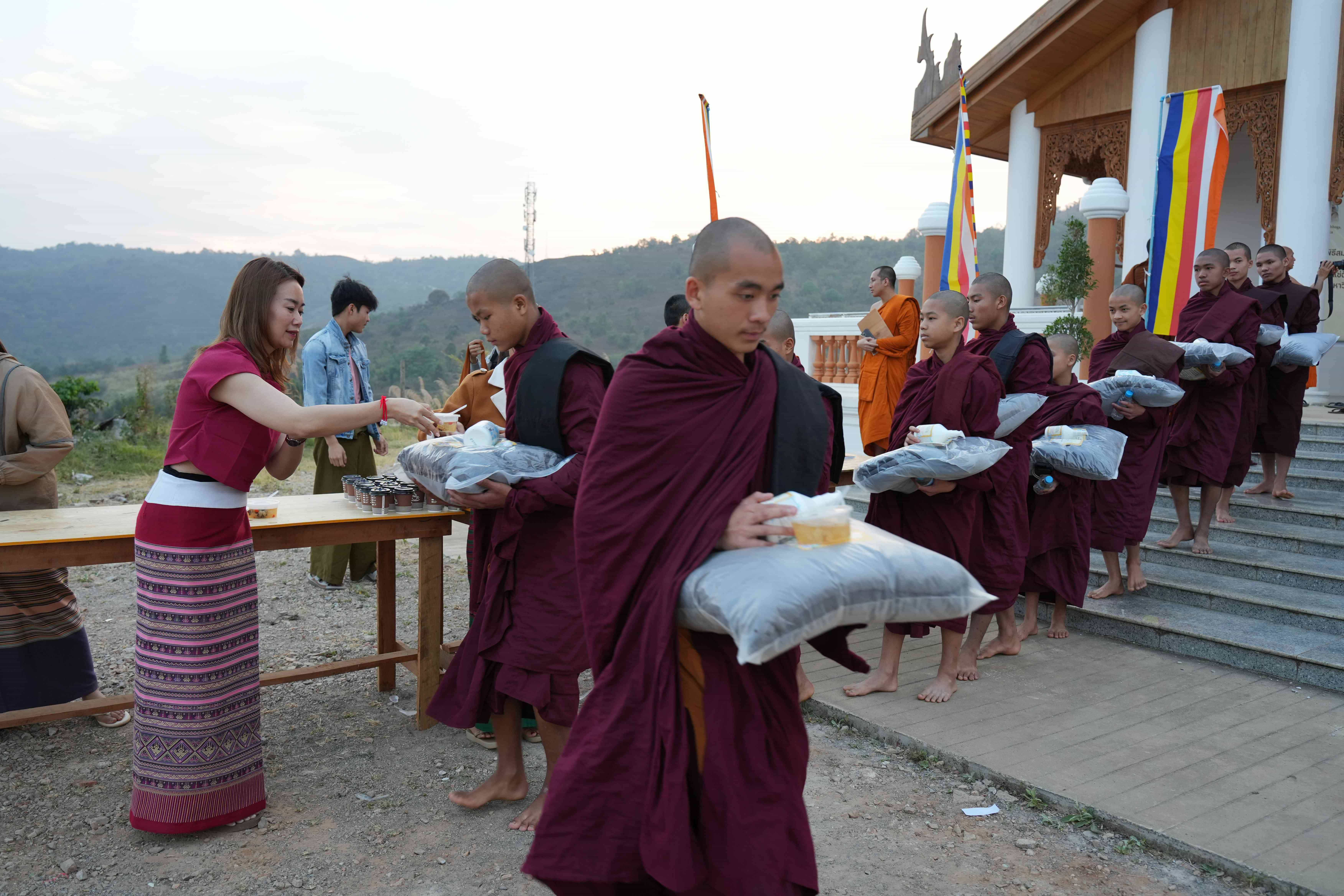
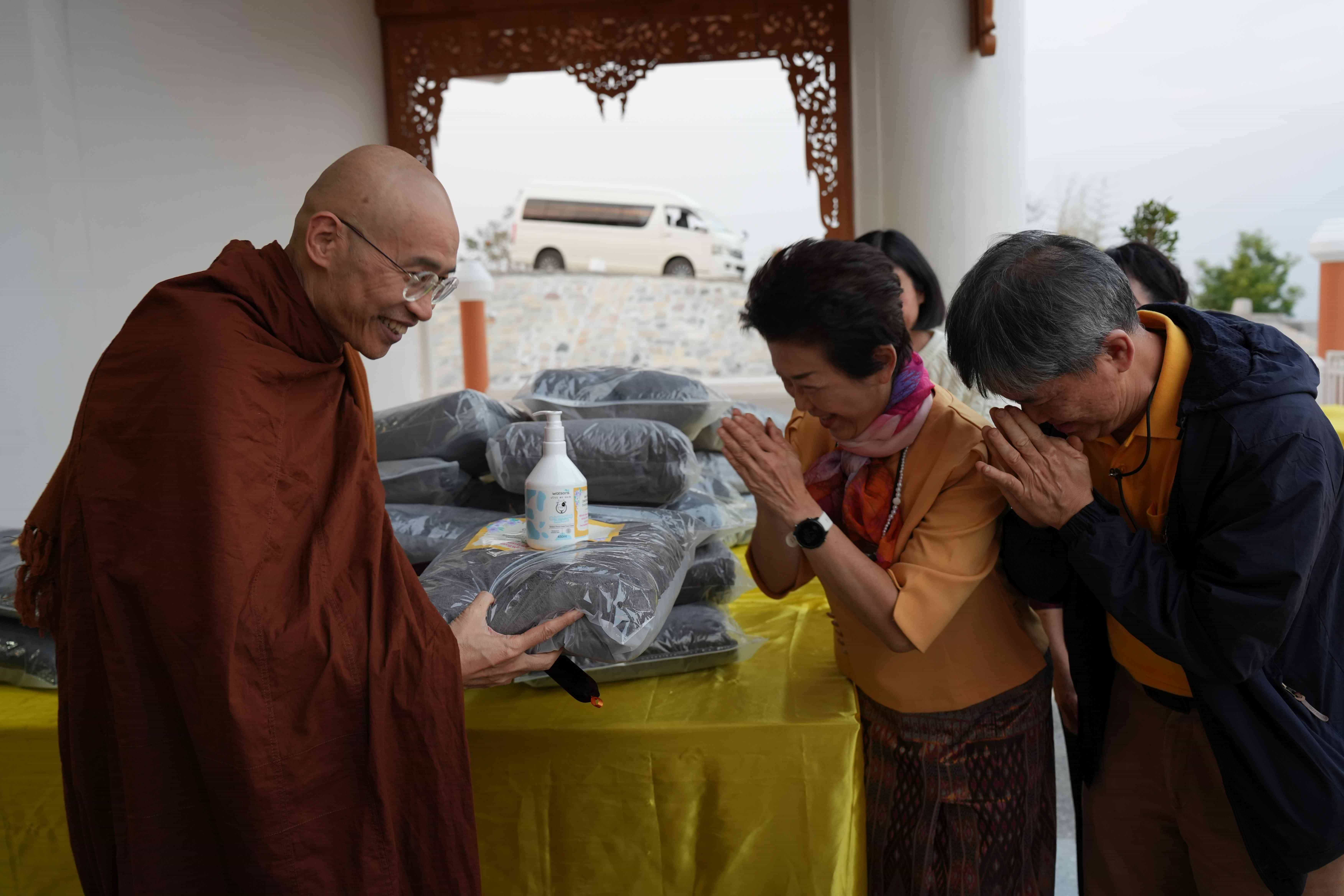
Thereafter, Thai devotees and lay supporters positioned their additional offerings at the entrance of Sima Hall in orderly sequence, acknowledging the reverential distribution of offerings among religious recipients. The subsequent reception of offerings followed an established order: first to the most venerable monks present, followed by representatives from Veluvana Monastery, Tipiṭaka Monastery, Gandha-Vipassanā-Sasana-Laṅkara Monastery, the community of nuns, and finally to the SSBU Sangha and nuns. This carefully structured reception honours both monastic hierarchy and institutional affiliations within the broader Buddhist community.
By situating the Tai Tipiṭaka Offering Ceremony within the reflective context of SSBU’s 10th Founding Anniversary, the event underscored the integral role of scriptural support and international collaboration in preserving the Buddha’s teachings. It manifested a shared dedication among Thai and Myanmar Buddhists to the continuity of the Tipiṭaka as the foundation for study, practice, and ethical living, and reaffirmed the university’s commitment to fostering transnational engagements that sustain the Theravāda tradition and its scriptures for future generations.