Lectures on Buddhist Studies and Practices in Thailand
23 February 2026
KBZ International Meeting Hall
Shan State Buddhist University (SSBU), Taunggyi, Myanmar
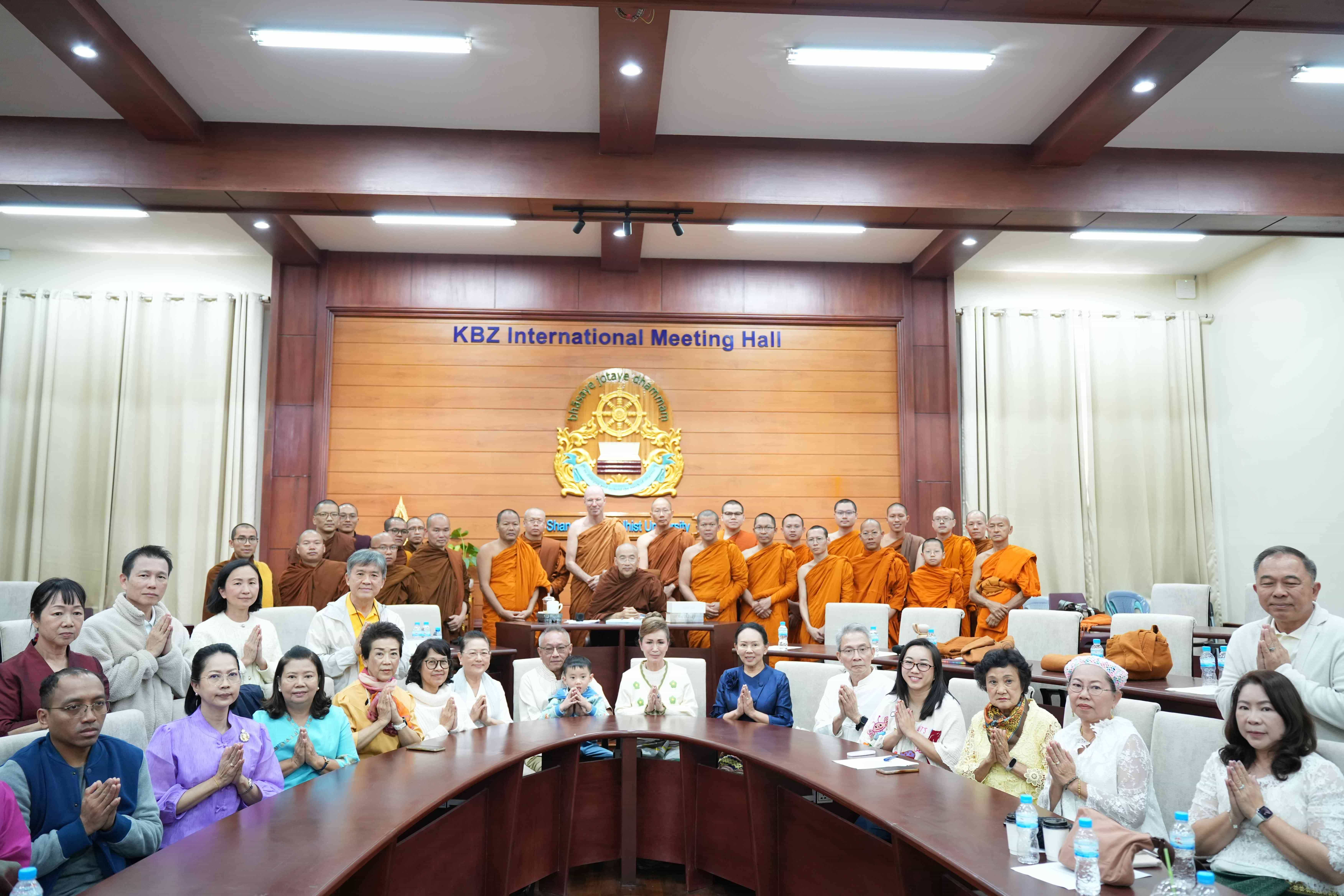
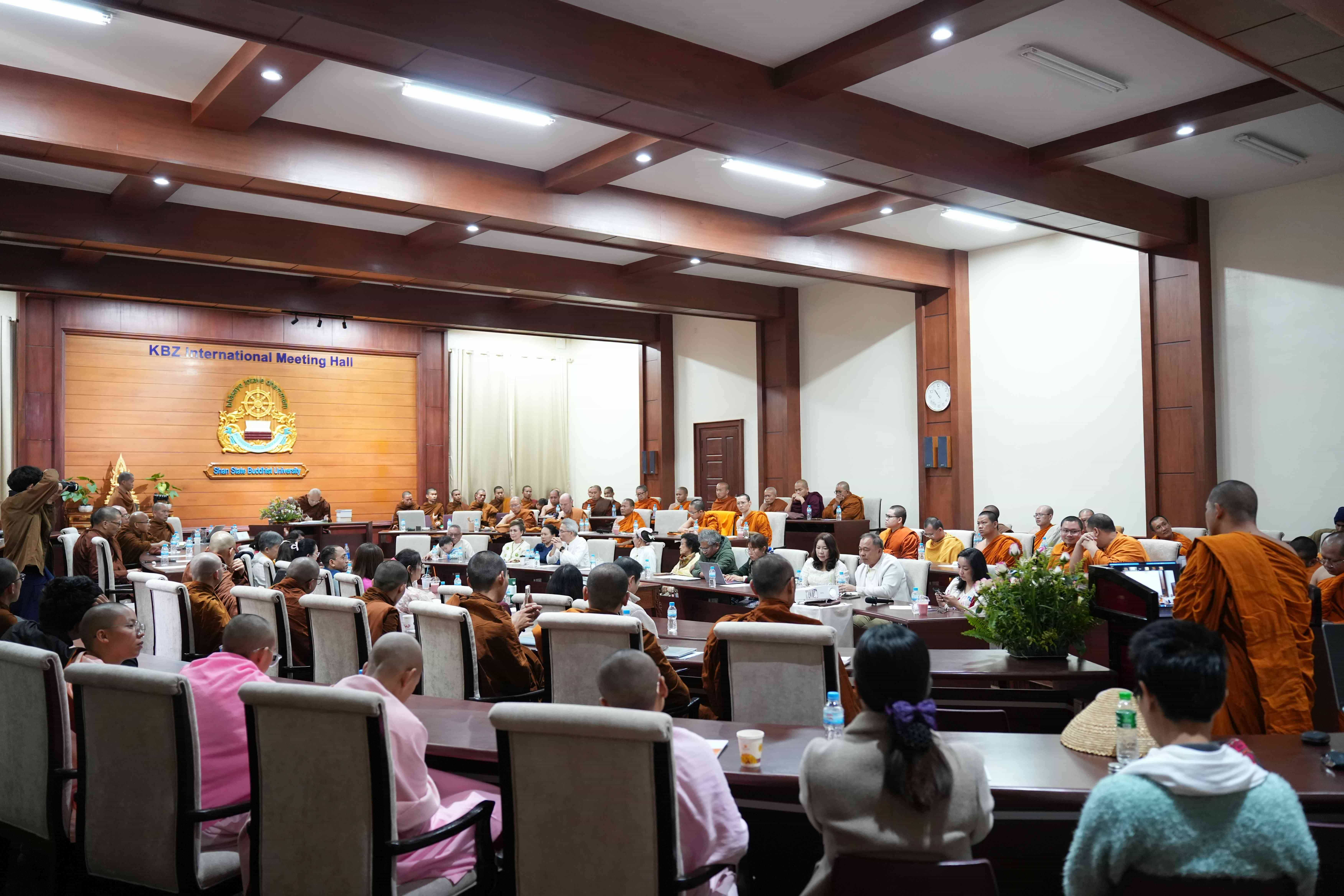
On 23 February 2026, Shan State Buddhist University (SSBU) convened a day of lectures on Buddhist studies and practices in Thailand as part of the university’s 10th Founding Anniversary activities. The event brought together eminent Thai monastic teachers and practitioners to share insights into meditation, Buddhist teaching, and Dhamma propagation. Hosted at the KBZ International Meeting Hall and guided with formal protocol by Venerable Mahasena as Master of Ceremonies, the programme was structured to reflect both scholarly and practical dimensions of Theravāda Buddhist tradition.
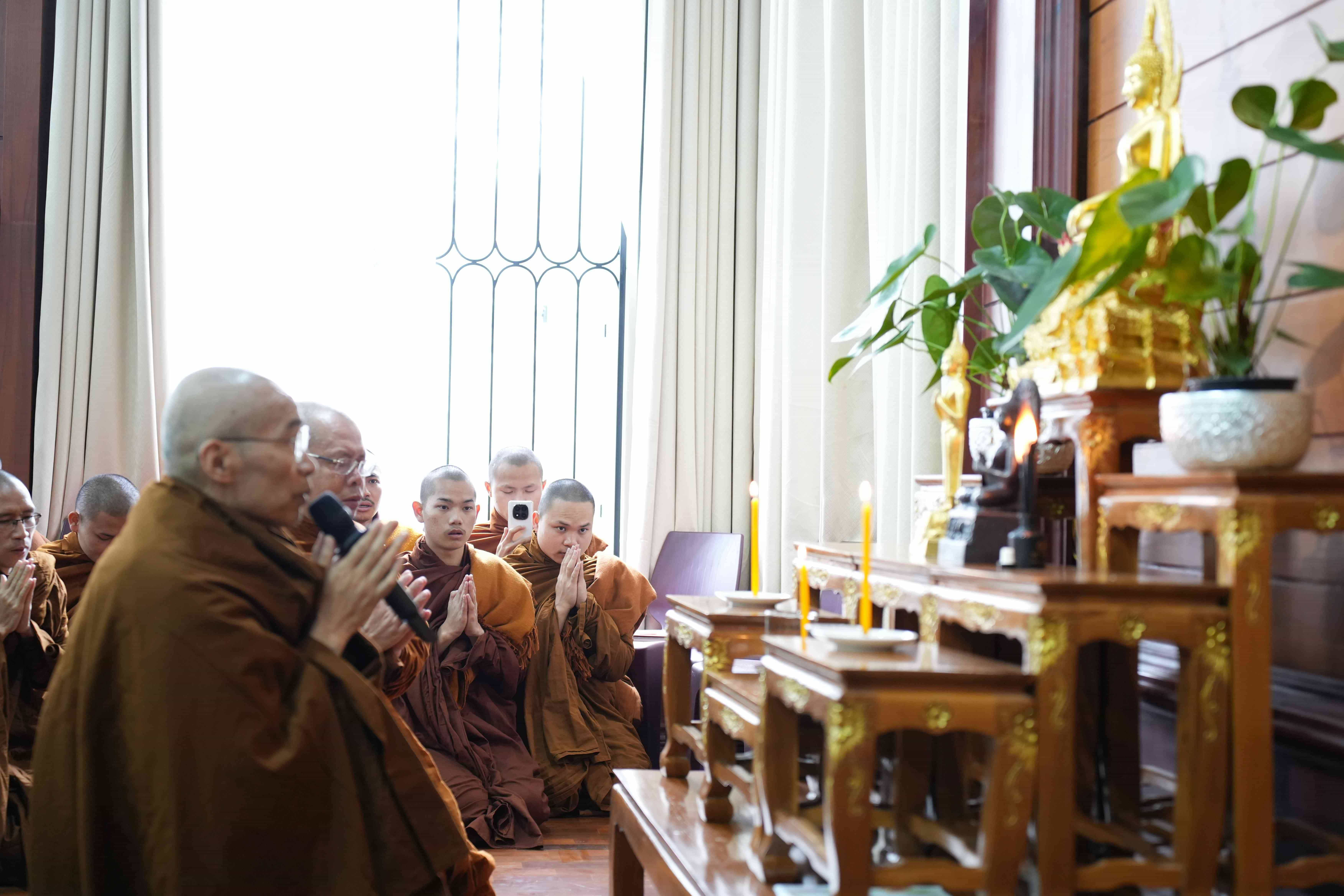
The program began at 8:10 a.m. with the lighting of the lamp and recitation of “Namo Tassa Bhagavato Arahato Sammā Sambuddhassa” in homage to the Triple Gem. This auspicious ritual was led by the Most Venerable Rector of SSBU, Dr. Khammai Dhammasami, establishing a solemn and reflective tone in accordance with traditional Buddhist ceremonial practice.
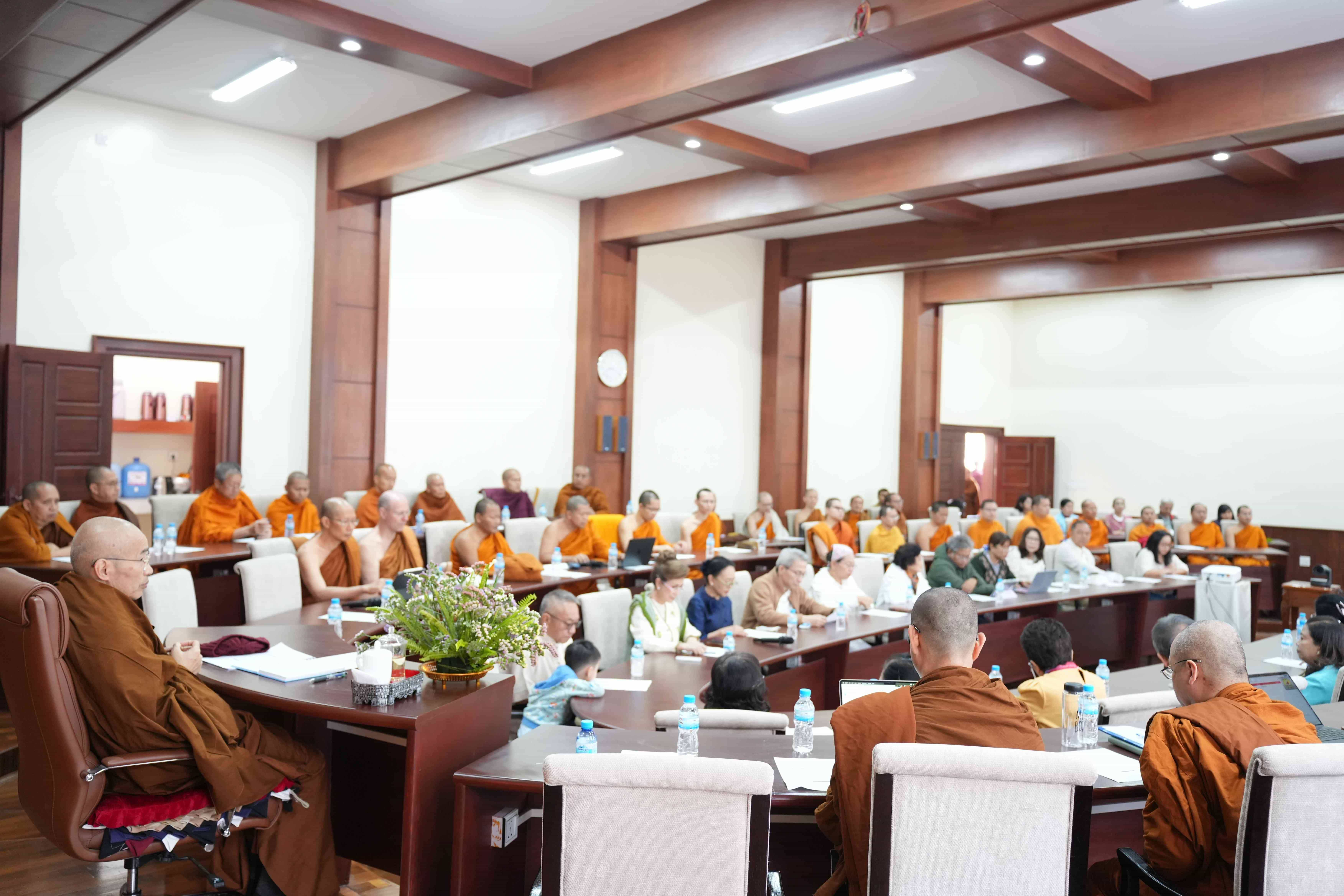
The first lecture, delivered from 8:15 a.m. to 8:45 a.m., was presented by Phramaha Keyrati Srivuthana (Dhirapanno Bhikkhu), the Vice-Abbot of Wat Pah Boonlorm in Ubon Ratchathani, Thailand. A respected senior monk in the Thai Forest Tradition, he spoke on “Laungpor Chah,” reflecting on the life, teaching, and enduring influence of Venerable Ajahn Chah (1918–1992), a seminal figure in modern Theravāda Buddhism whose forest meditation lineage has spread internationally. Ajahn Chah’s emphasis on disciplined practice, mindful living, and deep insight into Dhamma has shaped communities of monastic and lay practitioners throughout Southeast Asia and beyond.
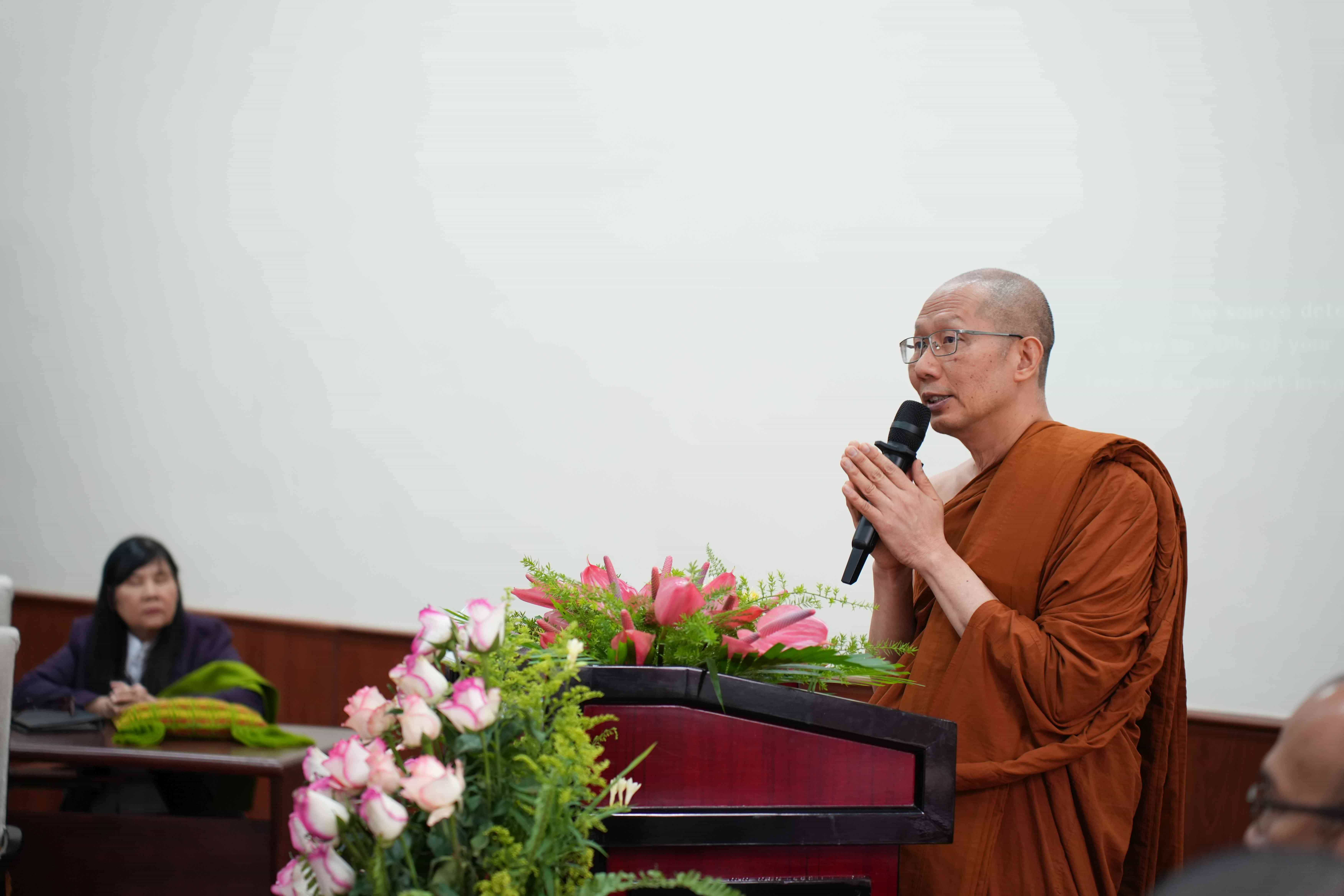
Following this, from 8:45 a.m. to 9:15 a.m., Phra Bhavabavajrajahn (Kevali Bhikkhu), Abbot of Wat Pah Nanachat, The International Forest Monastery in Ubon Ratchathani, Thailand, addressed the theme of Meditation Practice. Wat Pah Nanachat is a well-established centre in the Thai Forest Tradition, founded in 1975 by Ajahn Chah specifically to provide English-speaking practitioners with an environment for monastic training and meditative discipline within the forest tradition. Its emphasis on both samatha (tranquillity) and vipassanā (insight) meditation reflects the integrative approach of the tradition, rooted in early Buddhist contemplative practices and adapted for cross-cultural engagement. Kevali Bhikkhu’s presentation drew on his experience leading this international community, highlighting meditation’s role in cultivating mindfulness, ethical conduct, and deep awareness within the Theravāda framework.
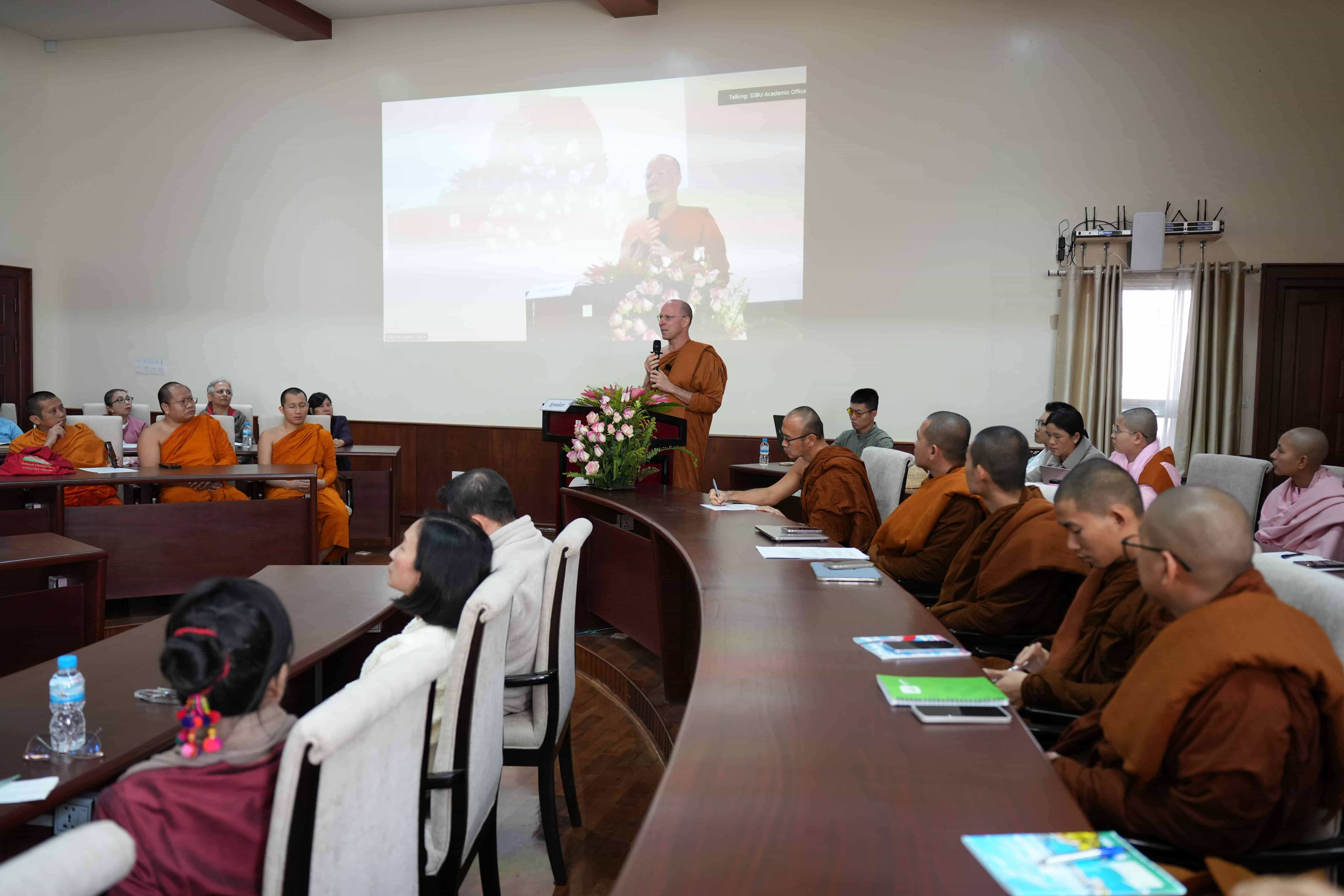
After a short tea break, the seminar resumed at 9:45 a.m. with Phra Maha Chaiyaporn Khenabhirato, a Meditation Teacher at Asokaram Temple, Thailand (affiliated with the Thammayuttika Nikāya). His lecture elaborated on the practical aspects of meditation practice as lived and taught in Thai monastic settings, emphasising how mindfulness (sati) and insight (vipassanā) are cultivated through daily practice and structured routines.
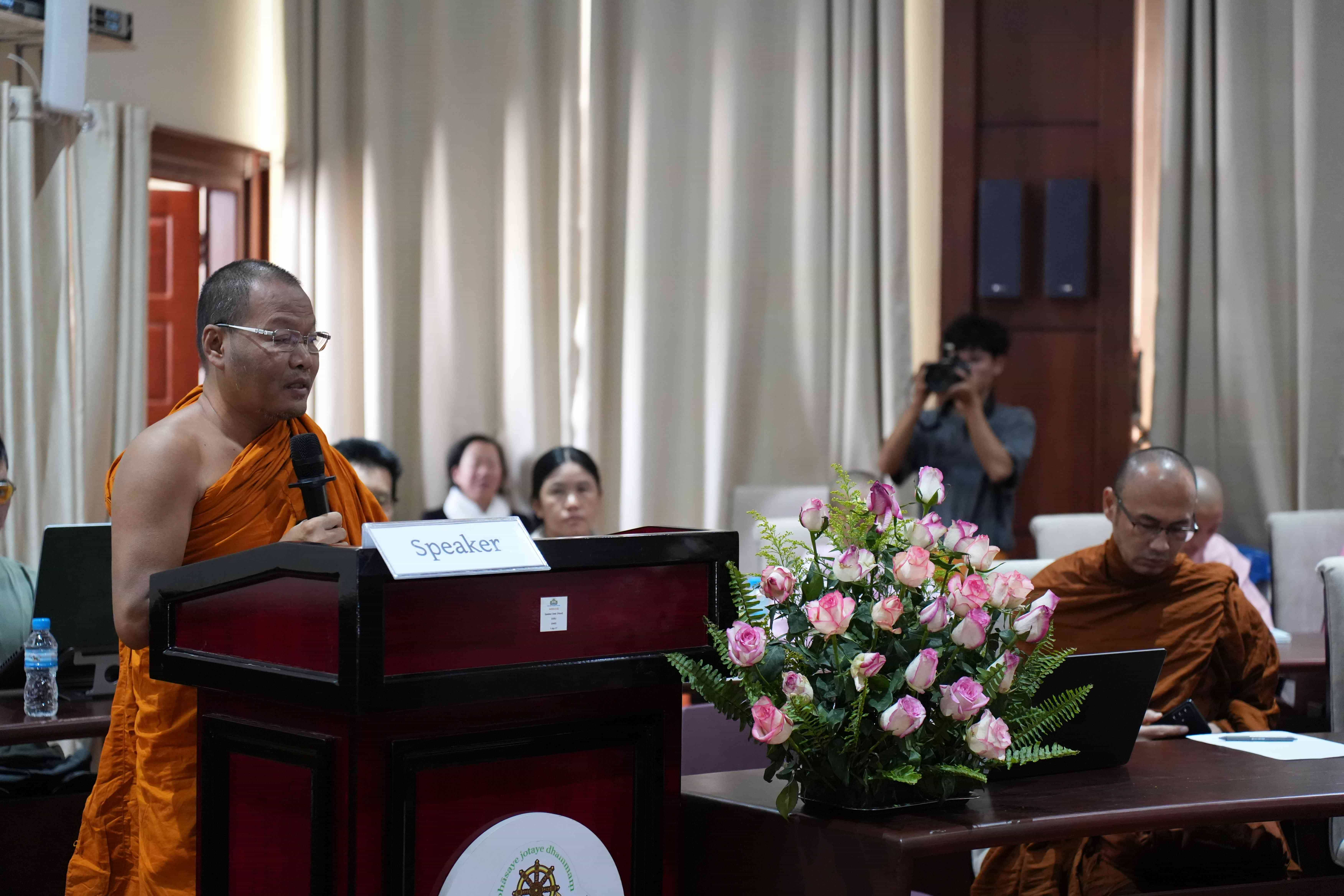
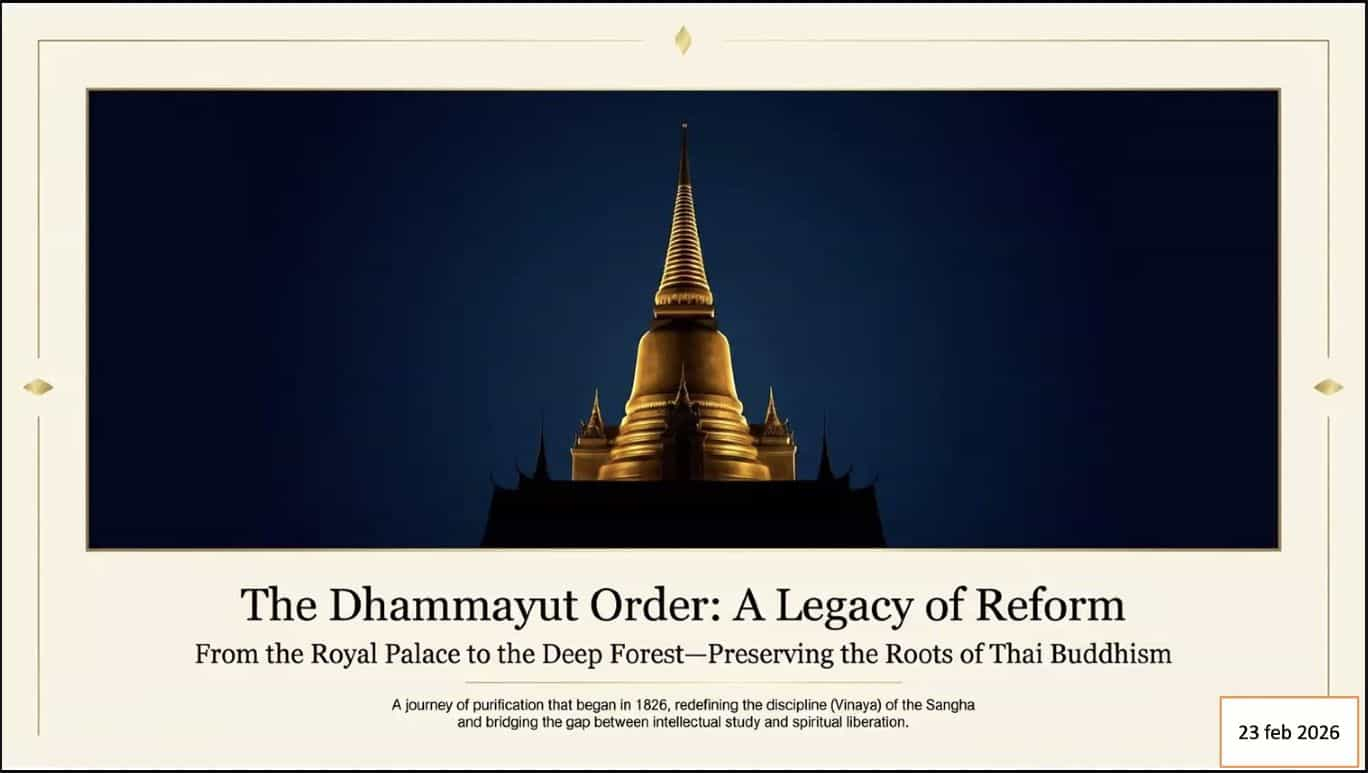
The Thammayuttika Nikāya, a monastic order established in the 19th century in Thailand, has contributed significantly to meditation instruction and doctrinal study, maintaining rigorous standards of monastic discipline. His reflections provided context for how meditation disciplines are embedded in both monastic life and lay practice, drawing connections between meditation and ethical living.
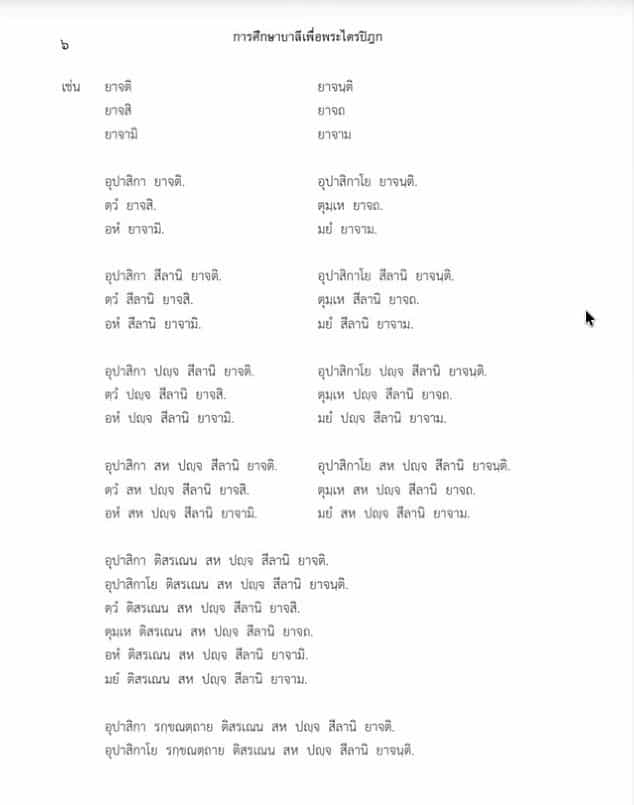
The final lecture from 10:00 a.m. to 10:30 a.m., was delivered by Phra Maha Thitiporn, Headmaster of Wat Sutthawat Paliyati Dhamma School in Nakhon Pathon Province, Thailand. His topic, “Teaching and Propagation of the Dhamma in Thailand,” illuminated the landscape of Buddhist education in contemporary Thai society.
He discussed pedagogical approaches in monastic schools and community initiatives that support learning, moral formation, scriptural study, and public engagement with the Buddha’s teachings. His lecture underscored the multi-faceted role of Dhamma education, extending beyond monasteries to include lay communities, youth programmes, and broader networks of Buddhists across Thailand.
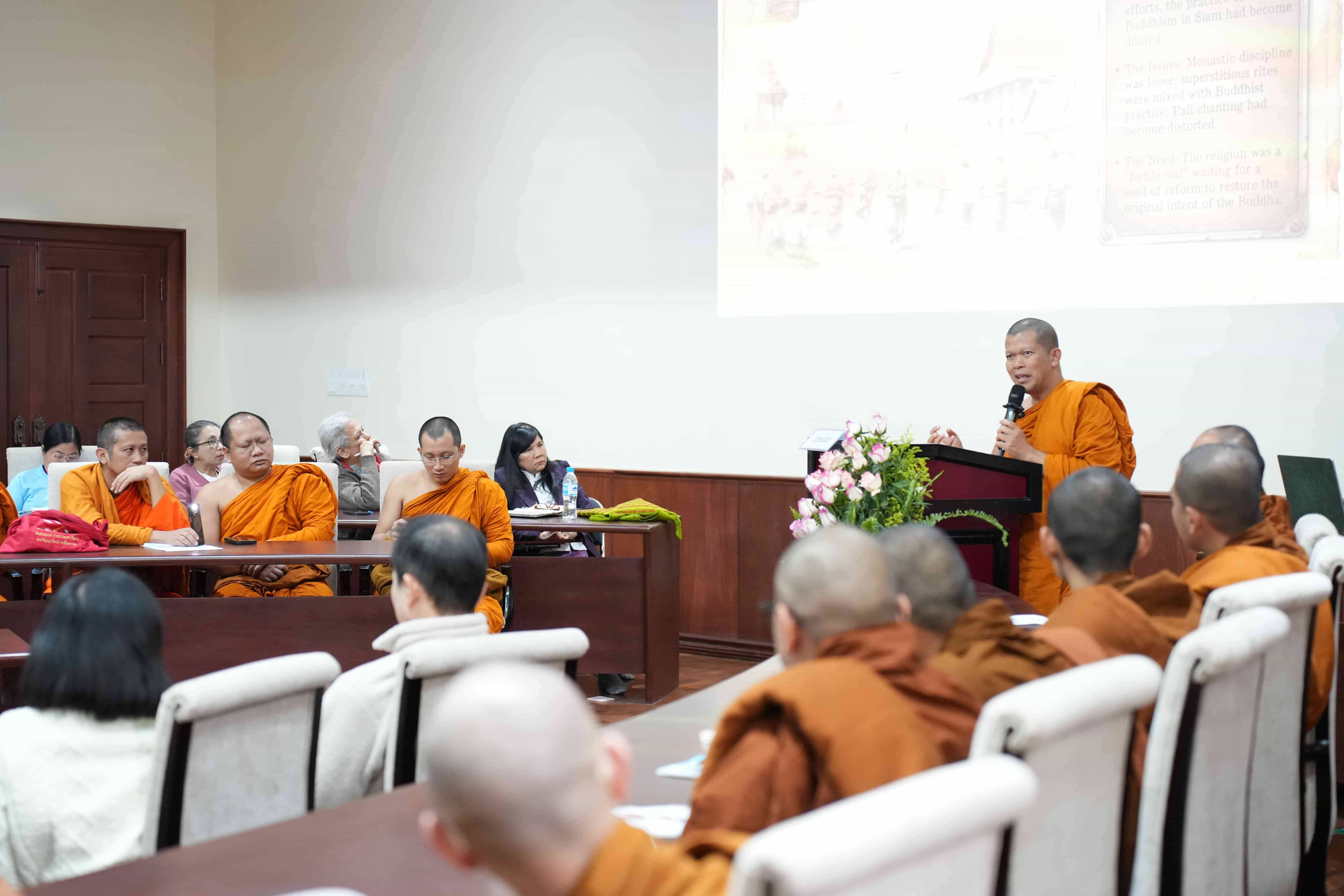
Each presentation was grounded in the Theravāda tradition, yet addressed themes of universal relevance for practitioners, scholars, and students of Buddhism. Throughout the seminar, emphasis was placed on the intersection of study and practice, demonstrating how orthodox teaching harmonises with lived experience and contemplative engagement. The presence of senior monastic teachers from well-established Thai Buddhist institutions underscored the historically rooted yet dynamically contemporary nature of Buddhist scholarship and practice in Thailand.
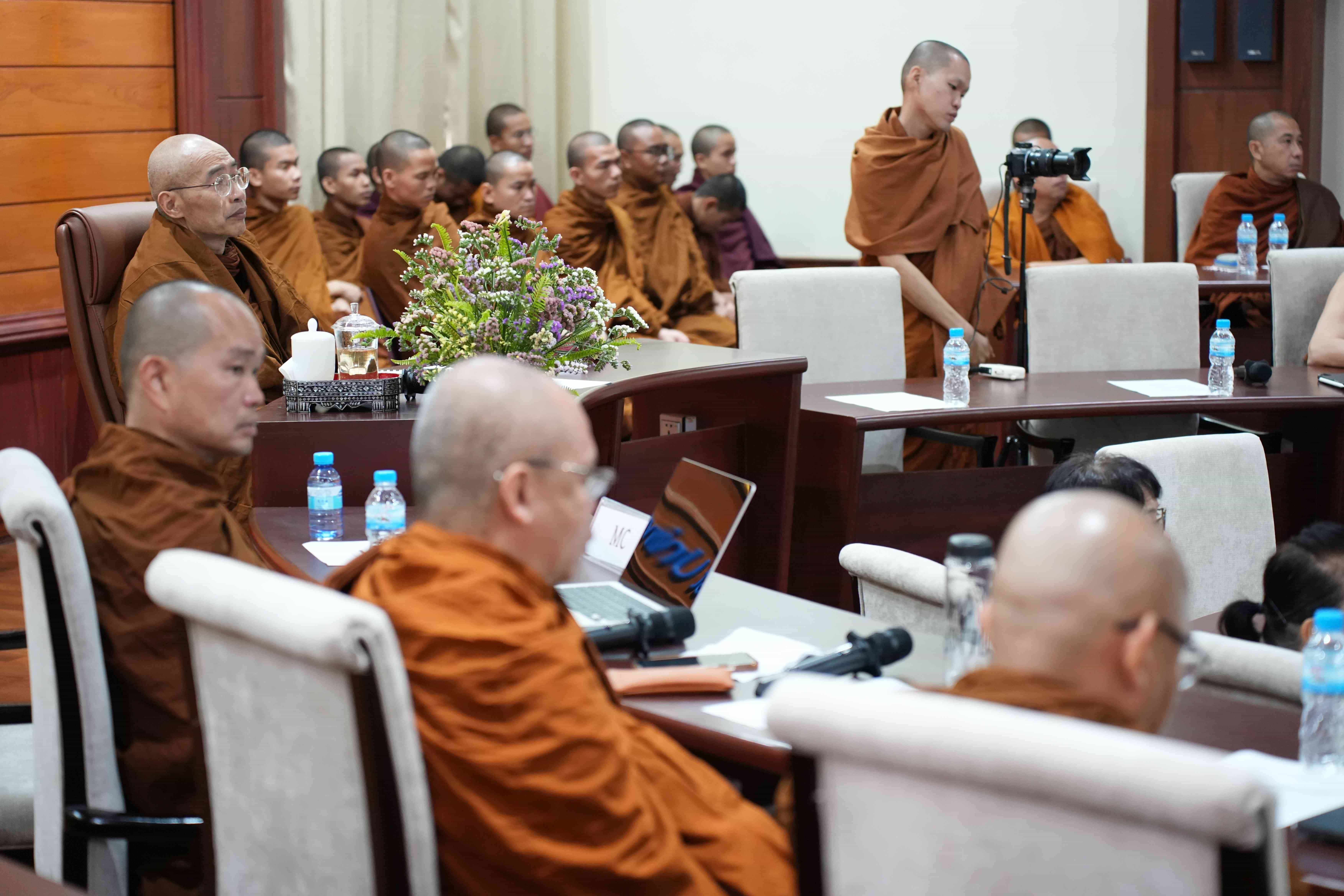
By the conclusion of the programme, participants had engaged with a diverse array of perspectives on meditation, monastic discipline, scriptural instruction, and Dhamma propagation. The seminar contributed to SSBU’s broader mission of fostering rigorous academic inquiry alongside authentic spiritual cultivation, reflecting the integrated ethos of Buddhist studies and practice. All sessions were accompanied by opportunities for questions and reflection, allowing attendees to deepen their understanding and enter into sustained dialogue with the speakers.
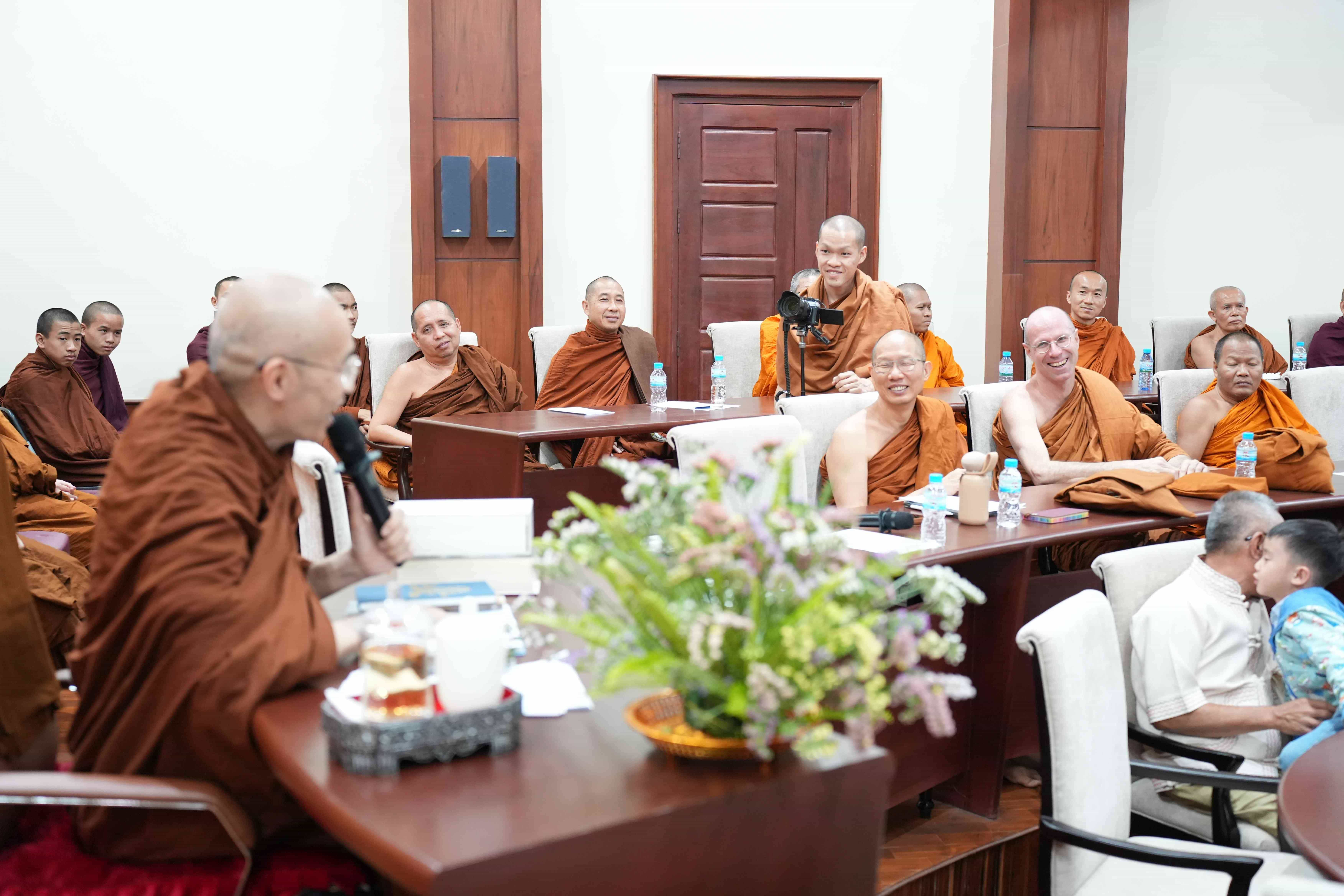
In total, the Lectures on Buddhist Studies and Practices in Thailand strengthened academic and cultural ties between SSBU and leading Thai monastic communities, affirming SSBU’s commitment to inclusive, scholarly, and practice-oriented Buddhist education. It also marked an important milestone within the university’s 10th anniversary commemorations, offering a space where tradition and contemporary insight converged for mutual understanding and learning.