The SSBU 1st Alumni Conference
Theravāda Buddhist Meditation: Texts, Living Traditions, and Contemporary Research
Marking the Tenth Anniversary of Shan State Buddhist University
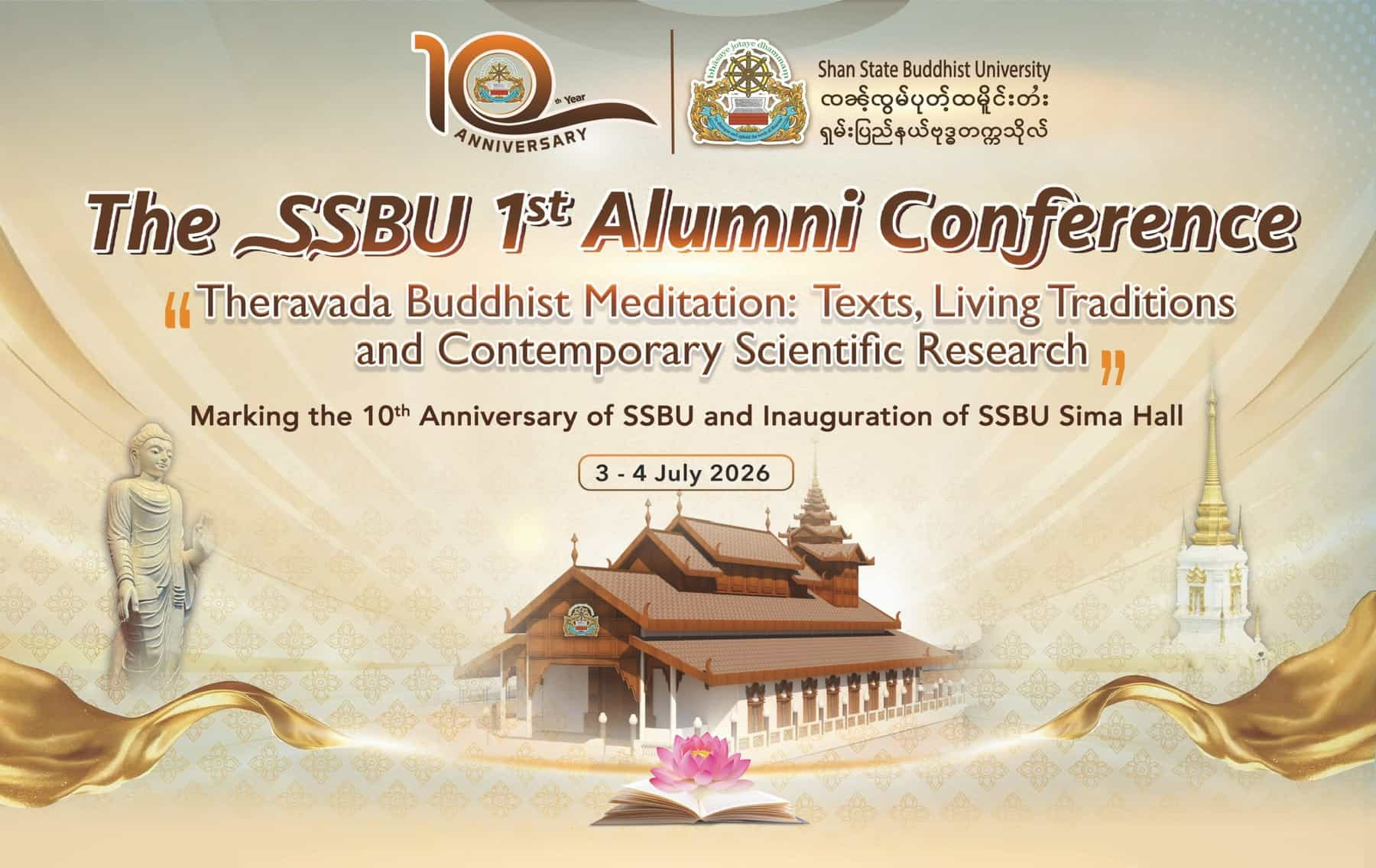
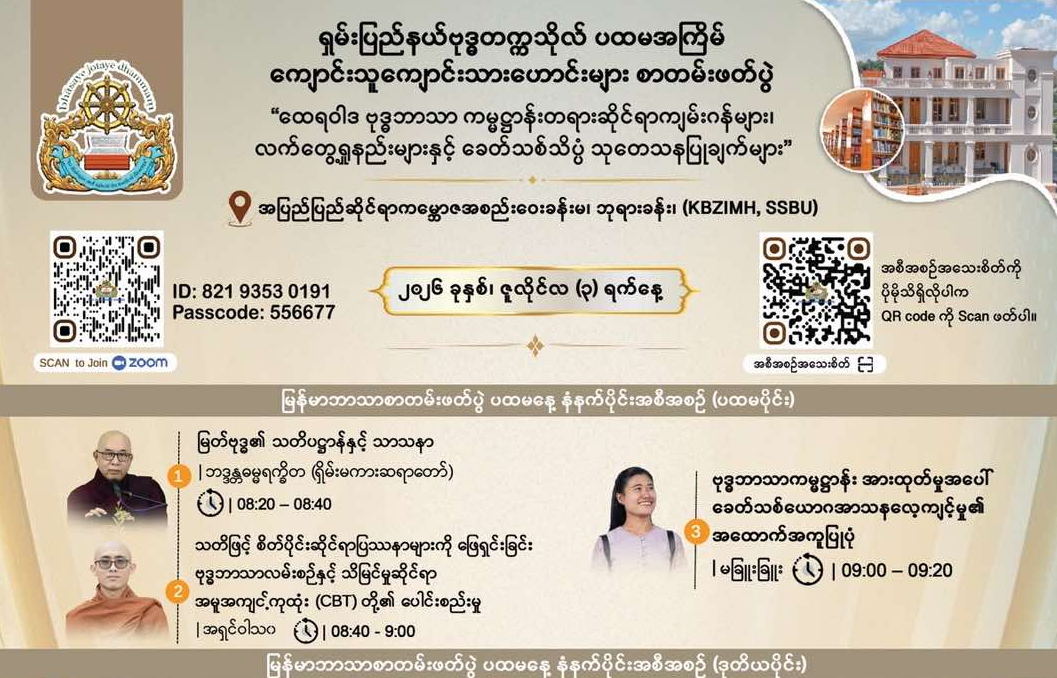
On 3–4 July 2026, Shan State Buddhist University (SSBU) successfully organized the First Alumni Conference, celebrating the tenth anniversary of the University's founding. The two-day conference brought together alumni, monastic and lay scholars, researchers, students, and invited guests to exchange ideas on the theme "Theravāda Buddhist Meditation: Texts, Living Traditions, and Contemporary Scientific Research." Conducted in English, Shan, and Myanmar, the conference reflected SSBU's commitment to fostering scholarly dialogue while remaining firmly grounded in the study and practice of the Buddha's teachings.
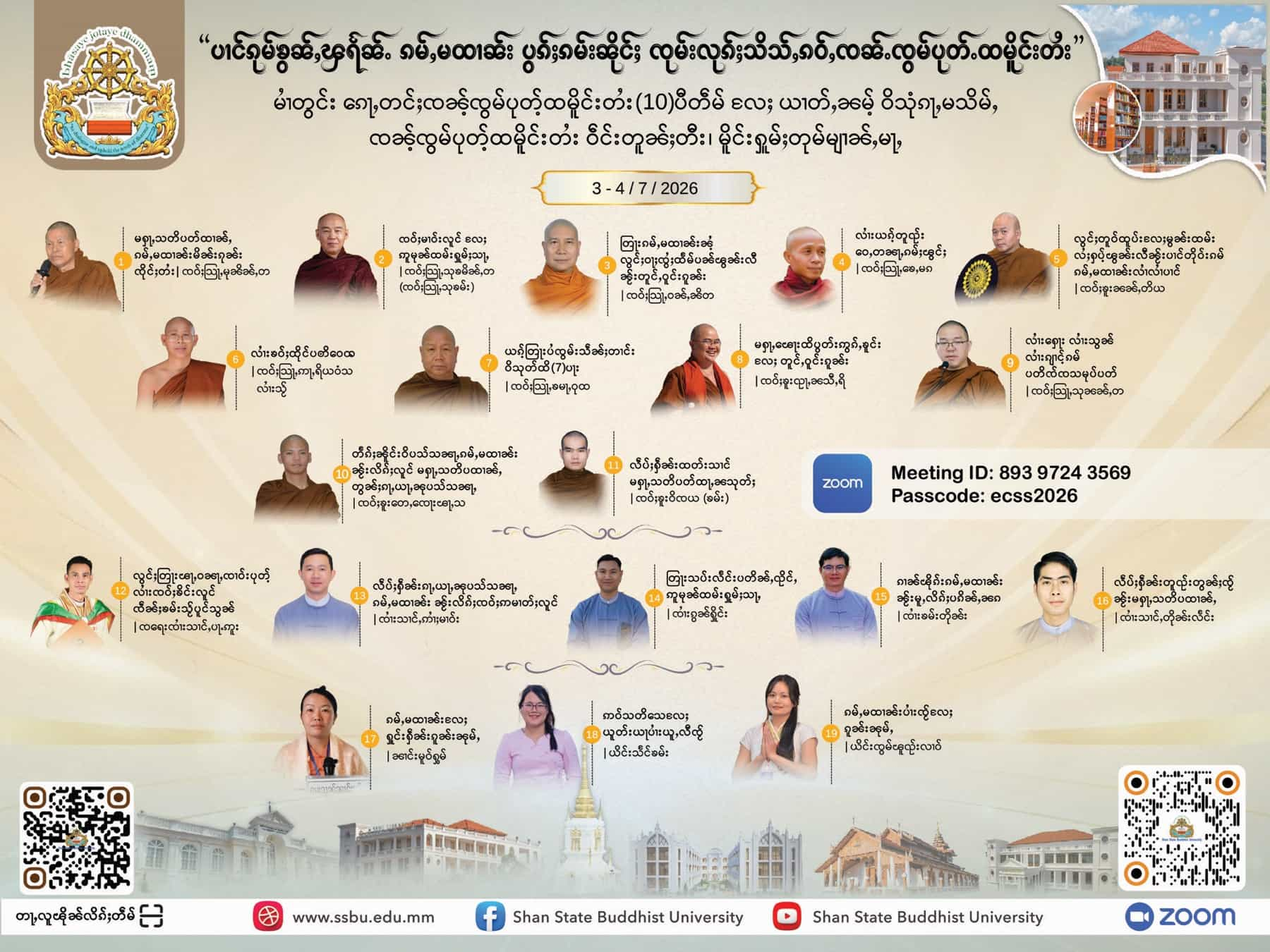
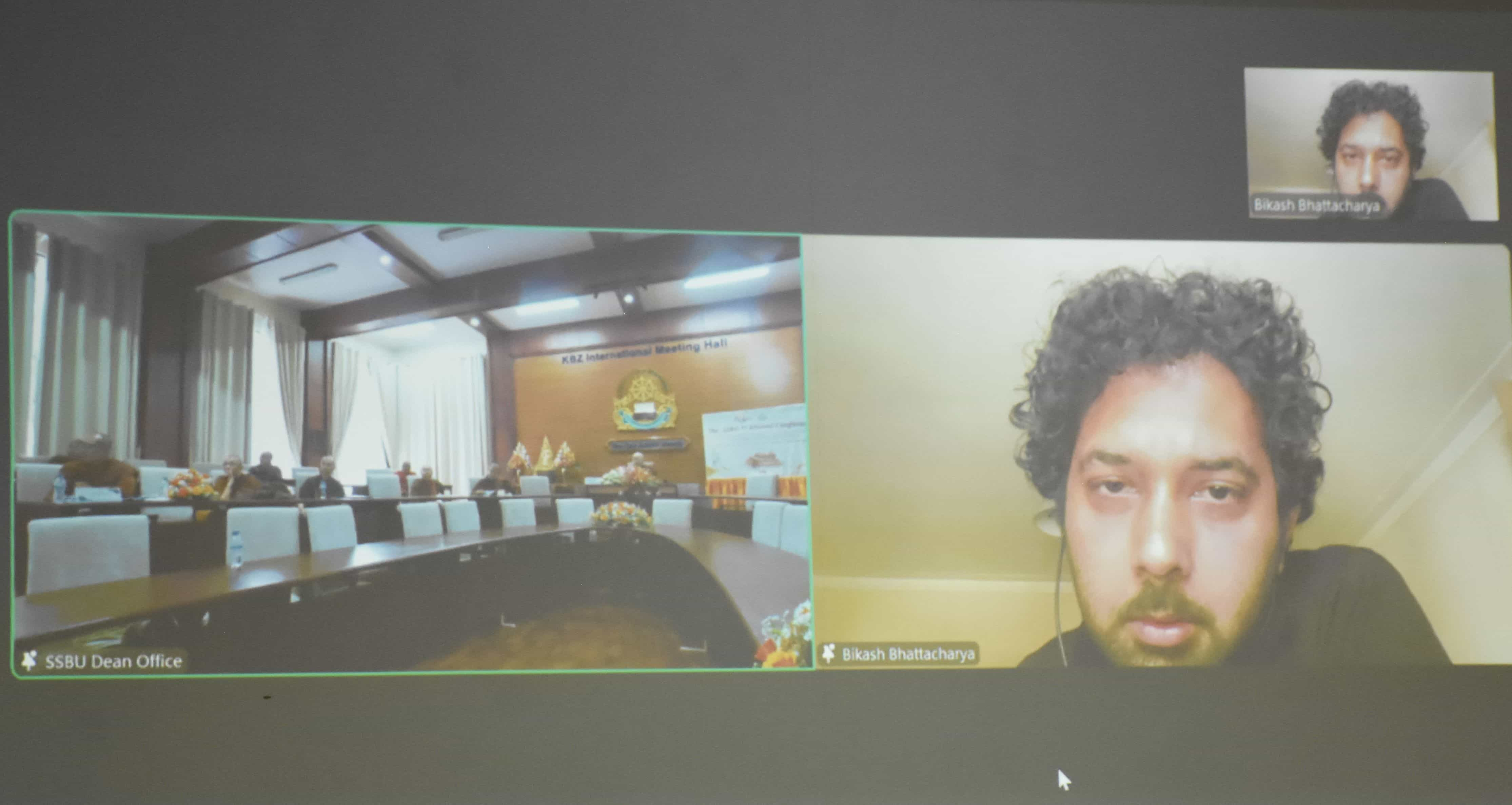
The conference welcomed participants both on campus and online, enabling contributions from presenters across different countries and academic institutions. Throughout the two days, the presentations in English, Burmese, and Shan examined Buddhist meditation from diverse perspectives, including canonical texts, lived contemplative traditions, historical development, philosophy, psychology, neuroscience, cultural studies, and interdisciplinary research. The programme demonstrated the breadth of contemporary Buddhist scholarship while maintaining close engagement with the Theravāda tradition and its enduring relevance in the modern world.
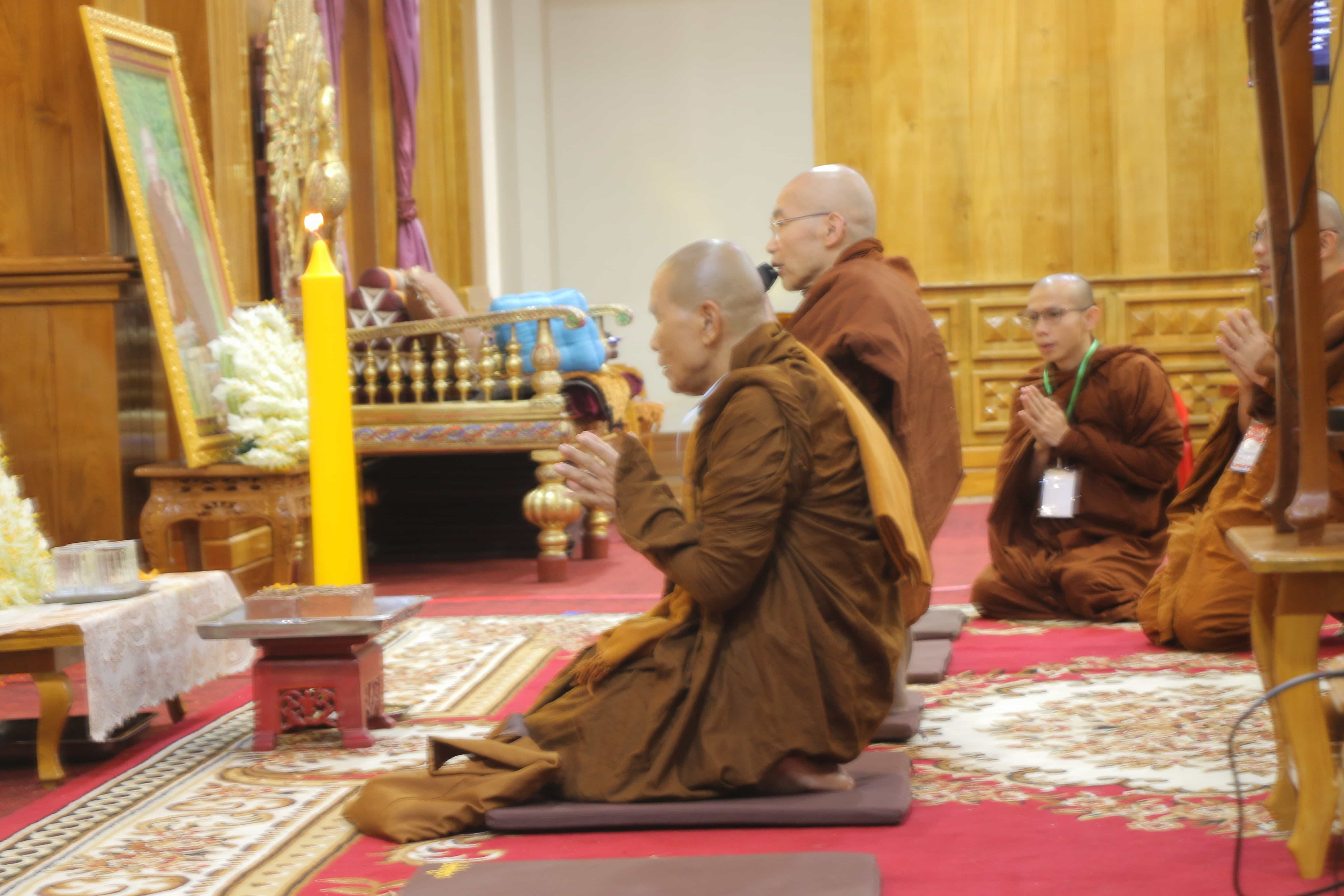
Opening Ceremony
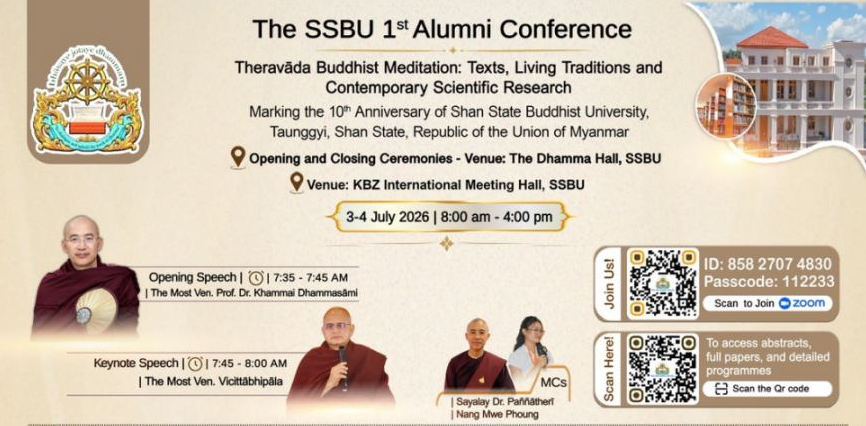
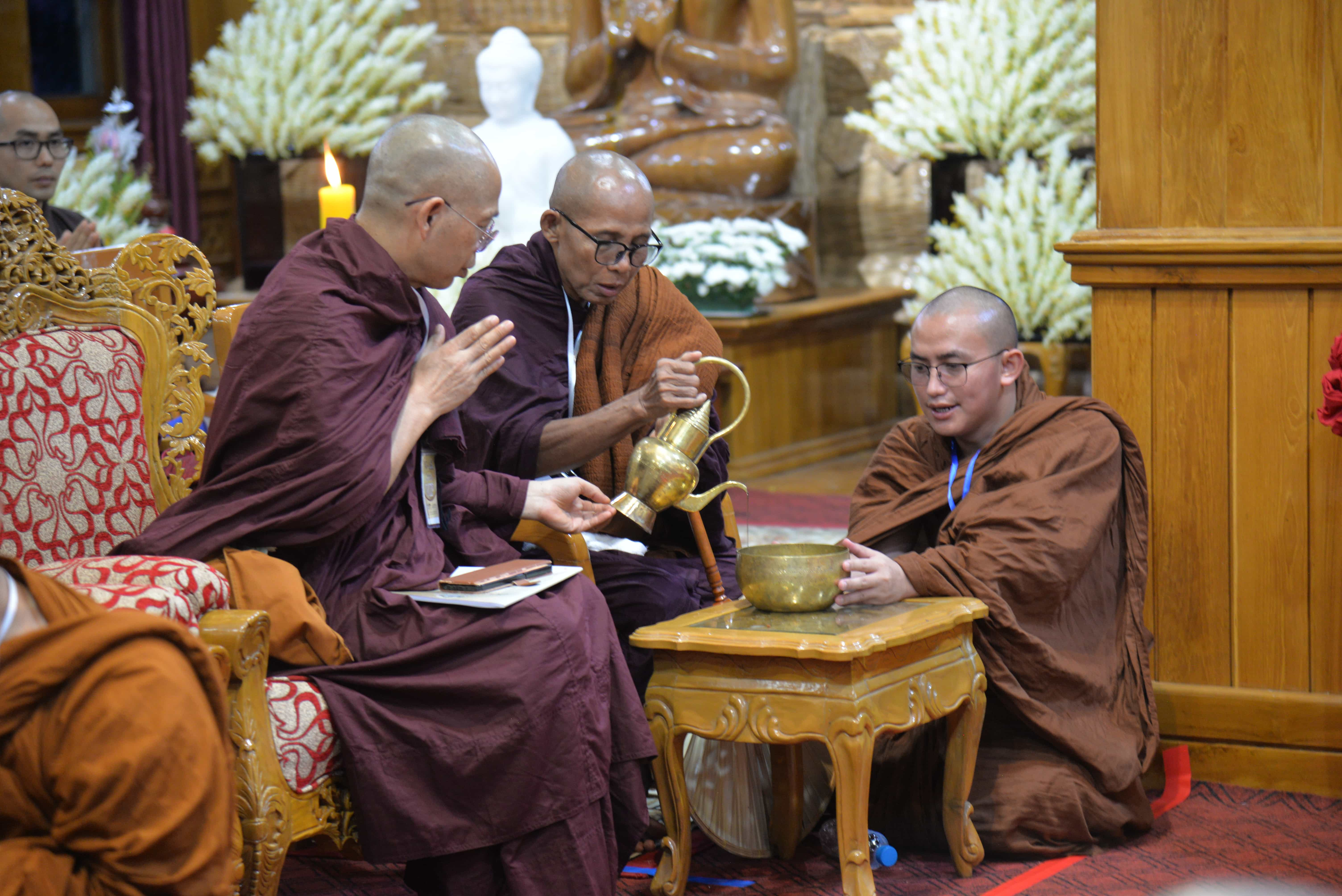
The conference commenced on the morning of 3 July with an opening ceremony at the Dhamma Hall. Participants assembled both in person and online before the ceremonial lighting of the lamp and the recitation of Namo Tassa Bhagavato Arahato Sammāsambuddhassa, paying homage to the Triple Gem under the leadership of the Most Venerable Professor Dr. K. Dhammasāmi, Founder and Rector of SSBU, together with invited Mahātheras.
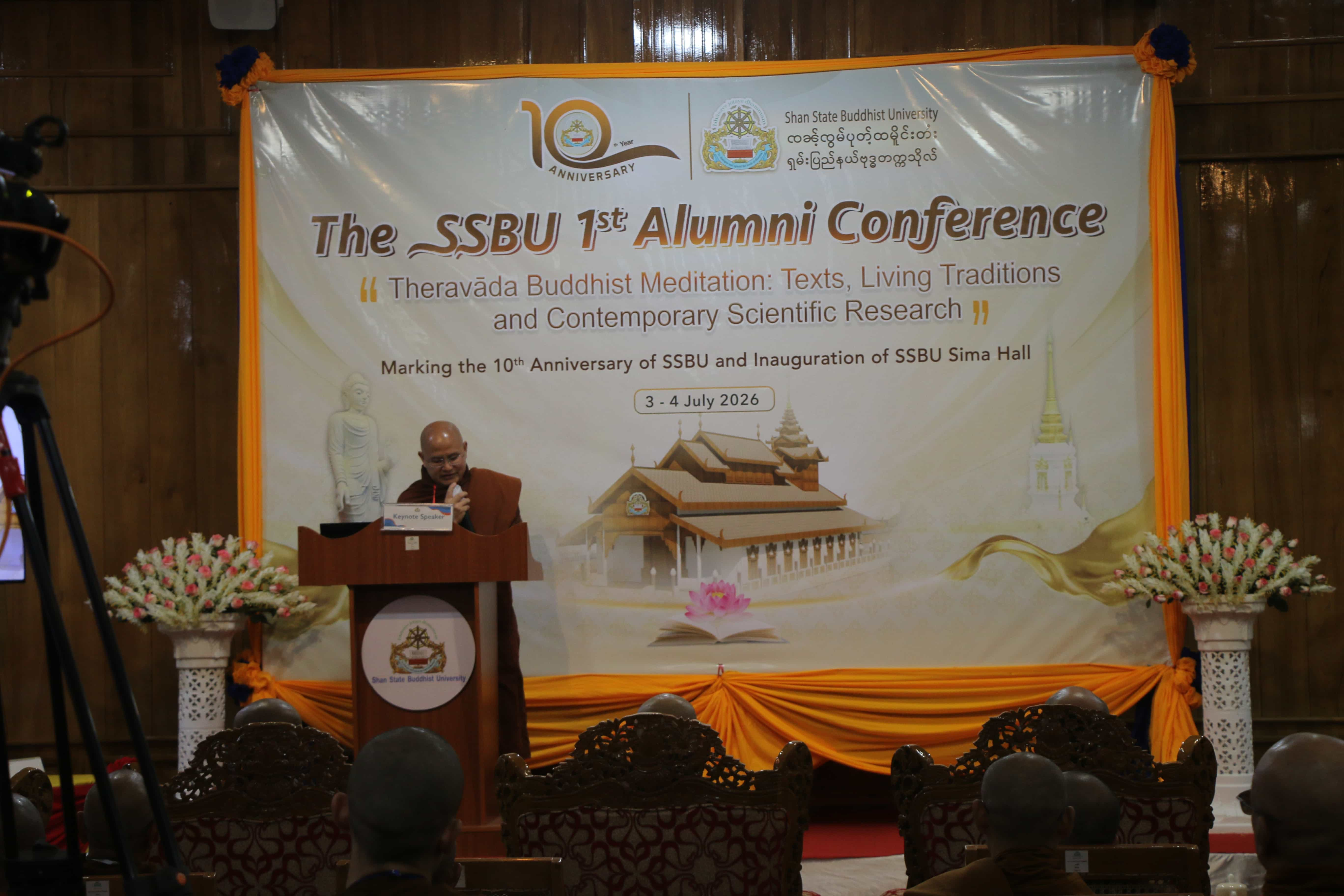
In the opening address, Rector Sayādaw reflected on the significance of the University's first alumni conference as an important milestone in SSBU's first decade of academic development. The keynote address delivered by the Most Venerable Vicittābhipāla, Pro-Rector of SSBU, emphasised the continuing importance of integrating textual study, meditation practice, and academic inquiry in the cultivation and transmission of Buddhist knowledge. Following the opening ceremony, participants proceeded to the English, Shan, and Myanmar language sessions, each offering a distinct programme of presentations while contributing to the conference's shared theme.
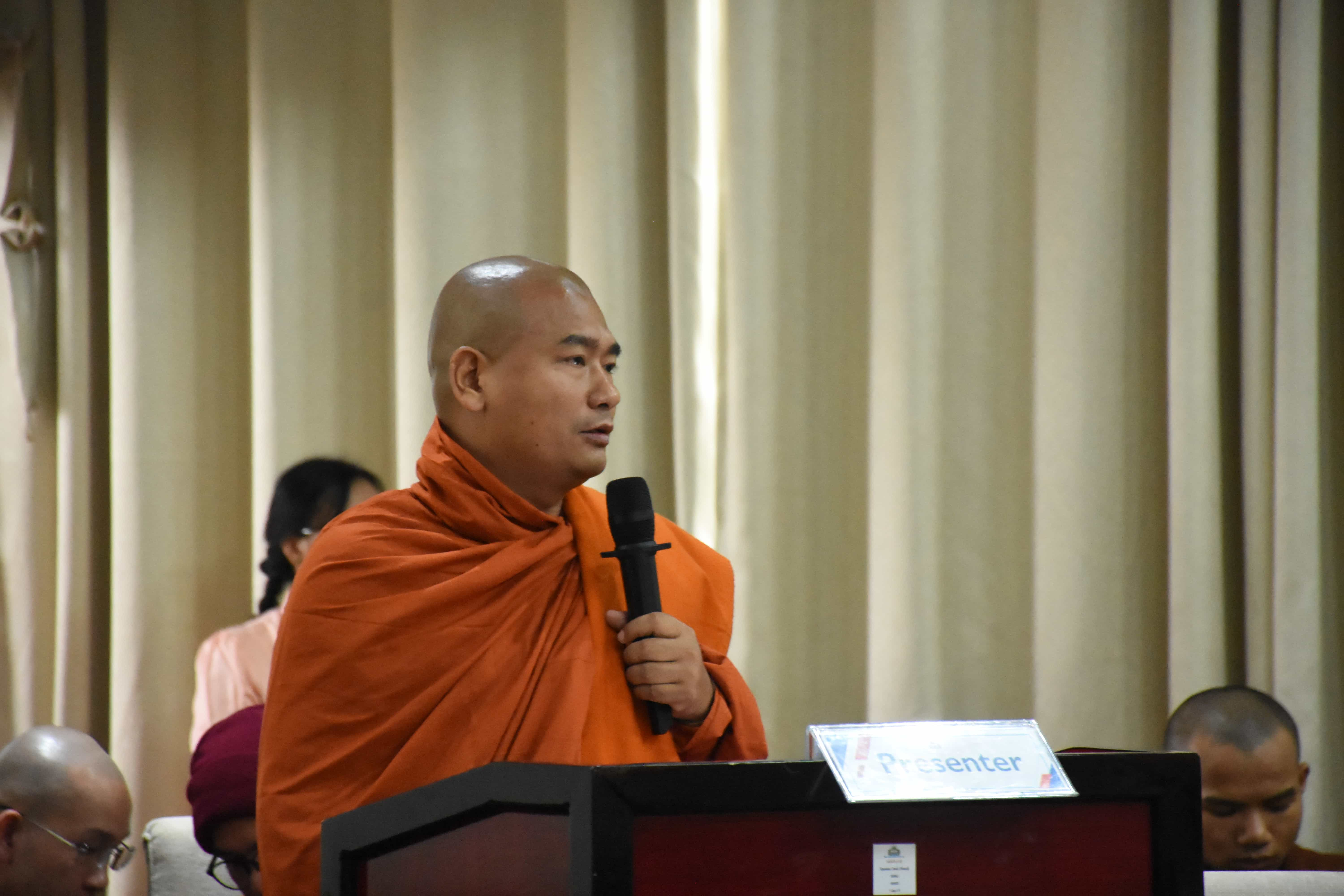
Examining Meditation Through Texts and Living Traditions
Across all-language sessions, presenters explored a wide range of topics, illustrating the richness and diversity of Theravāda Buddhist meditation.
Several papers focused on the close relationship between meditation practice and the early Buddhist scriptures. Presentations examined Ānāpānasati (mindfulness of breathing), Brahmavihāra-bhāvanā (the cultivation of the four divine abidings), the characteristics of the sutavā ariyasāvako (the well-informed noble disciple), and the doctrinal foundations of the Mogok and Mahāsi Vipassanā traditions. These studies demonstrated how classical teachings continue to inform contemporary meditation practice while remaining faithful to the Pāli Canon and its commentarial traditions.
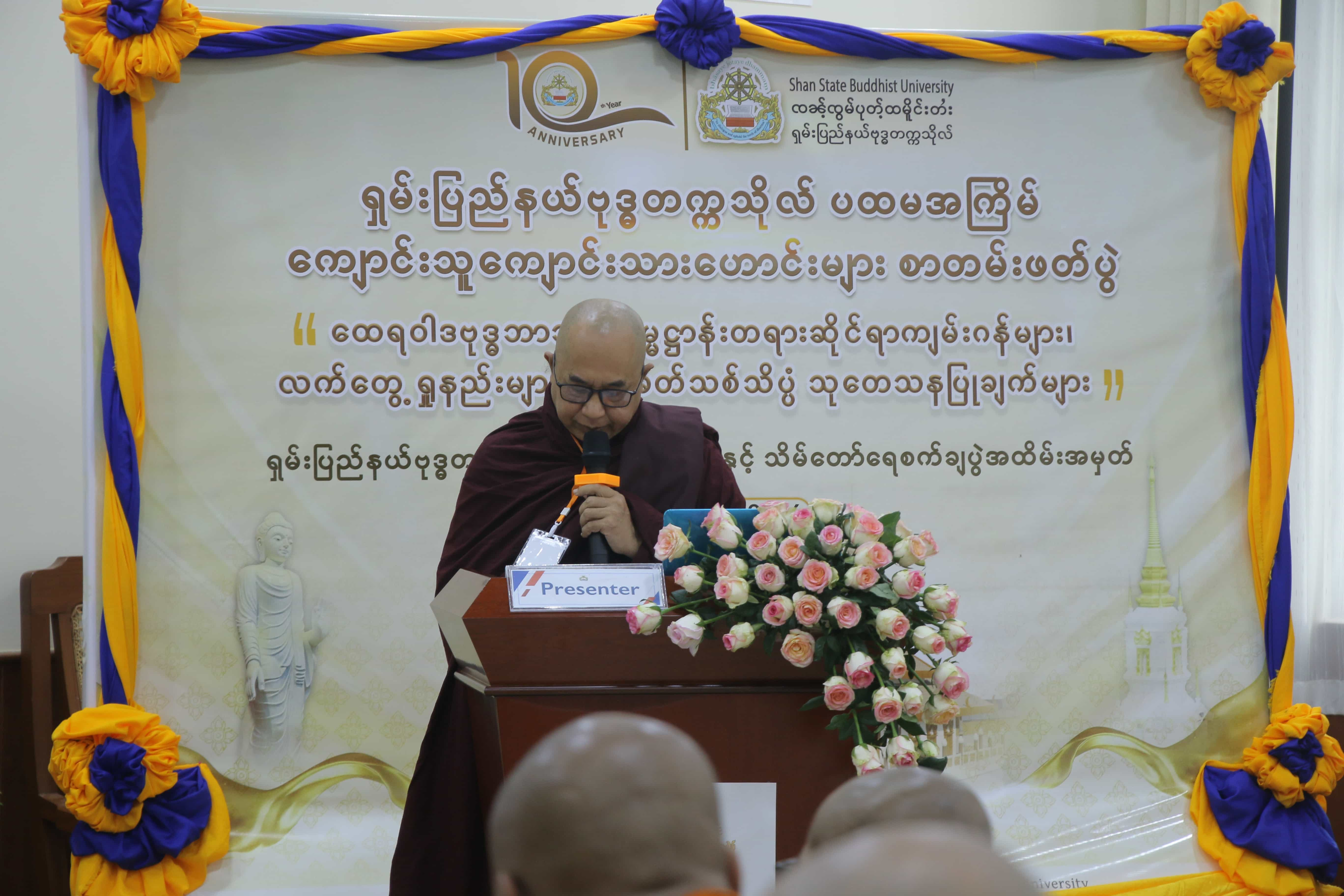
Fundamental Buddhist doctrines also received careful attention. Papers analysed Dependent Origination (Paṭiccasamuppāda), the continuity of saṃsāra, the relationship between right view (sammādiṭṭhi) and emptiness (suññatā), and the role of mindfulness in observing the Pātimokkha training rules. Together, these presentations highlighted the inseparable relationship between ethical discipline, wisdom, and mental cultivation within the Theravāda path.
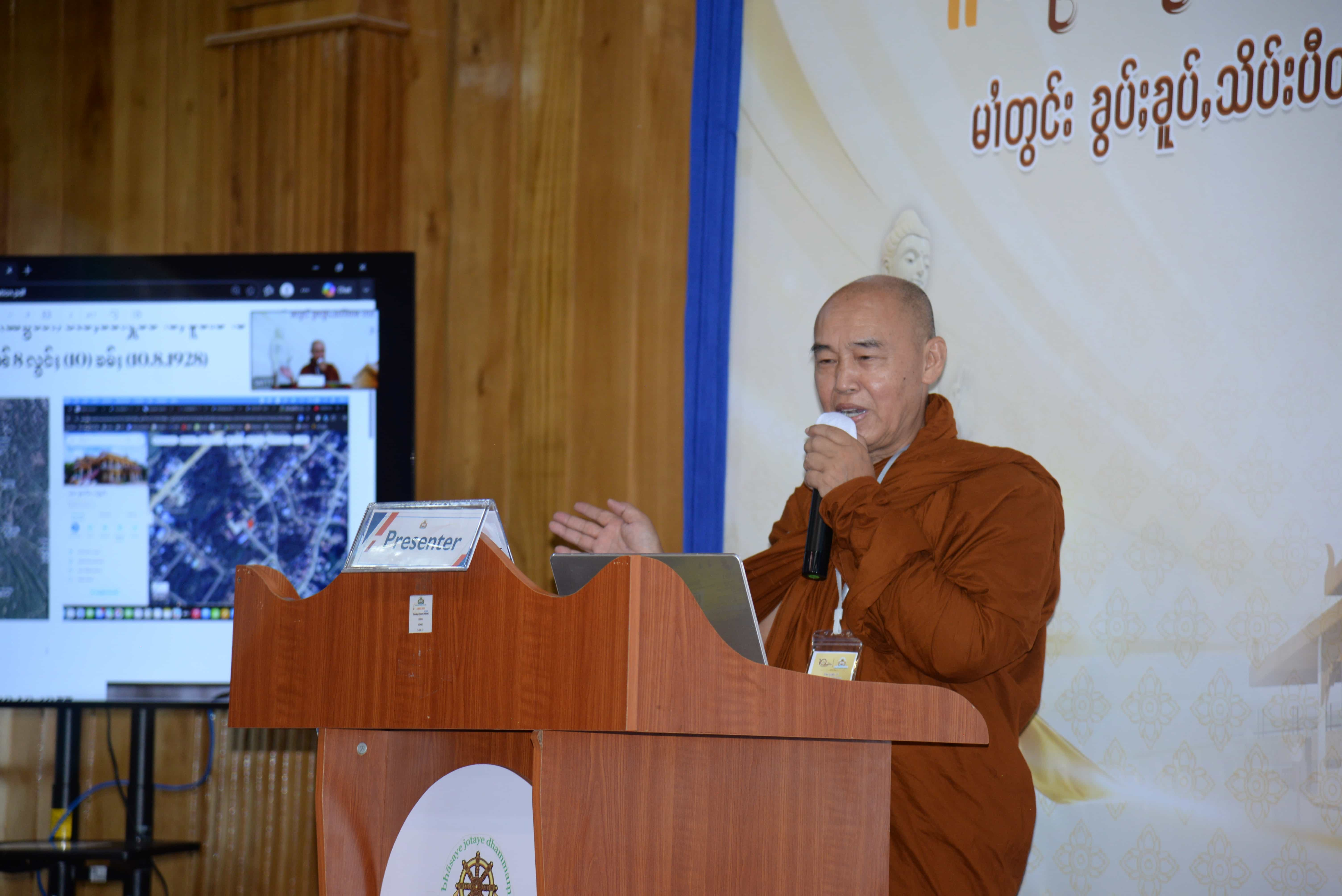
The conference also explored meditation as a living tradition transmitted through teachers, communities, and cultural practices. Presentations considered the Sayāgyi U Ba Khin tradition as taught by S. N. Goenka, Theinngu meditation, the Mahāsi meditation lineage, and the Mogok Vipassanā method. Another paper investigated the development of a Theravāda Buddhist community in Serbia, illustrating how traditional forms of Buddhist practice continue to adapt within new cultural settings while maintaining continuity with their historical roots.
Although the conference centred on Theravāda Buddhism, several presentations encouraged broader dialogue within the Buddhist world. Comparative studies examined Tibetan debate practice, Tonglen meditation, Japanese Zazen, and Buddhānusmṛti practice in early Mahāyāna Buddhism. Rather than emphasising differences, these papers invited participants to appreciate the diversity of contemplative traditions that have developed across Buddhist history.
Contemporary Research and Interdisciplinary Perspectives
A distinguishing feature of the conference was its engagement with contemporary academic disciplines while remaining grounded in Buddhist sources.
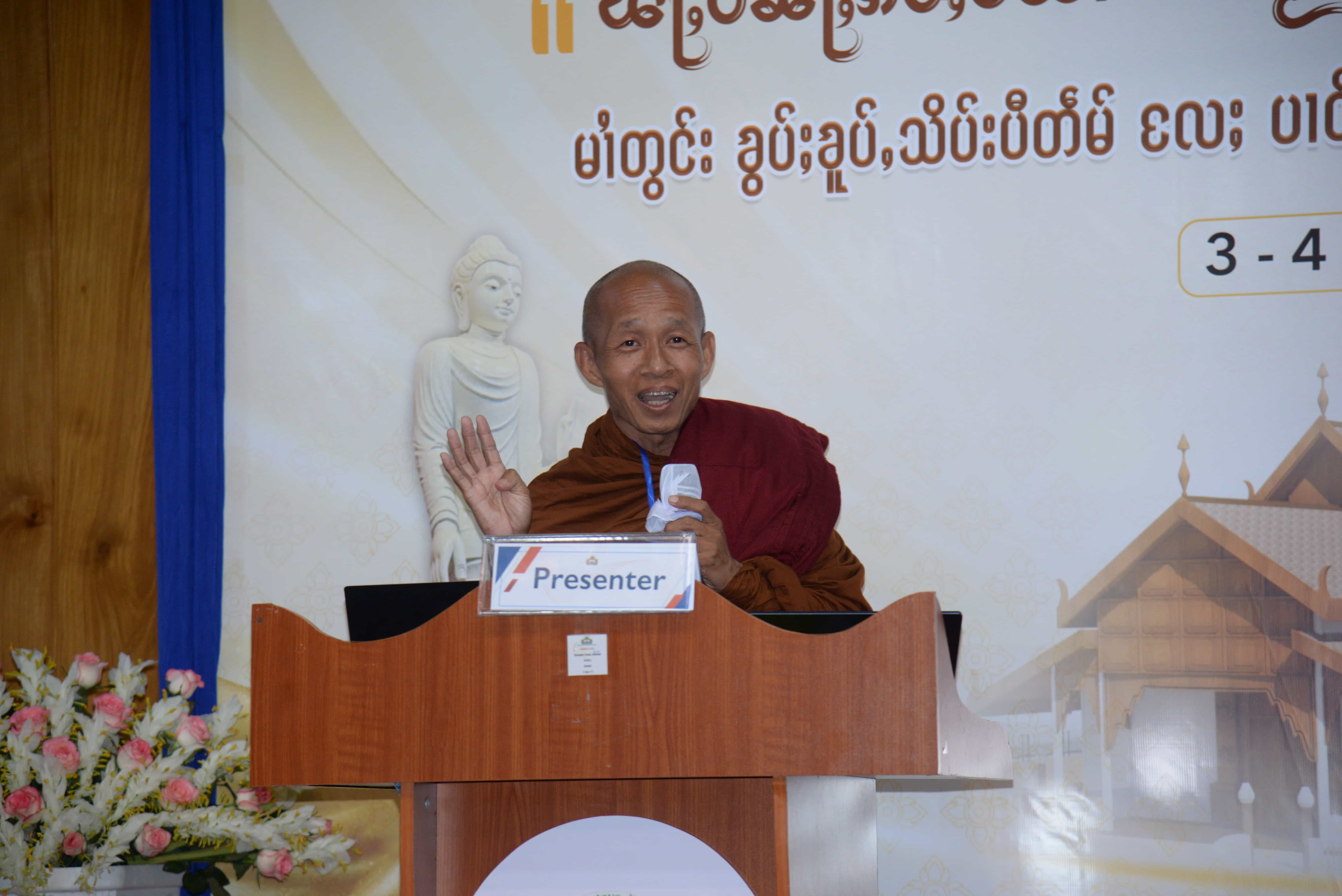
Several presenters examined recent developments in neuroscience and psychology alongside Buddhist understandings of mindfulness and meditation. Topics included the relationship between contemplative practice and cognitive science, the effects of mindfulness on stress experienced by young people, and the psychological dimensions of the preceptor-disciple relationship in early Buddhist monasticism. These presentations demonstrated how dialogue between Buddhist traditions and modern scientific research can deepen understanding of both fields without diminishing the integrity of either.
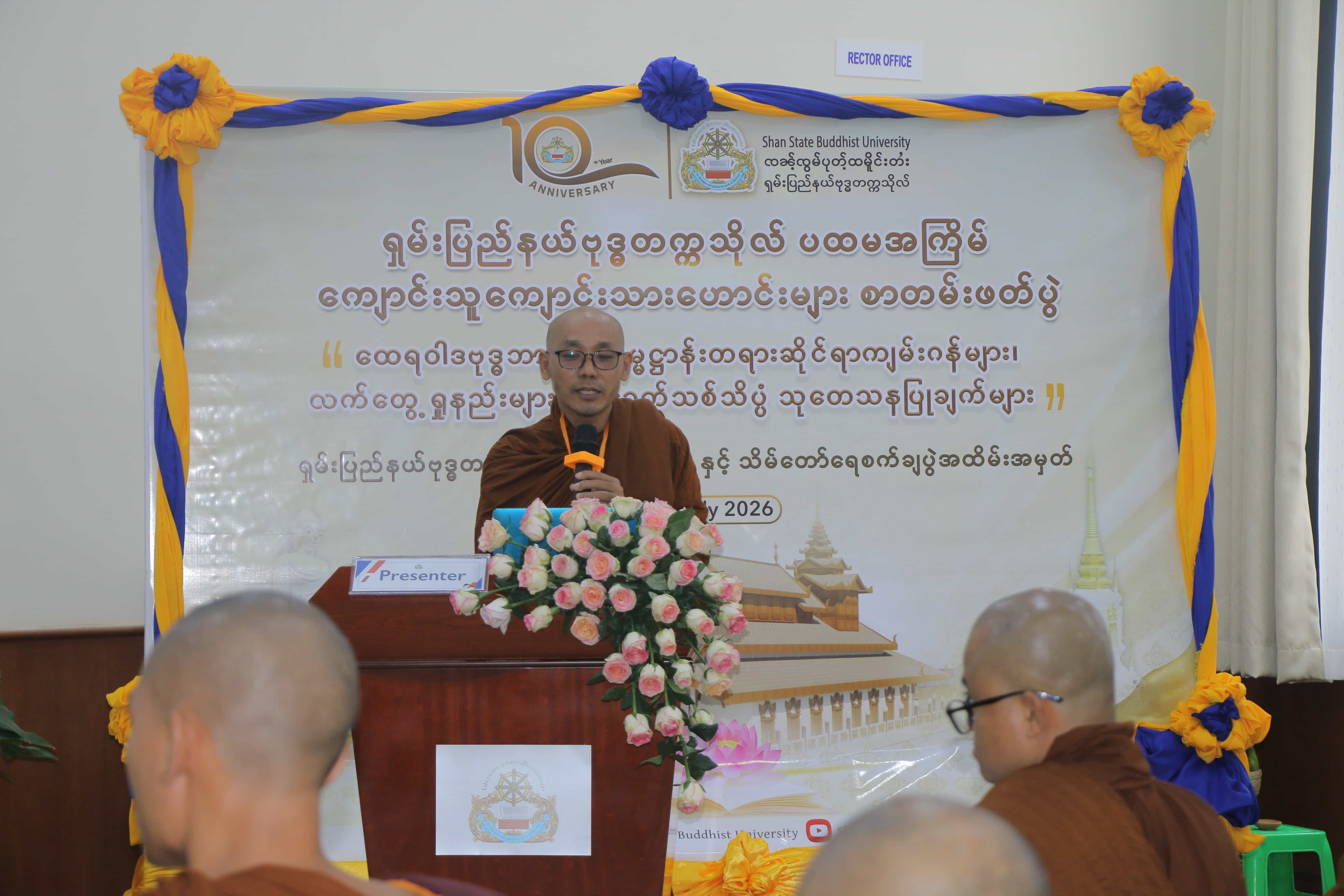
Other papers extended Buddhist perspectives into wider areas of academic inquiry. Presenters explored the application of Buddhist thought to cultural heritage research, artistic methodology, and the conservation of historical sites. The example of Kuthodaw Pagoda, renowned for preserving the world's largest collection of inscribed Buddhist scriptures, illustrates how Buddhist philosophical concepts can contribute to the interpretation and preservation of cultural heritage.
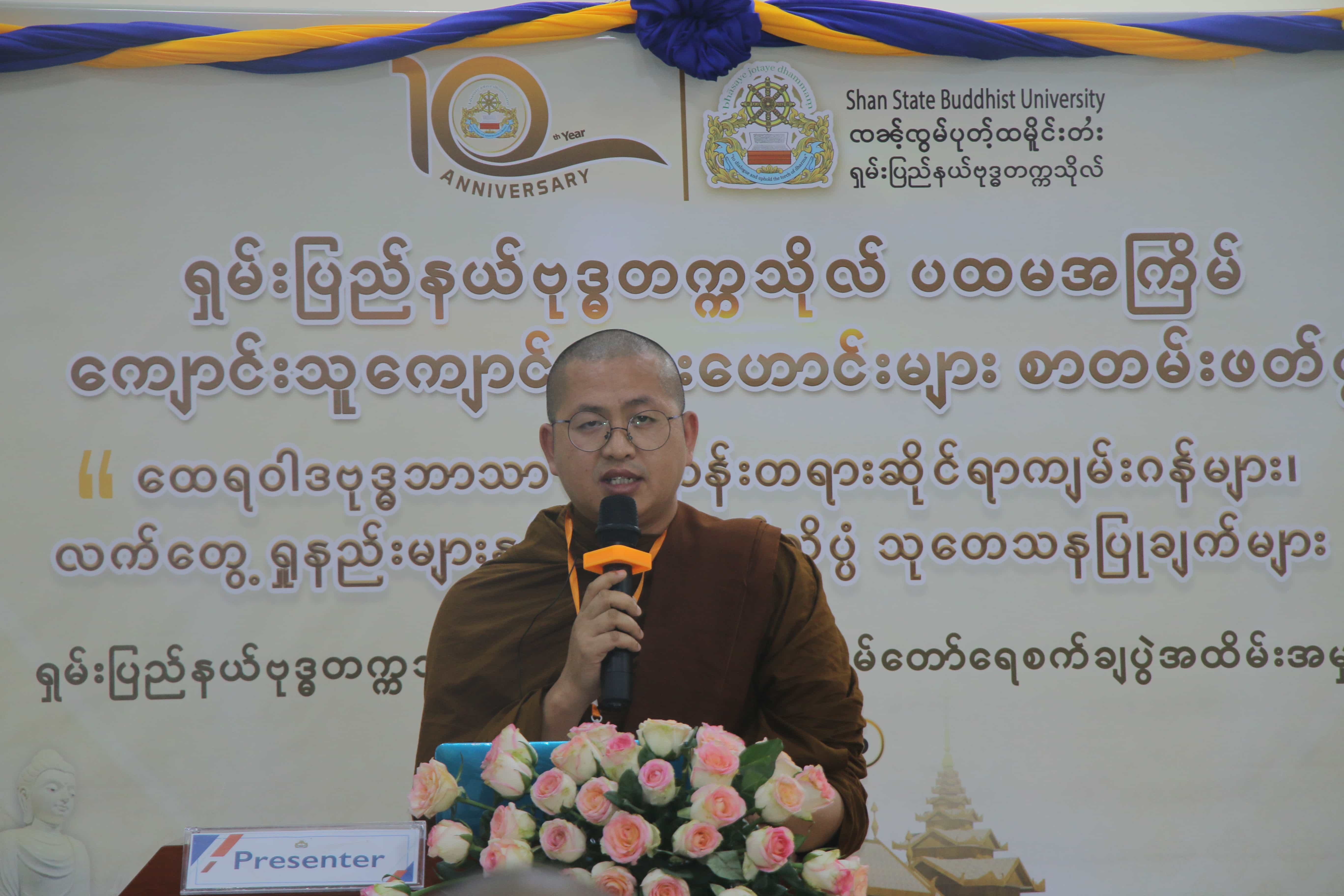
Historical studies also formed an important component of the programme. Research on Ashin Narindābhidhaja and the development of Theravāda Buddhism in nineteenth-century Assam shed light on regional developments in Buddhist history, while another presentation reconsidered historical narratives surrounding the evolution of Theravāda meditation. These contributions demonstrated that the study of Buddhist meditation benefits from historical investigation as well as doctrinal and practical analysis.
Meditation in Contemporary Society
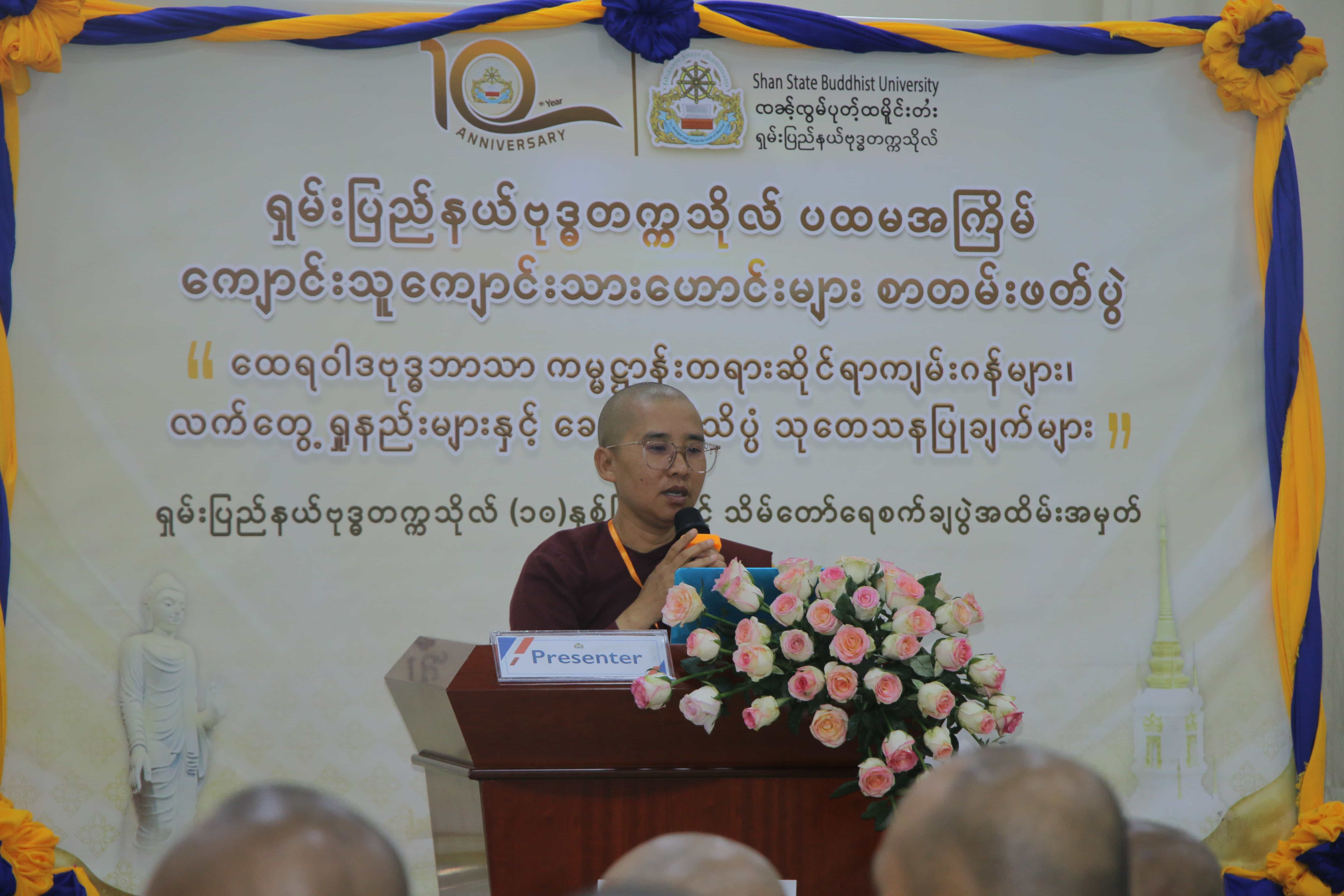
Many presentations considered the relevance of Buddhist meditation beyond monastic settings. Papers discussed the role of meditation in promoting harmony within society, cultivating loving-kindness, supporting mental well-being, and addressing challenges faced by young people in contemporary life. Personal reflections on meditation retreat experience complemented textual and theoretical analysis, illustrating how academic study and lived practice can enrich one another.
The conference also encouraged dialogue across religious and cultural traditions. A presentation comparing contemplative practices in Buddhism and Christianity examined how meditative traditions may contribute to mutual understanding and communal harmony. Together with papers on global Buddhist communities and comparative contemplative traditions, these discussions reflected the increasingly international character of Buddhist studies while maintaining a clear focus on the Theravāda tradition.
Recognising Academic Contributions
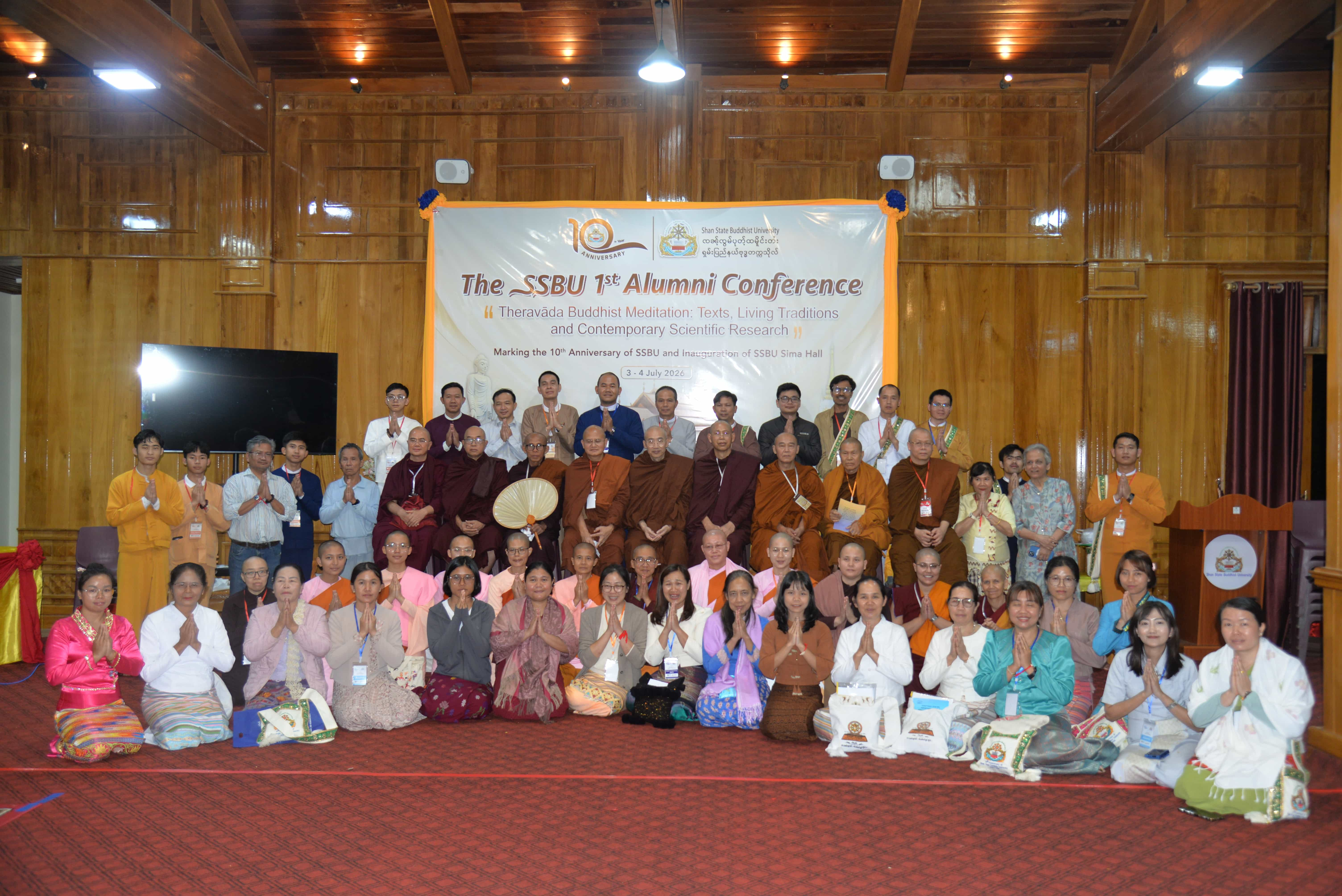
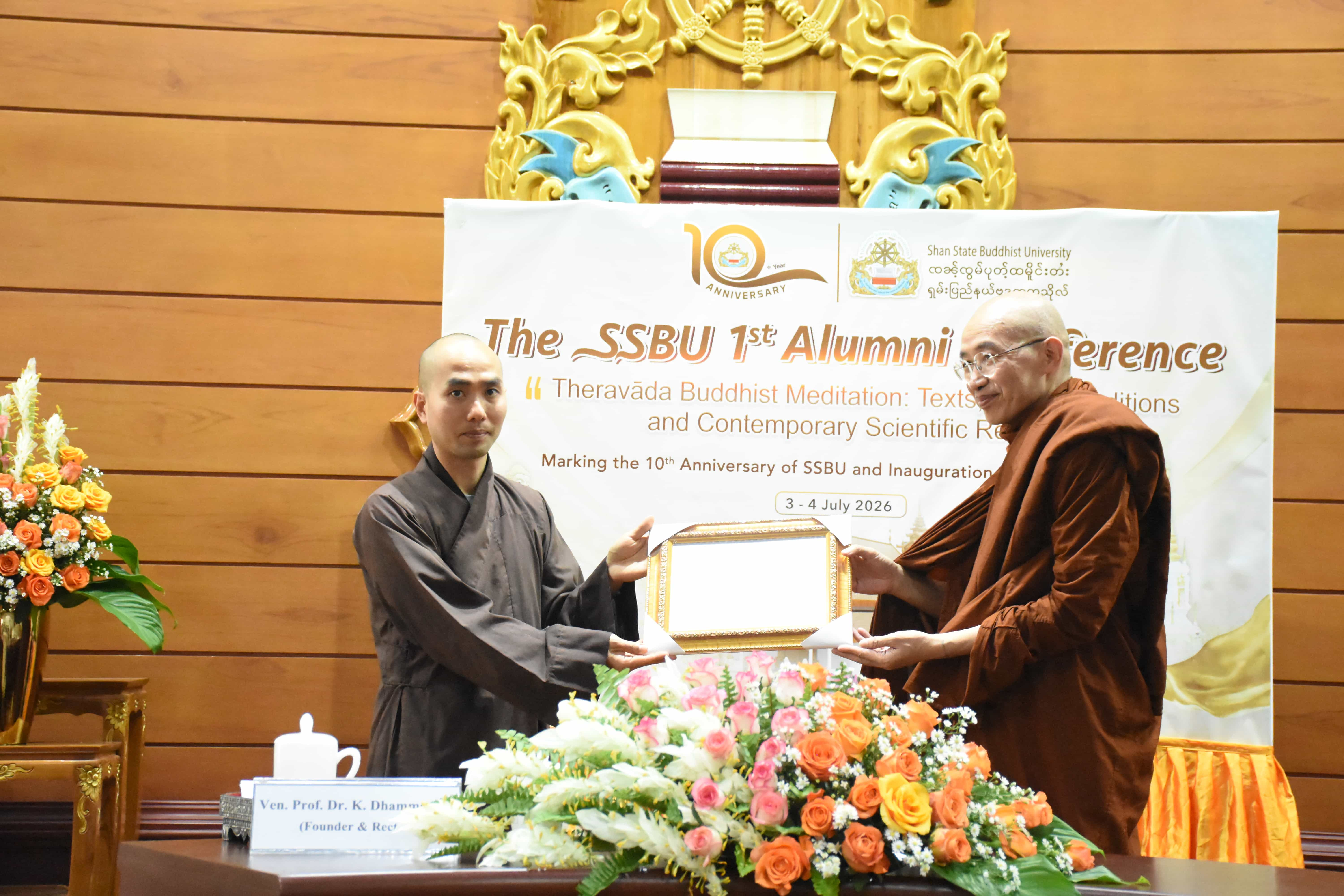
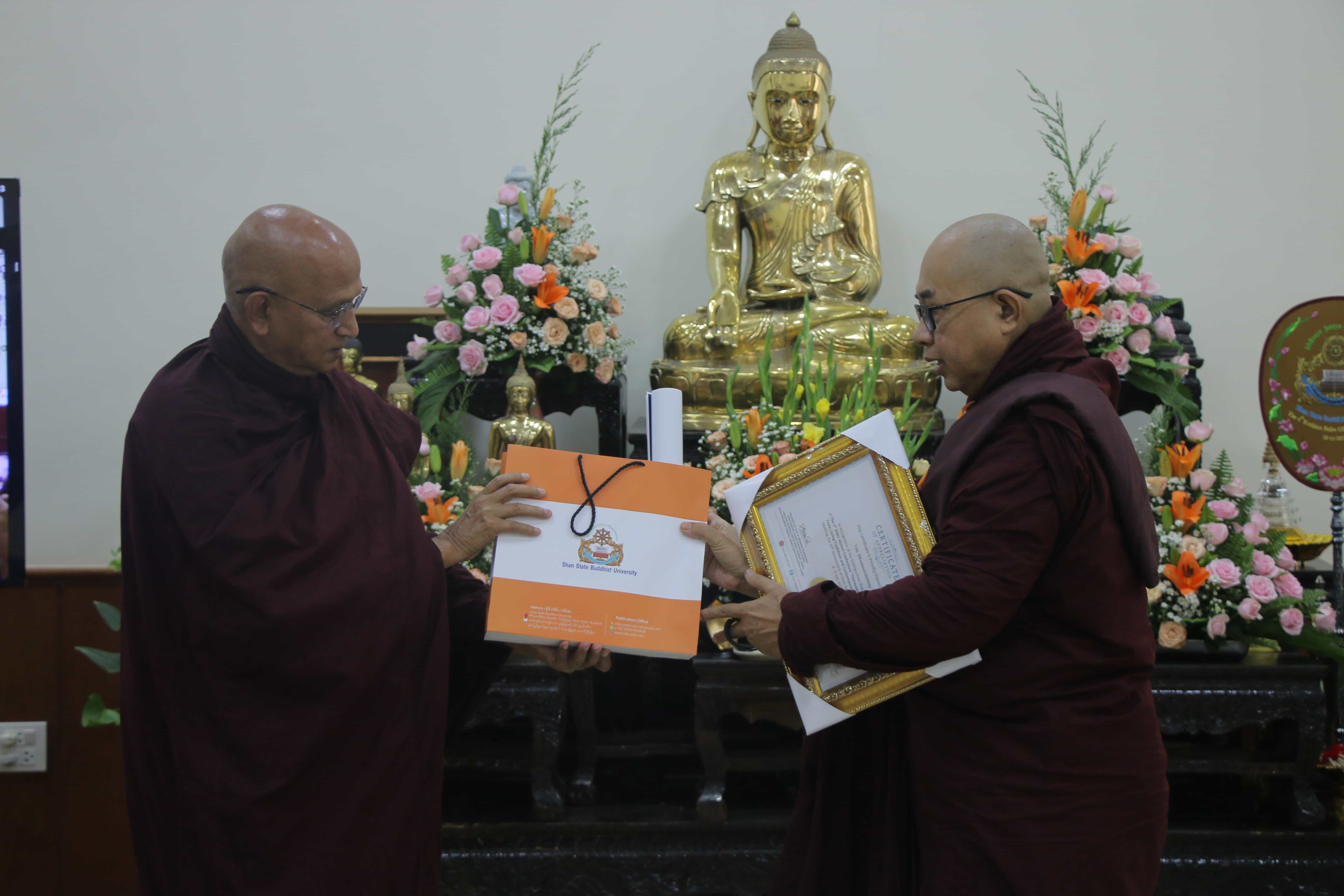
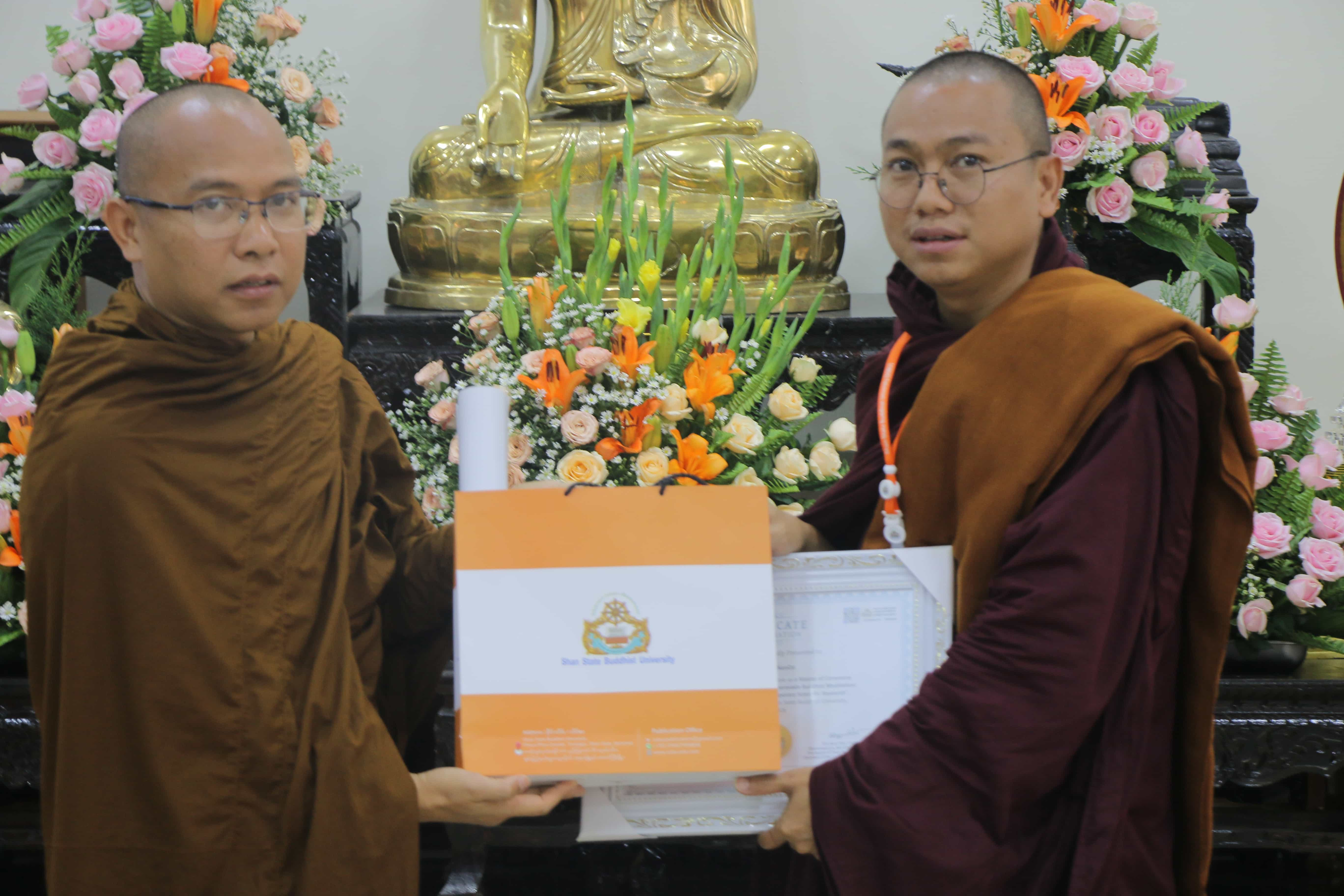
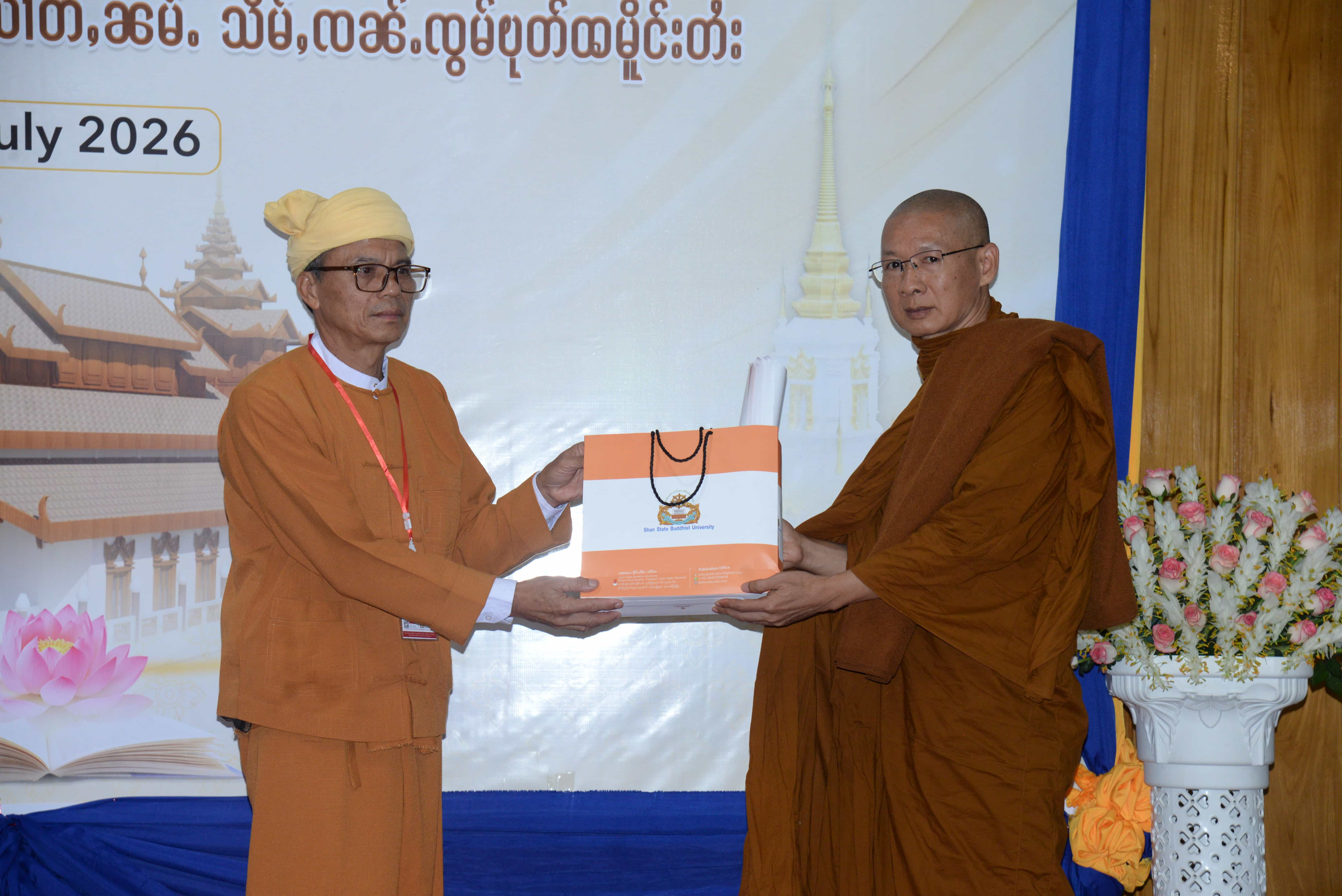
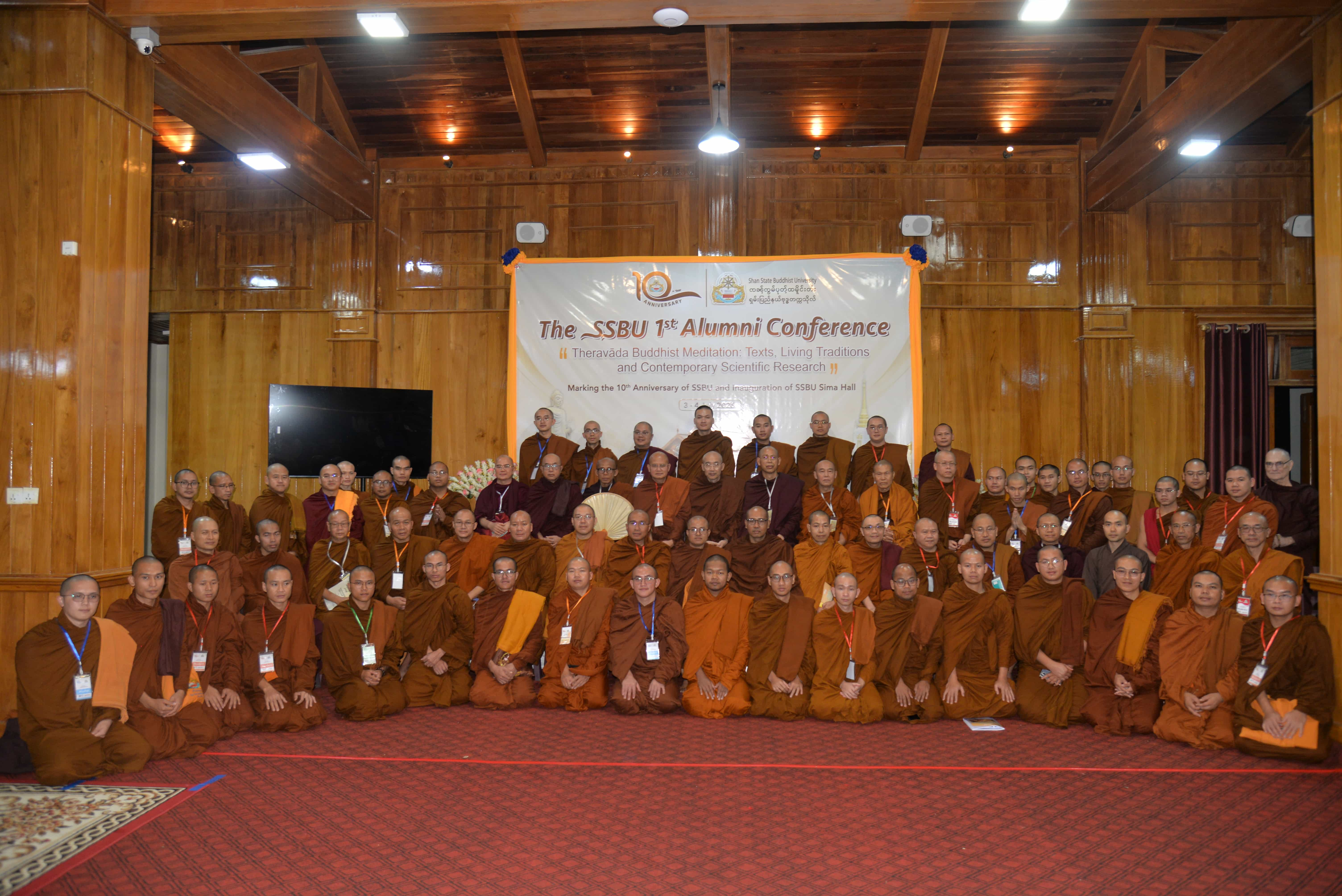
Throughout the conference, each session was guided by moderators and masters of ceremonies drawn largely from SSBU's alumni community, reflecting the University's emphasis on developing academic leadership among its graduates. At the conclusion of the morning and afternoon sessions, certificates of appreciation were presented to the speakers, moderators, and masters of ceremonies in recognition of their contributions. Group photographs commemorated these occasions and highlighted the collaborative spirit that characterised the conference.
Closing Ceremony
The conference concluded on the evening of 4 July with a closing ceremony at the Dhamma Hall attended by participants from the English, Shan, and Myanmar language sessions. Reports presented by representatives of each session summarised the principal themes and outcomes of the conference, highlighting the breadth of research undertaken by SSBU alumni and invited scholars.
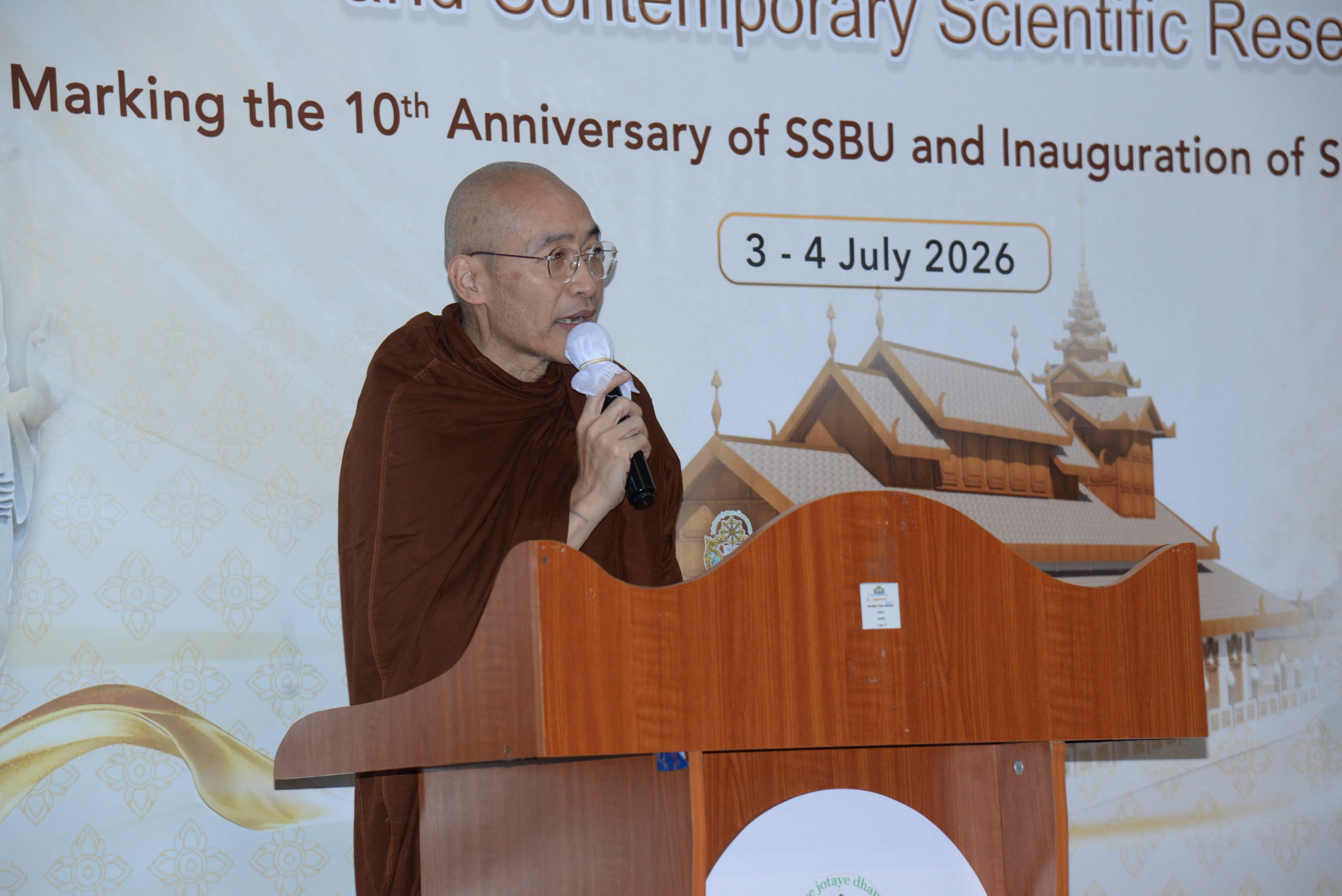
In his closing address, the Most Venerable Professor Dr. K. Dhammasāmi reflected on the University's progress during its first decade and expressed appreciation for the continuing scholarly contributions of its graduates. A vote of thanks by the Most Venerable Vicittābhipāla acknowledged the presenters, moderators, organisers, volunteers, and participants whose collective efforts contributed to the success of the inaugural alumni conference. The proceedings concluded with the sharing of merits, the recitation of "Buddha sāsanaṃ ciraṃ tiṭṭhatu" ("May the Buddha's Dispensation endure for a long time"), and a final group photograph.
Looking Forward
As the first conference organised specifically for SSBU alumni, the event demonstrated the University's growing contribution to Buddhist scholarship and higher education during its first decade. The wide range of presentations reflected the diverse academic interests and professional paths pursued by SSBU graduates while revealing a shared commitment to careful scholarship, contemplative practice, and the responsible preservation of the Buddha's teachings.
By bringing together textual study, living meditation traditions, historical inquiry, and contemporary scientific research within a single forum, the conference provided meaningful opportunities for dialogue between scholars, practitioners, and students. More importantly, it affirmed Shan State Buddhist University's continuing role as a centre for Buddhist learning where academic excellence and contemplative practice are cultivated together in the service of the Buddha's Dispensation.