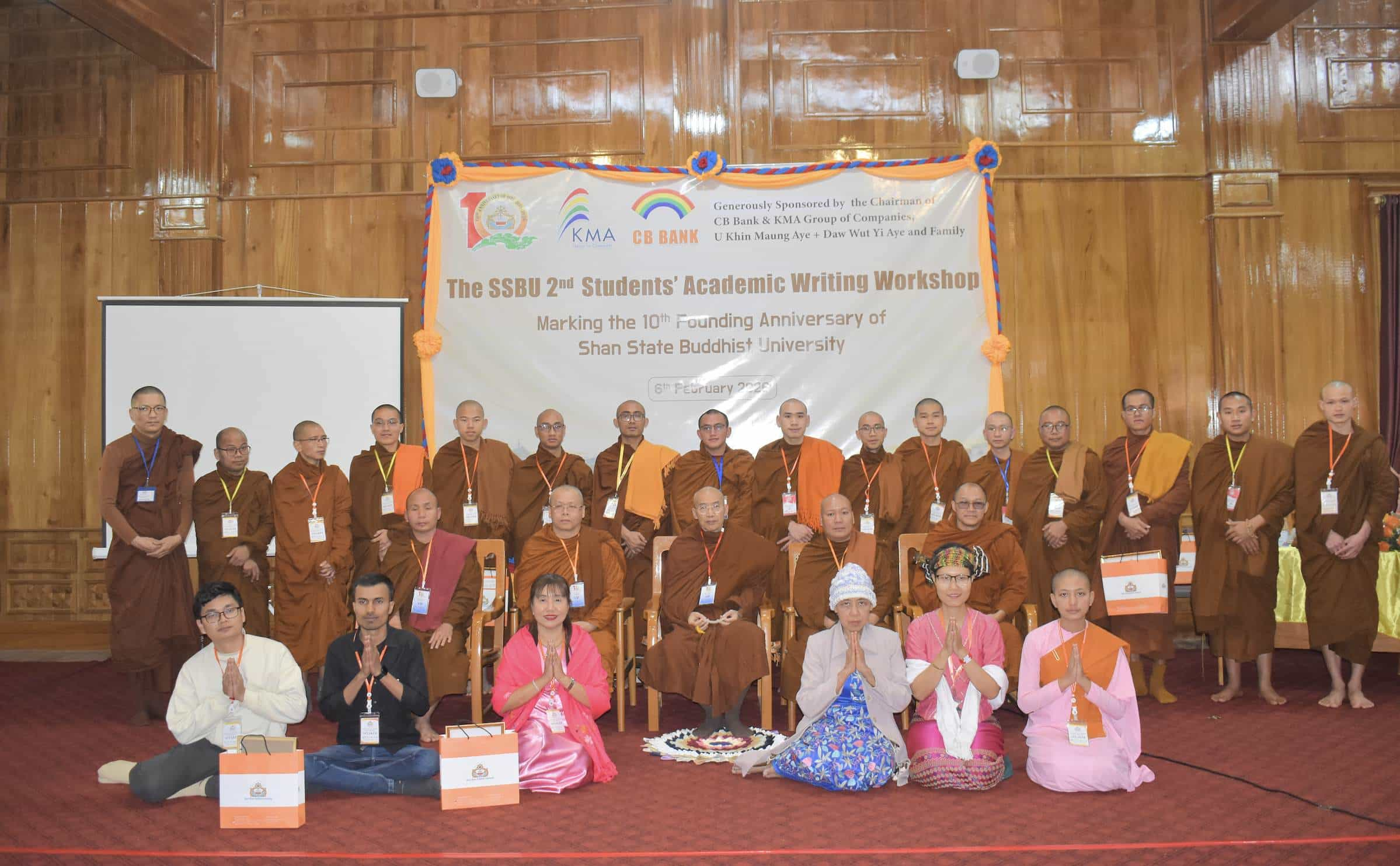
The SSBU 2nd Students' Academic Writing Workshop
SSBU Dhamma Hall
6 February 2026
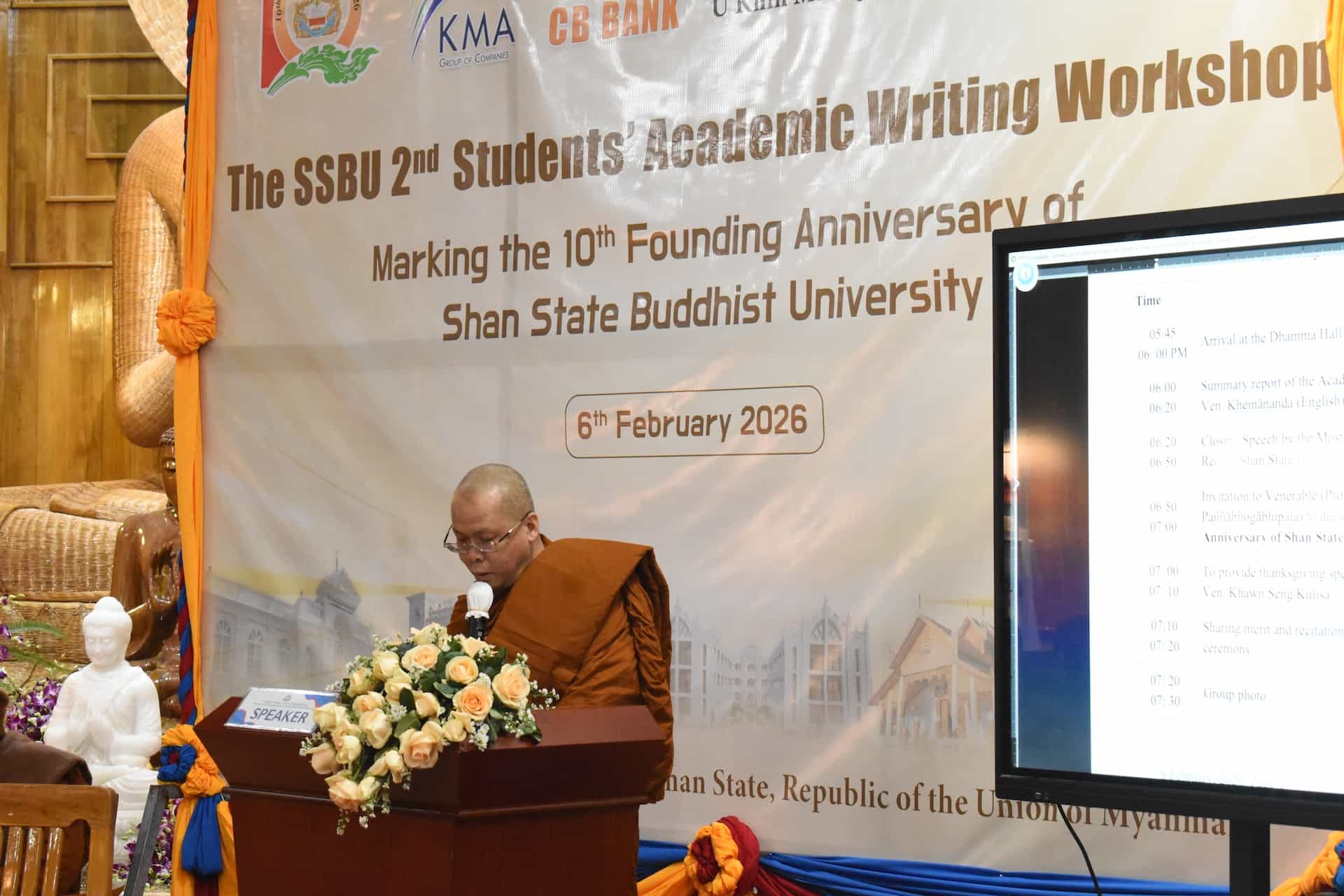
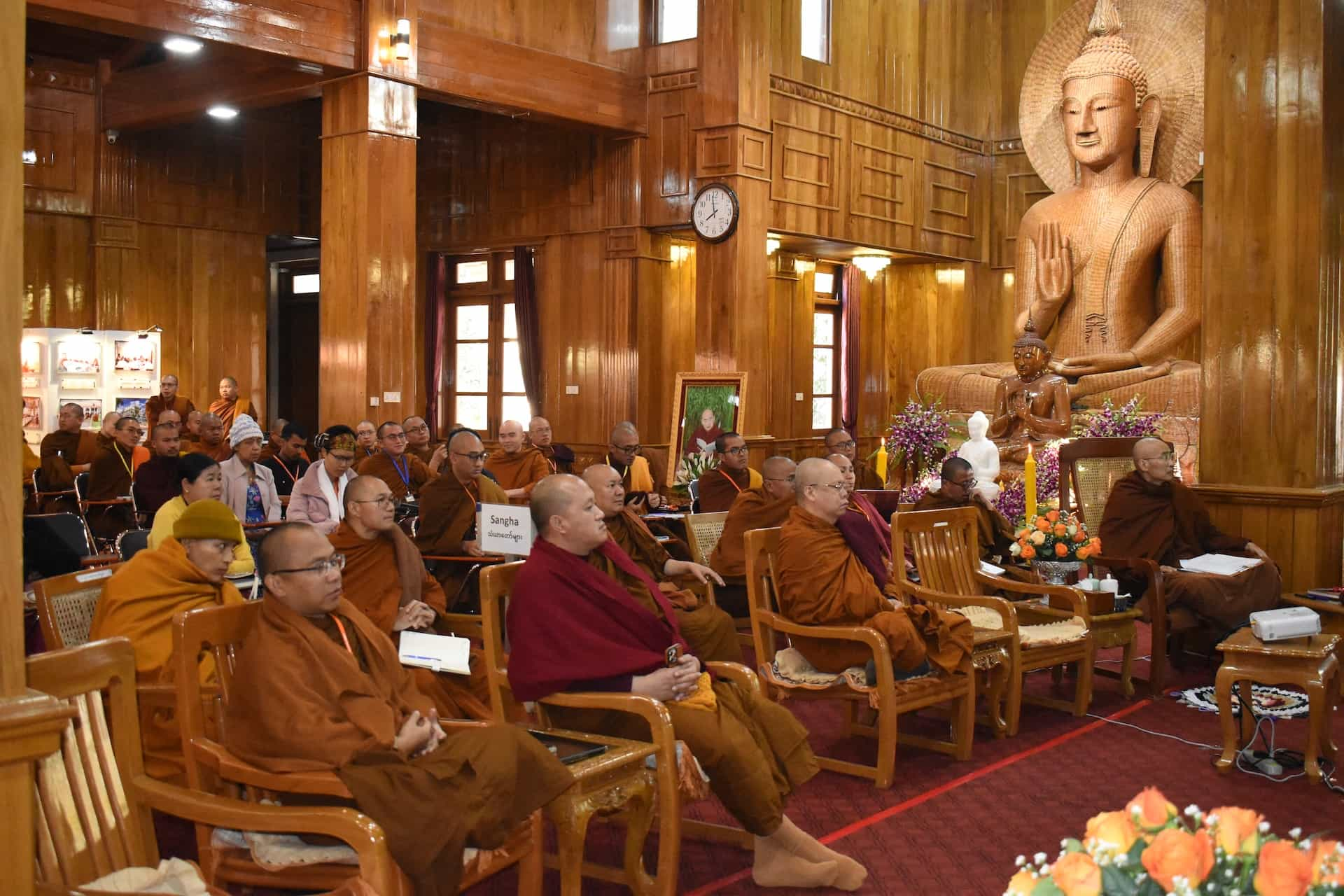
On 6 February 2026, Shan State Buddhist University (SSBU) convened the SSBU 2nd Students’ Academic Writing Workshop at the SSBU Dhamma Hall in Taunggyi, Shan State, Republic of the Union of Myanmar. This workshop formed part of a series of academic activities marking the 10th Founding Anniversary of Shan State Buddhist University, highlighting the institution’s sustained commitment to scholarly training, research culture, and academic integrity within a Buddhist educational framework.
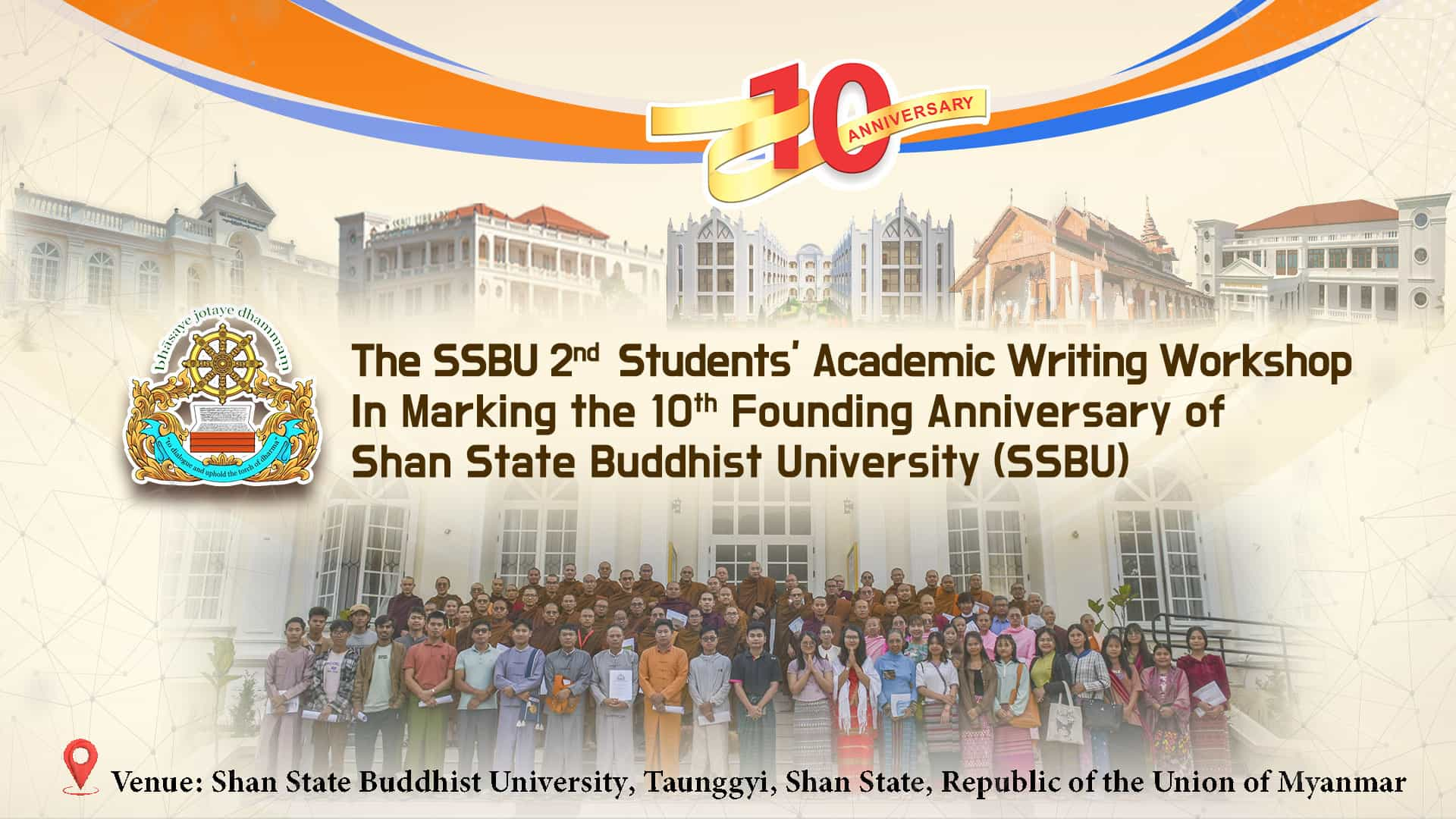
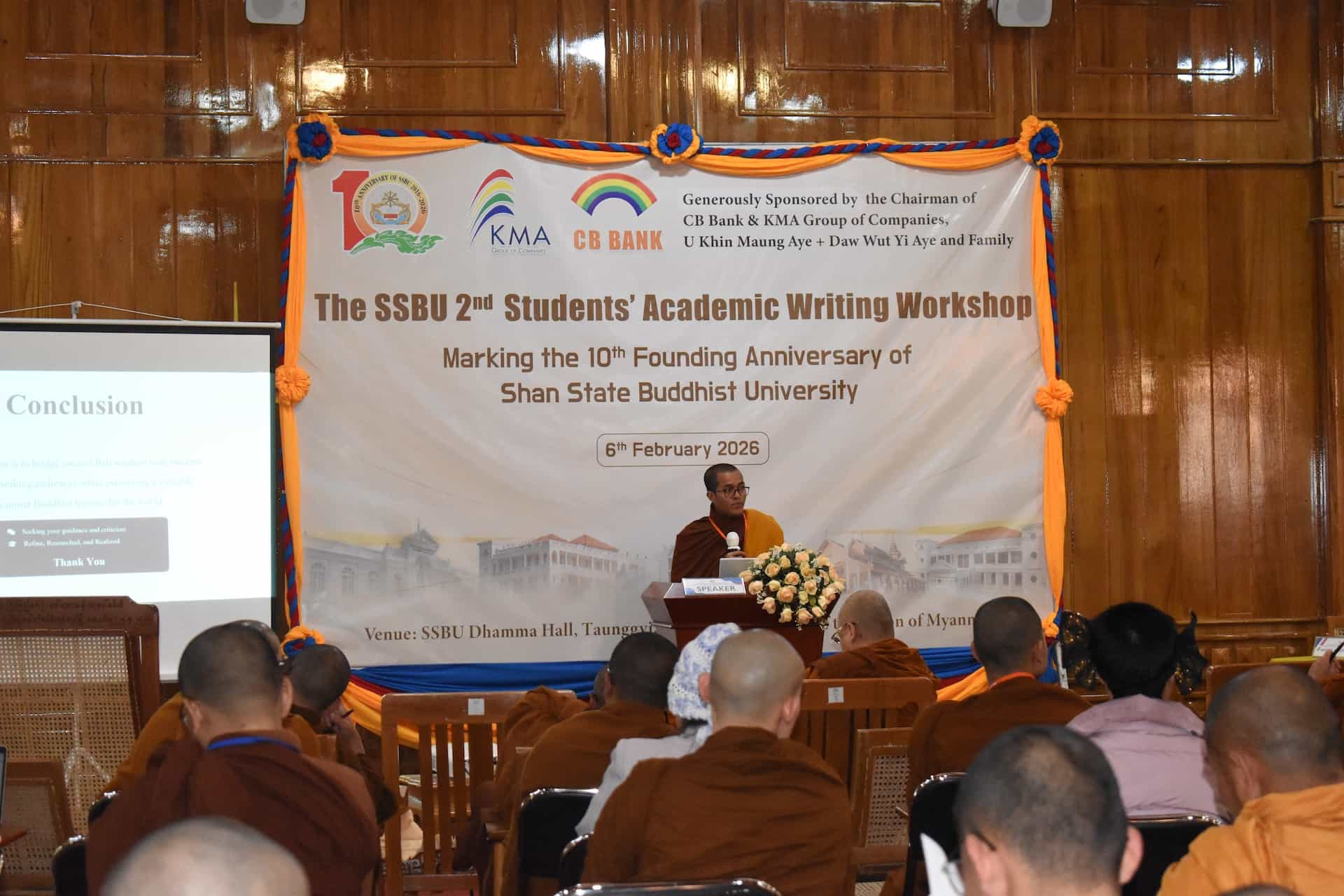
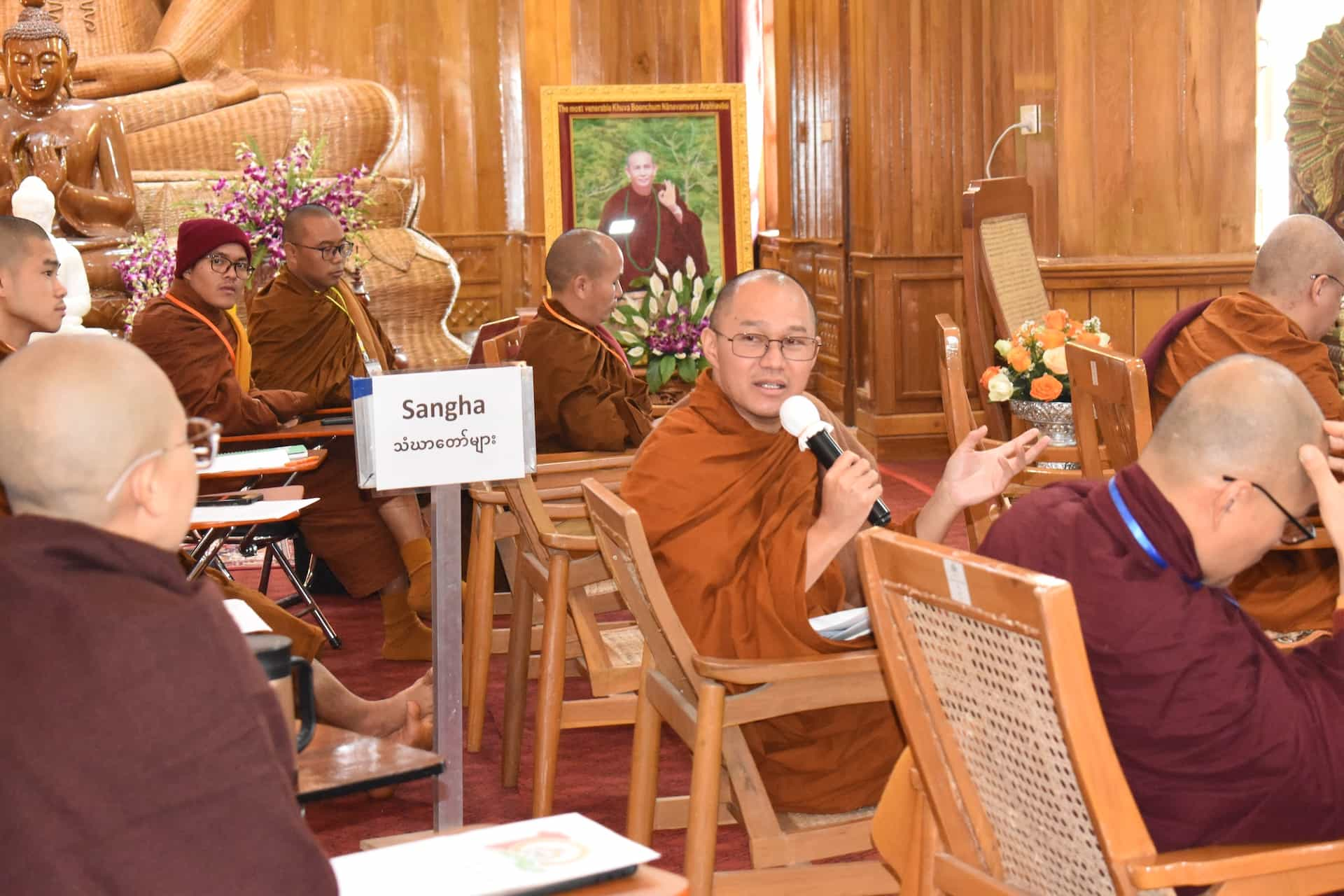
The workshop was conceived as a student-led academic forum, providing SSBU students with an opportunity to share experiences, present emerging research ideas, and reflect collectively on the practice of academic writing. By centring the voices of students, the event reinforced SSBU’s pedagogical emphasis on active learning, peer engagement, and reflective scholarship. Students from various academic programmes participated as presenters and moderators, demonstrating the university’s encouragement of responsibility and leadership in academic life.
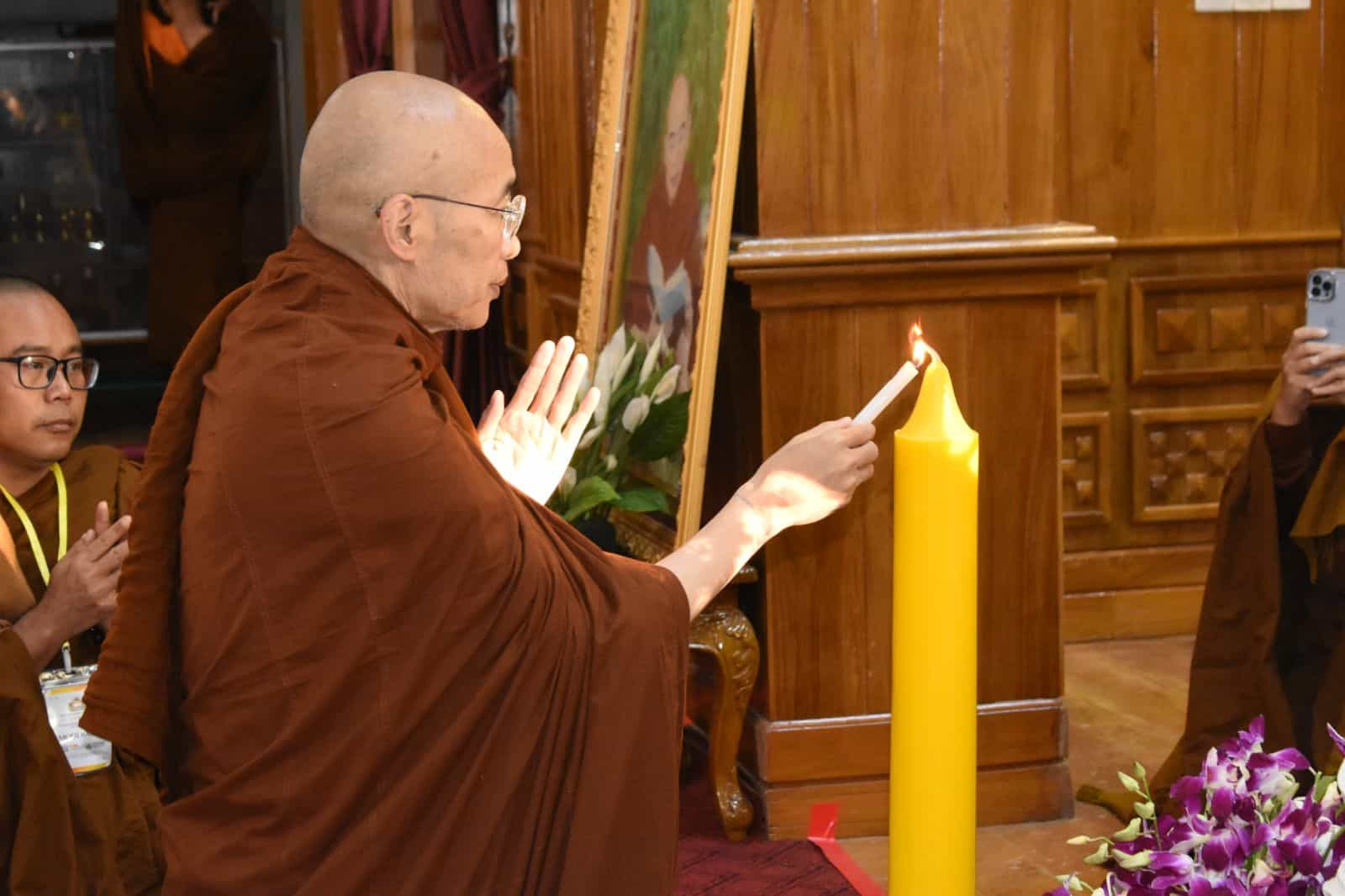
The opening ceremony set a reflective and purposeful tone for the day. The proceedings began with the lighting of the lamp and the recitation of Namo tassa bhagavato arahato sammāsambuddhassa in homage to the Triple Gem, led by the Most Venerable Prof. Dr. Khammai Dhammasami, Founder and Rector of SSBU. In his opening address, the Rector underscored the central role of academic writing and research in higher education. He observed that academic excellence is not measured merely by the accumulation of degrees, but by sustained engagement in reading, research, and publication. Without research output and published work, he noted, a university cannot fully realise its academic mission. This message provided an ethical and intellectual framework for the workshop, situating academic writing as both a scholarly discipline and a responsibility within Buddhist higher education.
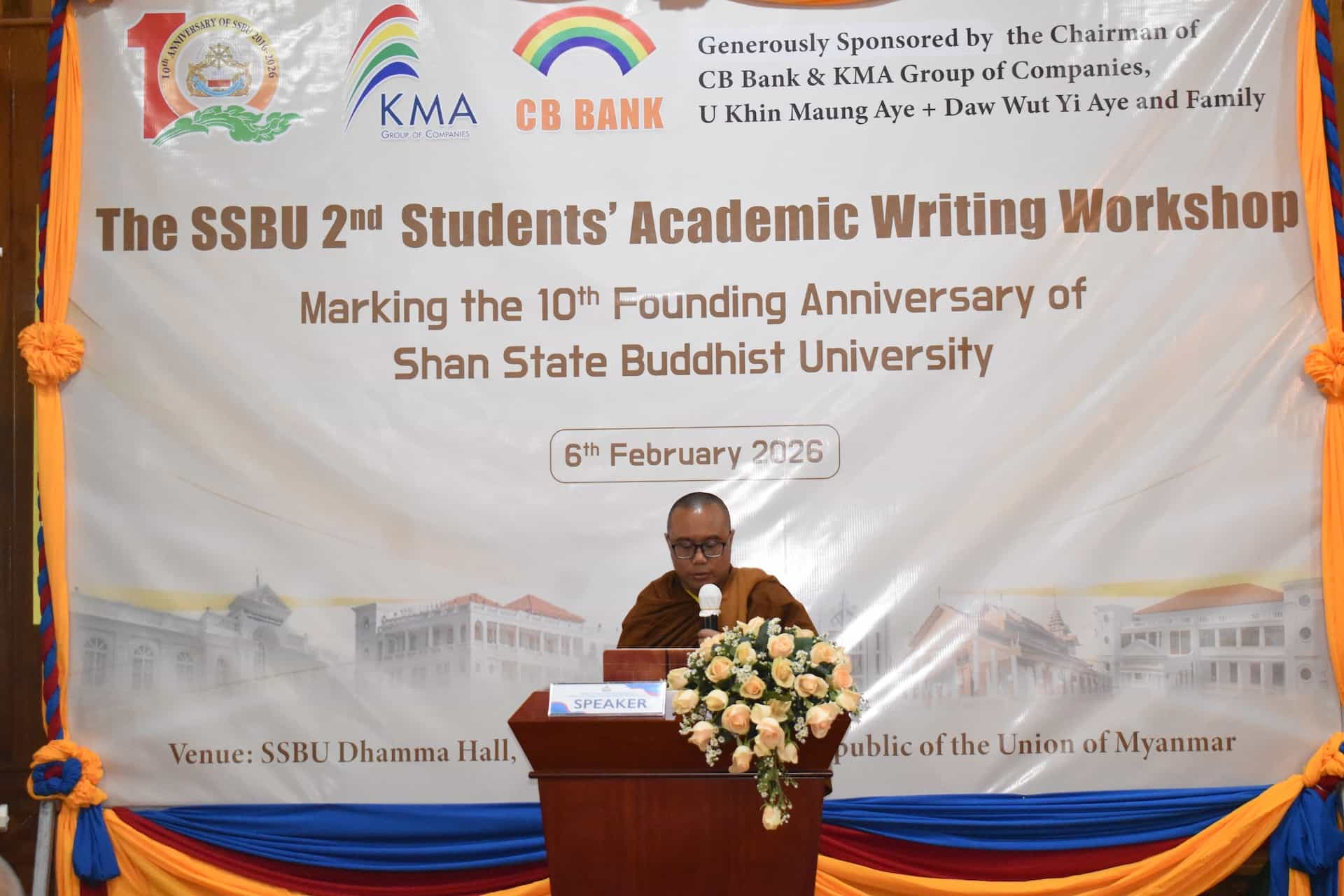
The workshop programme was structured into morning and afternoon sessions, each consisting of short presentations followed by feedback and discussion. In total, 20 student presenters delivered papers on key aspects of academic writing and research practice. Topics addressed fundamental components of scholarly work, including the identification and refinement of research problems, data collection methods, literature review, abstract writing, research questions, and methodology. Other presentations explored practical skills such as choosing appropriate titles, structuring research chapters, different types of academic essays, effective reading strategies, note-taking techniques, and communication with supervisors.
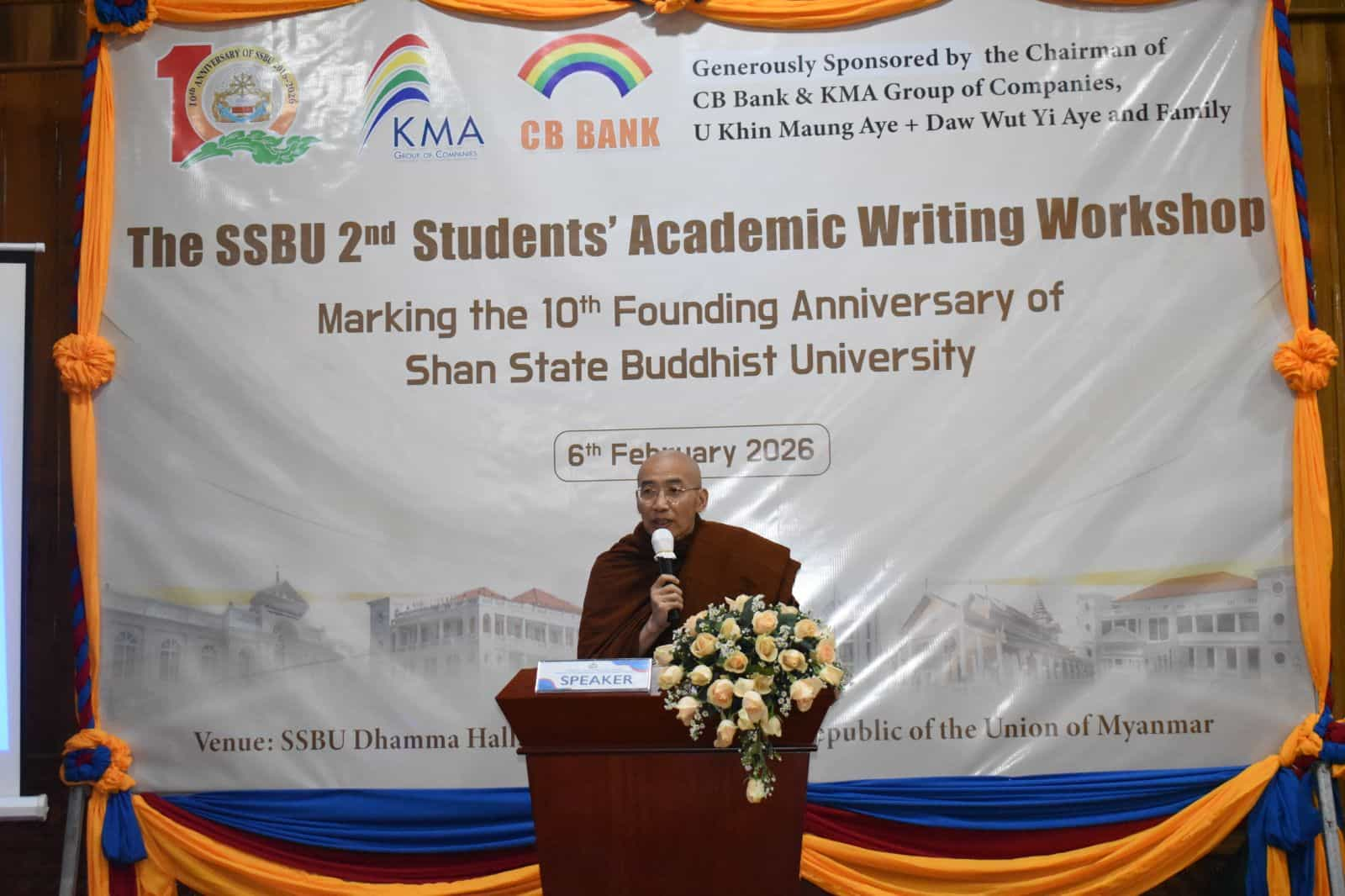
Several presentations also demonstrated the application of academic writing skills to Buddhist studies and related disciplines. Papers examining mindfulness from modern and Buddhist perspectives, comparative studies of meditation practices, historical case studies, and interpretative approaches to Buddhist texts illustrated how methodological clarity and careful writing support meaningful engagement with Buddhist teachings and contexts.
In this way, the workshop linked technical writing skills with disciplinary content, showing how academic form and intellectual substance are closely connected.
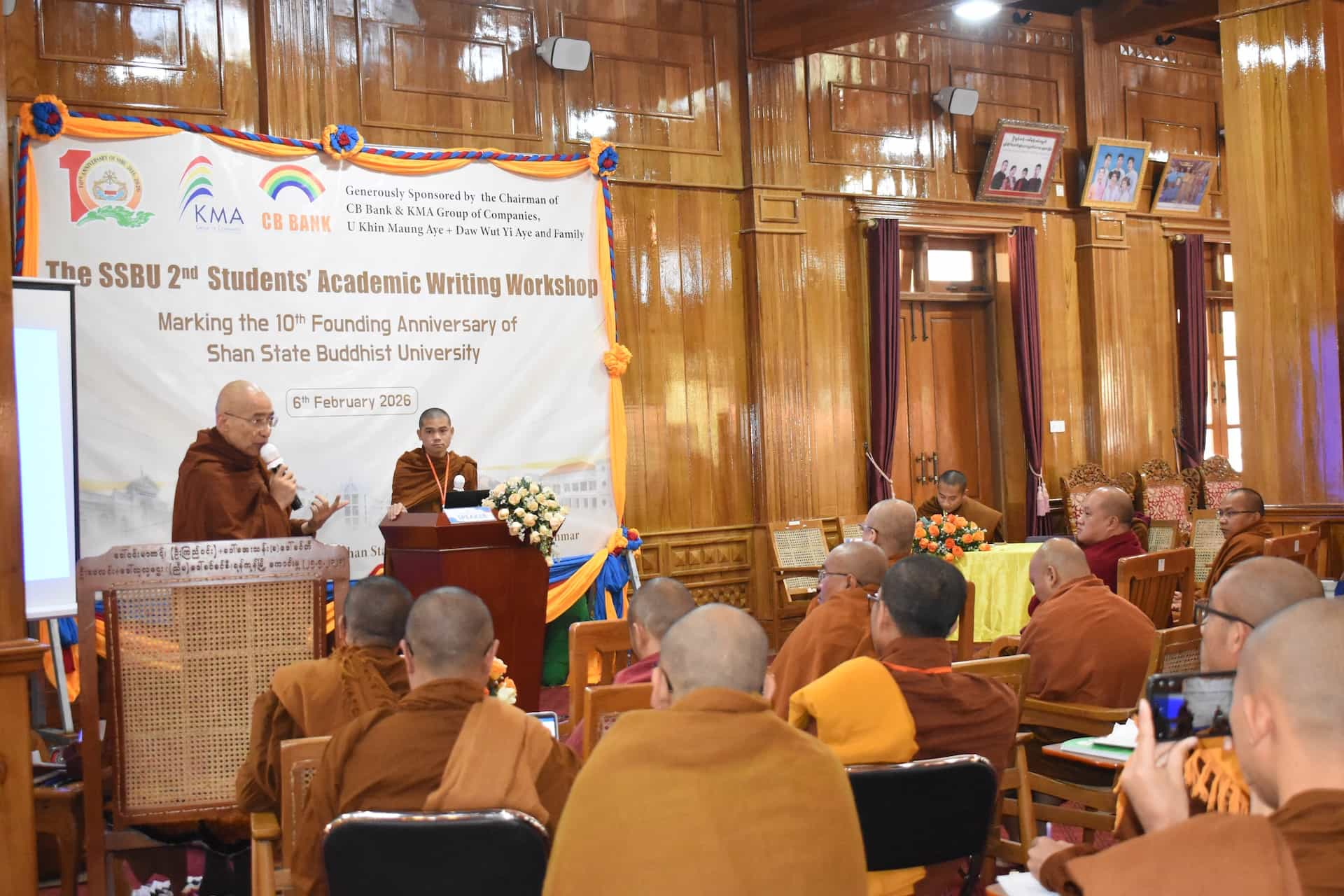
Participation and engagement were notable throughout the day. The morning sessions attracted 119 participants, generating 33 comments and questions, while the later sessions involved 66 participants with 30 comments and questions. In total, 185 participants contributed 63 comments and suggestions, reflecting a high level of academic interest and interaction. This active engagement enhanced the workshop’s collaborative atmosphere and allowed presenters to receive constructive feedback from peers and senior students.
A key reflective outcome of the workshop was the collective recognition of the importance of the three Rs: relearning, unlearning, and learning. Participants noted that academic development requires not only the acquisition of new knowledge but also the reassessment of prior assumptions and the willingness to revise established habits of thinking and writing. This reflective process aligns closely with Buddhist approaches to learning, which emphasise mindfulness, critical awareness, and continuous self-cultivation.
Beyond technical skill development, the workshop encouraged personal and intellectual growth. Students were invited to view mistakes as opportunities for learning, to accept constructive criticism with openness, and to cultivate a growth mindset rather than a fixed one. Such attitudes are essential for sustained academic practice and resonate with Buddhist values of humility, effort (vīriya), and wisdom (paññā).
The objectives of the workshop were clearly articulated and consistently reflected in its activities. These included promoting knowledge sharing, identifying strengths and weaknesses in academic writing, exchanging new research ideas and methodologies, and receiving constructive feedback to improve ongoing and future academic work. By meeting these objectives, the workshop contributed meaningfully to the academic formation of SSBU students.
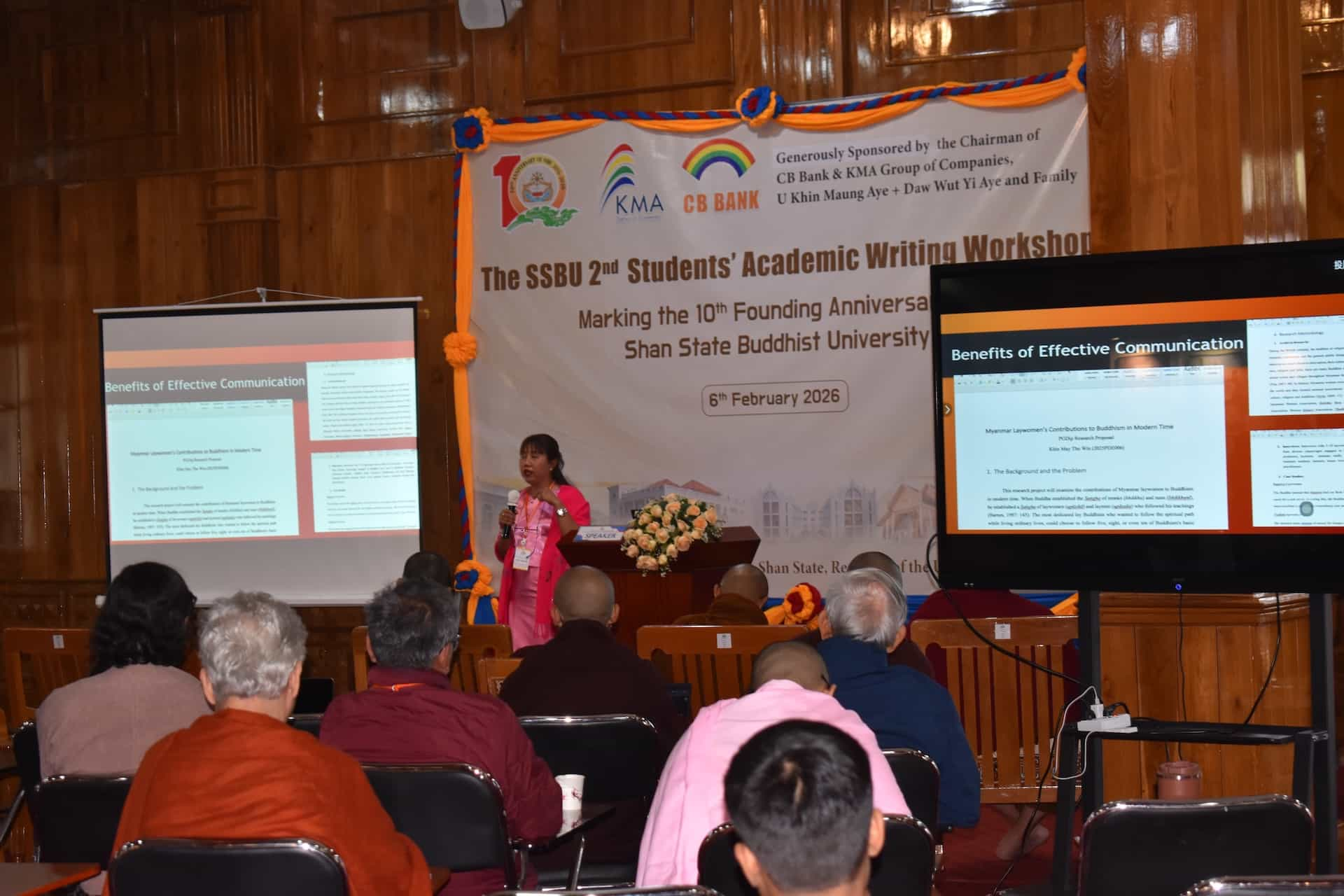
The event was organised by SSBU students, demonstrating initiative and collective responsibility within the student body. It was generously sponsored by the Chairman of CB Bank and KMA Group of Companies, U Khin Maung Aye, Daw Wut Yi Aye, and family, whose support enabled the successful implementation of this commemorative academic activity
Overall, the SSBU 2nd Students’ Academic Writing Workshop exemplified Shan State Buddhist University’s commitment to nurturing a scholarly community grounded in academic rigour, reflective practice, and Buddhist ethical values. As part of the university’s 10th anniversary celebrations, the workshop not only strengthened students’ academic competencies but also reaffirmed the role of disciplined writing and research in the preservation, study, and transmission of Buddhist knowledge.