Written Examination at Shan State Buddhist University
A Milestone in the Tenth Anniversary Celebrations
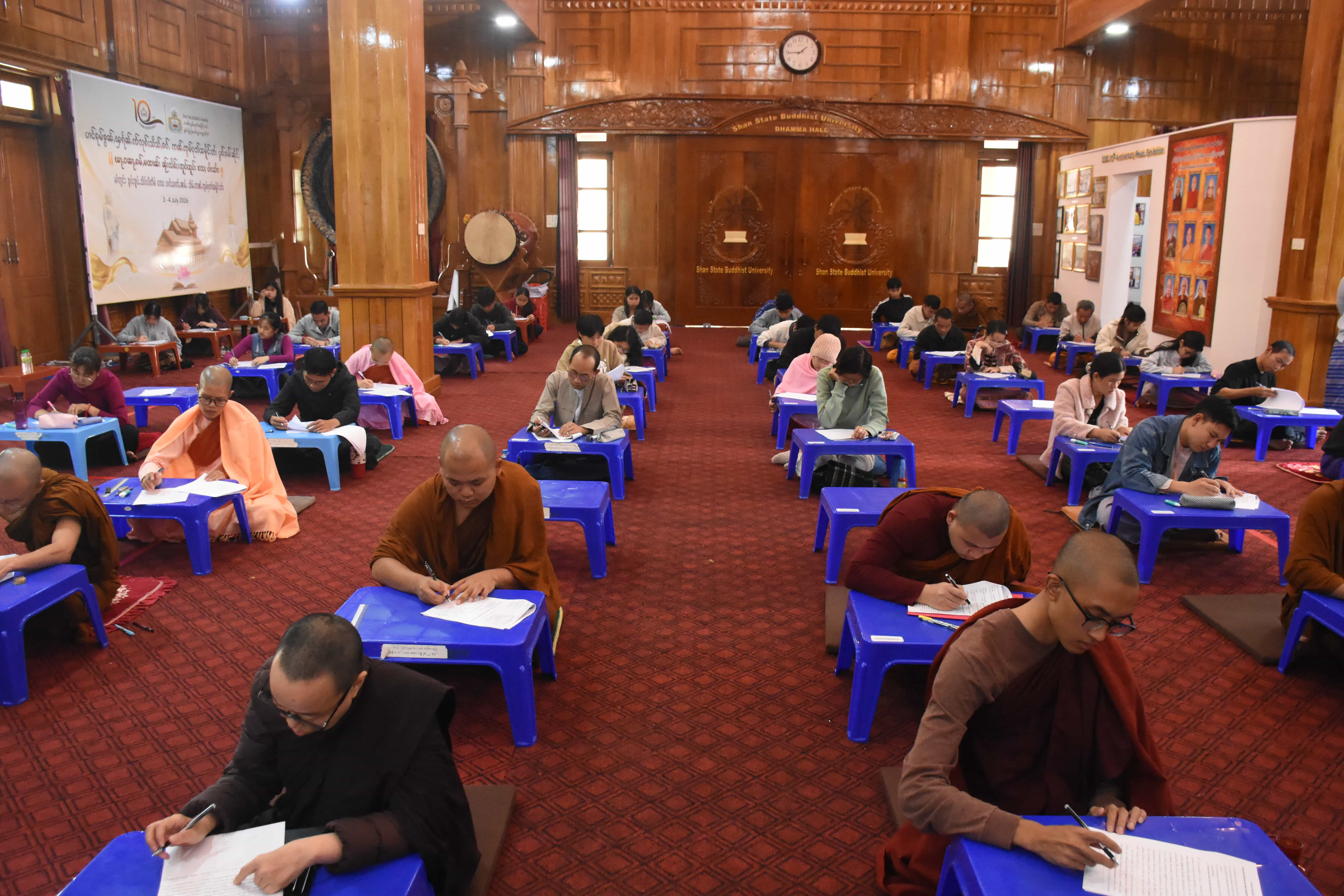
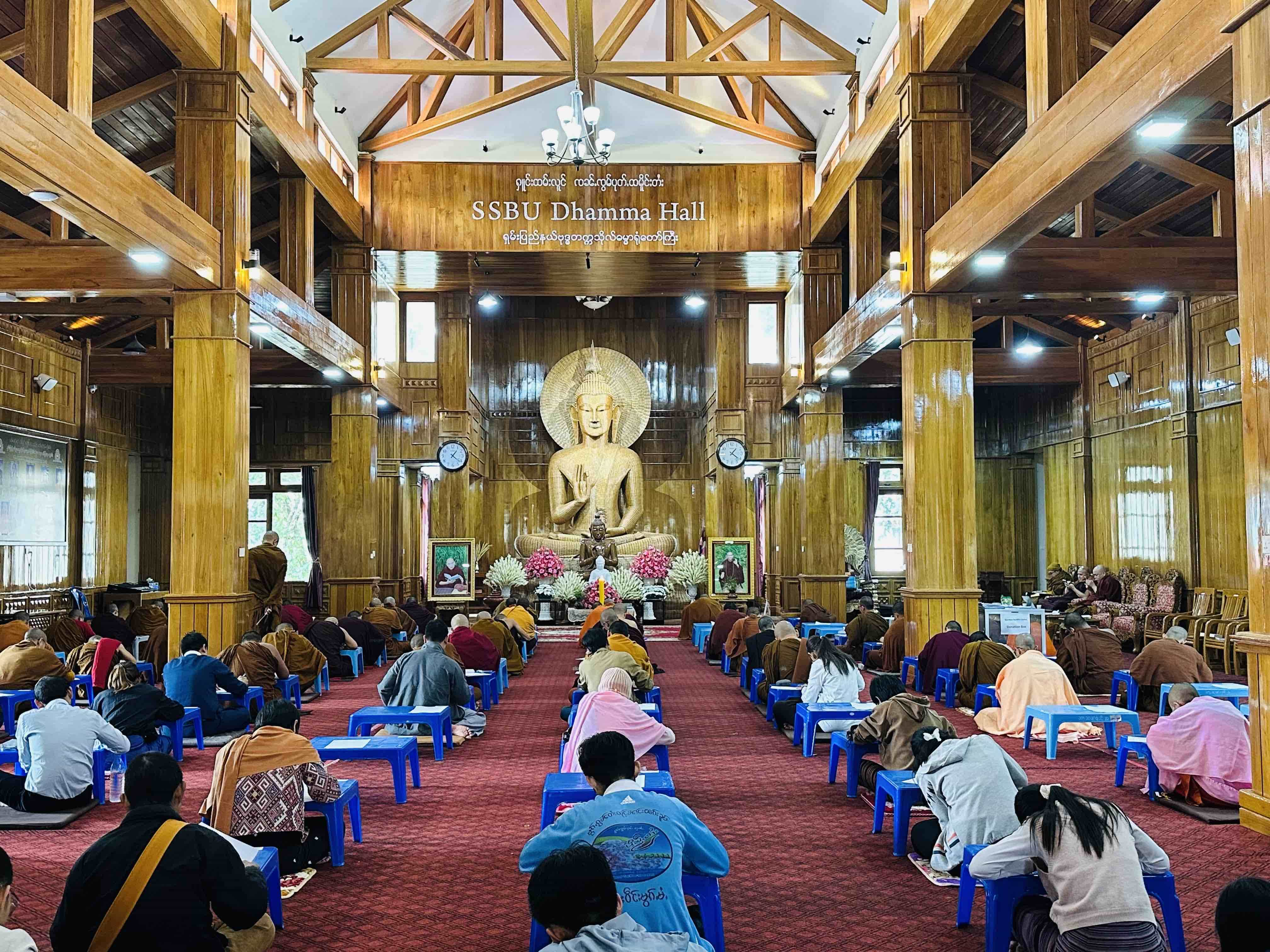
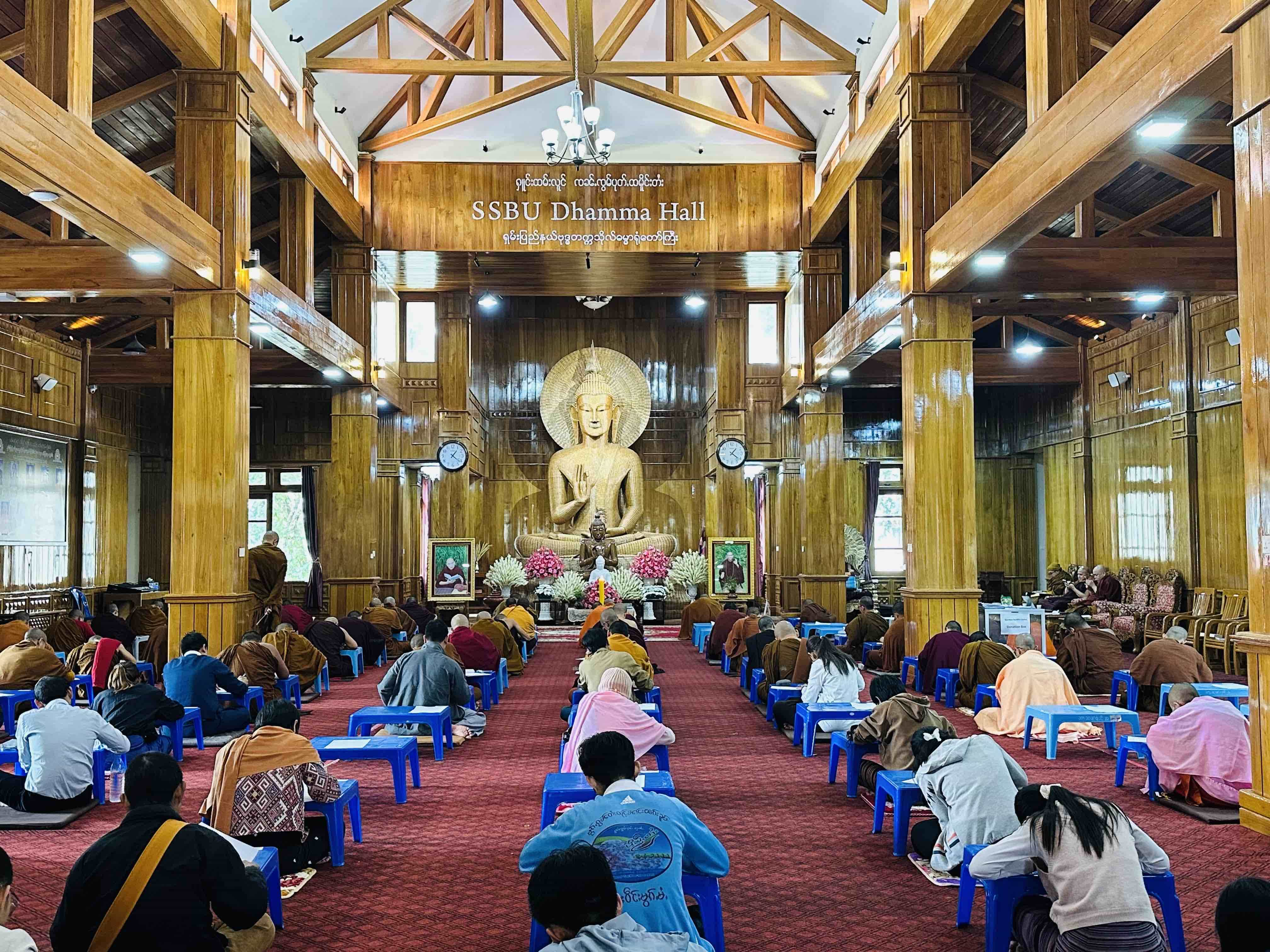
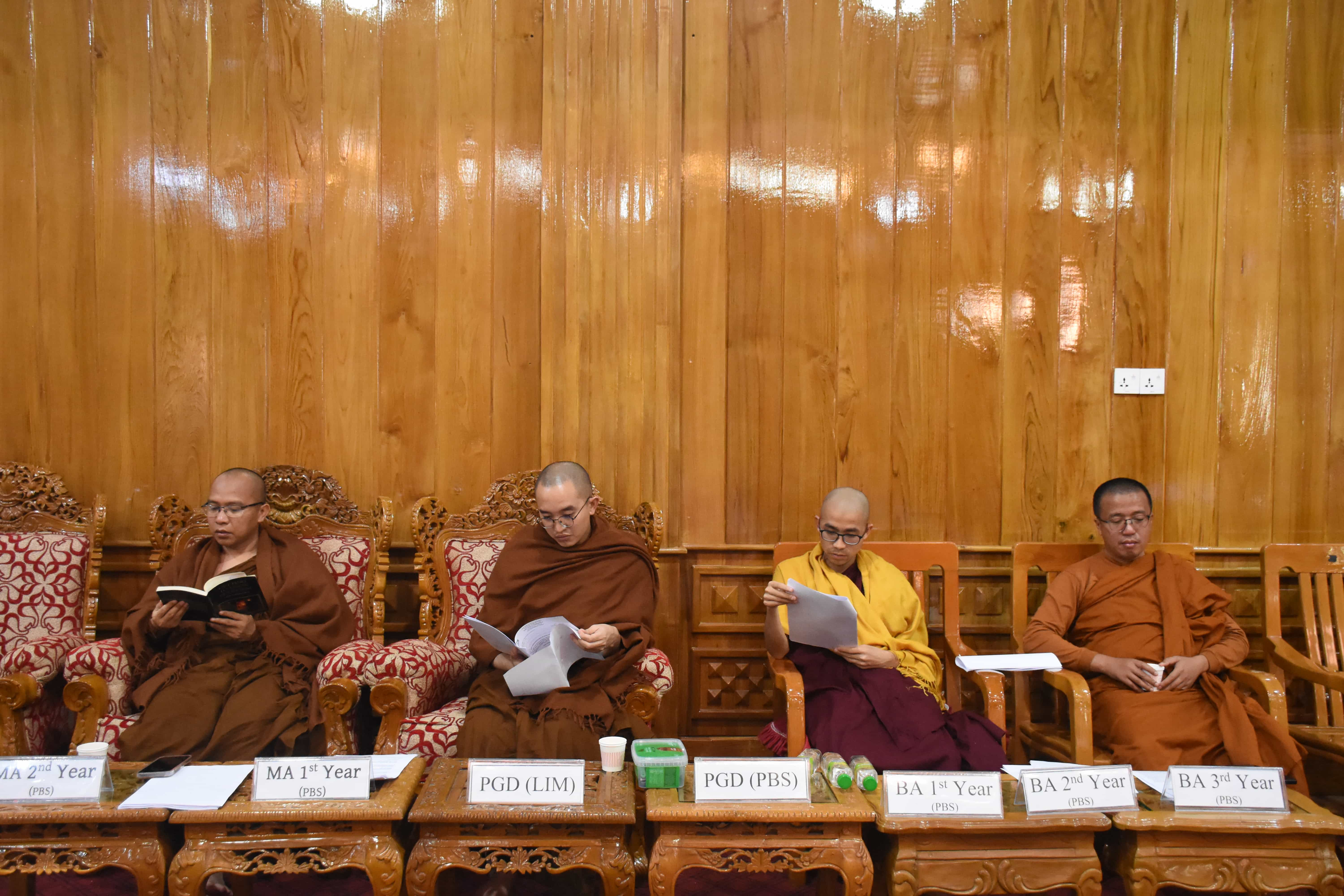
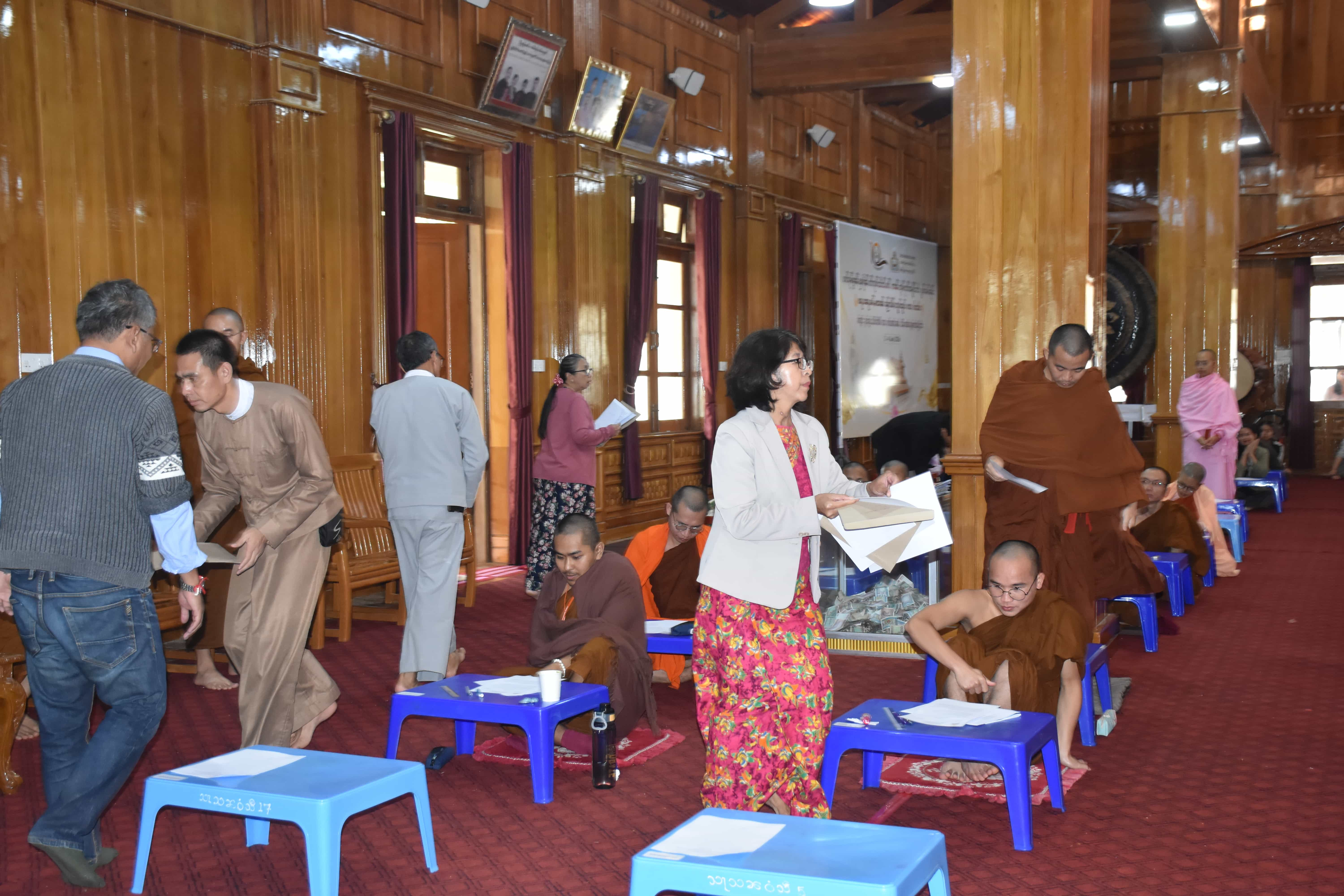
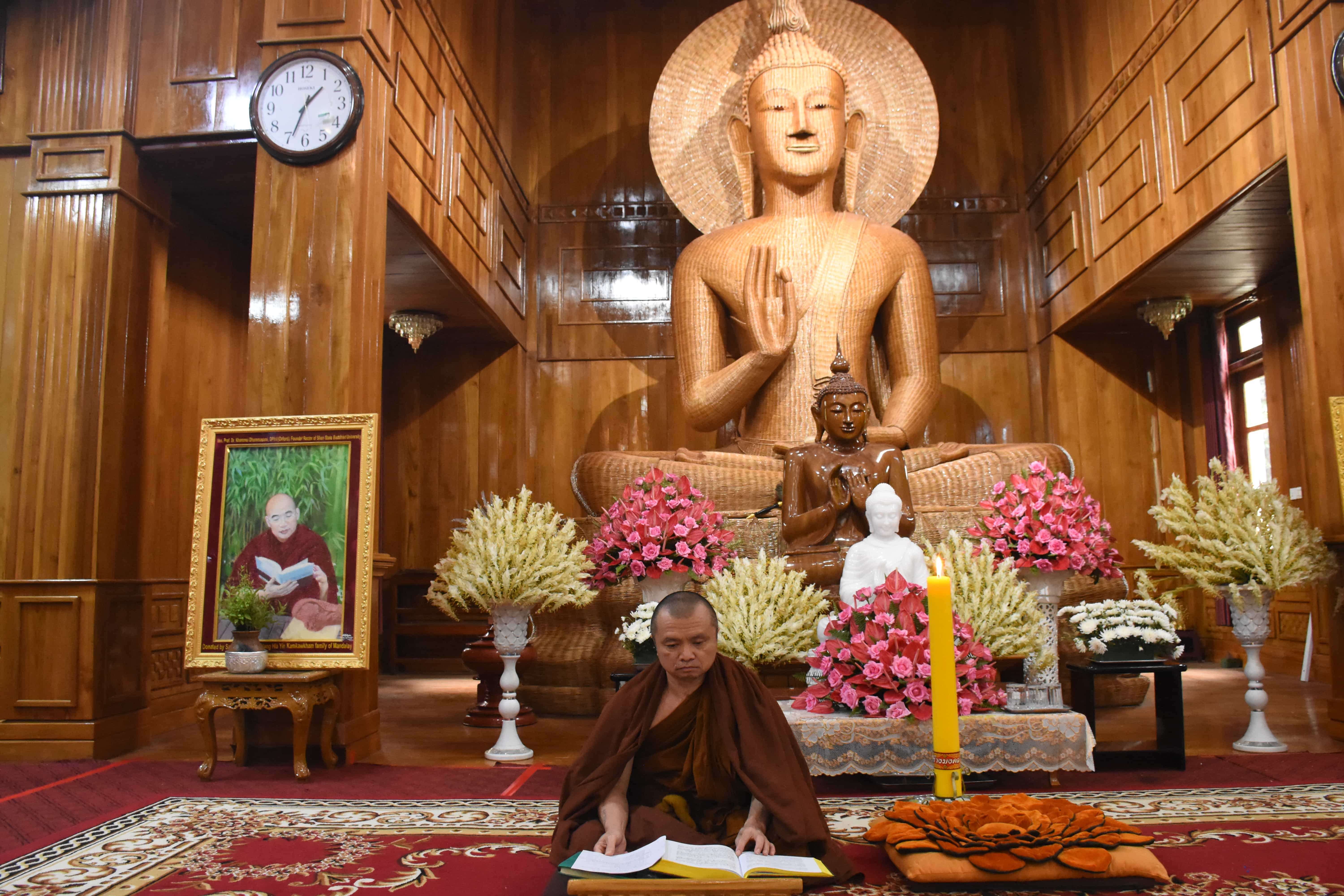
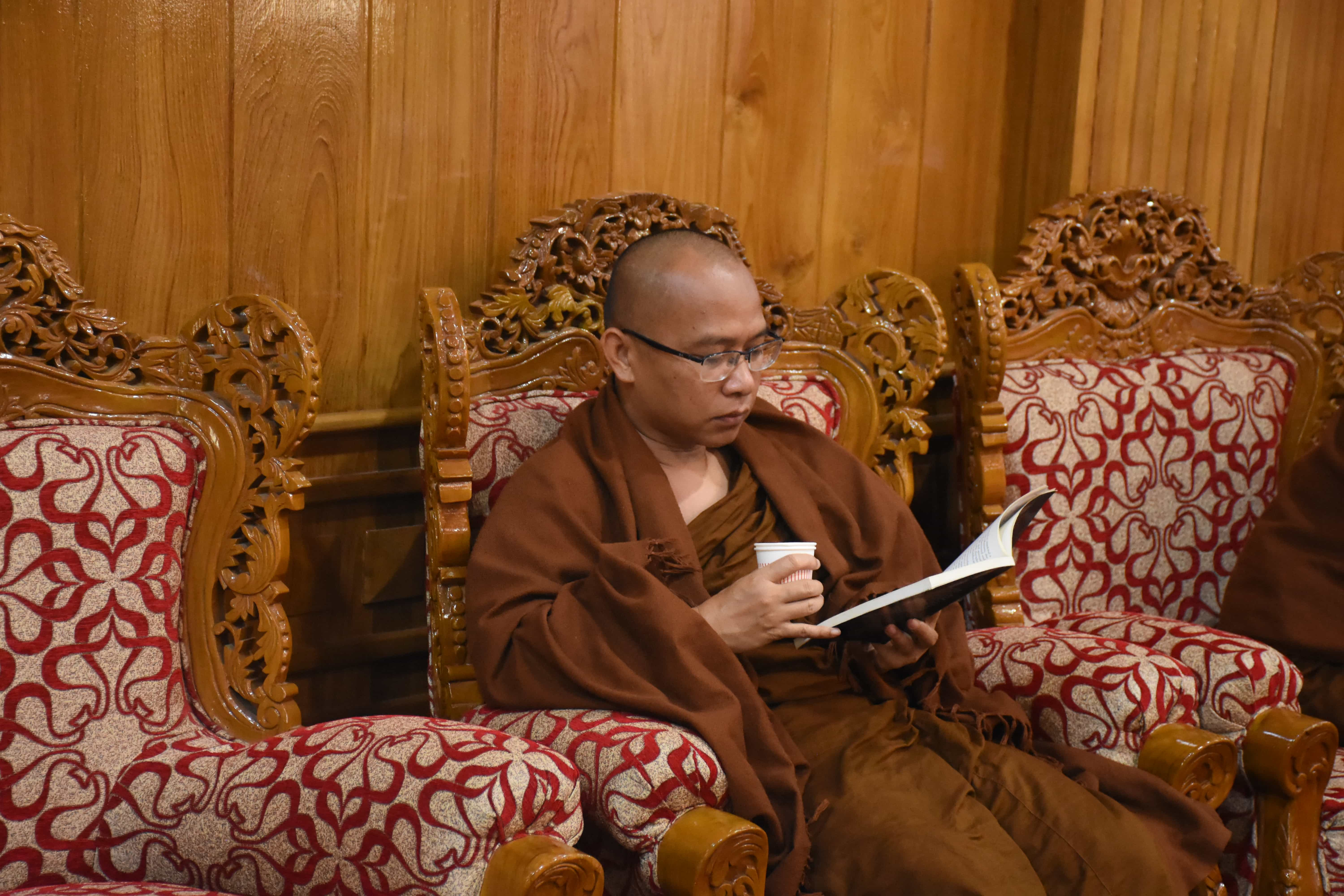
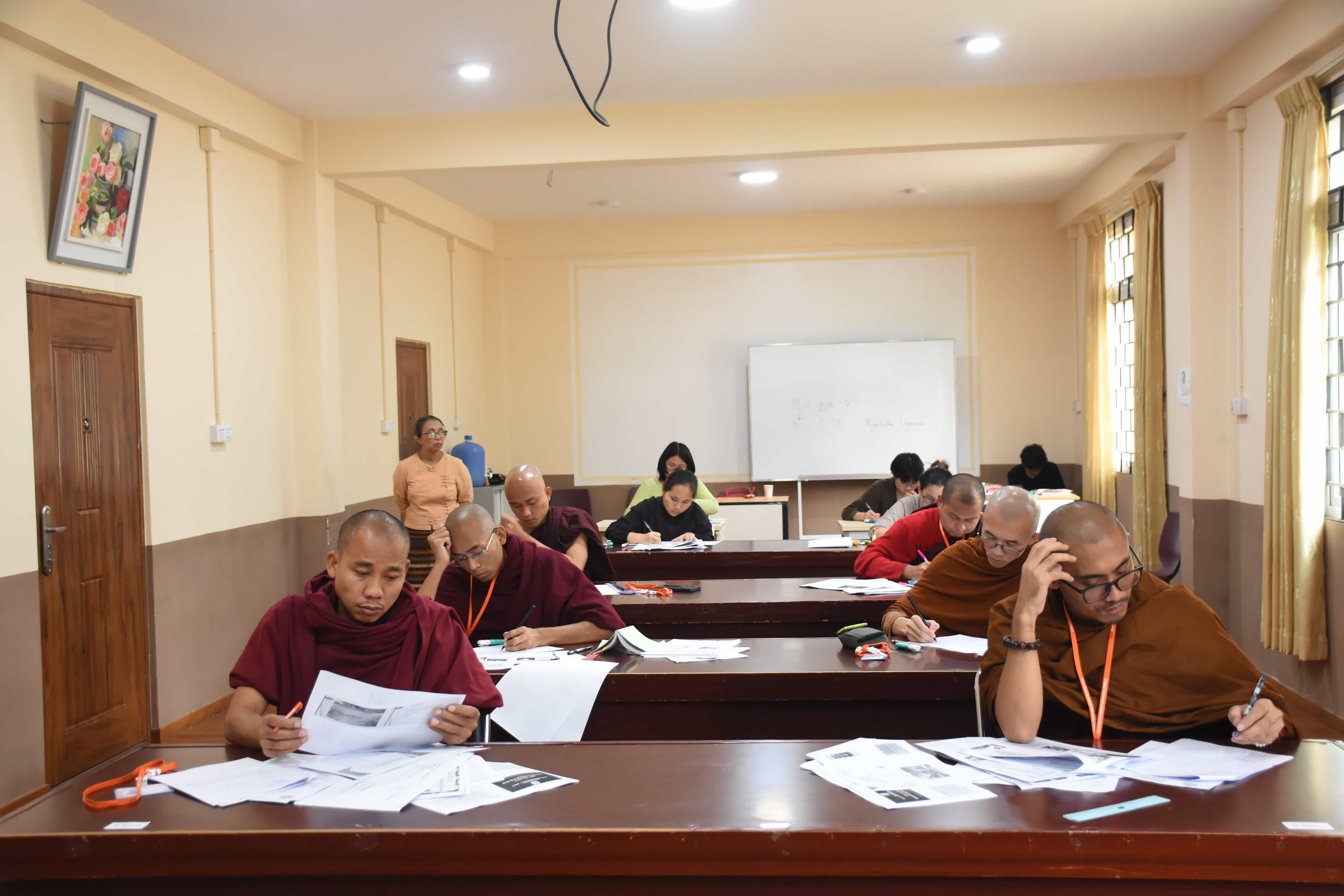
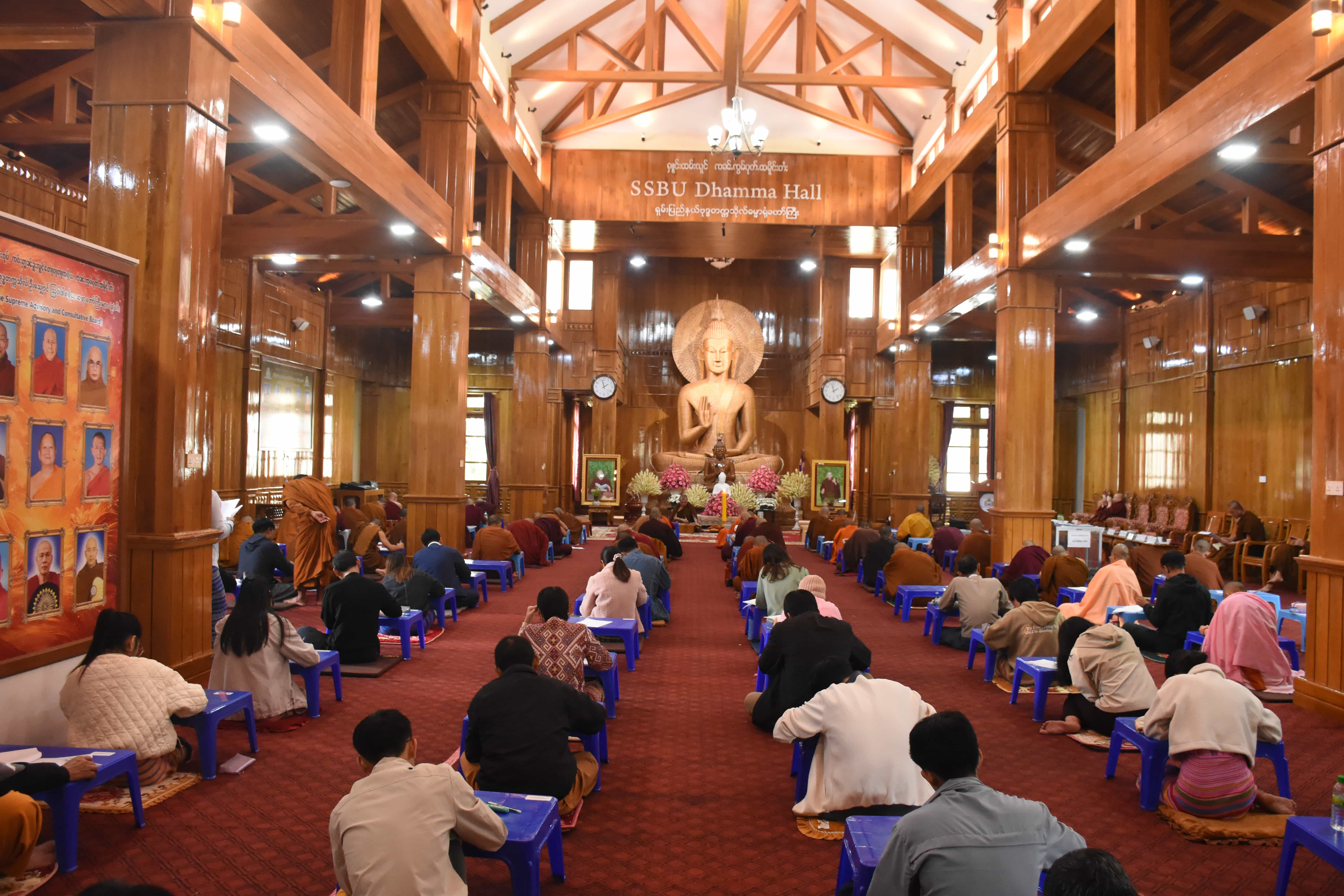
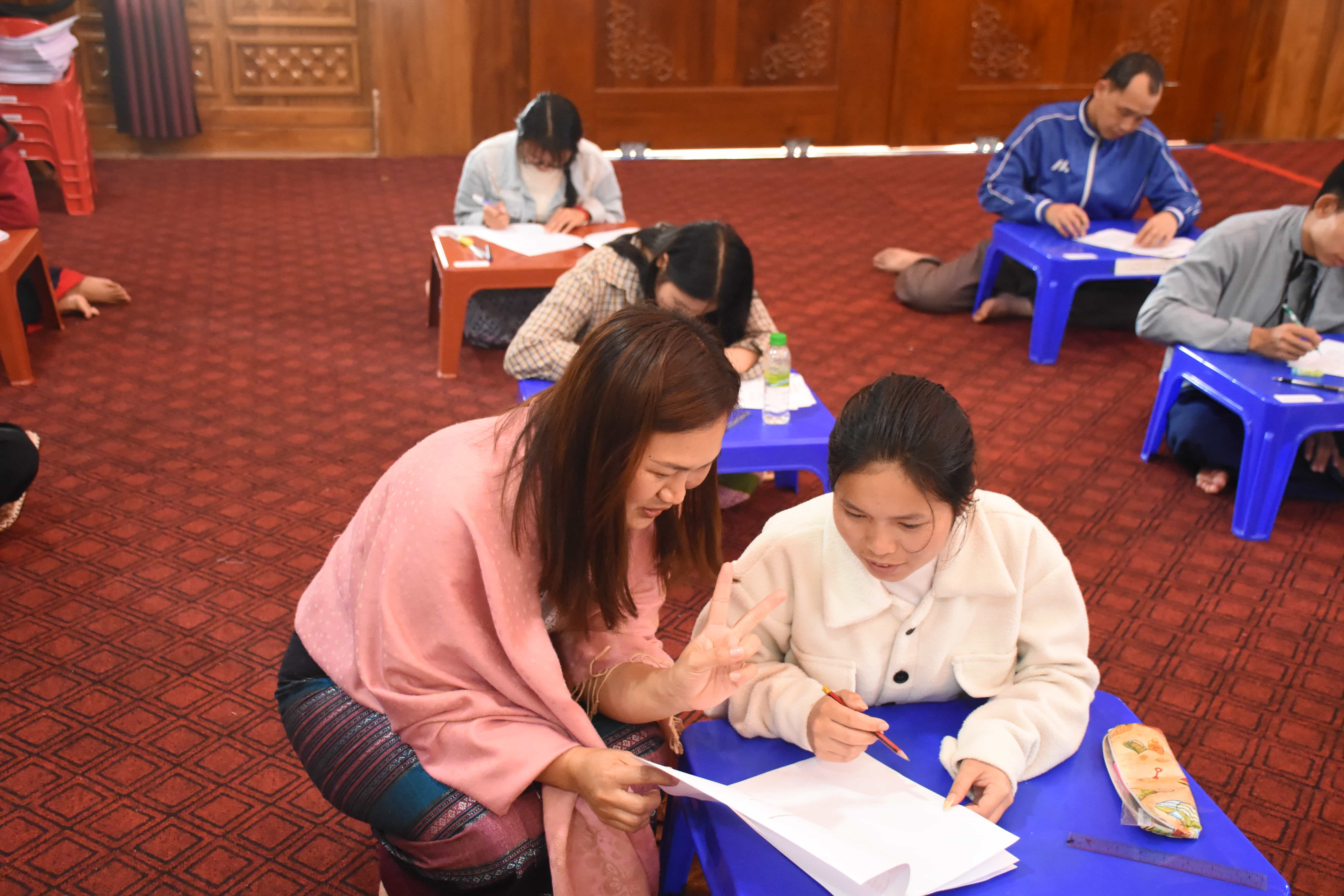
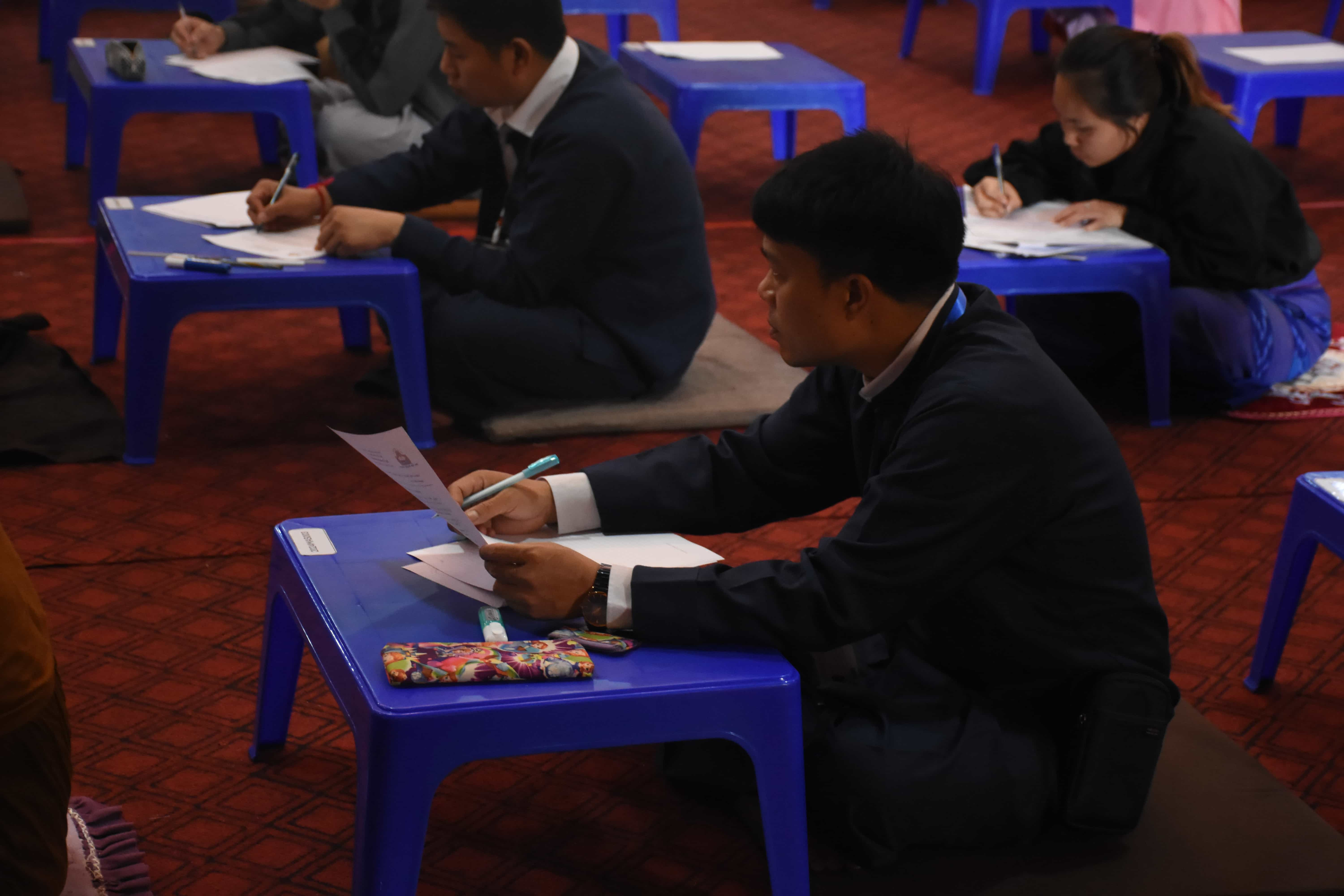
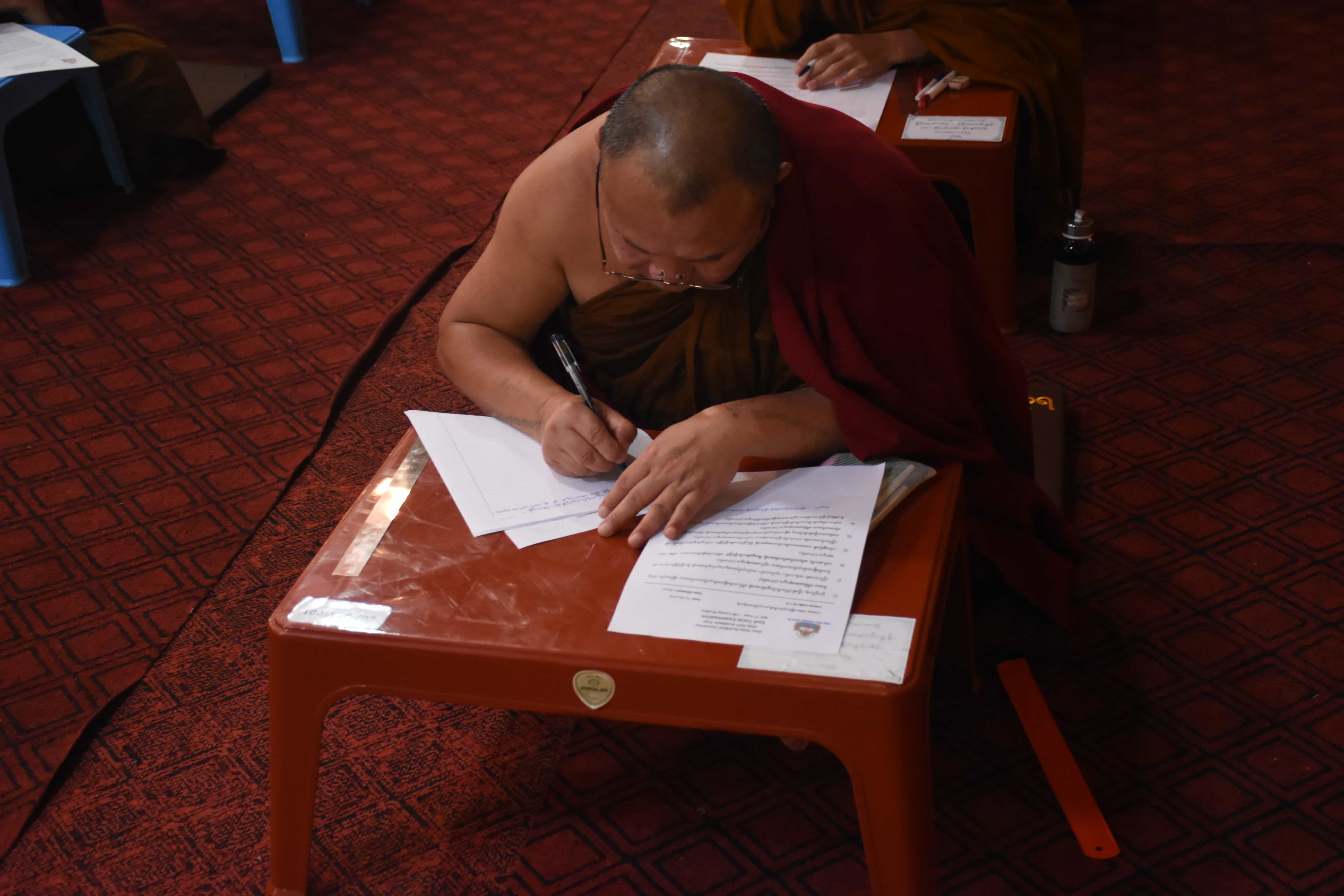
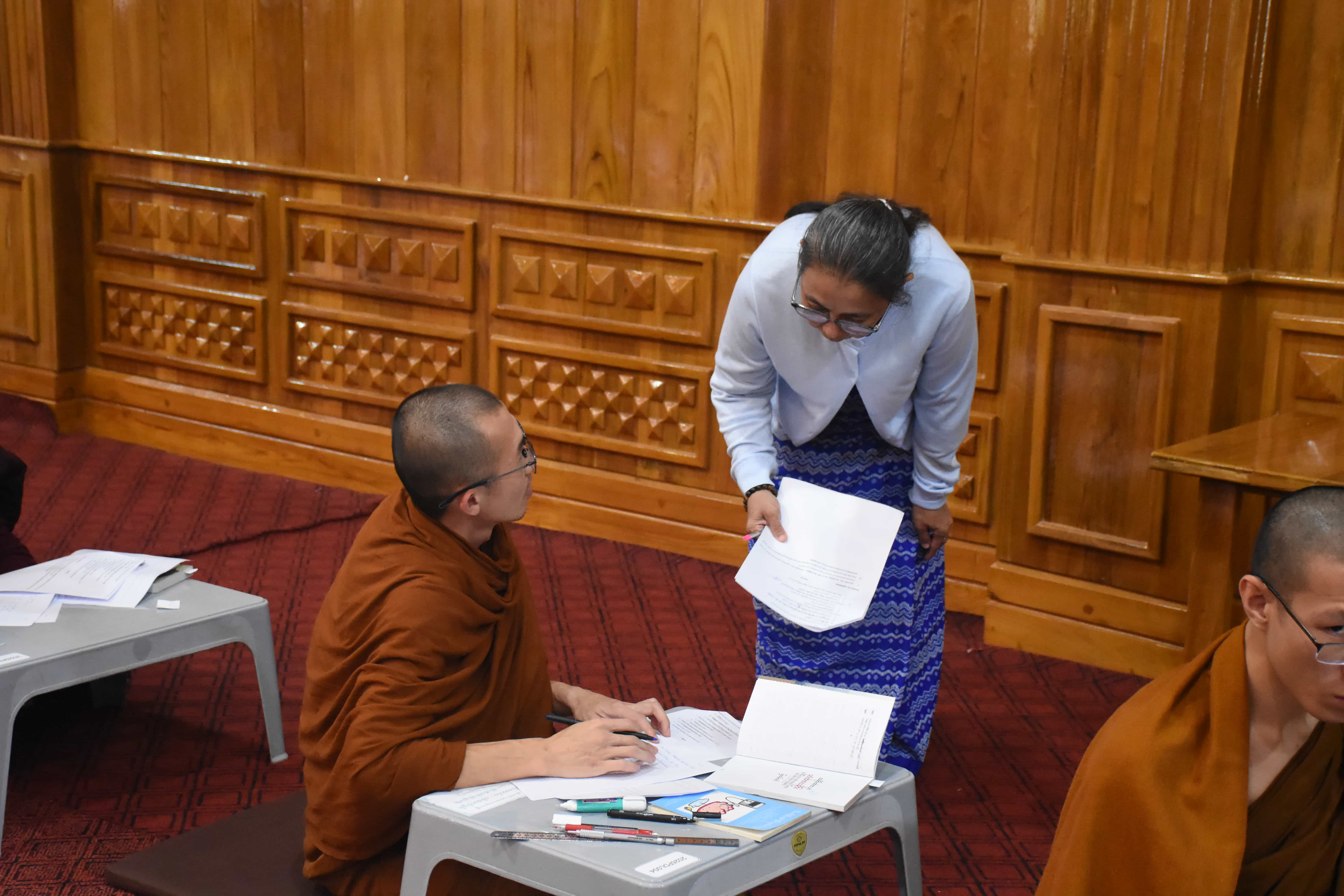
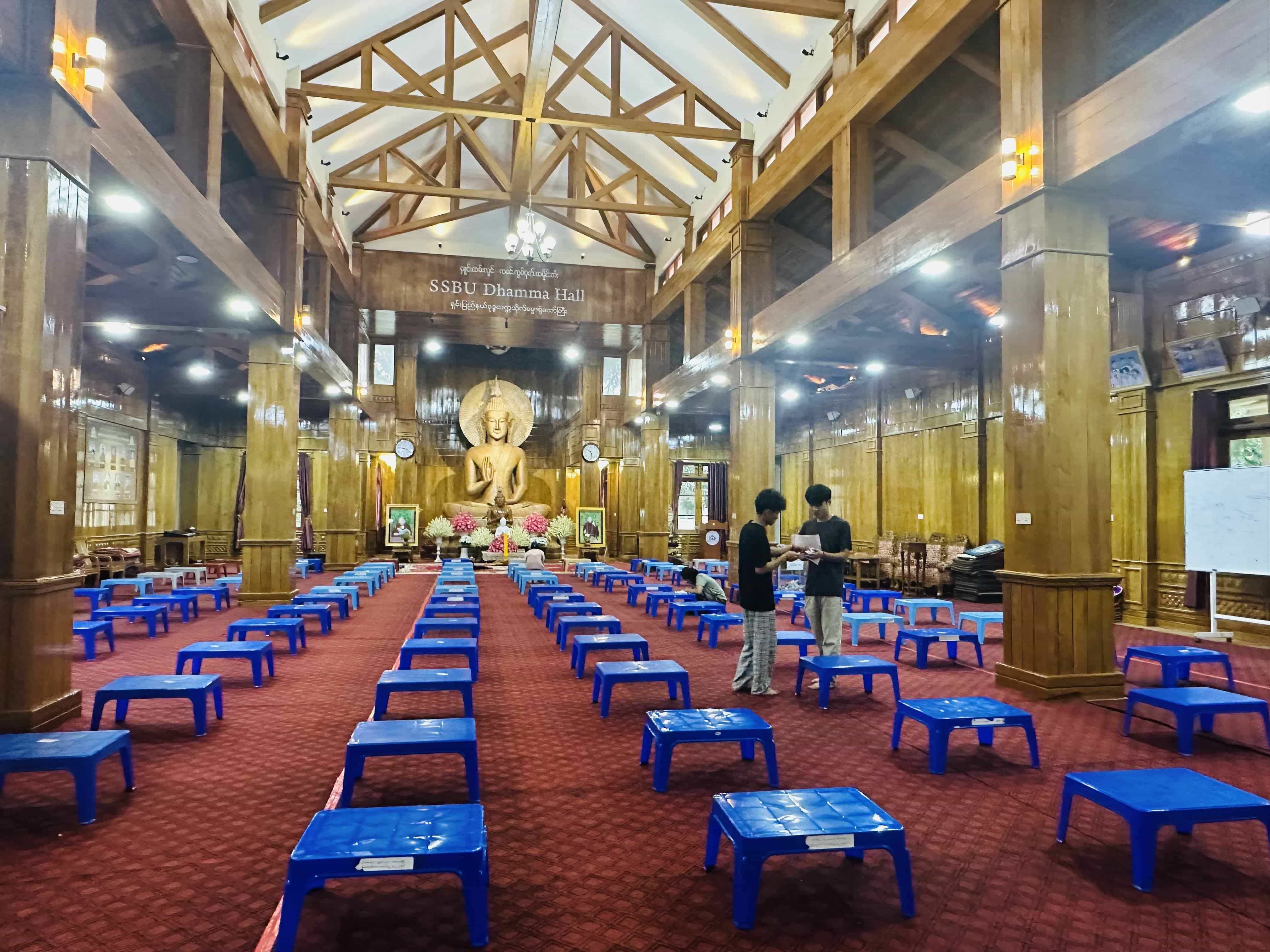
Shan State Buddhist University (SSBU) has held its written examination. This event is one of many activities marking the university's 10th anniversary. The examination took place at the Dhamma Hall, SSBU's main venue. It ran from 13 to 18 July 2026, during the academic year 2026–2027.
Part of a Year of Celebration
The tenth anniversary of SSBU is a time to look back and look forward. The university has planned several activities to mark this occasion. Before the written examination, the following events had already taken place:
The SSBU 1st Alumni Conference: This conference explored the theme "Theravāda Buddhist Meditation: Texts, Living Traditions, and Contemporary Research." Scholars and practitioners shared their views on meditation as it appears in old texts and in the lives of people today.
Inauguration Ceremony of the SSBU Visuṅgāma Mahā Sīmā: A formal ceremony to open this important sacred boundary (Sīmā) for the monastic community at the university.
The MPhil Students Seminar: Postgraduate research students presented their work and discussed their findings with faculty and peers.
Water-Pouring Ceremony for the Paññāpāramī Lecturer's Residence: This ceremony marked the donation of a new home for lecturers. It also celebrated the arrival of the Mytel BTS Station on campus, bringing improved connectivity to the university community.
These events demonstrate SSBU's growth in teaching, research, community life, and campus infrastructure over the past 10 years.
The Written Examination: Five Programmes, One Vision
The end-term examination was held for five different programmes. Each programme reflects the university's aim to provide deep learning in Buddhist studies, Pāli language, and related fields. All examinations were held at the Dhamma Hall, with sessions running from 1:00 to 3:00 PM or 1:00 to 4:00 PM, depending on the programme.
BA in Pāli and Buddhist Studies
This undergraduate programme spans three years. The first-year courses include Buddhist Psychology I, Basic Pāli I, Academic Study of Buddhism I, and Buddhist Ethics. These courses provide students with a strong foundation in the core ideas of Buddhism and the Pāli language.
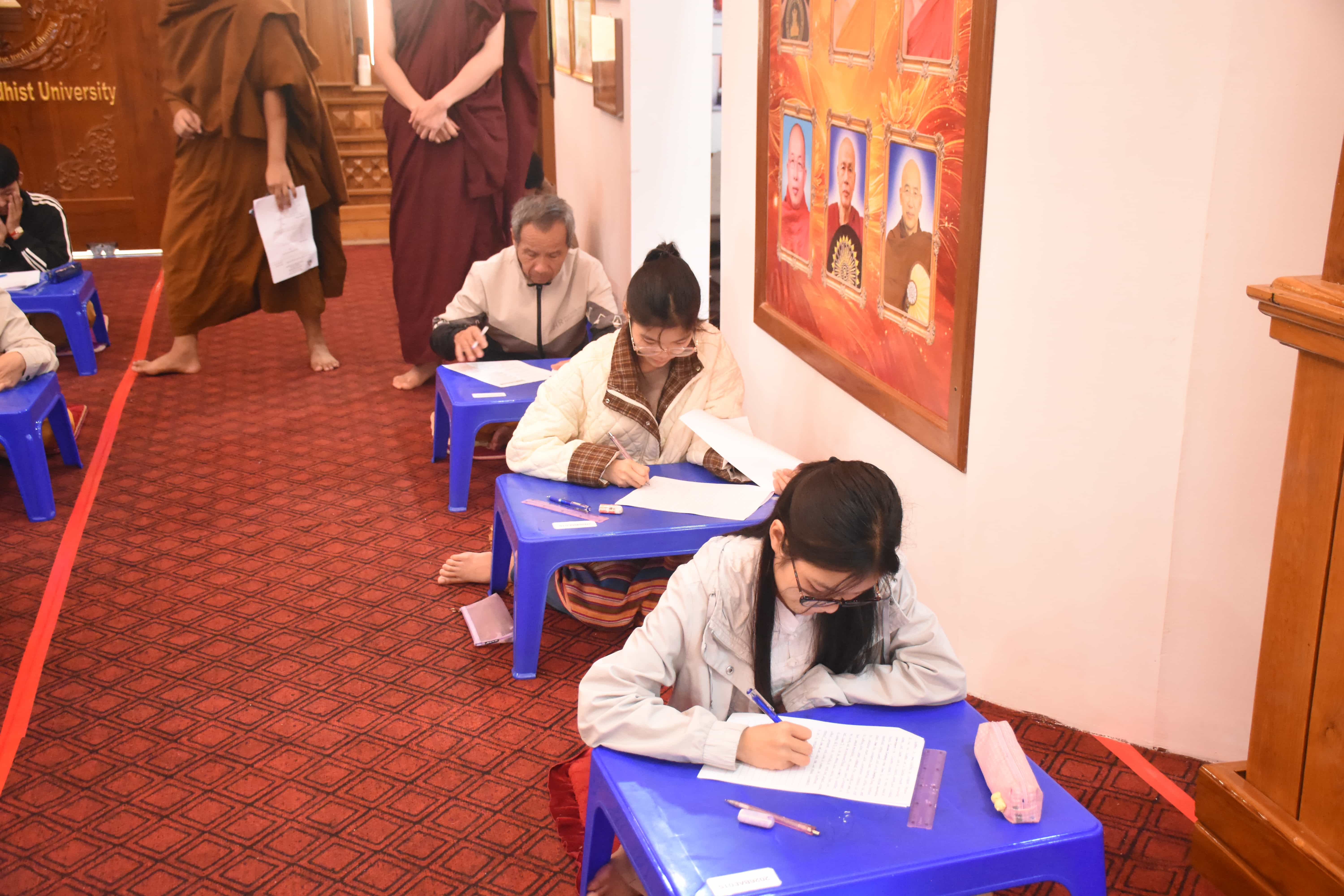
The second-year courses move deeper. Students study Buddhist Meditation II, A Buddhist Approach to Group Counseling, Academic Study of Buddhism II, and Buddhist Counseling I. These subjects connect Buddhist ideas with practical skills in counselling and group work.
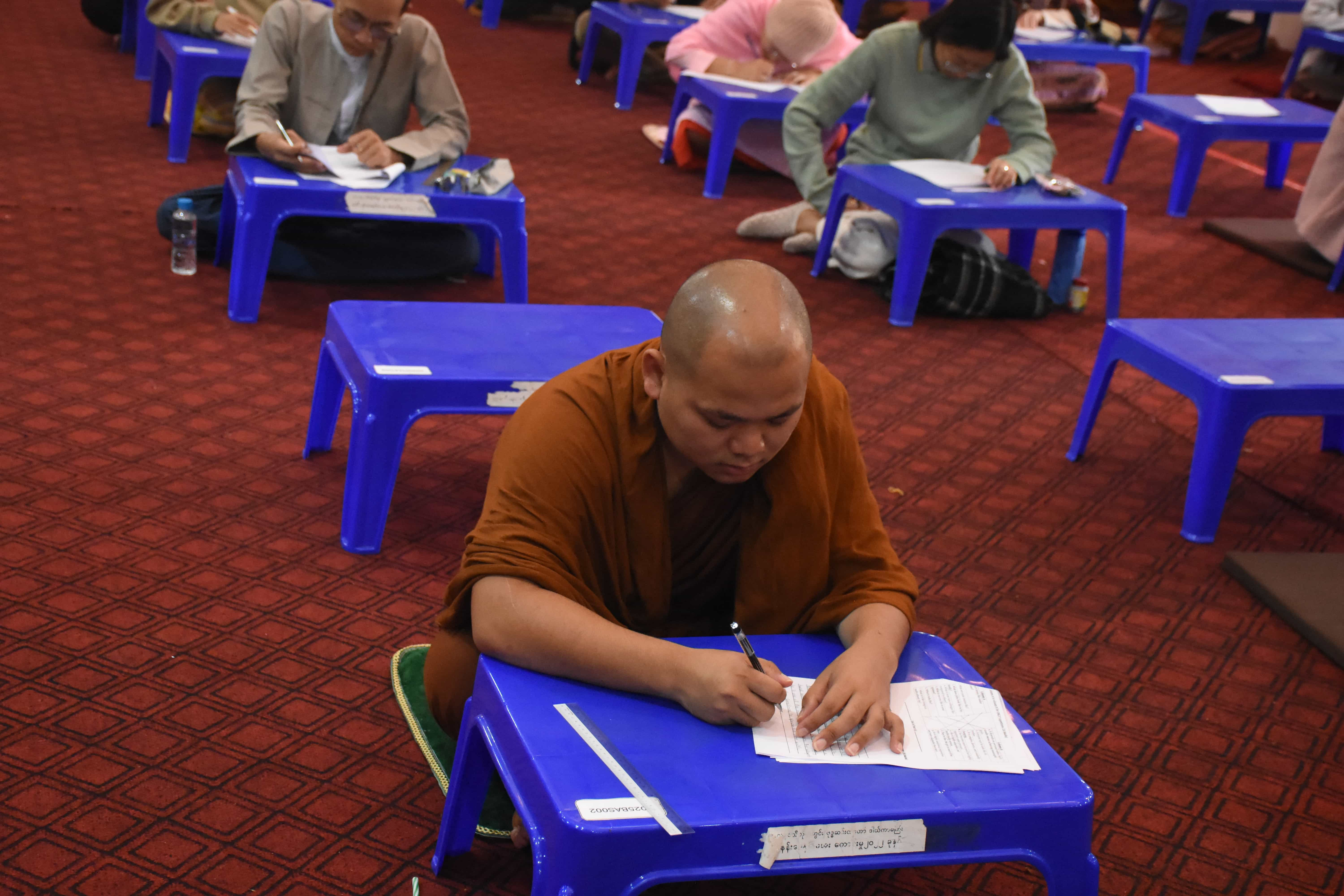
The third-year courses bring advanced learning. Students take Sutta Studies III, Research Methodology, Buddhist Counseling II, and Buddhist International Relations. These courses prepare students to read original Buddhist texts, carry out research, and think about Buddhism in the wider world.
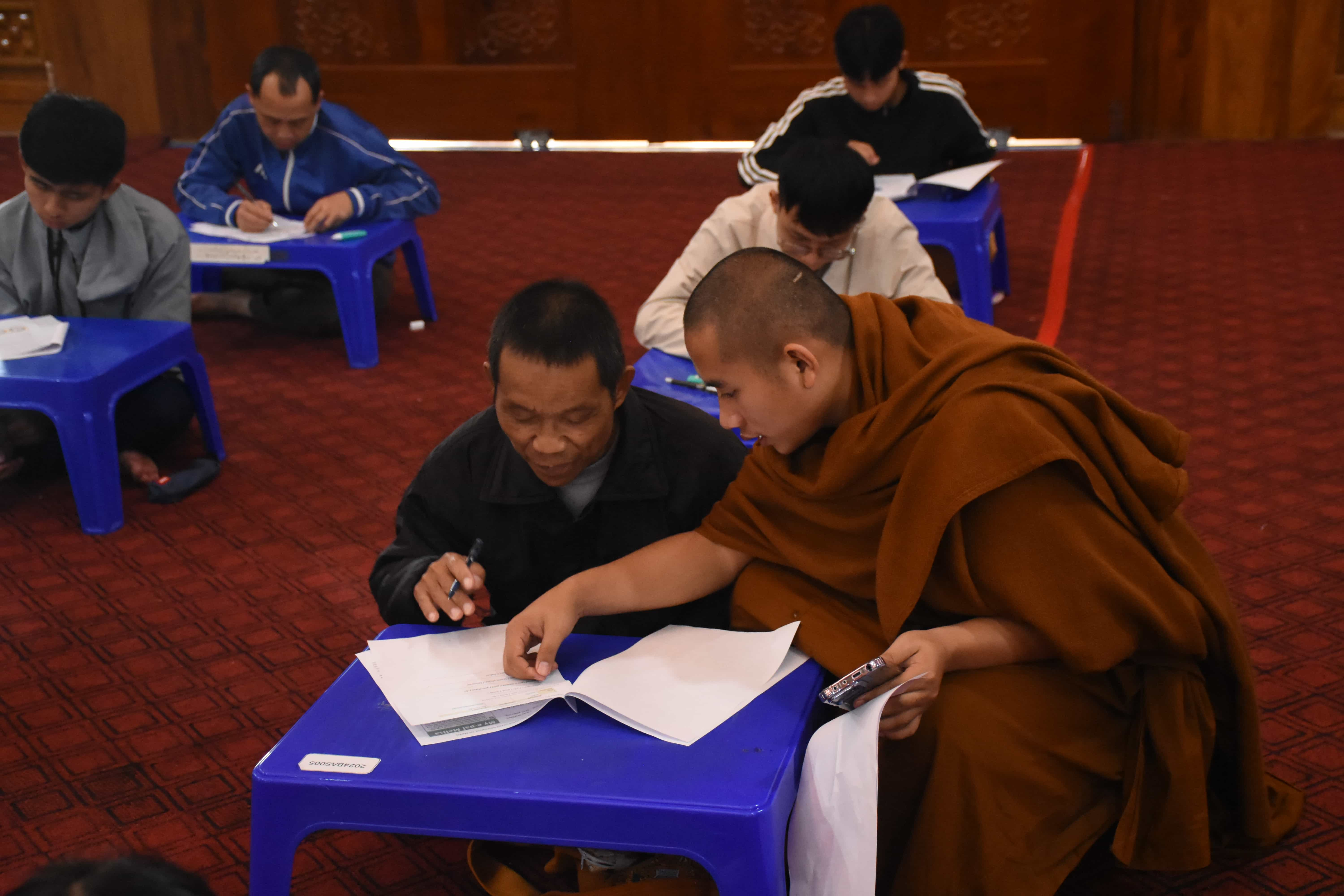
Postgraduate Diploma in Pāli and Buddhist Studies
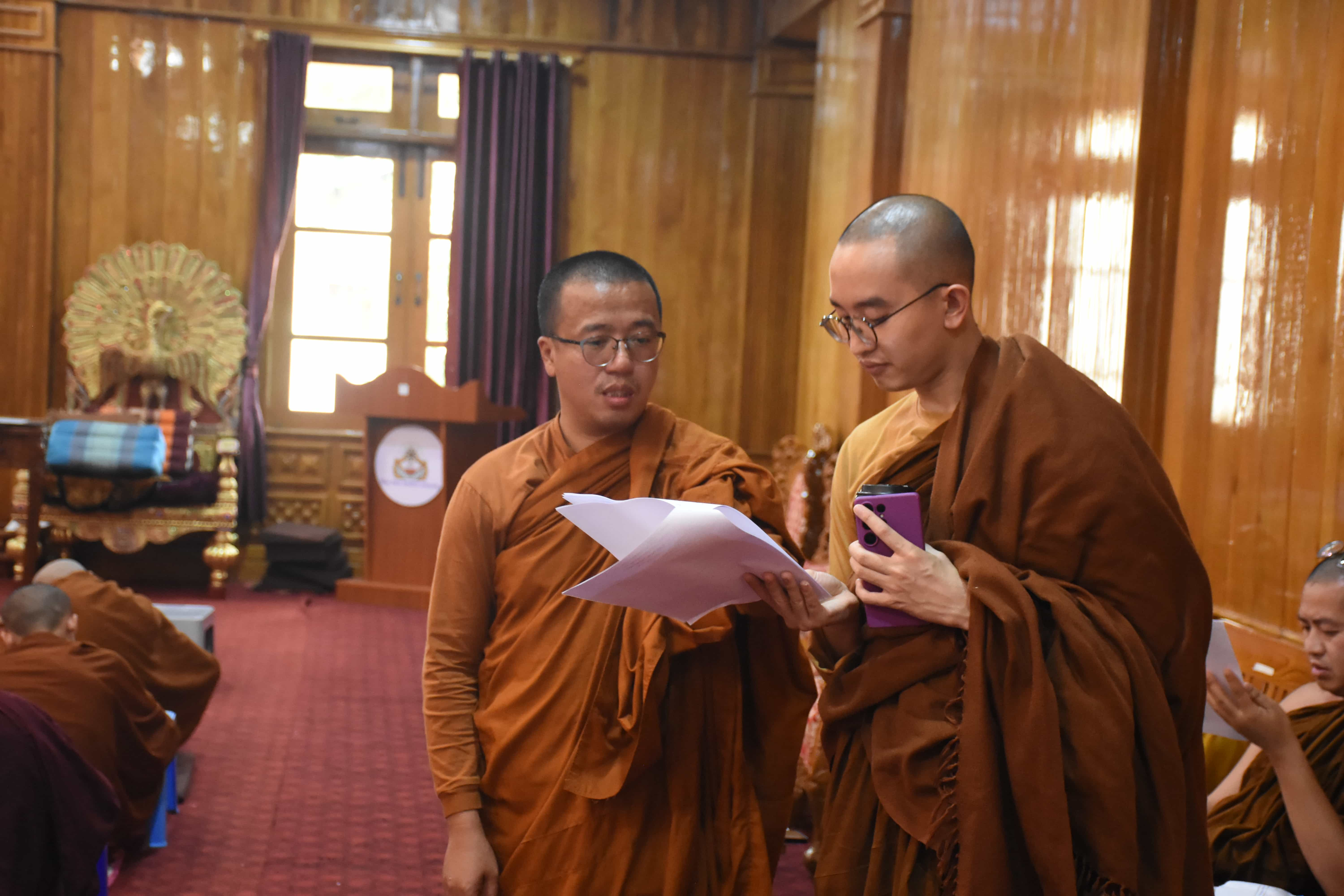
This programme is designed for students who want focused study in Pāli and Buddhist texts. Over six days, students sat for exams in Study Skills, Basic Pāli I, and Fundamentals in Buddhism. These courses build the reading, language, and thinking skills needed for further study.
MA in Pāli and Buddhist Studies
This master's programme has two years of study. First-year courses include Introduction to Academic Study of Buddhism, Advanced Pāli Grammar, Buddhist Philosophy, Buddhist Social Philosophy, and Hinduism and Buddhism. These courses give a broad and deep understanding of Buddhist thought and its place among other Indian traditions.
The second-year courses include Theravāda Buddhist Meditation II, Introduction to Sanskrit, and advanced text study of the Patisambhidāmagga with its commentary. Students also take Advanced Buddhist Thought and Practice and Buddhist Social Philosophy. These courses train students in both meditation practice and close reading of important Theravāda texts.
MA in Lik Loung Studies
This unique programme is offered in the Shan and Burmese languages, along with English. It reflects SSBU's commitment to serving the Shan community and preserving local Buddhist heritage. First-year courses include subjects taught in Shan and Burmese, as well as Advanced Buddhist English. The third-year courses include Buddhist Psychology and Counselling and other advanced subjects. This programme is a sign of the university'sdedication to multilingual education and to keeping Buddhist learning alive in the Shan language.
Postgraduate Diploma in Library and Information Management
This programme prepares students to work with books, manuscripts, and digital information. Over six days, students sat for exams in Pāli and Buddhist Literature, Foundations of Library and Information Science, Cataloguing and Metadata, Classification, Manuscript and Preservation Management, and Library History. This programme is especially important for SSBU, as the university holds many rare Pāli and Buddhist manuscripts that need skilled hands to care for them.
Looking Ahead
The first written examination at Shan State Buddhist University is more than a test. It is a sign of a university that has grown from a small beginning into a place of serious learning. With programmes ranging from undergraduate to master's level, and from Pāli language to library science, SSBU serves a wide community of learners.
As the tenth anniversary celebrations continue, this examination reminds us that the heart of any university is its teaching and learning. The students who sat for these exams are the next generation of Buddhist scholars, counsellors, librarians, and community leaders. May their studies bring benefit to many.